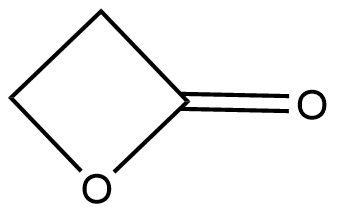
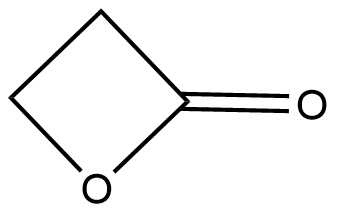
Propiolactone
Propiolactone (CAS No.: 57-57-8) is a chemical viral inactivating agent widely used in biomedical research, especially in the fields of virology and vaccine development. It is known for its ability to disrupt viral infectivity and is used for effective inactivation of viruses such as SARS-CoV, with a typical application ratio of 1:1000 (v:v). As an important reagent, Propiolactone plays a bacteriostatic role in vaccine preparation, for example in the formulation of BPL-inactivated influenza virus vaccines. Although specific quantitative indicators are lacking, its effects can be inferred from the similar performance of active compounds, resembling related chemical classes with activity in the nanomolar to micromolar range. The integration of Propiolactone into research frameworks extends across multiple experimental models, making it a key tool in cell research and preclinical studies, helping to explore viral behavior and develop antiviral strategies. Its specific concentration or dose is usually determined by experimental design and research objectives, demonstrating its adaptability to research priorities. In addition, as a member of β-lactam compounds, Propiolactone contributes to improving our understanding of viral inactivation processes without involving therapeutic claims, thereby supporting the advancement of basic research and drug discovery projects.
| Physical Appearance | Liquid |
| Storage | -20°C |
| M.Wt | 72.06 |
| Cas No. | 57-57-8 |
| Formula | C3H4O2 |
| Synonyms | β-propiolactone; 2-Oxetanone; Betaprone |
| Solubility | ≥50.7 mg/mL in DMSO; ≥51.5 mg/mL in EtOH; ≥53.9 mg/mL in H2O |
| Chemical Name | oxetan-2-one |
| Canonical SMILES | O=C1OCC1 |
| Shipping Condition | Small Molecules with Blue Ice, Modified Nucleotides with Dry Ice. |
| General tips | We do not recommend long-term storage for the solution, please use it up soon. |
Quality Control & MSDS
- View current batch:
Chemical structure