


Metabolism
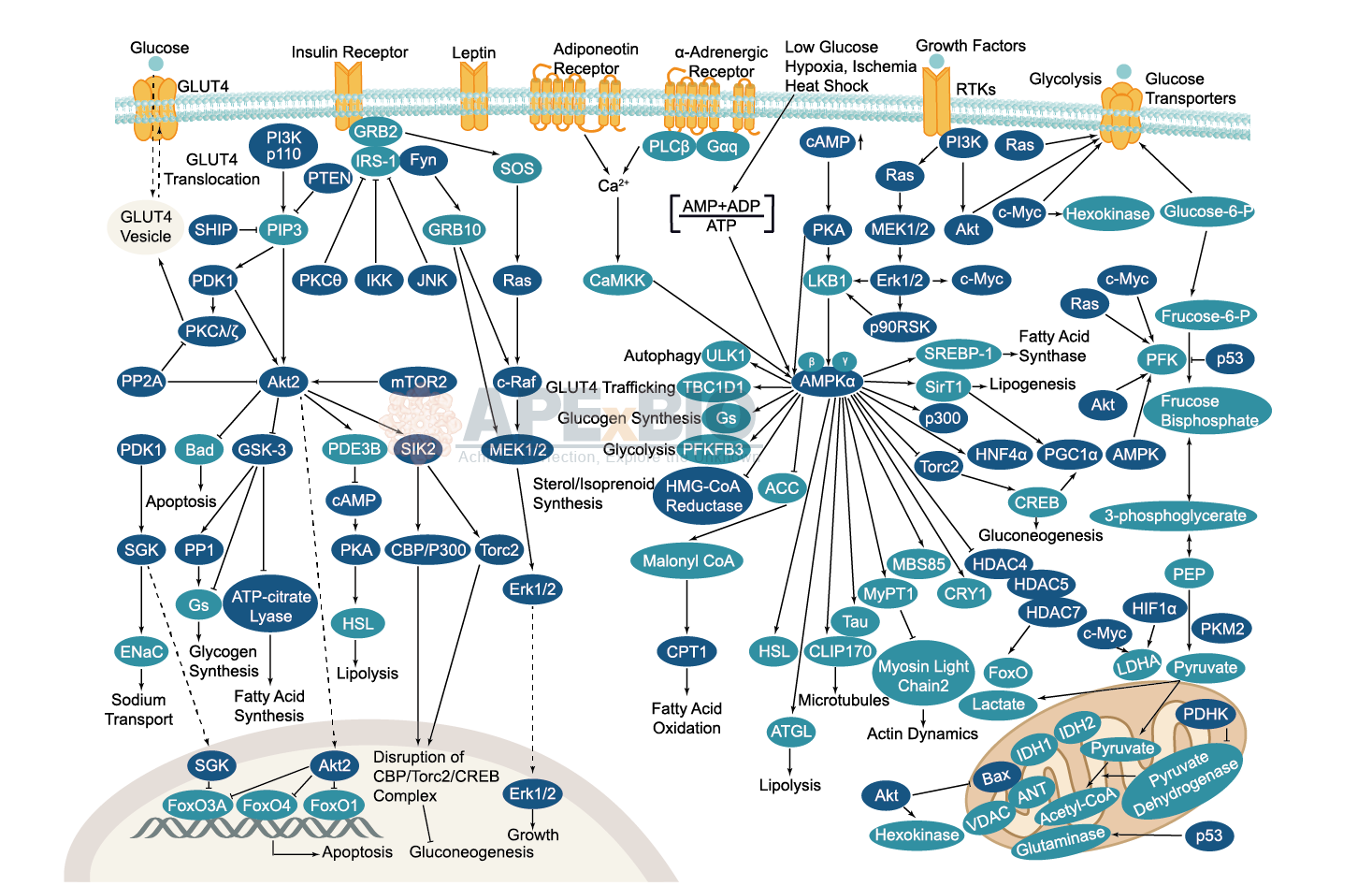
Serine/threonine kinase AMPK upregulates glucose uptake by promoting the expression and function of glucose transporters. AMPK is activated by increased AMP/ATP ratio, resulting from cellular and environmental stress, e.g. low glucose, heat shock, hypoxia and ischemia. AMPK activation positively modulates signaling transductions that refill ATP levels. Moreover, it also stimulates catabolic processes such as fatty acid oxidation and glycolysis through inhibition of ACC and activation of PFK2. AMPK negatively regulates various proteins which are important to ATP-consuming mechanisms, e.g. mTORC2, glycogen synthase, SREBP-1, and TSC2, causing the downregulation/inhibition of gluconeogenesis and glycogen, lipid and protein synthesis.
-
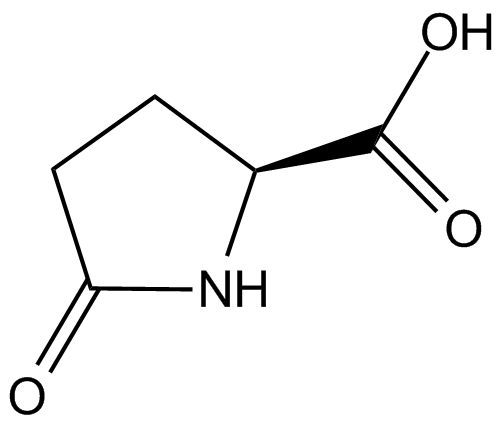 C6131 L-Pyroglutamic acidSummary: A reference standard for metabolic research, analytical testing, and disease biomarker studies.
 -
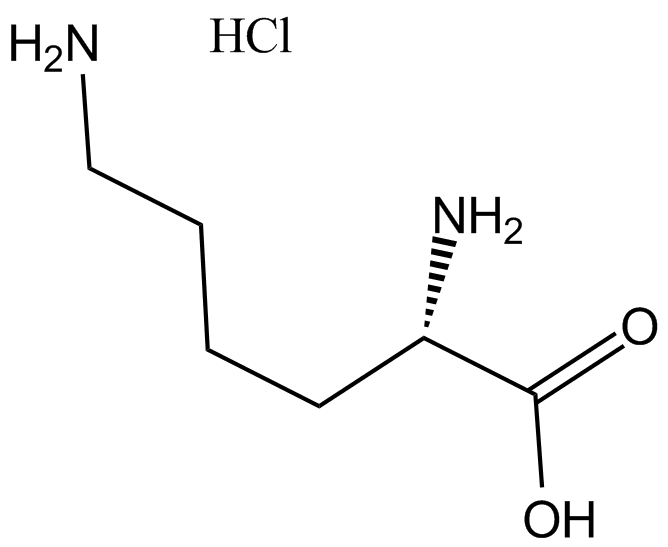 C6134 L-Lysine hydrochlorideSummary: An essential amino acid salt used in viral infection research, nutritional supplementation, and metabolic regulation.
 -
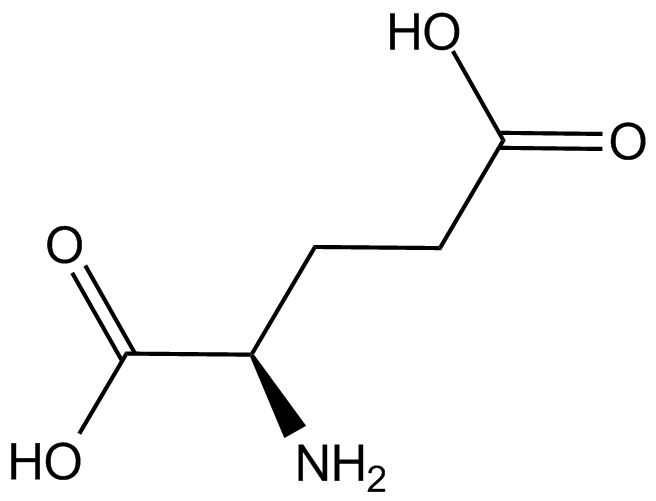 C6147 D(-)-Glutamic acidSummary: Widely used for preparing enantiomers of active molecules and foods.
 -
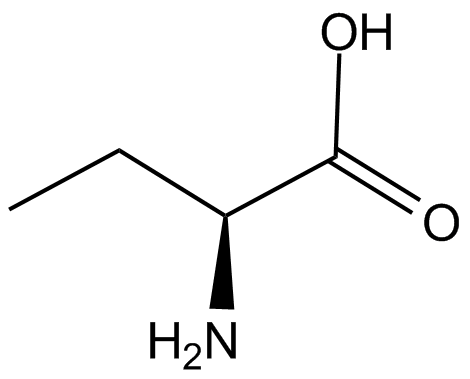 C6153 L(+)-2-Aminobutyric acidSummary: A metabolic biomarker for research on diseases associated with amino acid metabolism disorders.
 -
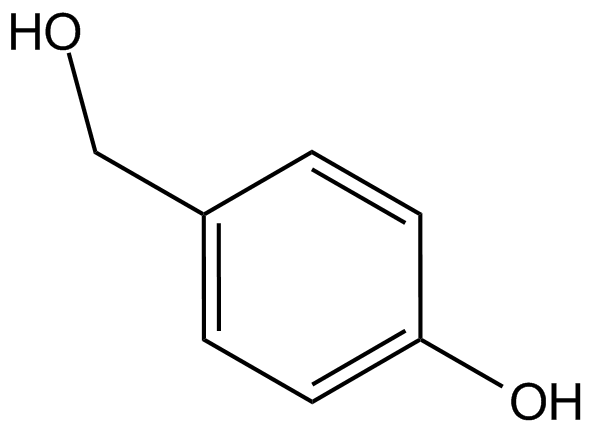 C6165 4-Hydroxybenzyl alcoholSummary: A phenolic compound used for anti-inflammatory, antioxidant, neuroprotective, and tumor research.
 -
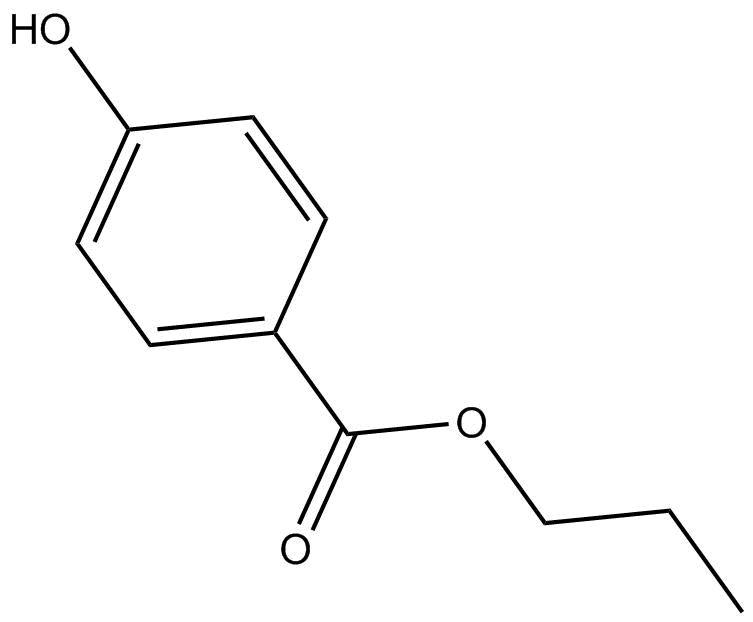 C6171 PropylparabenSummary: An antimicrobial preservative commonly used to study reproductive toxicity and regulatory mechanisms of steroid biosynthesis.
 -
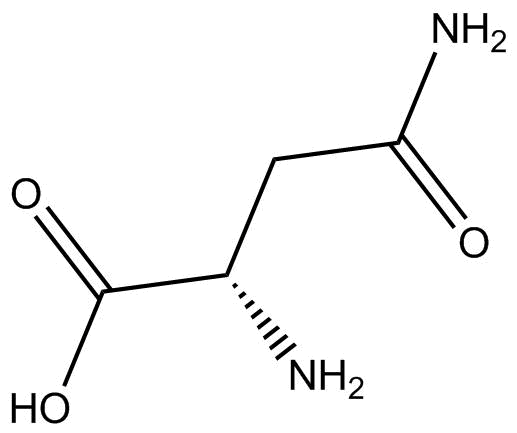 C6177 L-AsparagineSummary: A non-essential amino acid involved in the metabolism of nerve and brain tissue cells and with anti-tumor activity.
 -
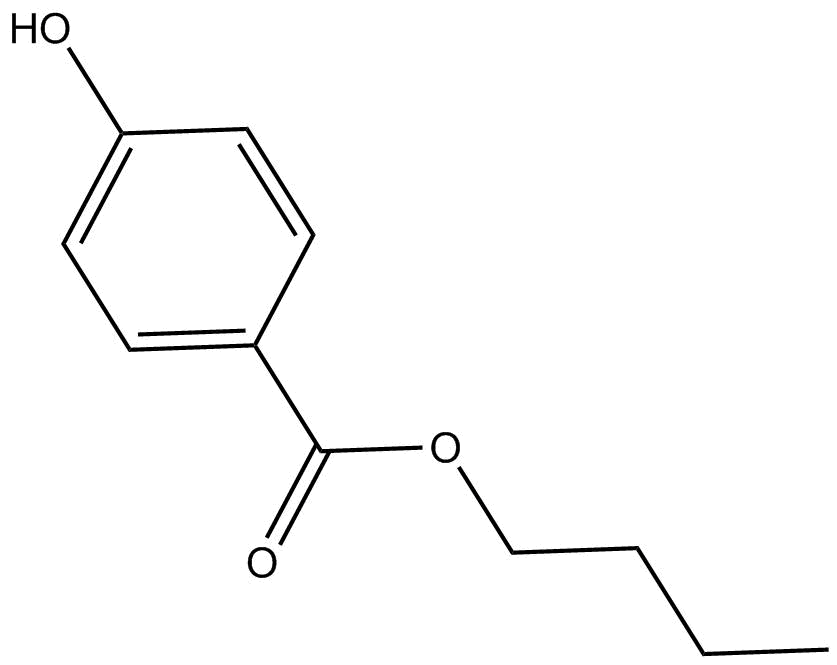 C6178 ButylparabenSummary: An organic compound used for antimicrobial preservation and metabolism research.
 -
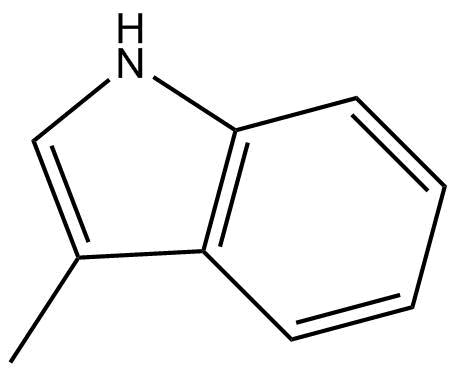 C6184 3-MethylindoleSummary: A heteroaromatic compound that can induce AhR activation and apoptosis in intestinal epithelial cells.
 -
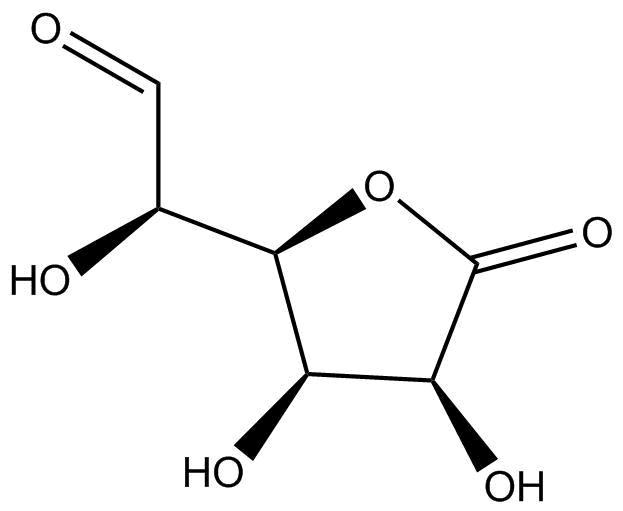 C6194 D-GlucuroneSummary: A glucuronic acid-derived endogenous metabolite, used for glycosylation reactions and cerebrovascular research.