


Metabolism
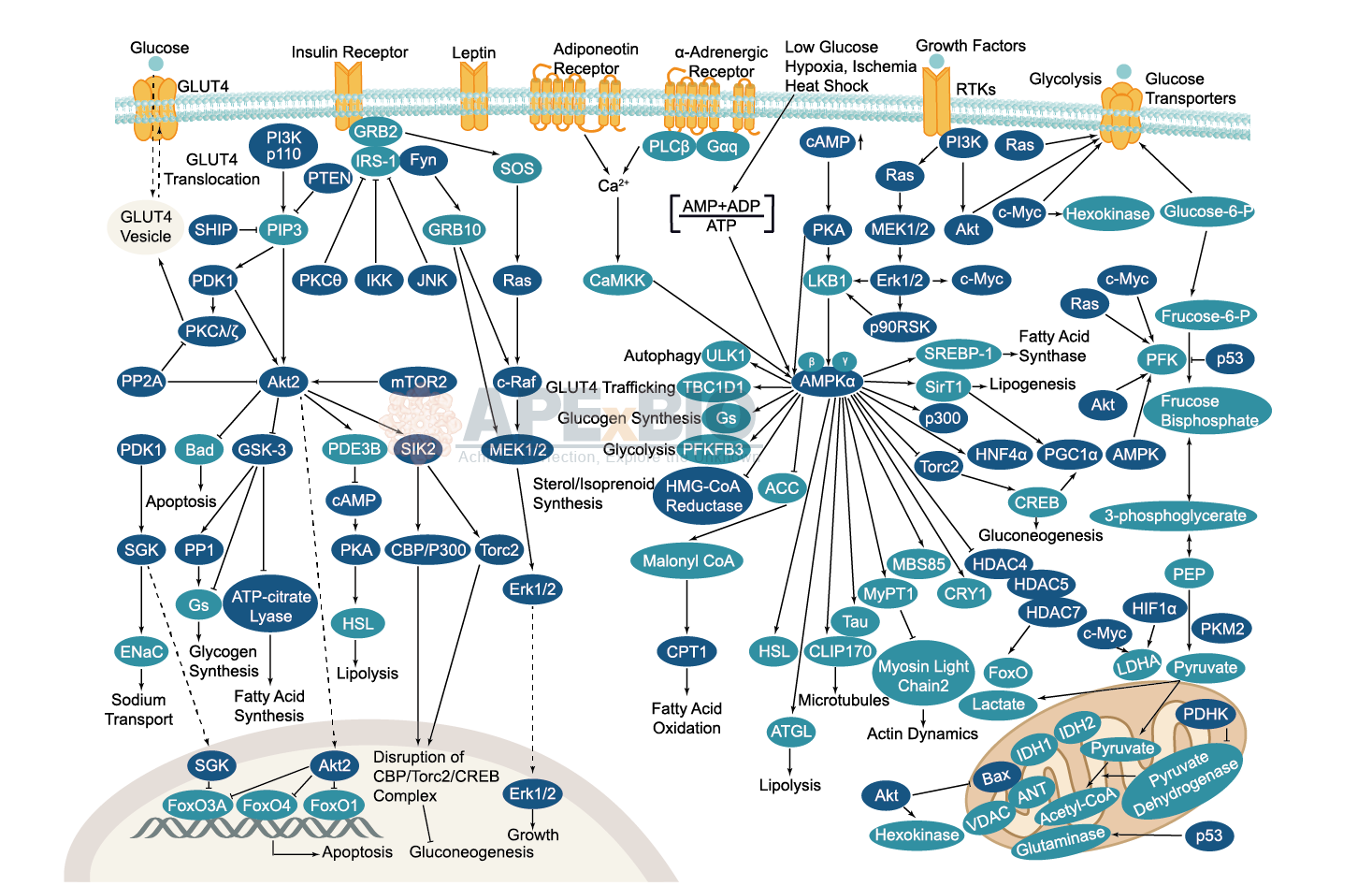
Serine/threonine kinase AMPK upregulates glucose uptake by promoting the expression and function of glucose transporters. AMPK is activated by increased AMP/ATP ratio, resulting from cellular and environmental stress, e.g. low glucose, heat shock, hypoxia and ischemia. AMPK activation positively modulates signaling transductions that refill ATP levels. Moreover, it also stimulates catabolic processes such as fatty acid oxidation and glycolysis through inhibition of ACC and activation of PFK2. AMPK negatively regulates various proteins which are important to ATP-consuming mechanisms, e.g. mTORC2, glycogen synthase, SREBP-1, and TSC2, causing the downregulation/inhibition of gluconeogenesis and glycogen, lipid and protein synthesis.
-
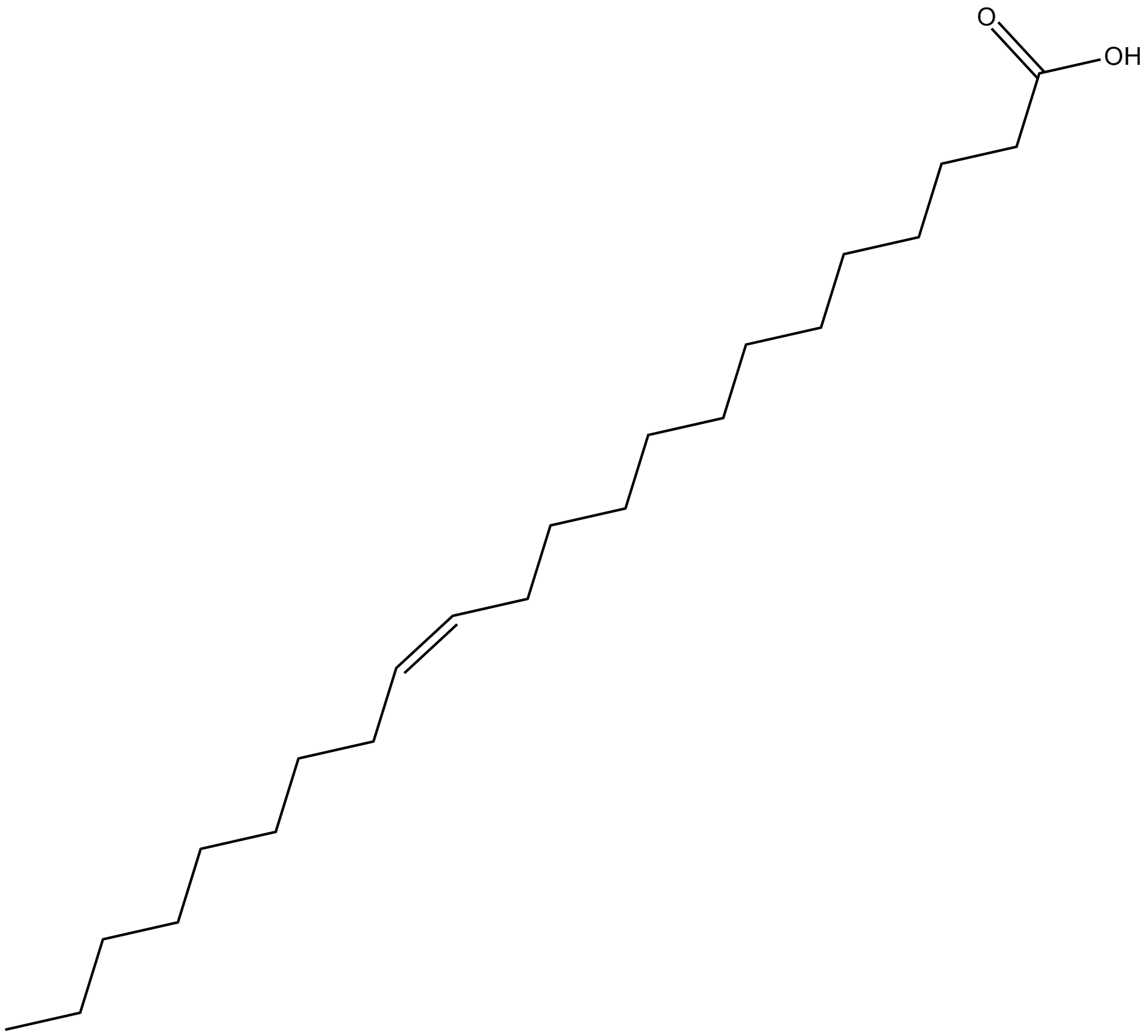 C5638 13(Z)-Docosenoic AcidSummary: A monounsaturated fatty acid derived from radish seeds that can cross the blood-brain barrier.
 -
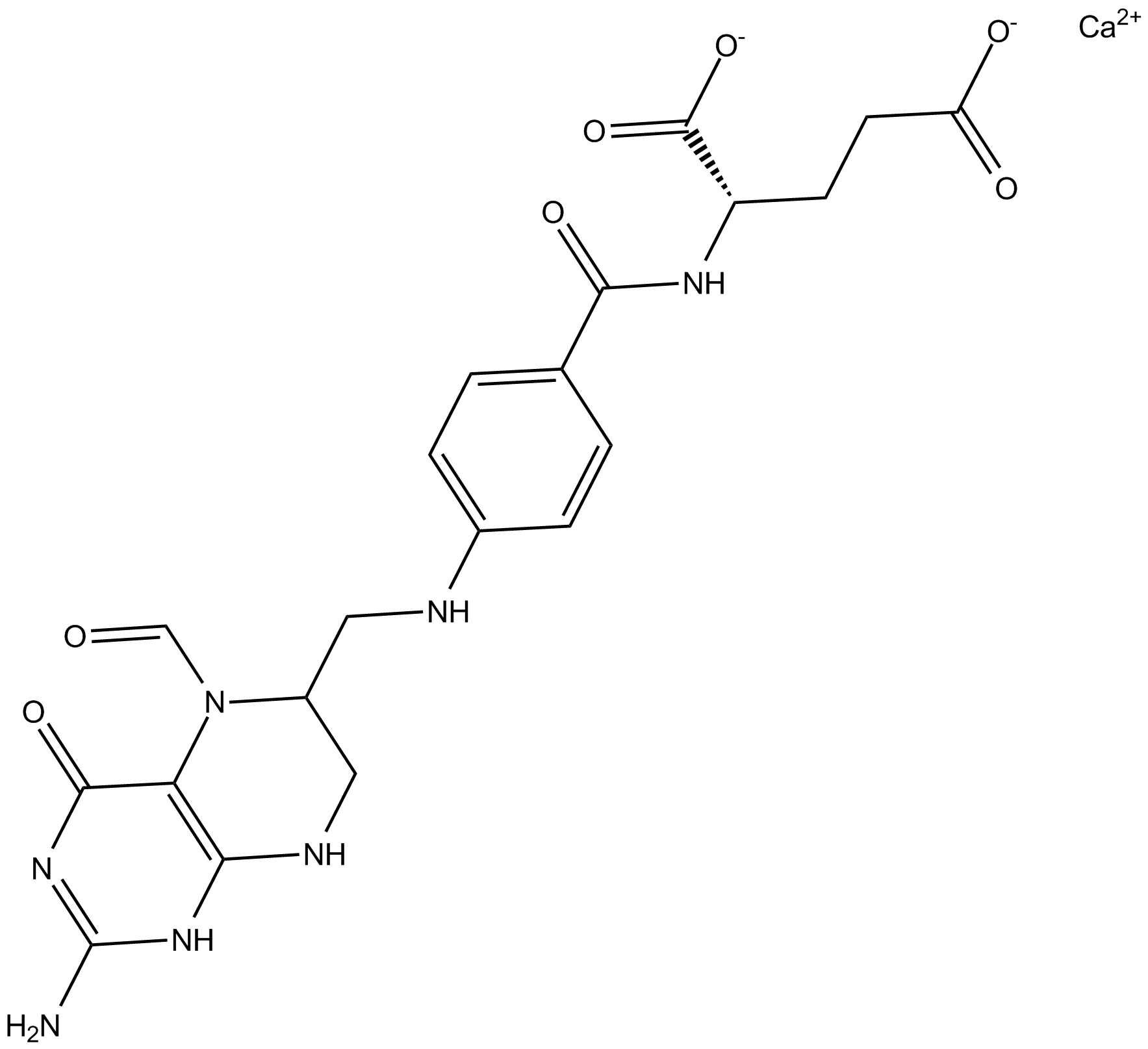 C5652 Folinic Acid (calcium salt)Summary: A folate derivative used to alleviate methotrexate toxicity.
 -
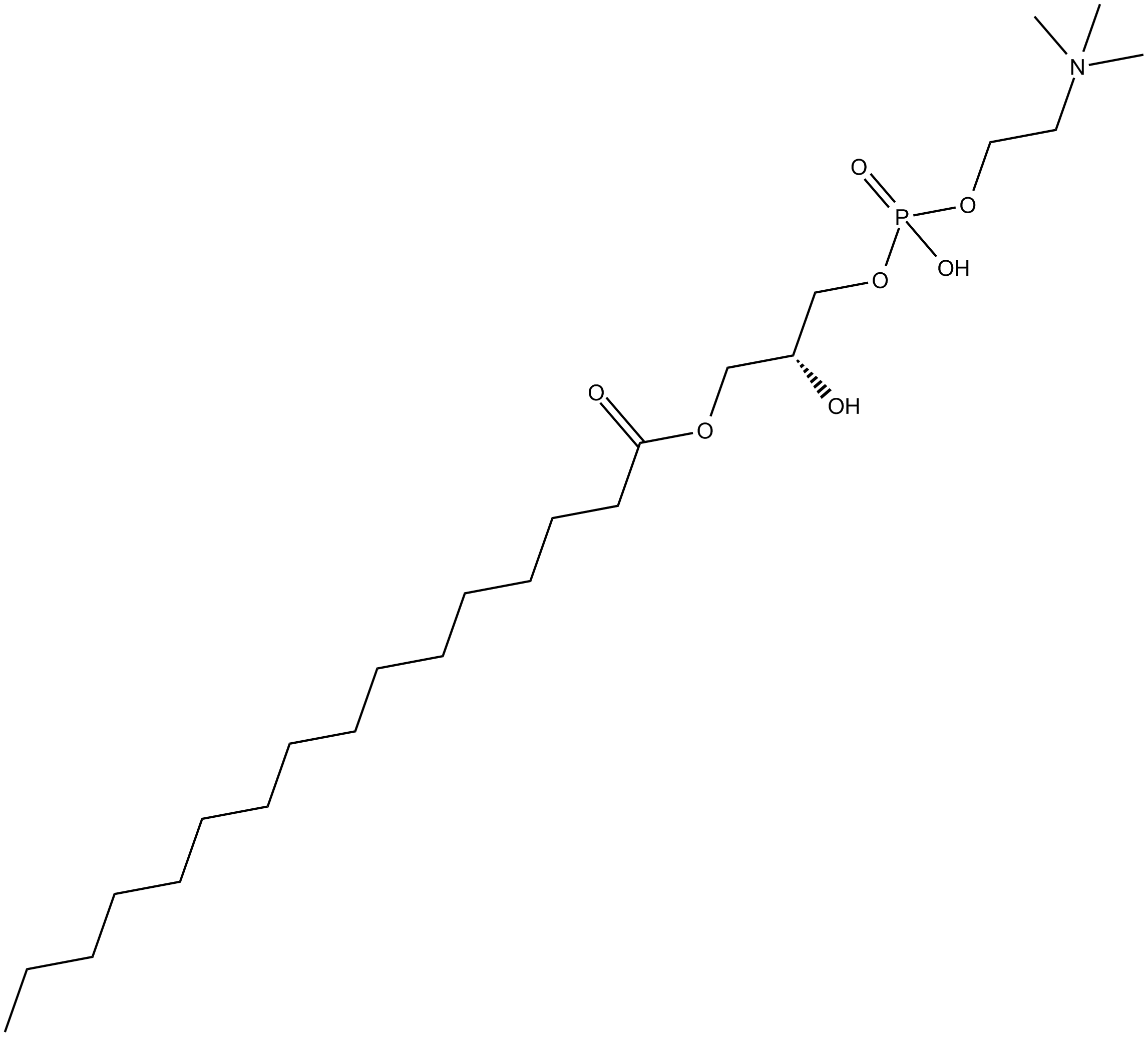 C5668 Lyso-PCSummary: A widely occurring pro-inflammatory lipid used for research on the mechanisms of atherosclerosis.
 -
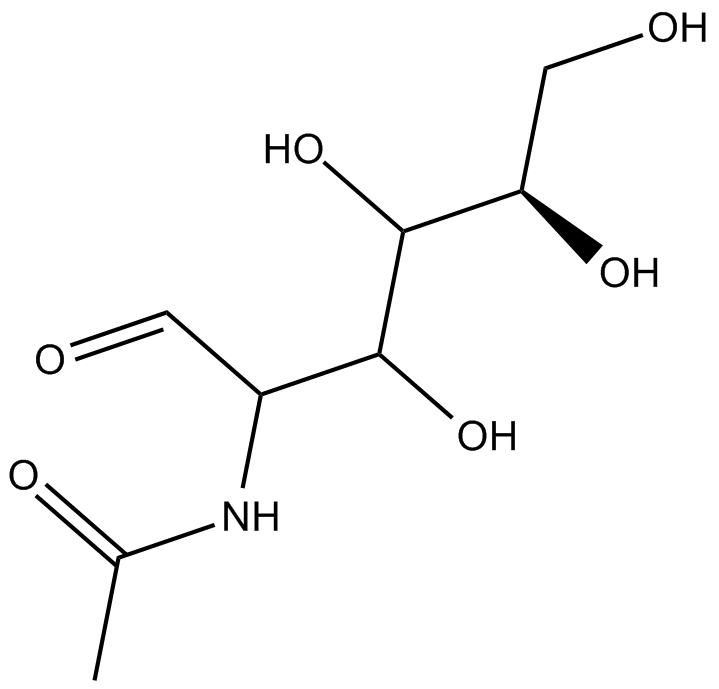 C5679 N-acetyl-D-GlucosamineSummary: A naturally derived monosaccharide derivative involved in cellular glycosylation, inflammation regulation, and cartilage repair.
 -
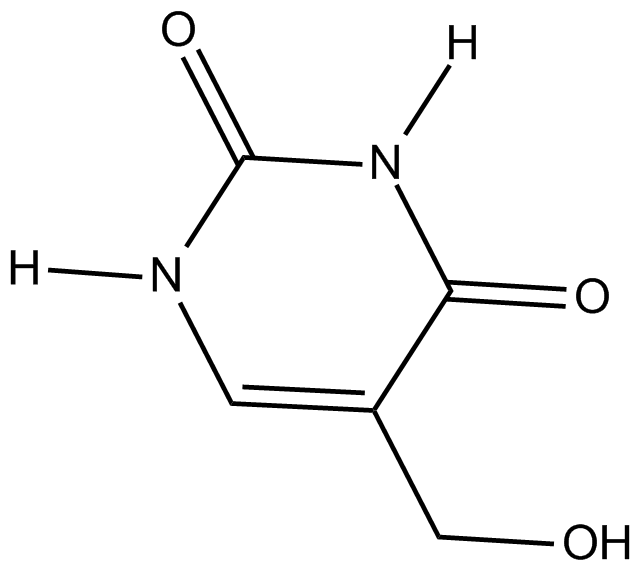 C5686 Hydroxymethyl UracilSummary: A derivative of oxidative DNA damage and a marker for bacterial transcriptional regulation.
 -
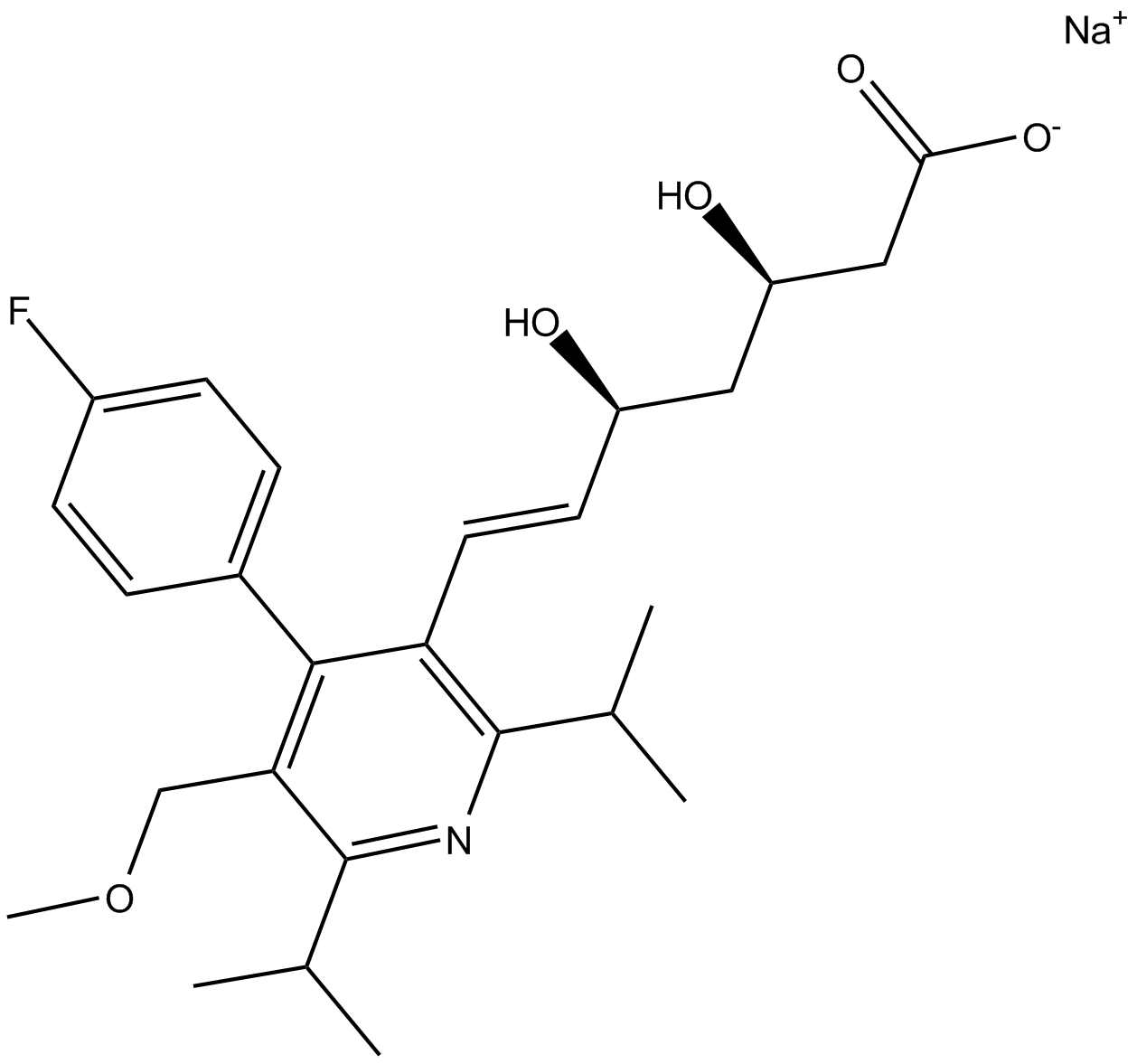 C5695 Cerivastatin (sodium salt)Summary: A potent HMG-CoA reductase inhibitor with lipid-lowering and anti-tumor activity.
 -
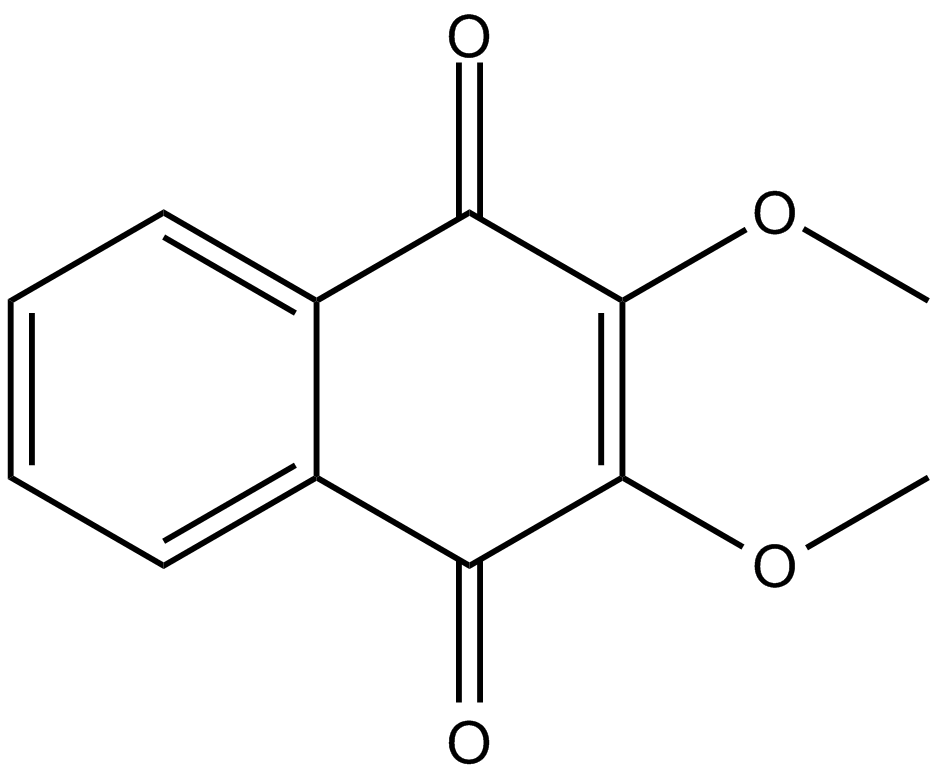 C5752 DMNQSummary: A redox-cycling agent that can induce intracellular ROS generation in a concentration-dependent manner.
 -
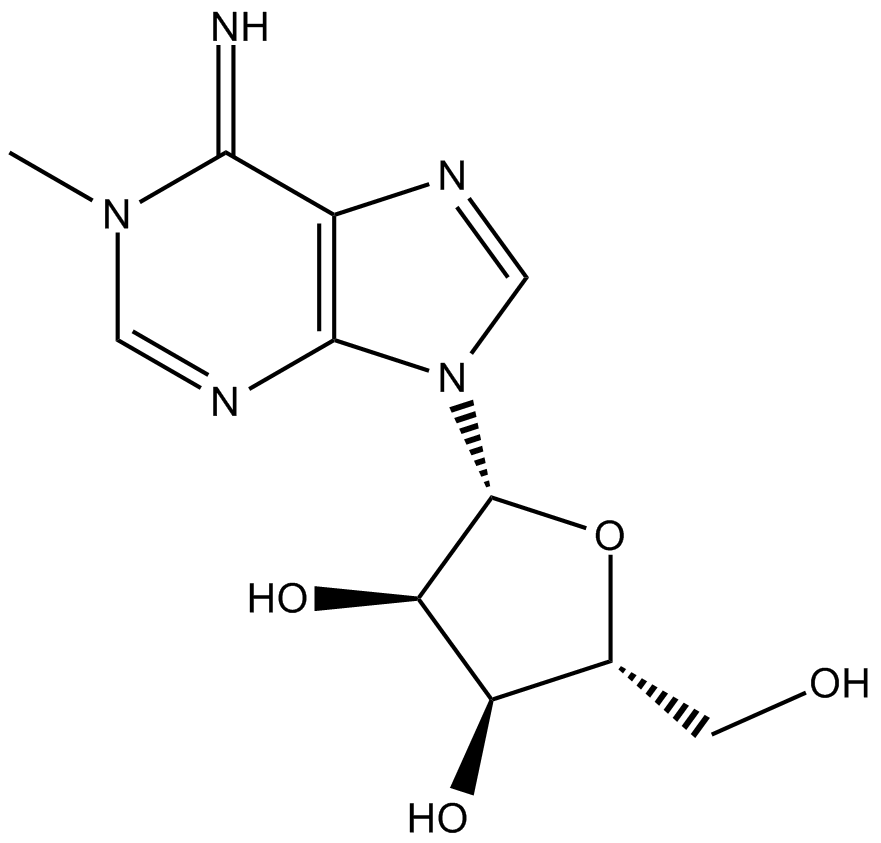 C5753 1-methyl Adenosine1 CitationSummary: Modified nucleoside
 -
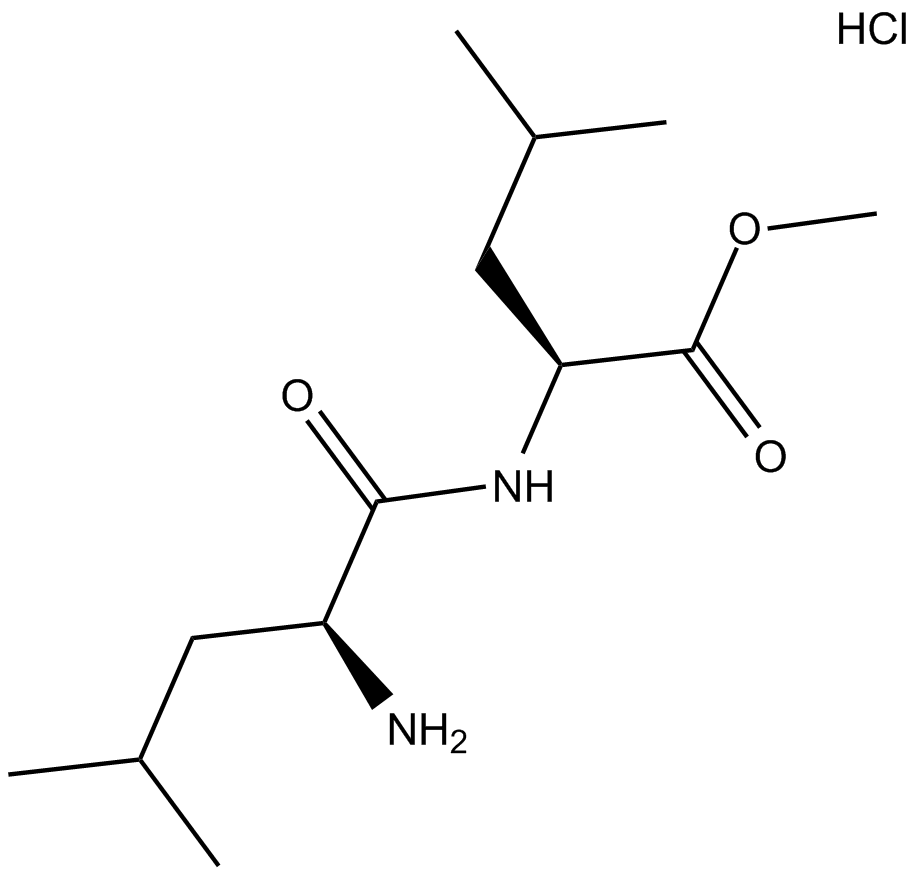 C5758 L-Leucyl-L-Leucine methyl ester (hydrochloride)Summary: A lysosomal condensation product that is cytotoxic to natural killer cells and CD4 + and CD8 + T lymphocytes
 -
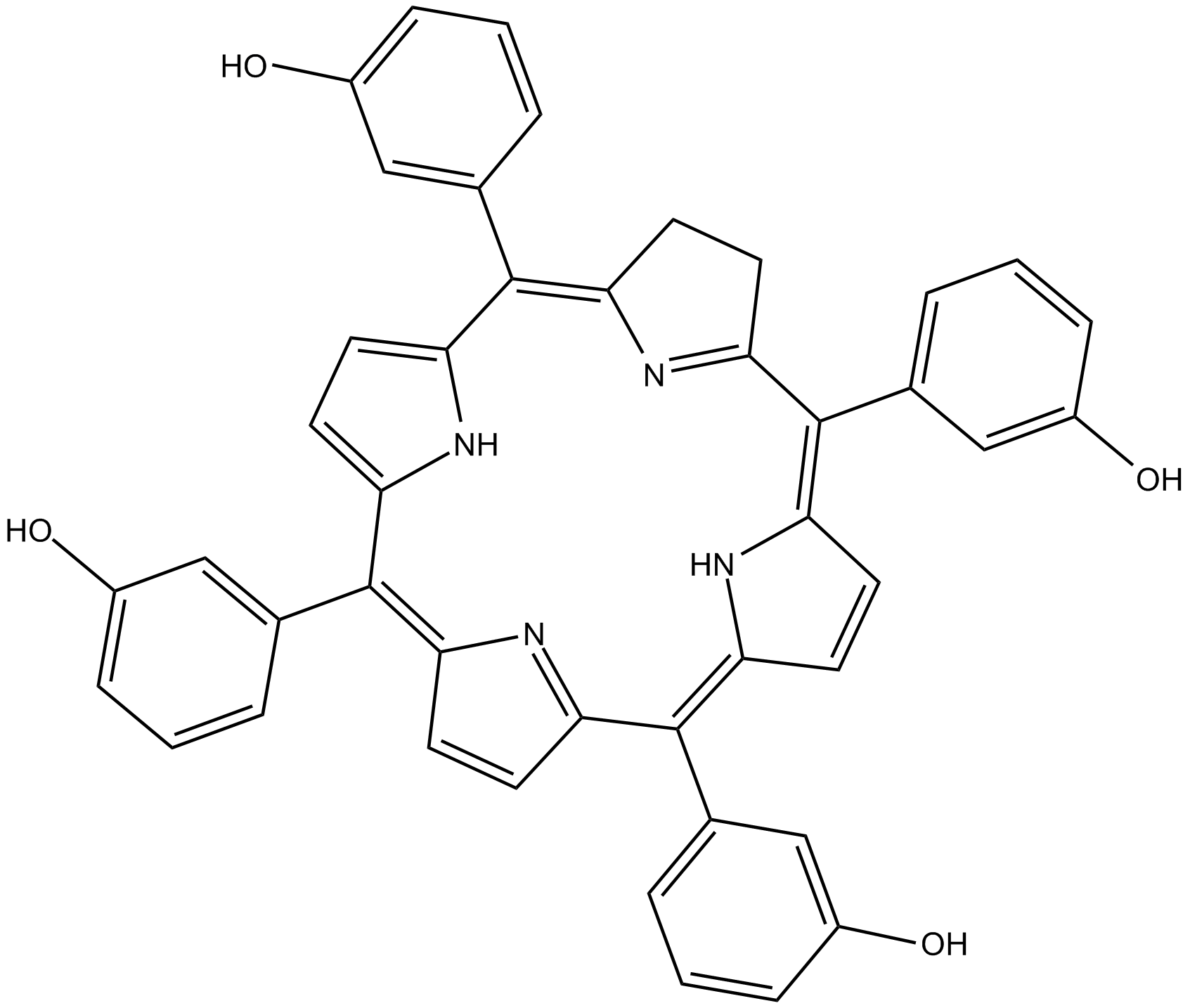 C5784 TemoporfinSummary: A light-activated chlorin