


DMNQ
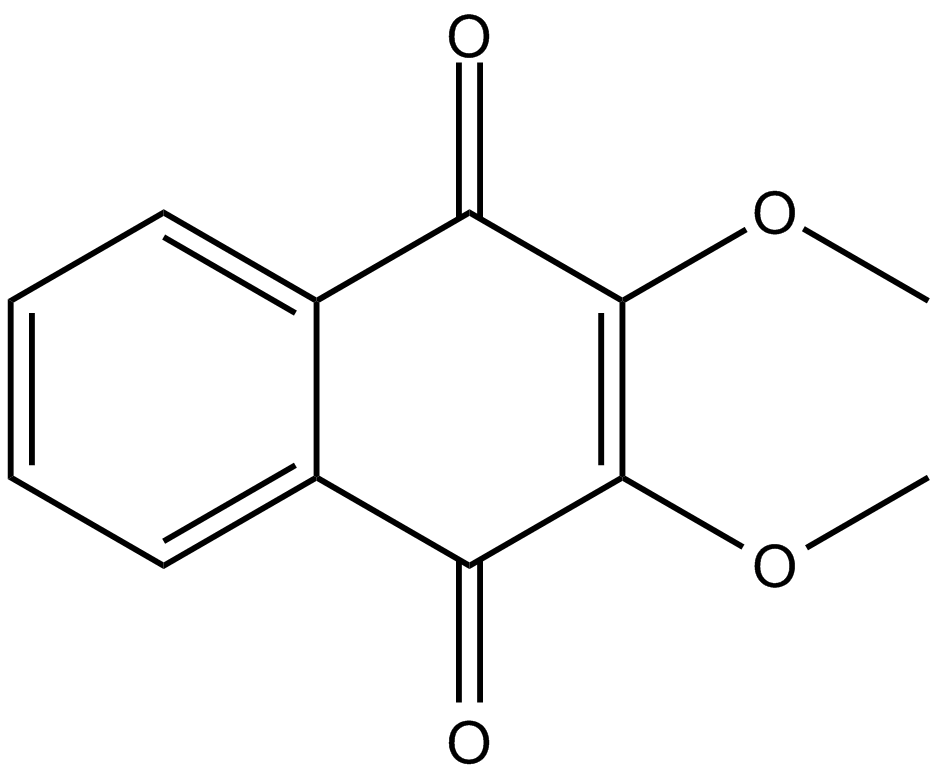
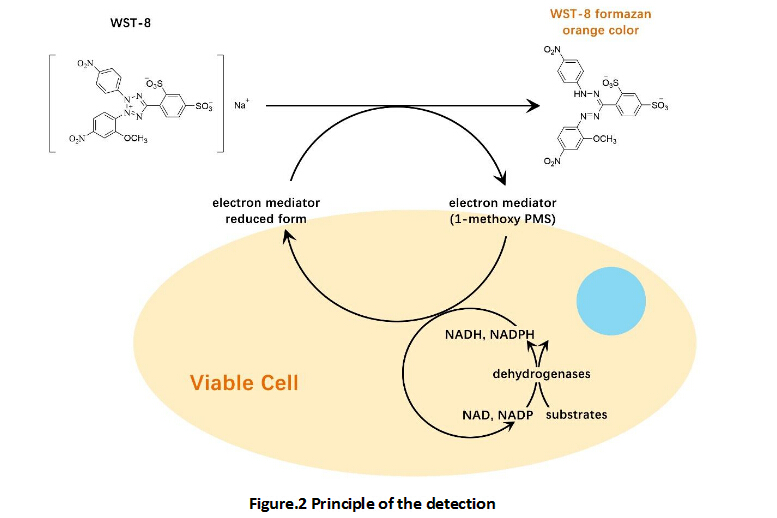
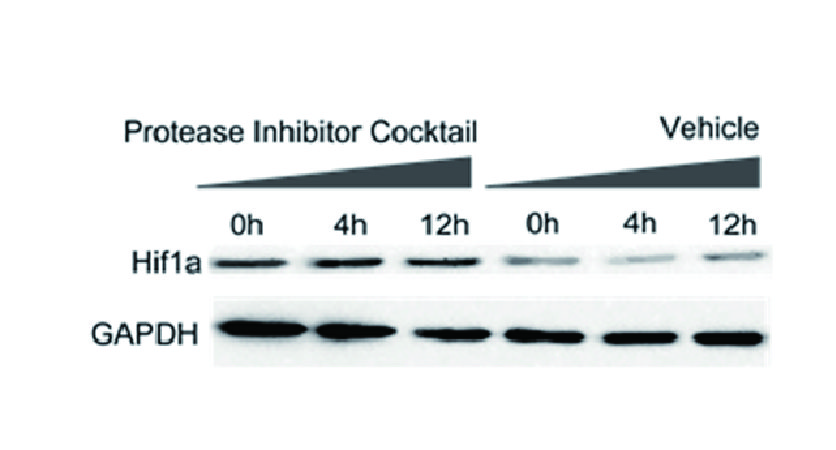
DMNQ (CAS No.: 6956-96-3) is a synthetic redox-cycling quinone widely used as a tool compound in oxidative stress research, characterized by its ability to undergo intracellular redox cycling and generate reactive oxygen species in a concentration-dependent manner. By promoting the formation of hydrogen peroxide and superoxide, DMNQ induces controlled oxidative stress that perturbs cellular redox homeostasis and modulates key biological processes, including signal transduction pathways, mitochondrial function, and gene expression. Its activity is not mediated through a single protein target but rather through broad redox-dependent mechanisms that influence enzyme activity and stress-responsive signaling networks. In vitro, DMNQ is typically active in the low micromolar to micromolar range, where it robustly elevates intracellular ROS levels and triggers downstream events such as apoptosis or adaptive stress responses. Owing to these properties, DMNQ is extensively employed in cell-based assays and experimental models to investigate mechanisms of oxidative damage, redox signaling, and apoptosis, as well as to evaluate antioxidant defenses and screen potential therapeutic agents targeting oxidative stress-related pathways, with applied concentrations varying according to specific experimental systems and objectives.
| Physical Appearance | A solid |
| Storage | -20°C |
| M.Wt | 218.21 |
| Cas No. | 6956-96-3 |
| Formula | C12H10O4 |
| Synonyms | NSC 69355 |
| Solubility | ≥68 mg/mL in DMSO; ≥9.63 mg/mL in EtOH; insoluble in H2O |
| Chemical Name | 2,3-dimethoxynaphthalene-1,4-dione |
| Canonical SMILES | O=C1C(OC)=C(C(C2=CC=CC=C21)=O)OC |
| Shipping Condition | Small Molecules with Blue Ice, Modified Nucleotides with Dry Ice. |
| General tips | We do not recommend long-term storage for the solution, please use it up soon. |