


Metabolism
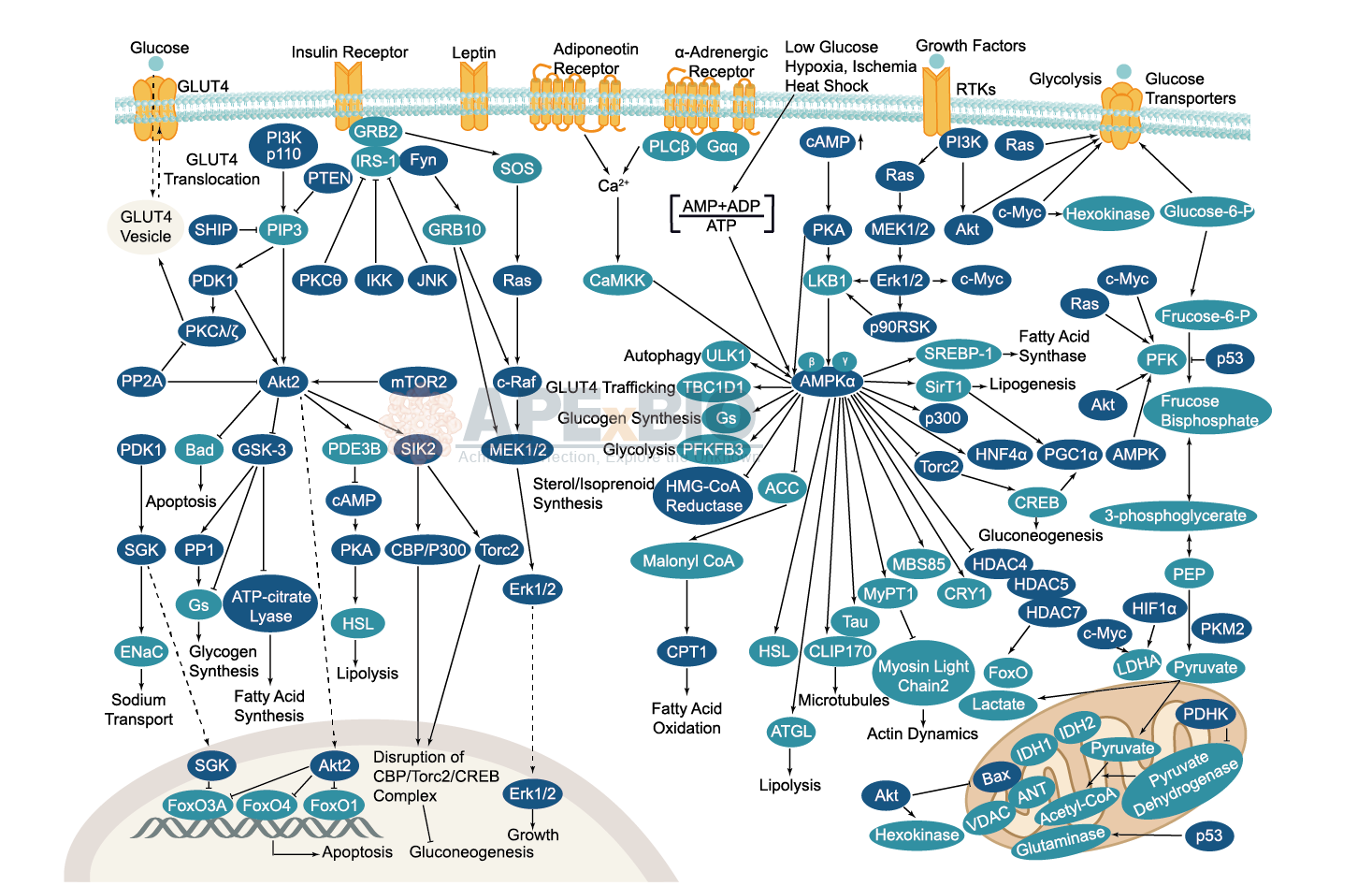
Serine/threonine kinase AMPK upregulates glucose uptake by promoting the expression and function of glucose transporters. AMPK is activated by increased AMP/ATP ratio, resulting from cellular and environmental stress, e.g. low glucose, heat shock, hypoxia and ischemia. AMPK activation positively modulates signaling transductions that refill ATP levels. Moreover, it also stimulates catabolic processes such as fatty acid oxidation and glycolysis through inhibition of ACC and activation of PFK2. AMPK negatively regulates various proteins which are important to ATP-consuming mechanisms, e.g. mTORC2, glycogen synthase, SREBP-1, and TSC2, causing the downregulation/inhibition of gluconeogenesis and glycogen, lipid and protein synthesis.
-
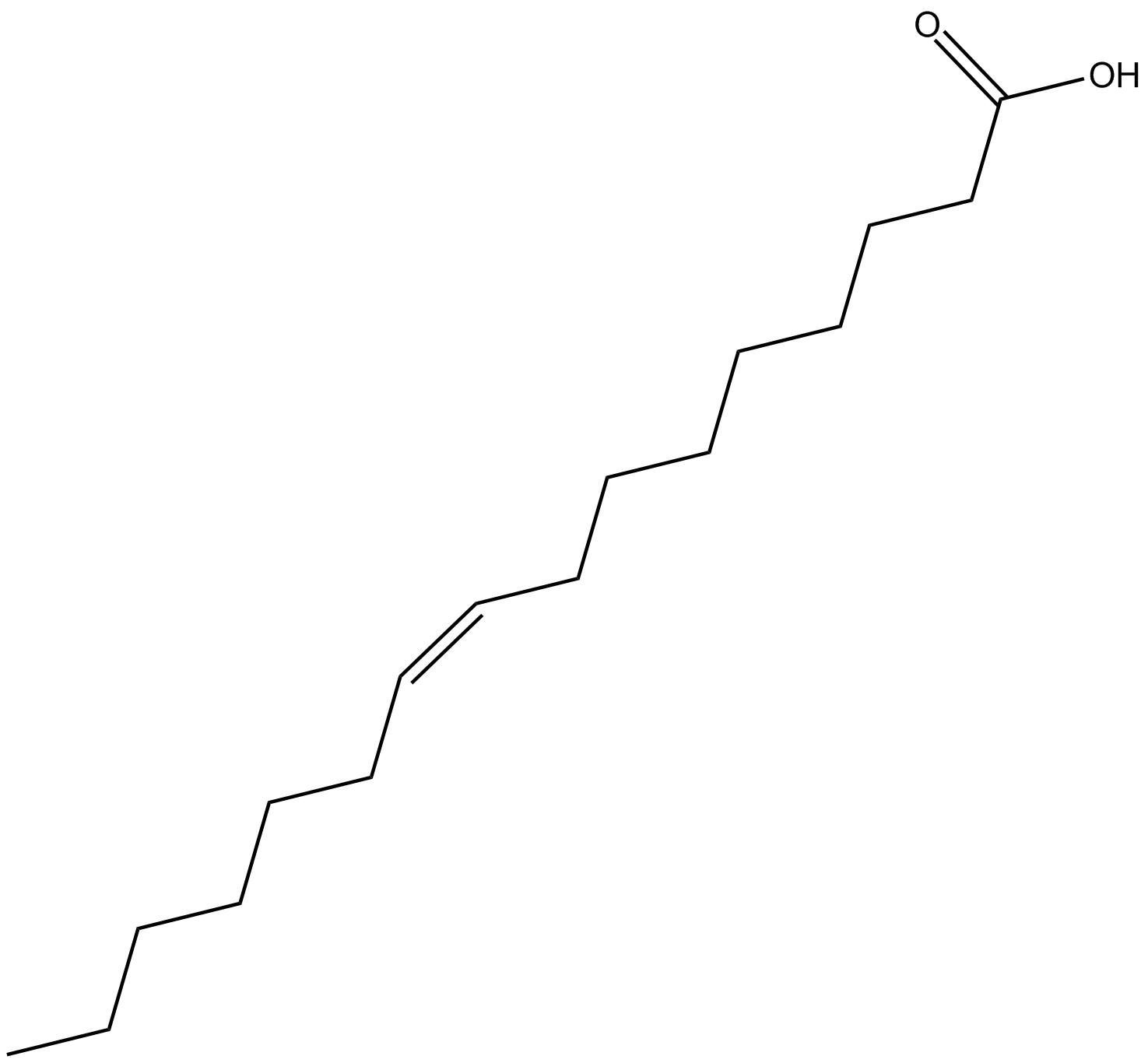 C5443 Palmitoleic AcidSummary: A long-chain fatty acid that can prevent death caused by cerebrovascular diseases.
 -
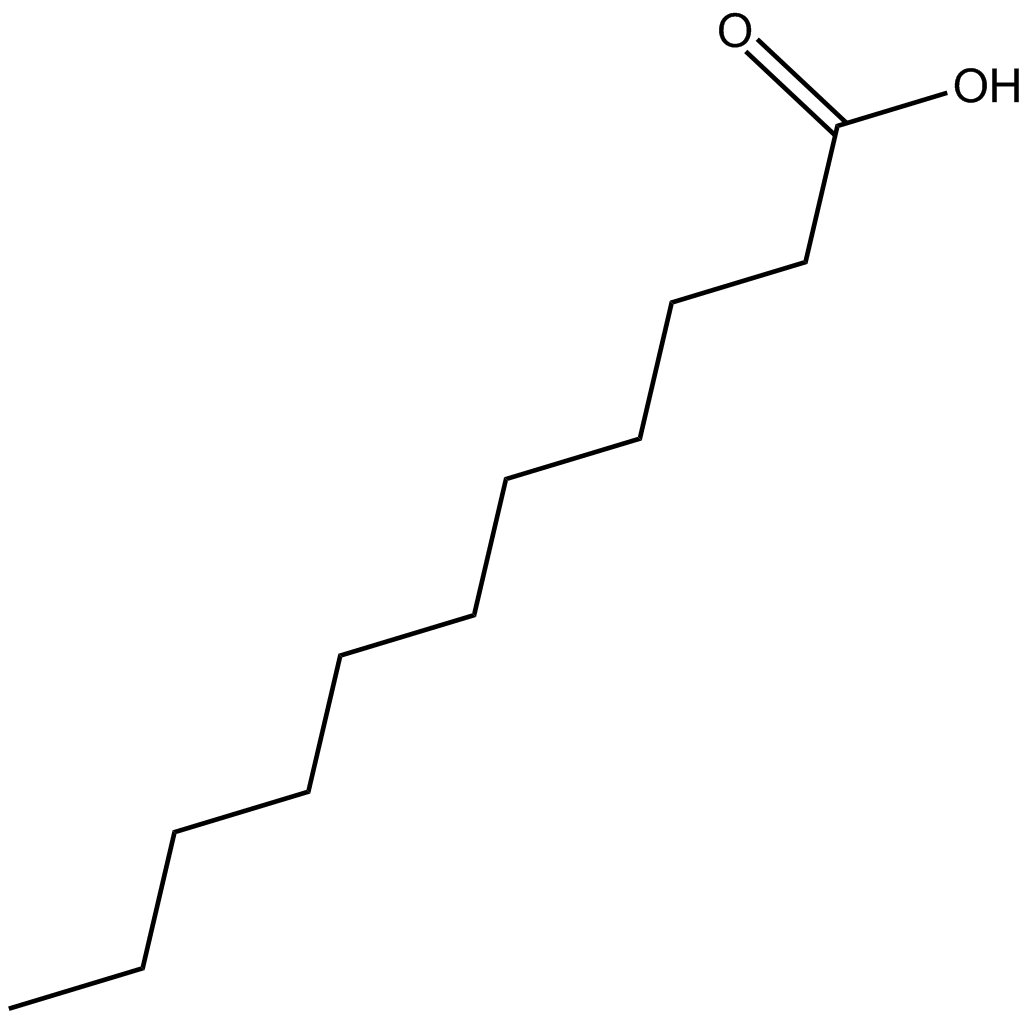 C5468 Undecanoic AcidSummary: Has antifungal activity and can inhibit fungal enzymes and phospholipid synthesis.
 -
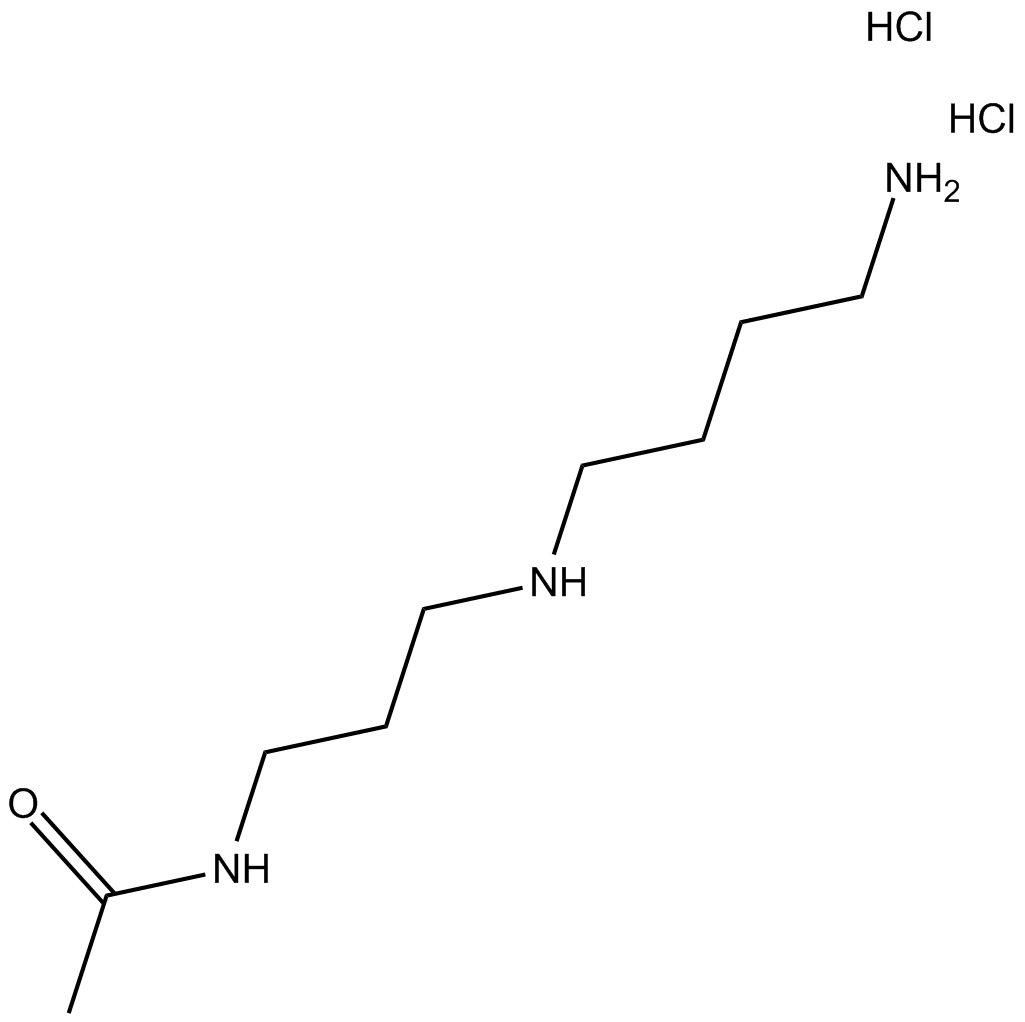 C5490 N1-Acetylspermidine (hydrochloride)Summary: A compound used for polyamine oxidase research and exploration of cancer biomarkers.
 -
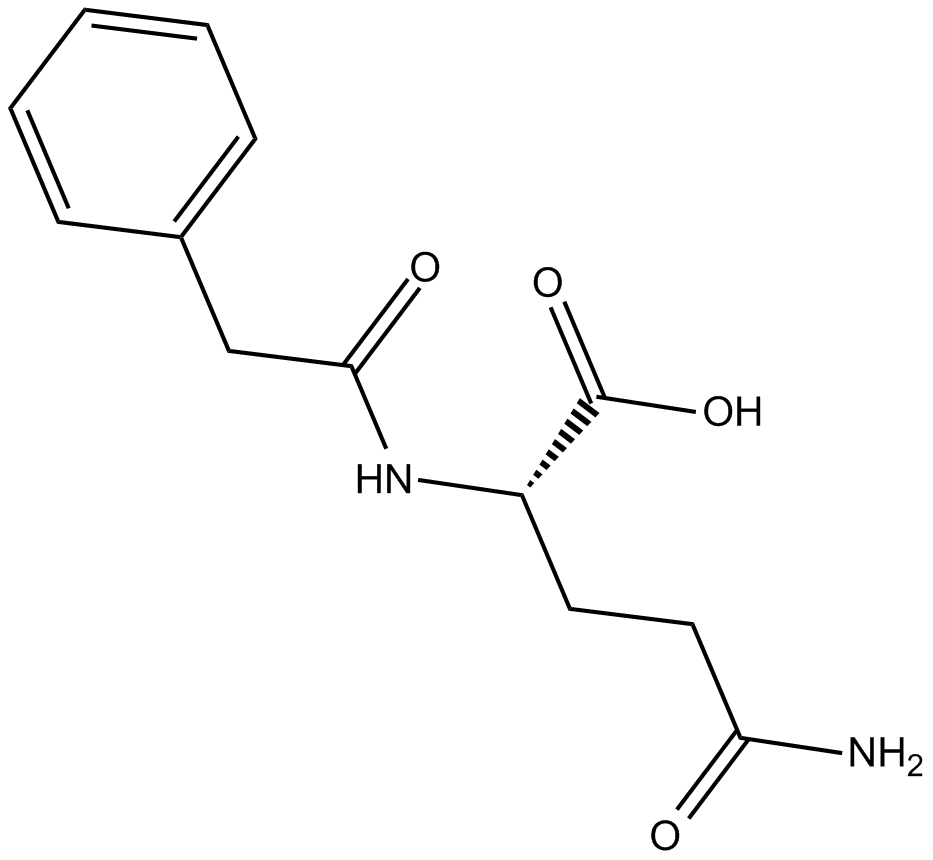 C5512 Phenylacetyl L-GlutamineSummary: The end product of phenylalanine metabolism in humans and primates
 -
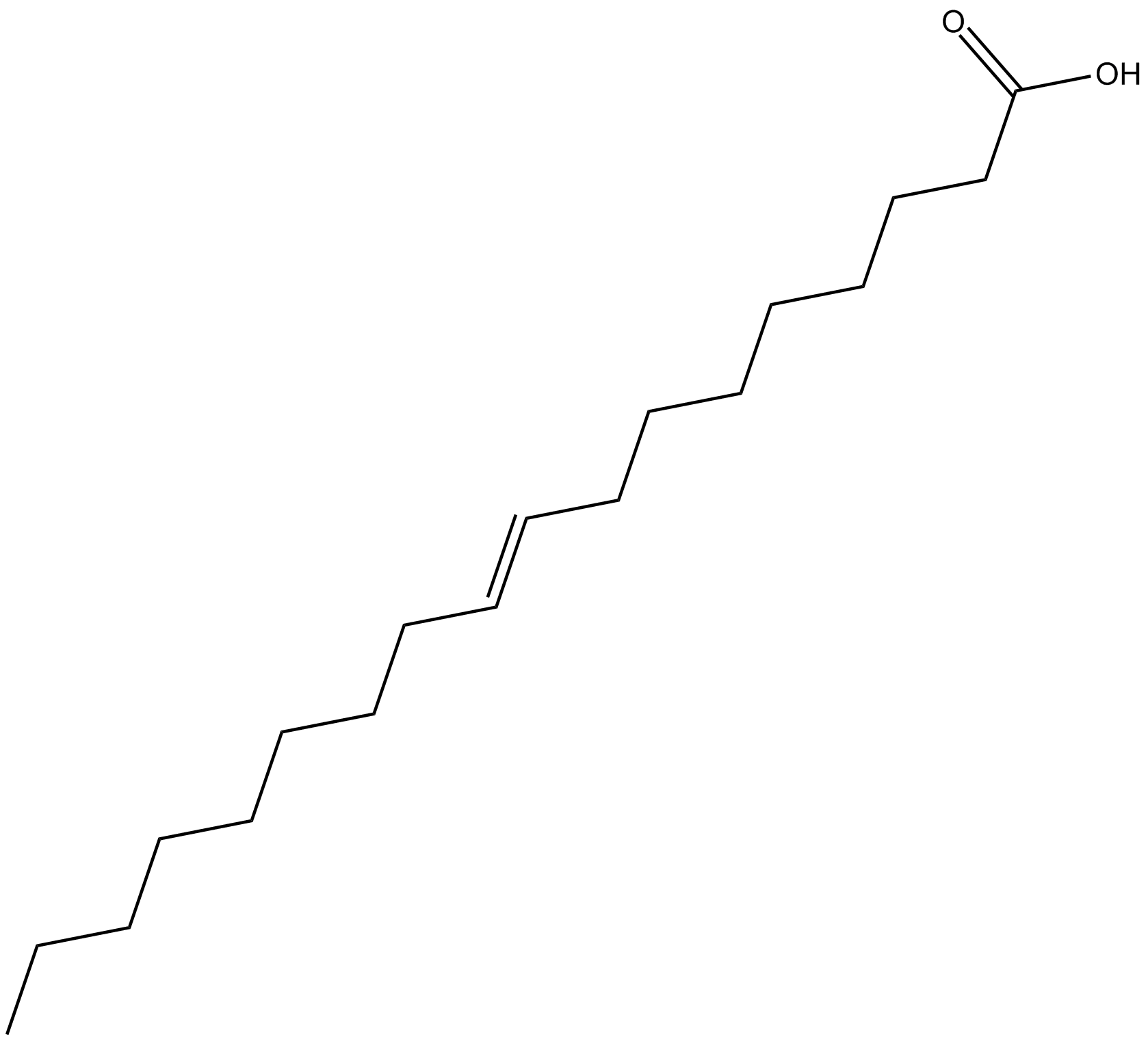 C5527 Elaidic AcidSummary: A trans fatty acid used for preparing oleates, emulsions, and pharmaceutical solvents.
 -
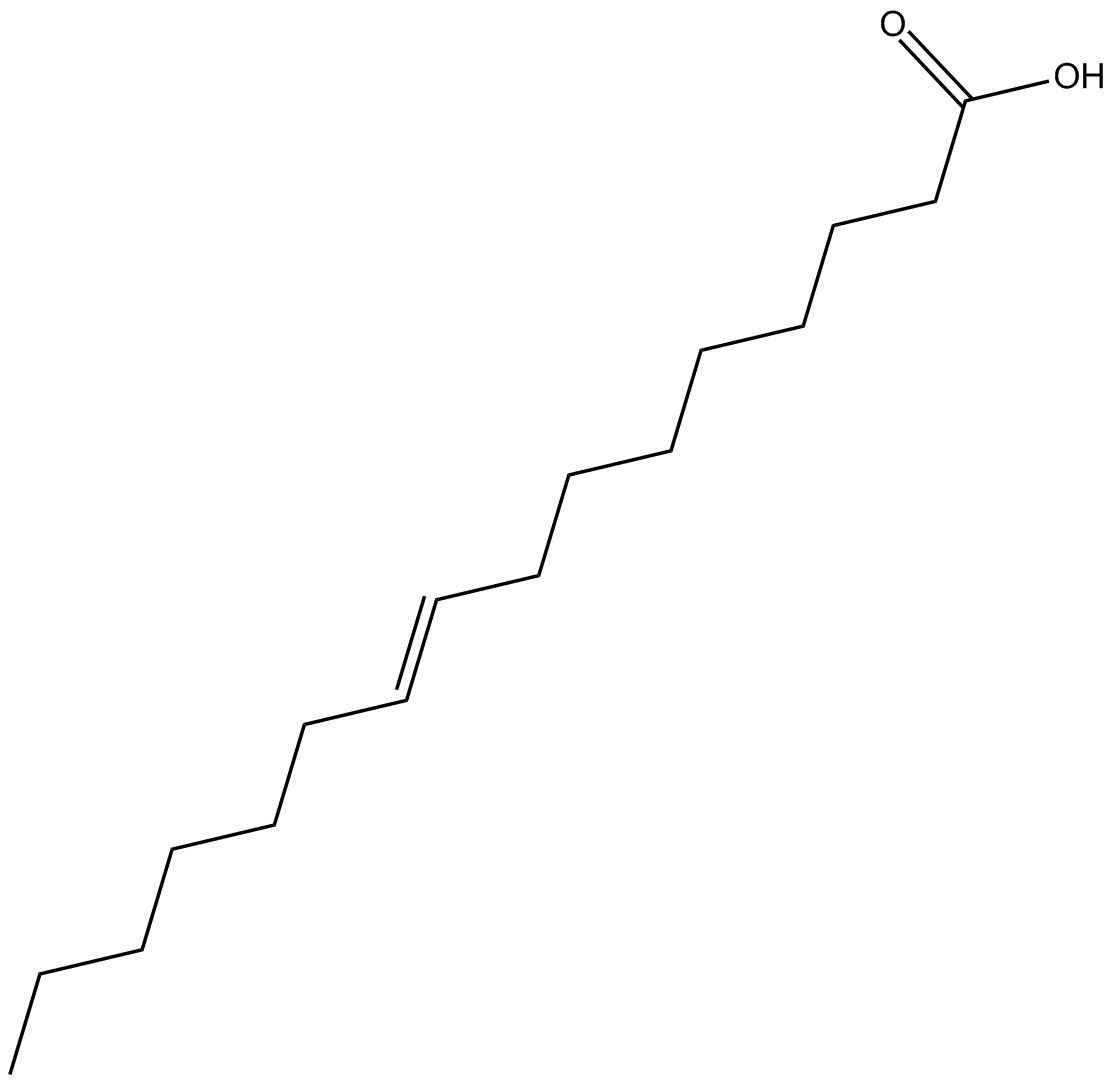 C5570 Palmitelaidic AcidSummary: A trans isomer of palmitoleic acid, used to study lipid metabolism and mechanisms of inflammatory responses.
 -
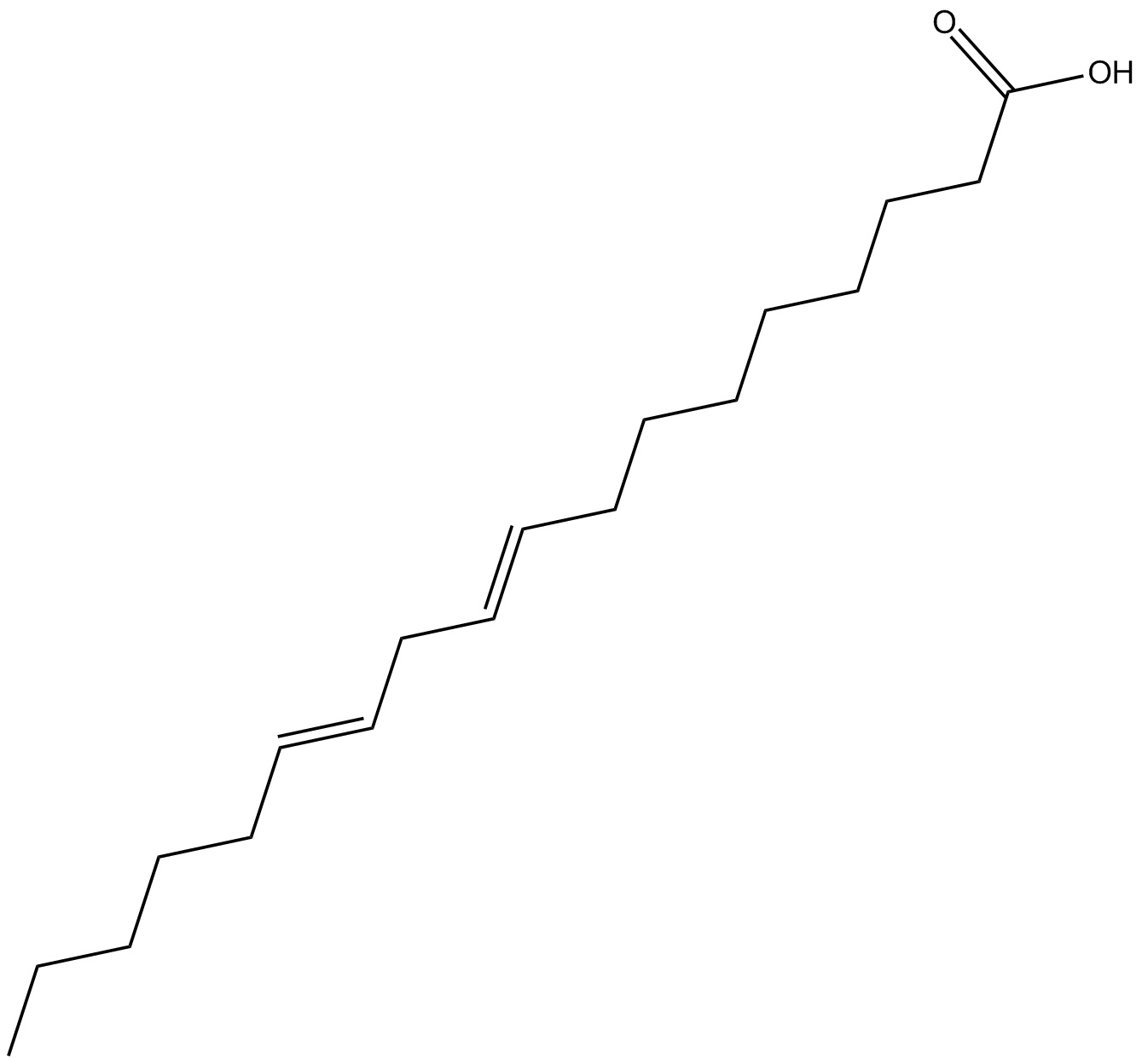 C5573 Linoelaidic AcidSummary: An essential human fatty acid with anti-inflammatory, antiparasitic, and apoptosis-inducing activity.
 -
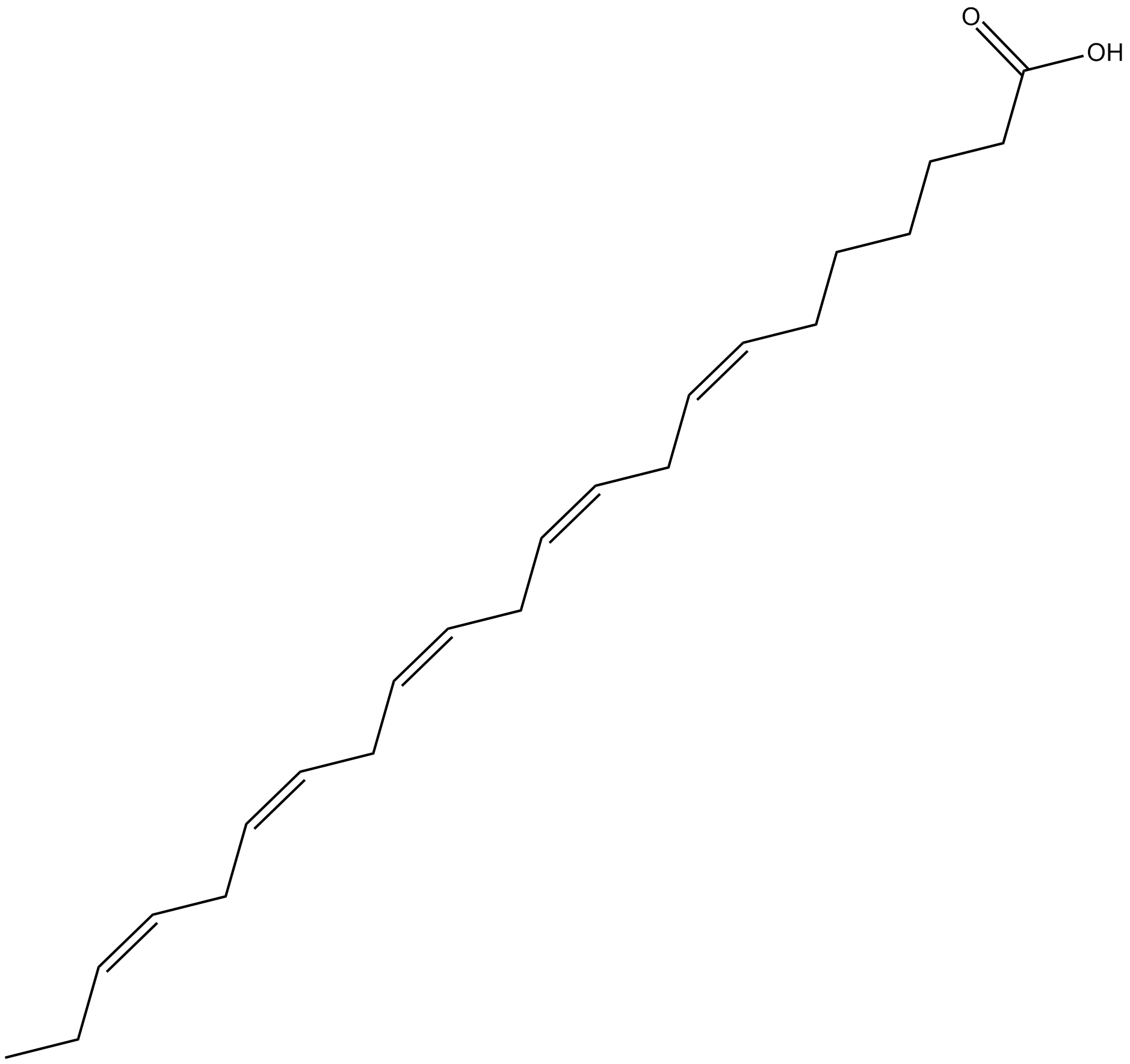 C5586 Docosapentaenoic AcidSummary: Widely present in animal cell membranes, involved in lipid metabolism and inflammation regulation.
 -
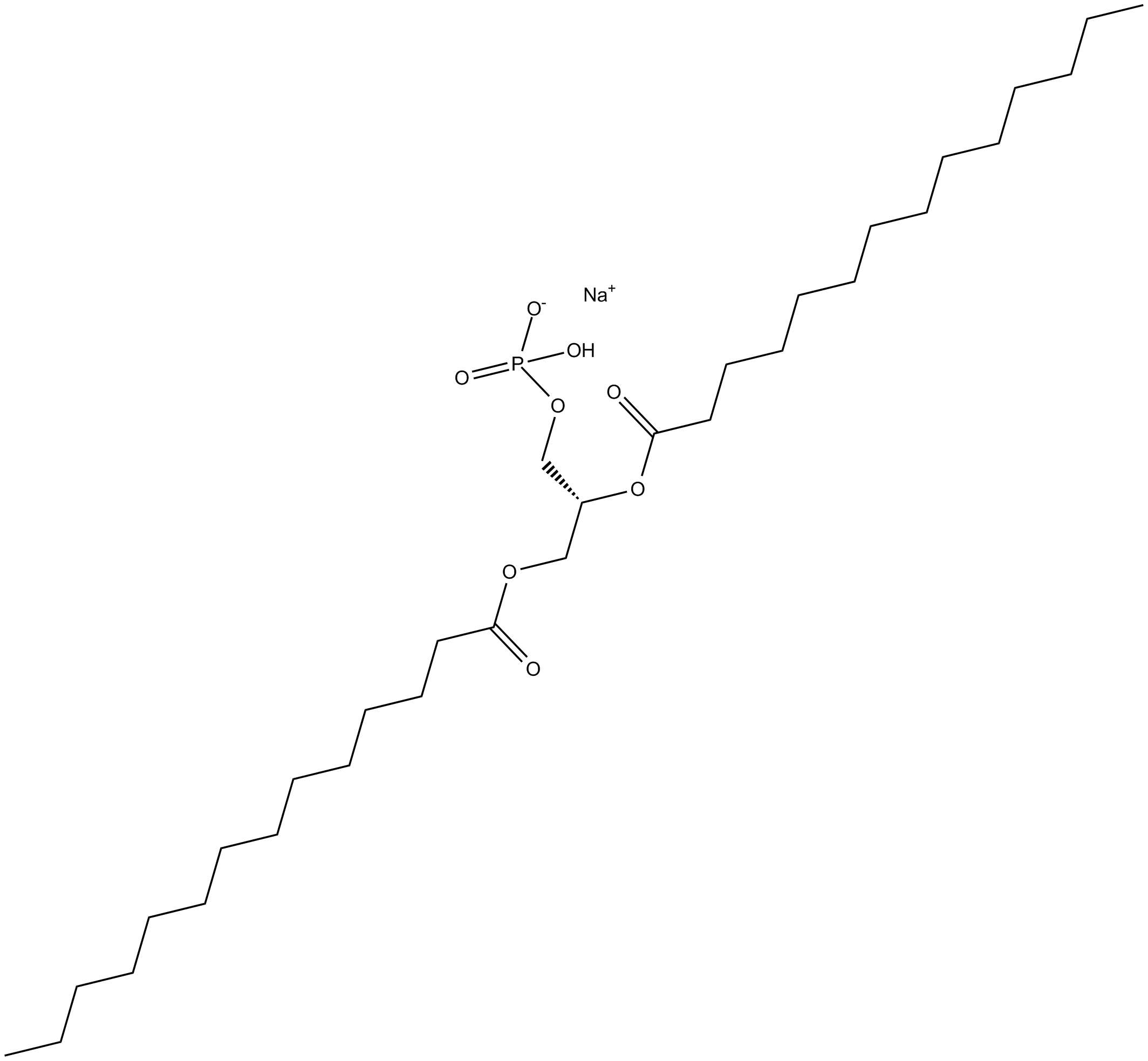 C5595 1,2-Dimyristoyl-sn-glycero-3-phosphate (sodium salt)Summary: A phospholipid used for liposome preparation and cell membrane model research.
 -
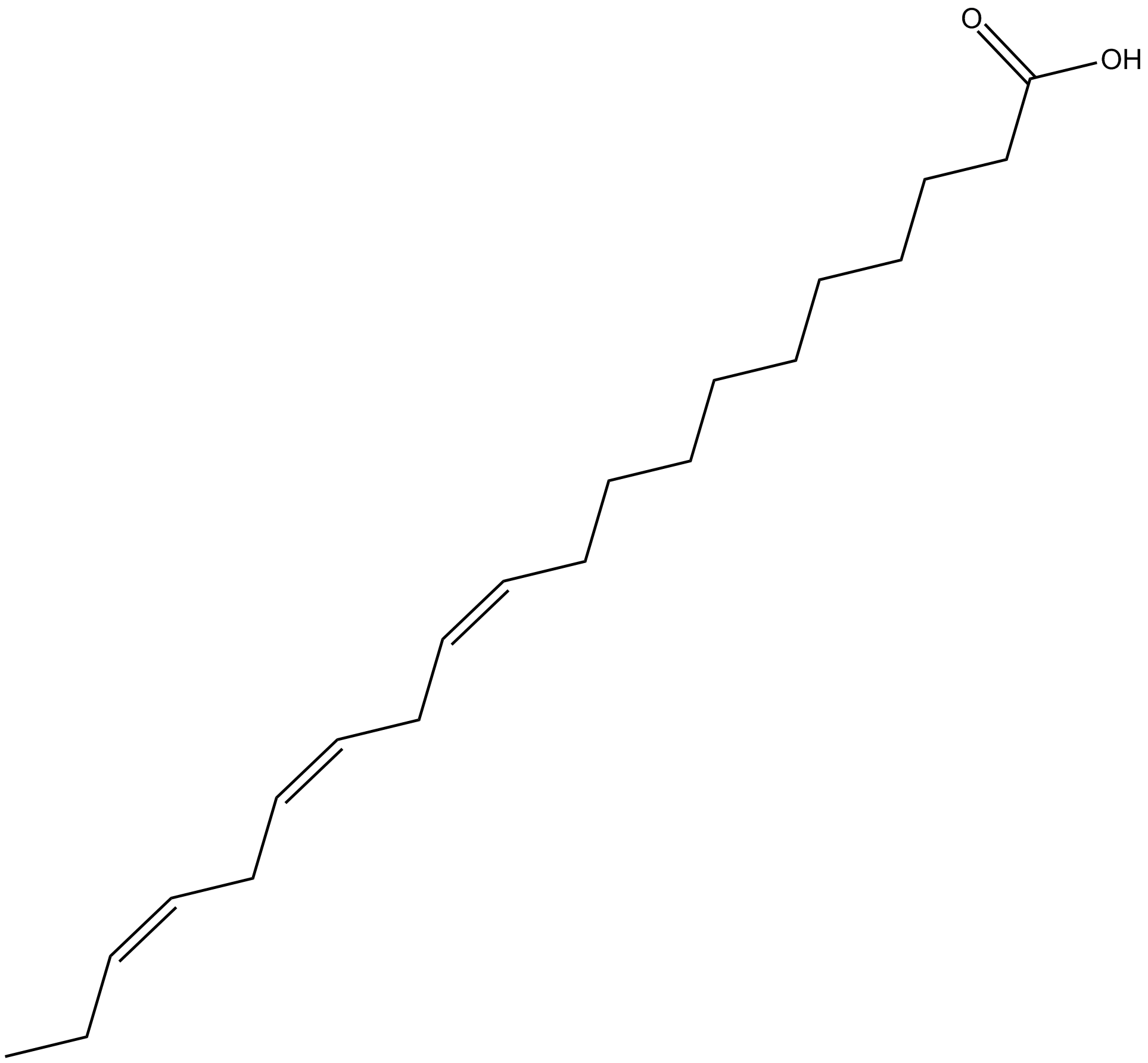 C5602 11(Z),14(Z),17(Z)-Eicosatrienoic AcidSummary: An unsaturated fatty acid that helps maintain the continuous replication of mitochondrial function in yeast.