N1-Acetylspermidine (hydrochloride)
N1-Acetylspermidine (hydrochloride) (CAS No.: 34450-16-3) is an acetylated derivative of the endogenous polyamine spermidine that functions as a substrate for polyamine oxidase (PAO), positioning it as a valuable tool compound for investigating polyamine metabolism and its role in cellular homeostasis. Within peroxisomal pathways, PAO-mediated oxidation of N1-acetylspermidine generates metabolites such as putrescine, a cationic polyamine involved in DNA binding, cell proliferation, differentiation, and membrane stability, thereby linking this compound to fundamental processes in cell biology and cancer research. Experimental evidence indicates that N1-acetylspermidine can selectively elevate intracellular levels of acetylated polyamines in colorectal cancer cells and has been explored as a biomarker-related molecule and mechanistic probe in oncology studies. In addition, it exhibits measurable activity at apurinic/apyrimidinic sites in DNA, where it can facilitate phosphodiester bond cleavage, supporting its use in studies of DNA damage and repair mechanisms as well as polyamine–DNA interactions. In vitro, its biological effects are typically observed in the micromolar concentration range, with context-dependent modulation of apoptosis, particularly when combined with polyphenolic compounds such as procyanidins. N1-Acetylspermidine (hydrochloride) is widely applied in cell-based assays, enzymatic studies of PAO activity, and exploratory drug discovery workflows aimed at targeting polyamine metabolism, with experimental concentrations tailored to specific cellular models and research objectives.
| Physical Appearance | A solid |
| Storage | -20°C |
| M.Wt | 260.2 |
| Cas No. | 34450-16-3 |
| Formula | C9H23Cl2N3O |
| Synonyms | N 1 -AcSPD |
| Solubility | ≥25 mg/mL in DMSO; ≥7.6 mg/mL in EtOH with ultrasonic; ≥22.8 mg/mL in H2O |
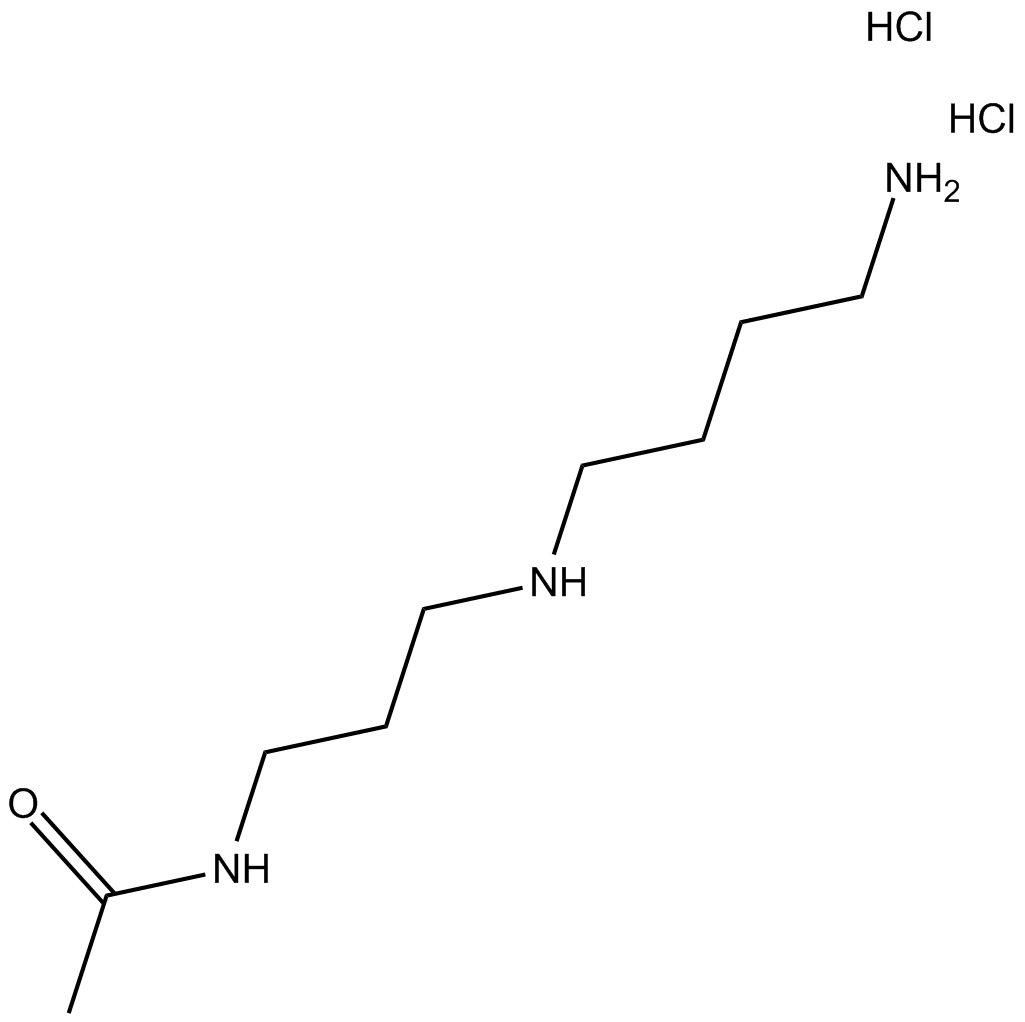
| Chemical Name | N-(3-((4-aminobutyl)amino)propyl)acetamide dihydrochloride |
| Canonical SMILES | CC(NCCCNCCCCN)=O.Cl.Cl |
| Shipping Condition | Small Molecules with Blue Ice, Modified Nucleotides with Dry Ice. |
| General tips | We do not recommend long-term storage for the solution, please use it up soon. |
Quality Control & MSDS
- View current batch:
-
Purity = 98.00%
- COA (Certificate Of Analysis)
- MSDS (Material Safety Data Sheet)
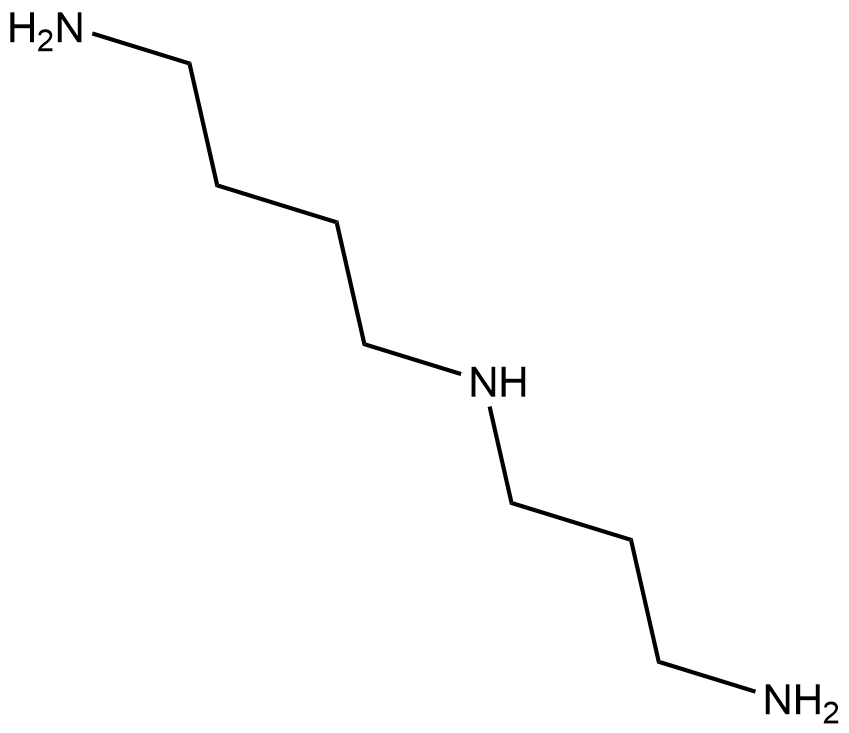
Chemical structure