


Metabolism
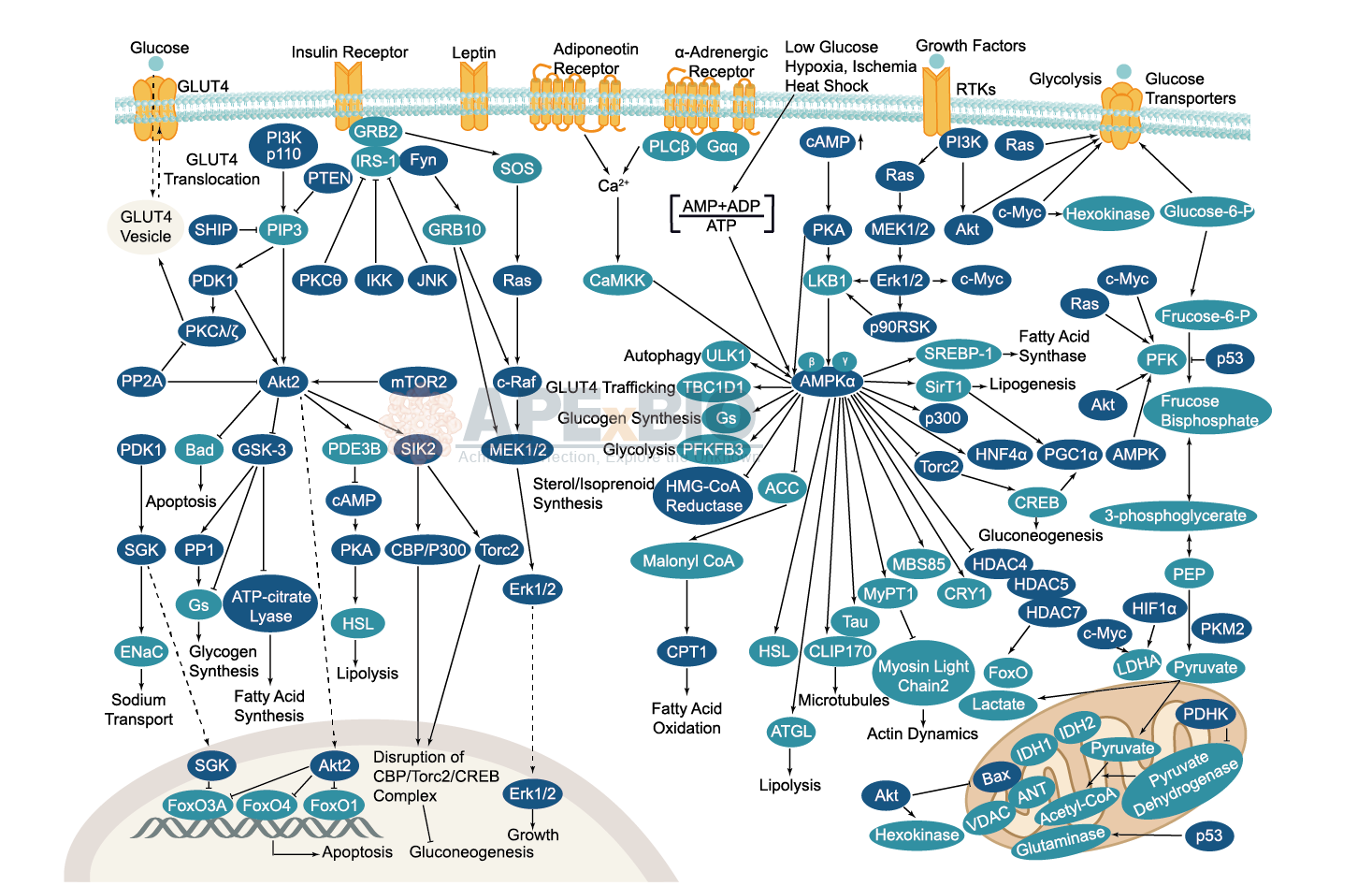
Serine/threonine kinase AMPK upregulates glucose uptake by promoting the expression and function of glucose transporters. AMPK is activated by increased AMP/ATP ratio, resulting from cellular and environmental stress, e.g. low glucose, heat shock, hypoxia and ischemia. AMPK activation positively modulates signaling transductions that refill ATP levels. Moreover, it also stimulates catabolic processes such as fatty acid oxidation and glycolysis through inhibition of ACC and activation of PFK2. AMPK negatively regulates various proteins which are important to ATP-consuming mechanisms, e.g. mTORC2, glycogen synthase, SREBP-1, and TSC2, causing the downregulation/inhibition of gluconeogenesis and glycogen, lipid and protein synthesis.
-
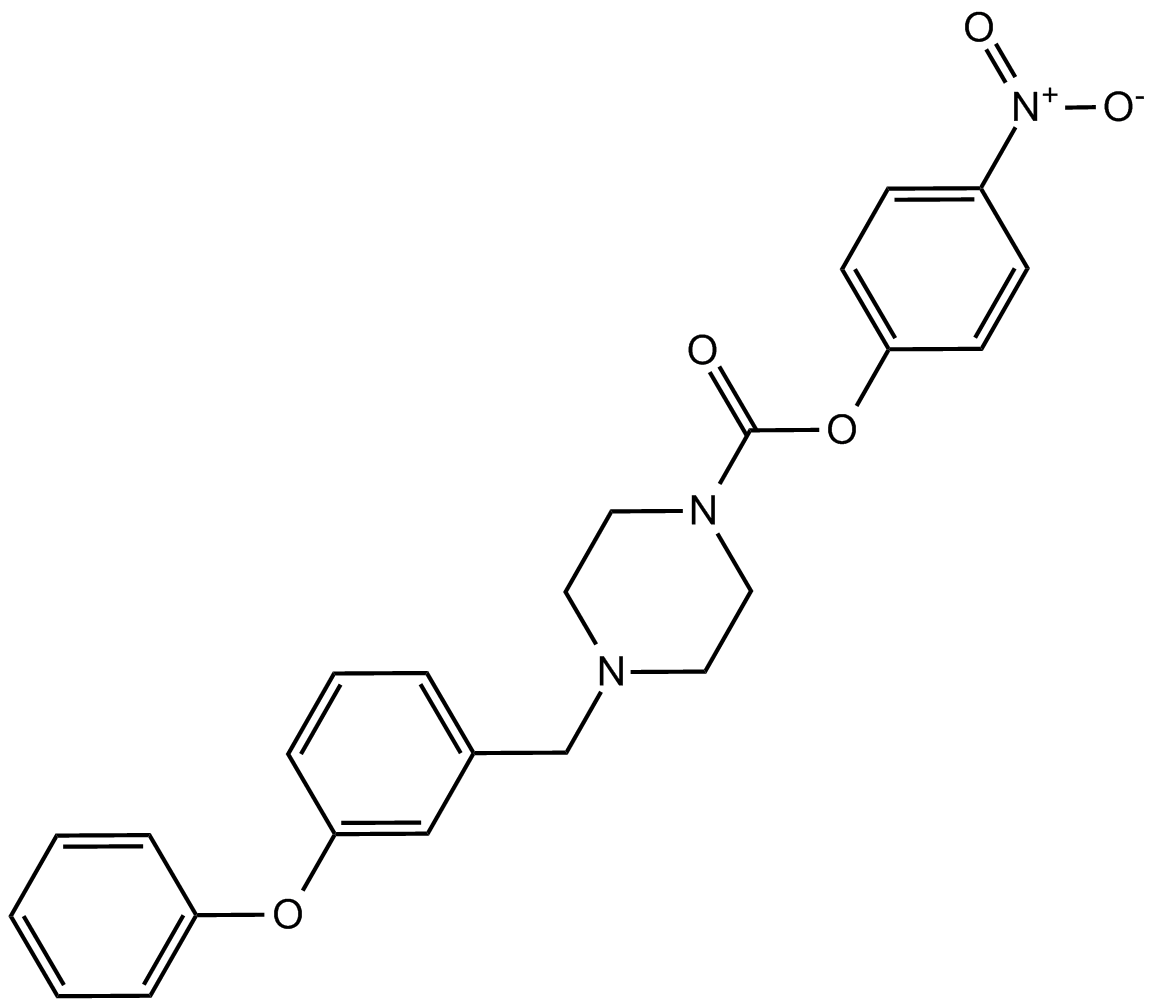 B7701 JZL 195Summary: Dual inhibitor of fatty acid amide hydrolase (FAAH) and monoacylglycerol lipase (MAGL)
 -
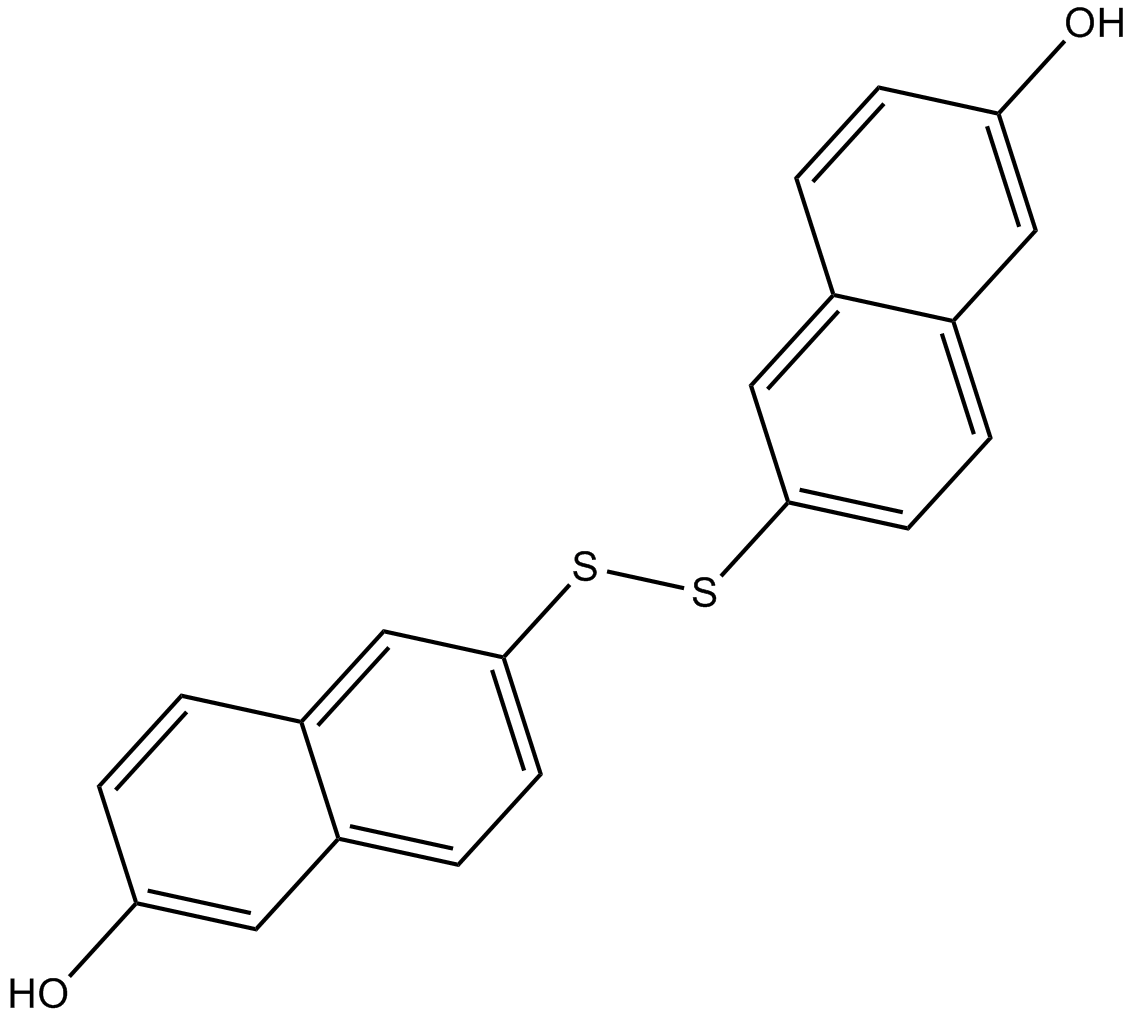 B5541 PIR 3.5Summary: negative control of IPA 3, a Pak1 inhibitor
 -
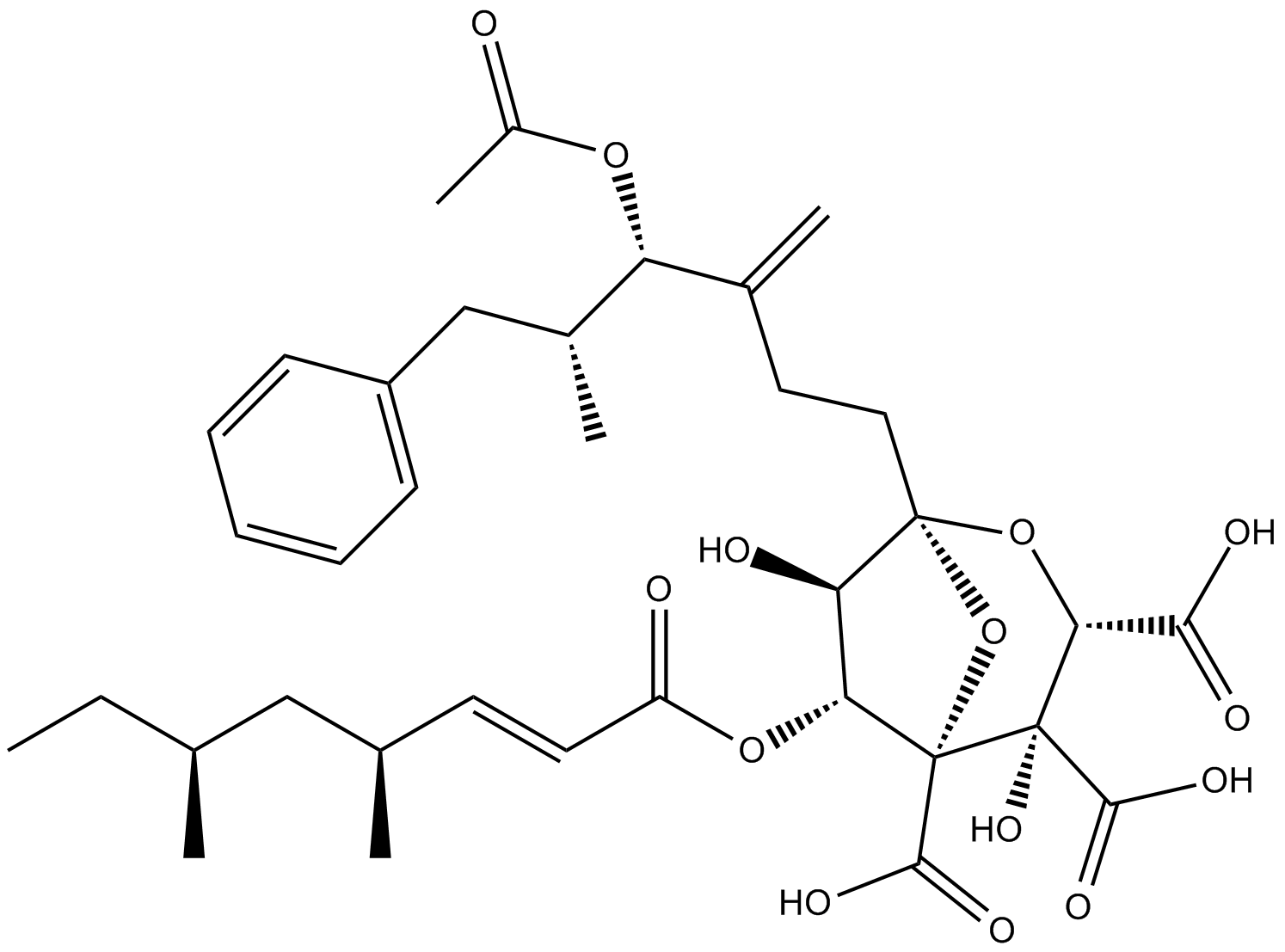 A1624 Zaragozic Acid ASummary: rat liver squalene synthase inhibitor
 -
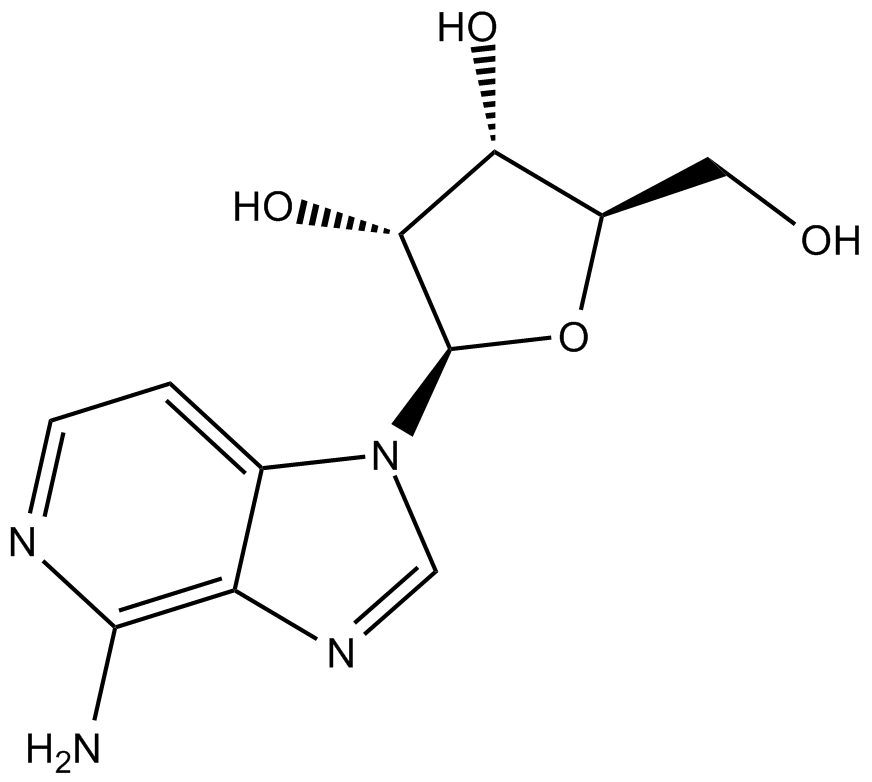 B6121 3-Deazaadenosine8 CitationTarget: S-adenosylhomocysteine hydrolaseSummary: S-Adenosylhomocysteine (SAH) hydrolase inhibitor
 -
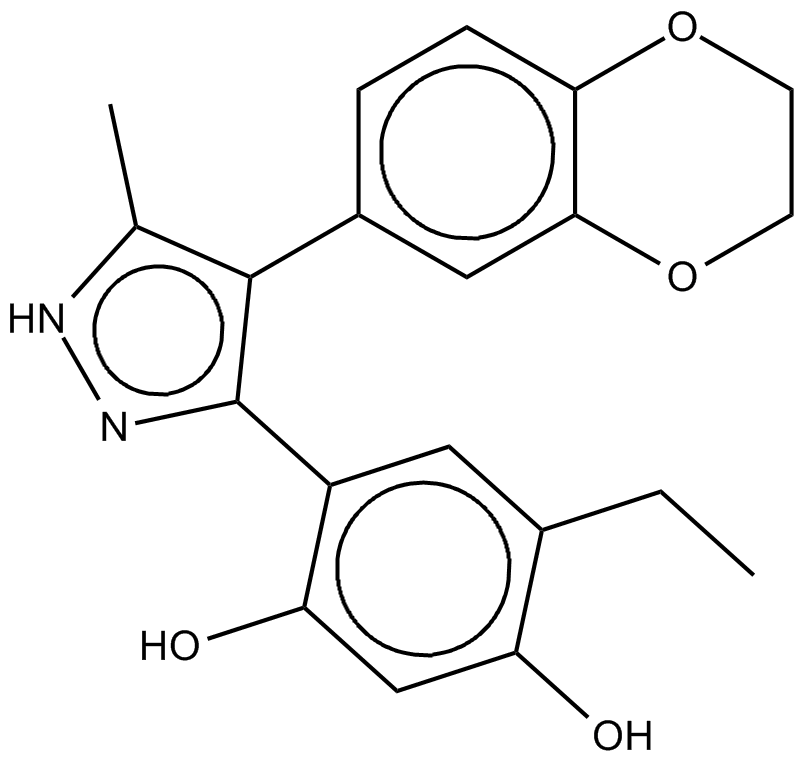 C3212 CCT018159Summary: inhibitor of the ATPase activity of Hsp90
 -
 BA2775 α-NETASummary: Alpha-NETA is a potent, noncompetitive inhibitor of choline acetyltransferase.
 -
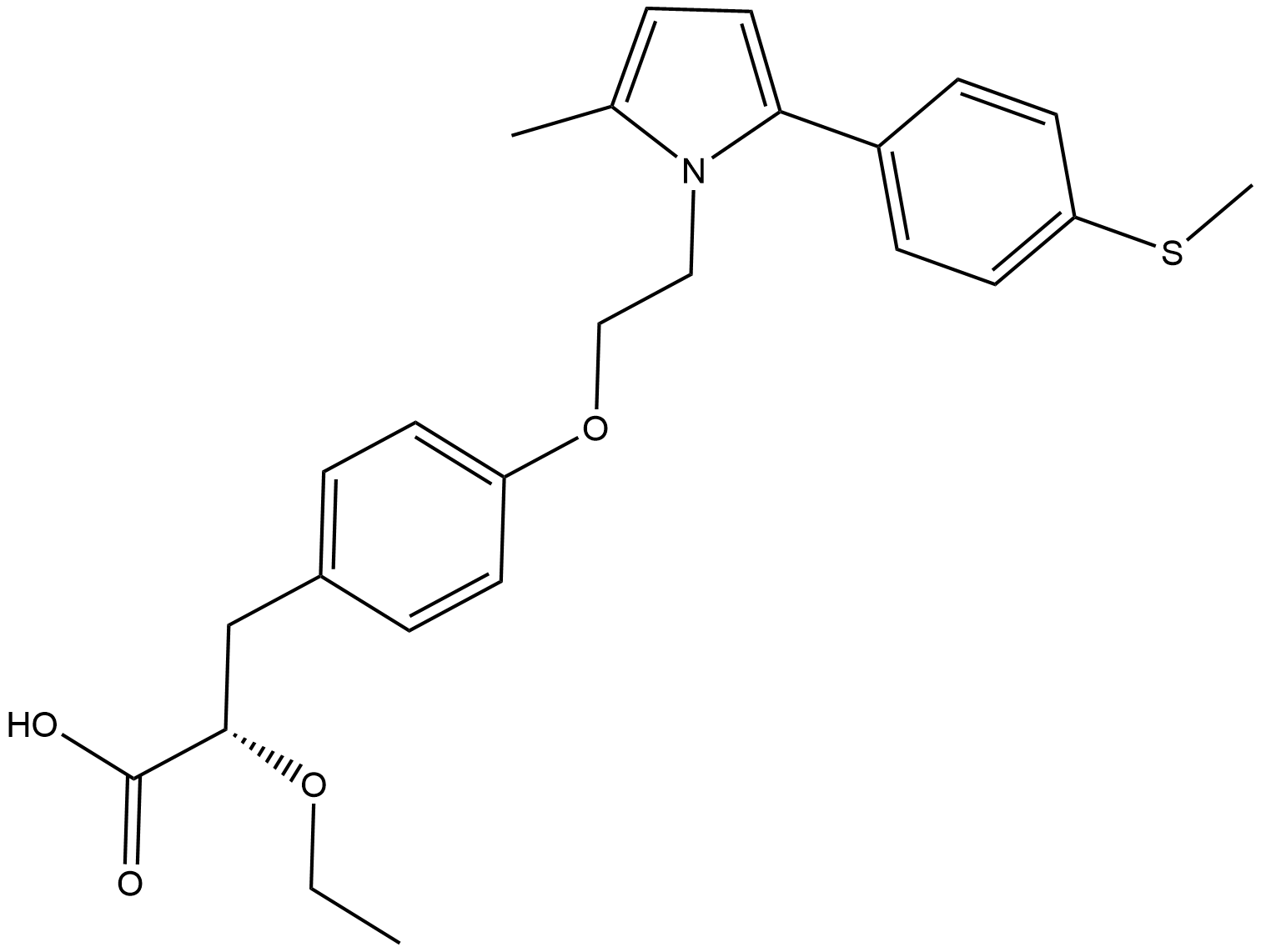 BA4432 SaroglitazarSummary: Saroglitazar is a novel agonist of peroxisome proliferator-activated receptors.
 -
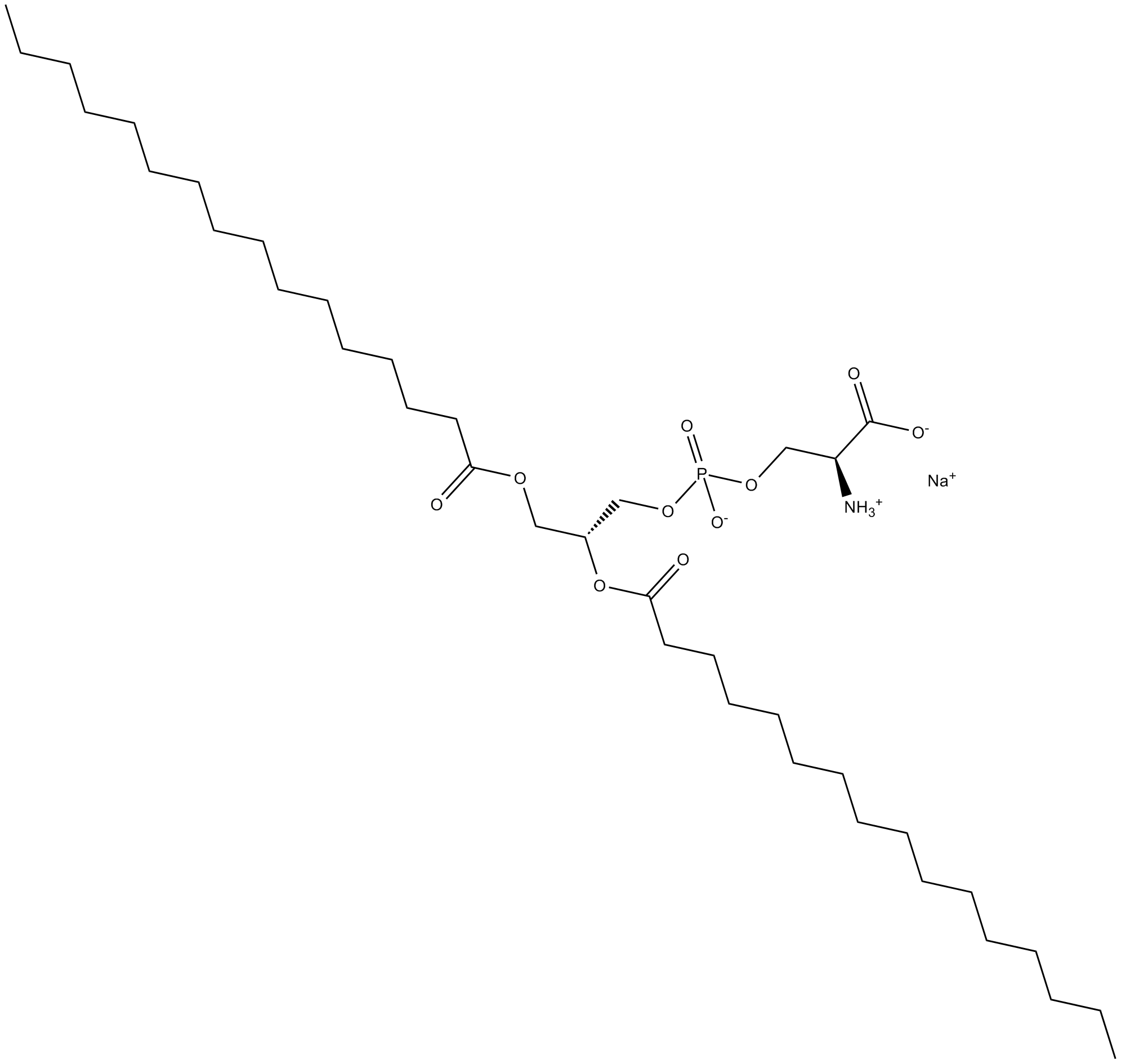 C4177 1,2-Dipalmitoyl-sn-glycero-3-PS (sodium salt)Summary: An anionic phospholipid used for preparing cationic vesicles and liposomes.
 -
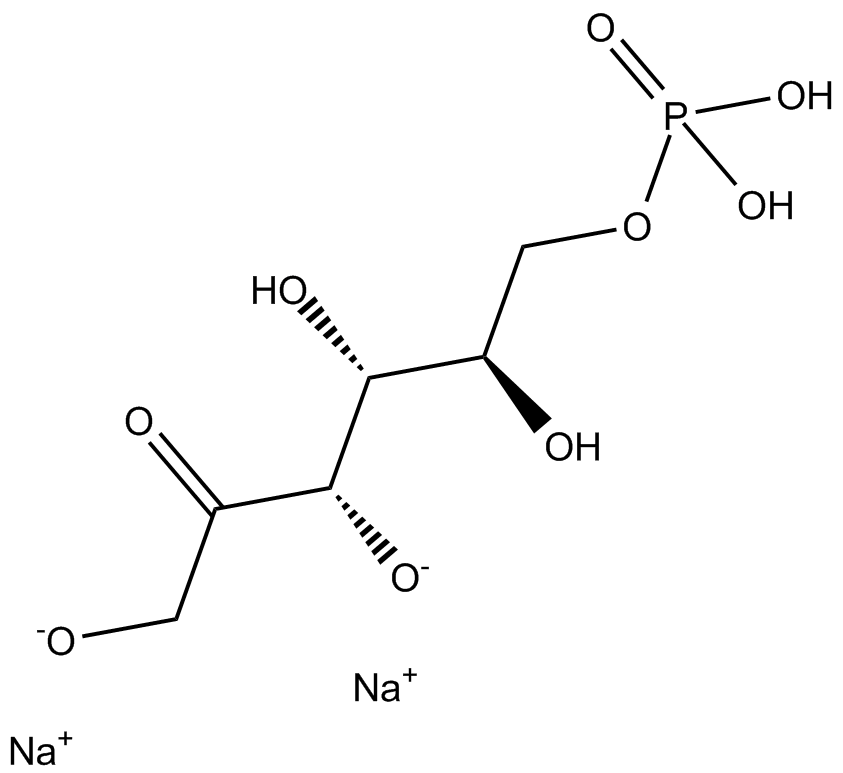 C4918 D-Fructose-6-phosphate (sodium salt)Summary: Carbohydrate metabolism intermediates in glycolysis and the pentose phosphate pathway.
 -
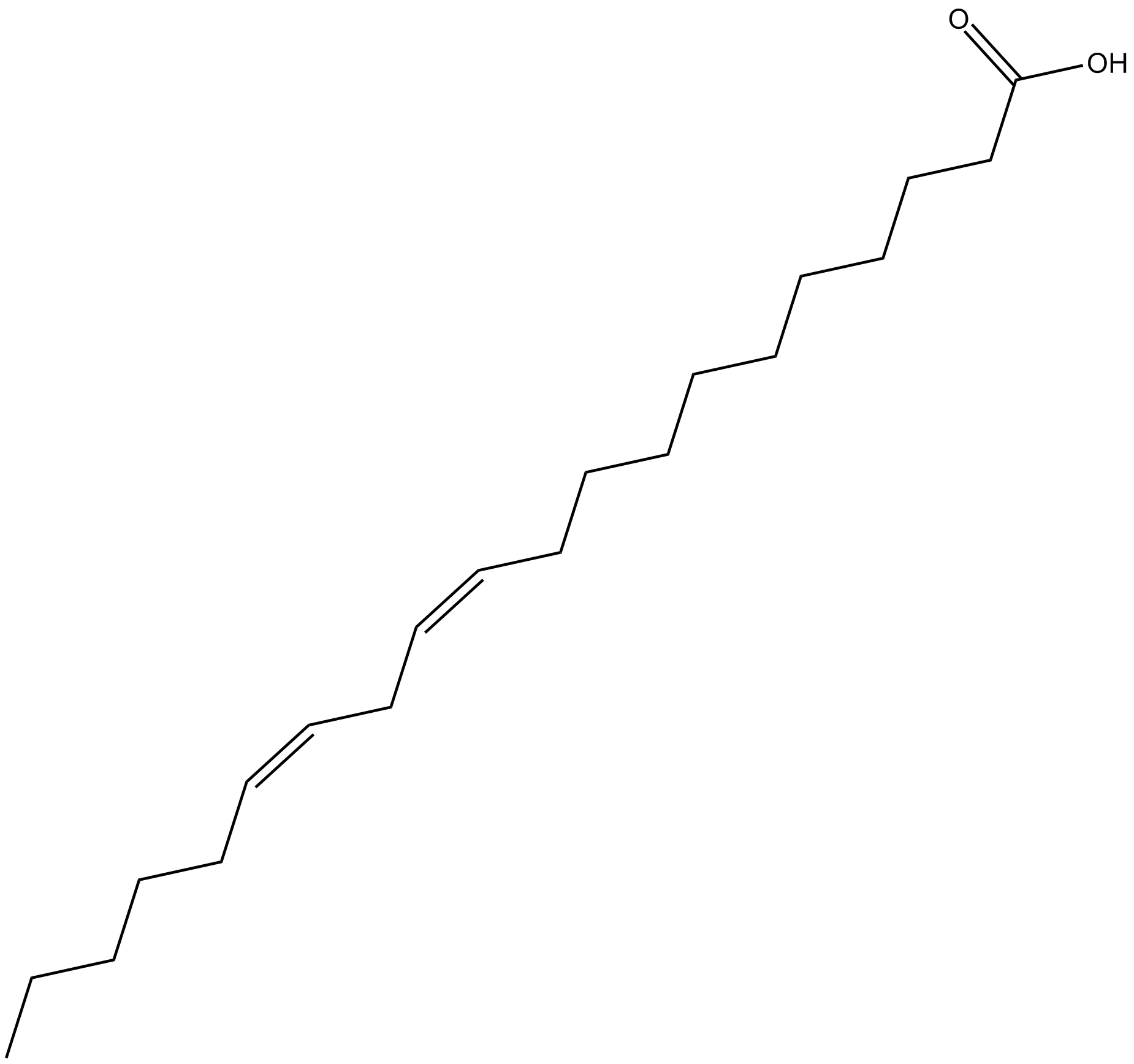 C5529 11(Z),14(Z)-Eicosadienoic AcidSummary: A naturally occurring n-6 polyunsaturated fatty acid involved in lipid metabolism and inflammatory regulation.