


Metabolism
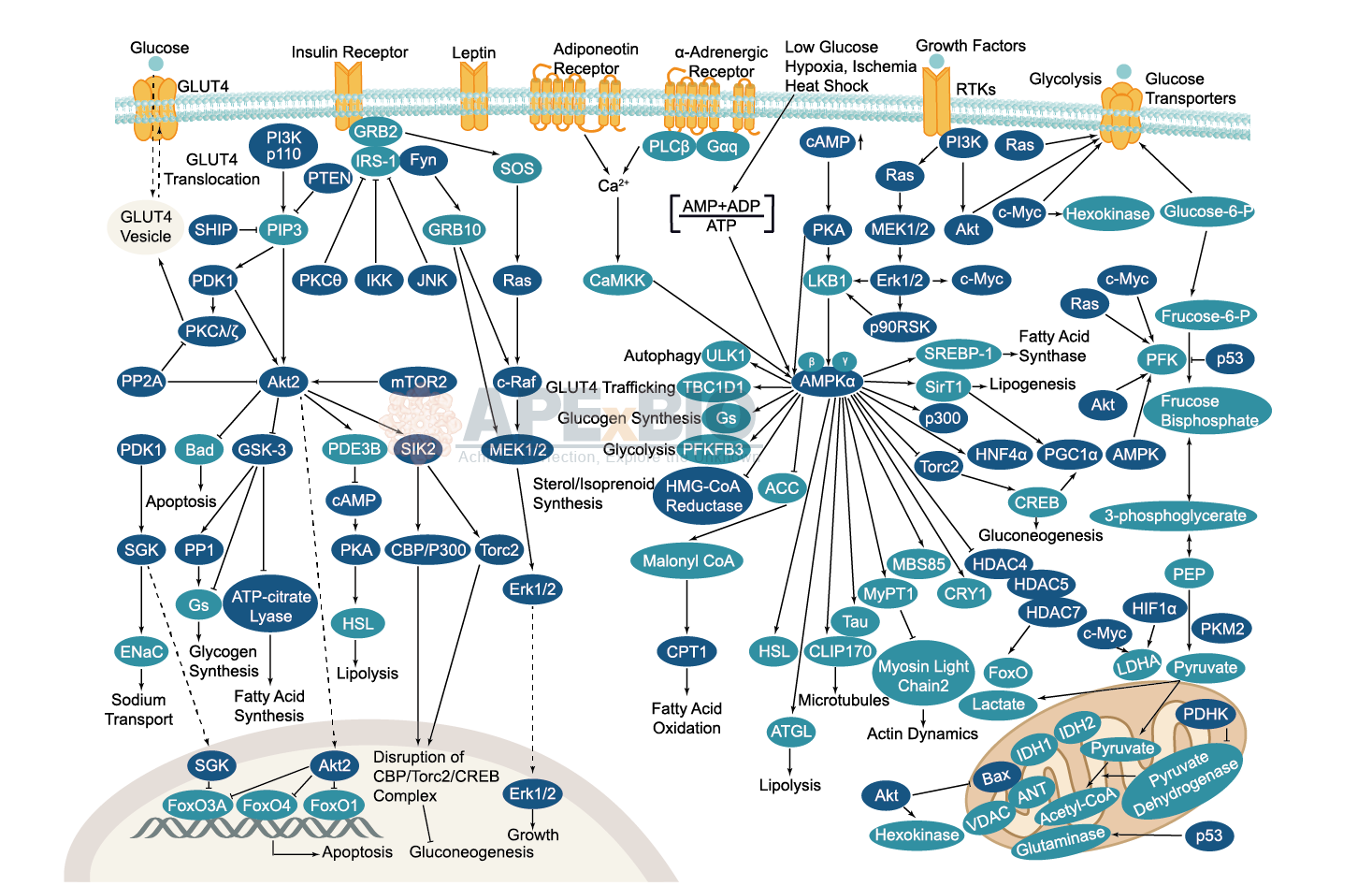
Serine/threonine kinase AMPK upregulates glucose uptake by promoting the expression and function of glucose transporters. AMPK is activated by increased AMP/ATP ratio, resulting from cellular and environmental stress, e.g. low glucose, heat shock, hypoxia and ischemia. AMPK activation positively modulates signaling transductions that refill ATP levels. Moreover, it also stimulates catabolic processes such as fatty acid oxidation and glycolysis through inhibition of ACC and activation of PFK2. AMPK negatively regulates various proteins which are important to ATP-consuming mechanisms, e.g. mTORC2, glycogen synthase, SREBP-1, and TSC2, causing the downregulation/inhibition of gluconeogenesis and glycogen, lipid and protein synthesis.
-
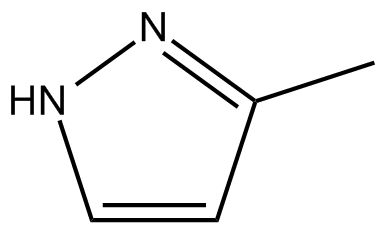 C7113 3-MethylpyrazoleSummary: A selective inhibitor of microbial ammonia oxidation for soil nitrification
 -
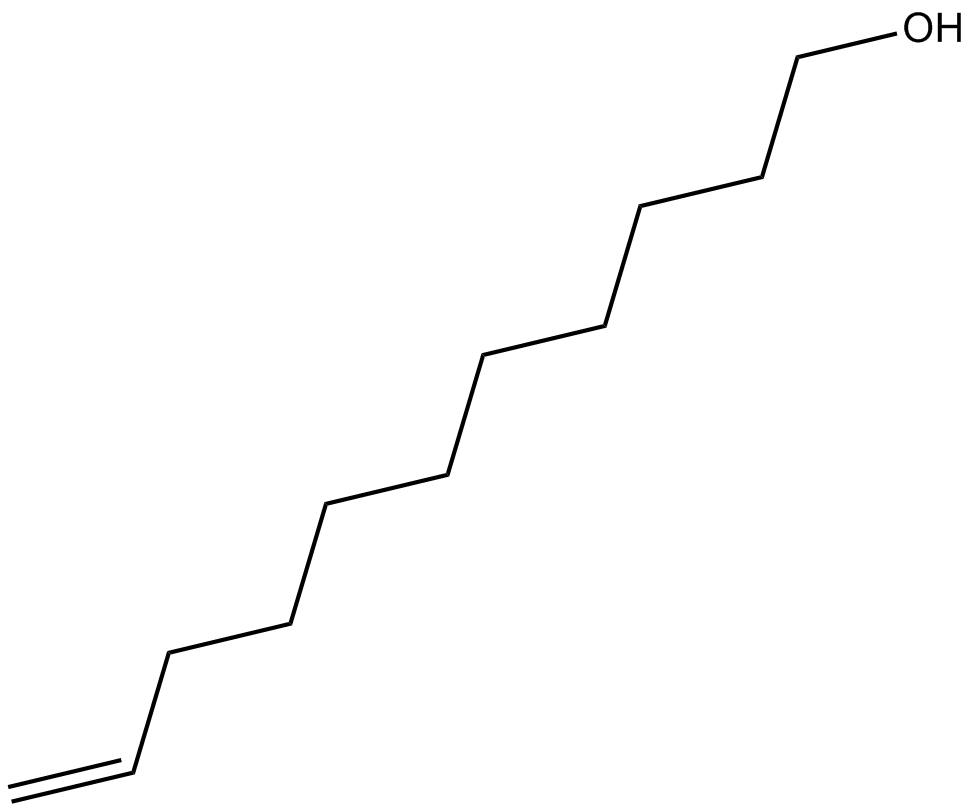 C7156 10-Undecen-1-olSummary: A comonomer precursor molecule that modulates cellular signaling
 -
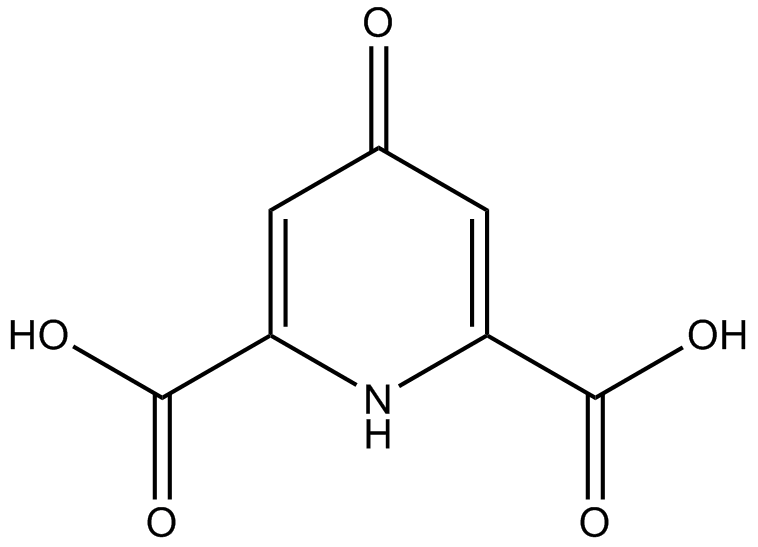 C7196 Chelidamic acidSummary: A heterocyclic carboxylic acid that chelates metal ions and selectively inhibits glutamate decarboxylase
 -
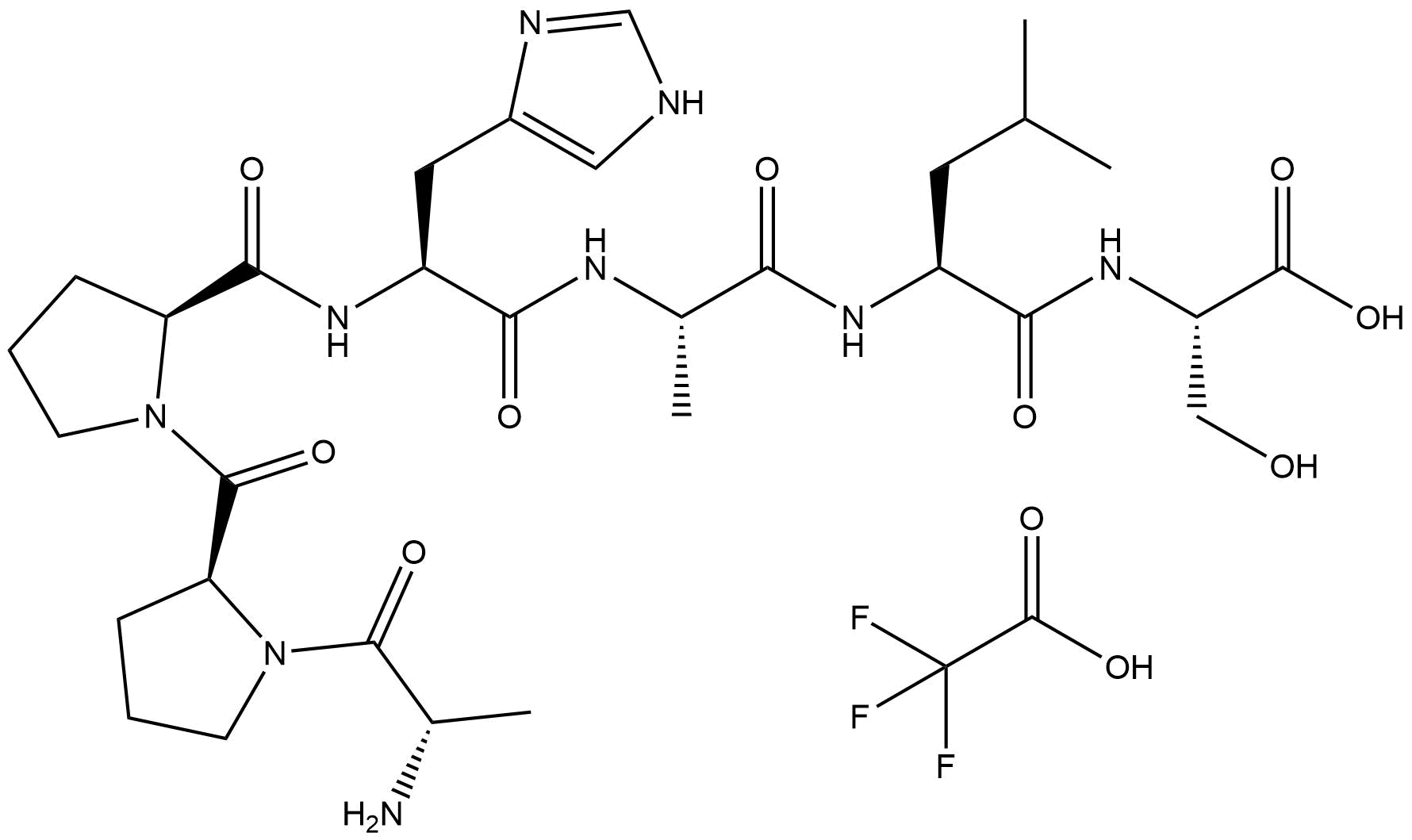 B8796 RS 09 TFA
 -
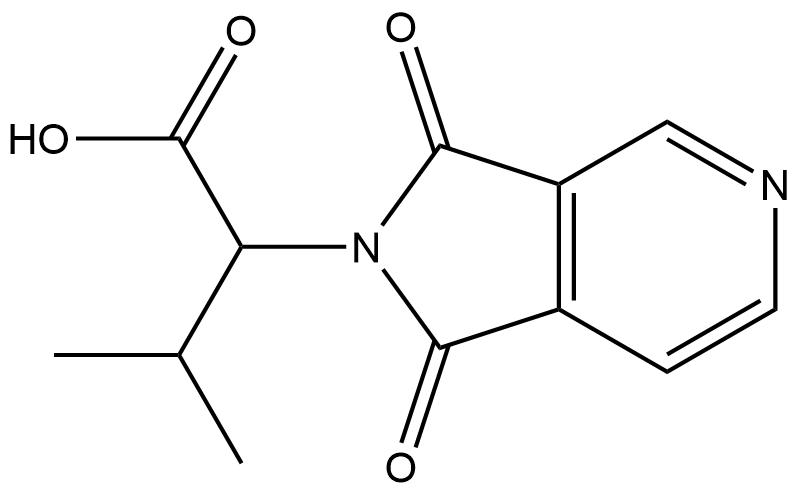 B8902 TXNIP-IN-1Summary: An inhibitor that disrupts the TXNIP–thioredoxin (TRX) interaction for redox signaling and oxidative stress
 -
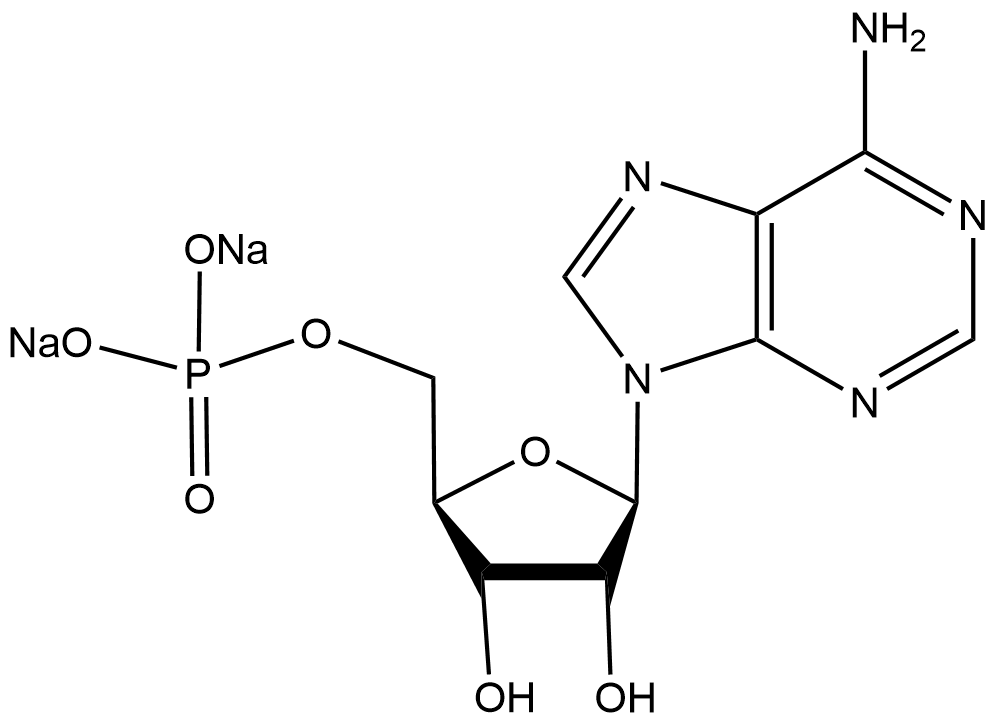 B8905 Adenosine 5'-monophosphate disodiumSummary: A reagent for ATP metabolism and cellular physiological activities
 -
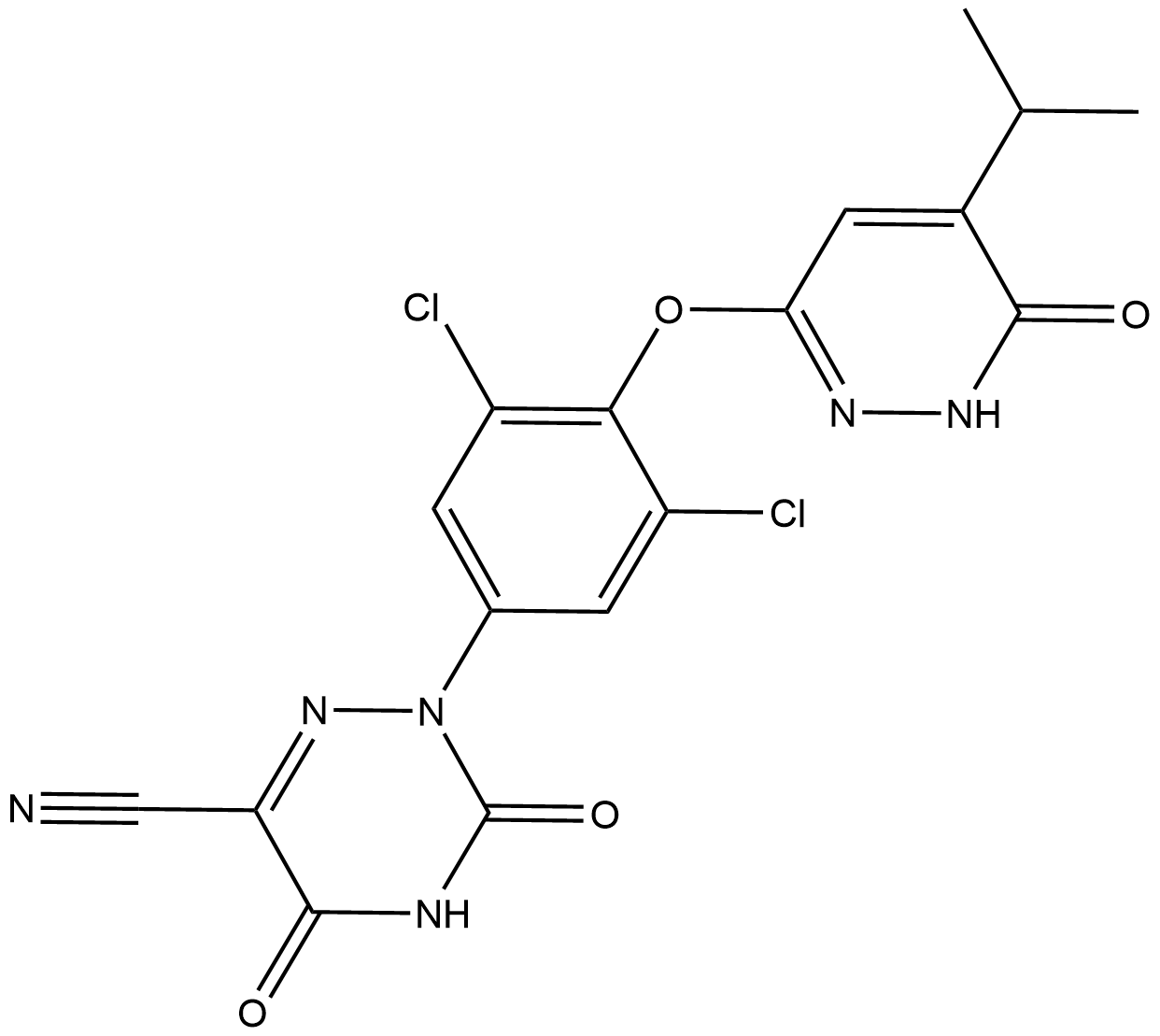 B8918 ResmetiromSummary: An agonist of TRβ
 -
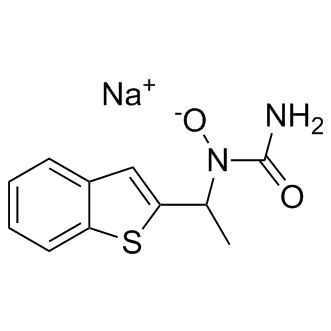 B1207 Zileuton sodiumSummary: 5-lipoxygenase and leukotrienes inhibitor
 -
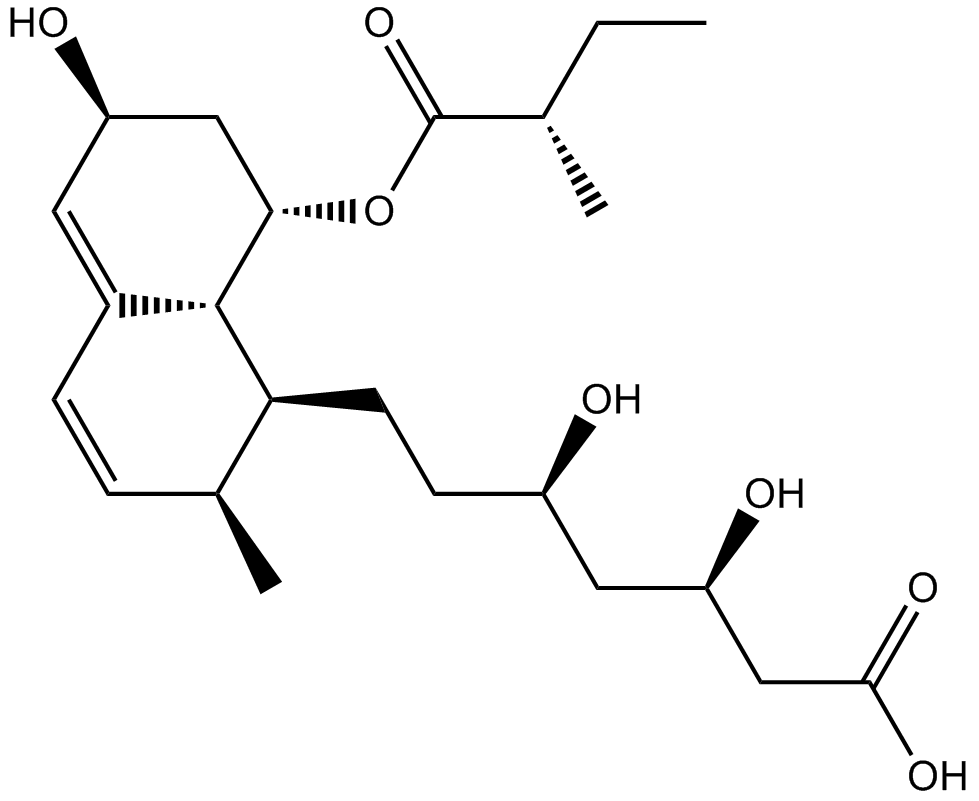 B1125 PravastatinSummary: HMG-CoA reductase inhibitor against sterol synthesis
 -
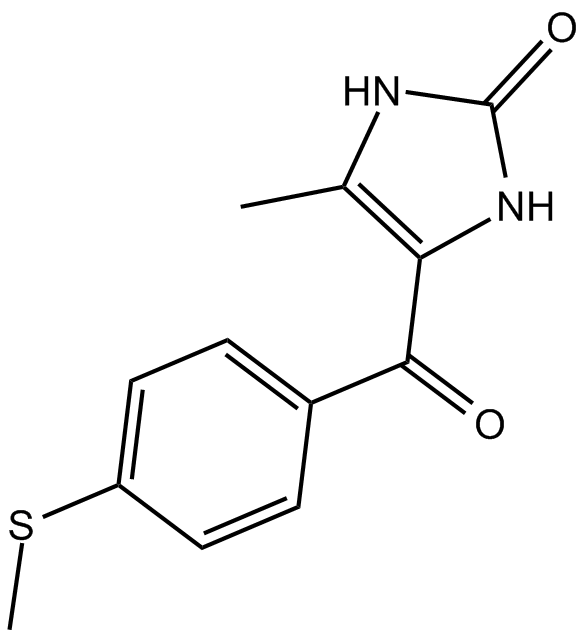 B6833 EnoximoneSummary: type III phosphodiesterase (PDE3) inhibitor