


Metabolism
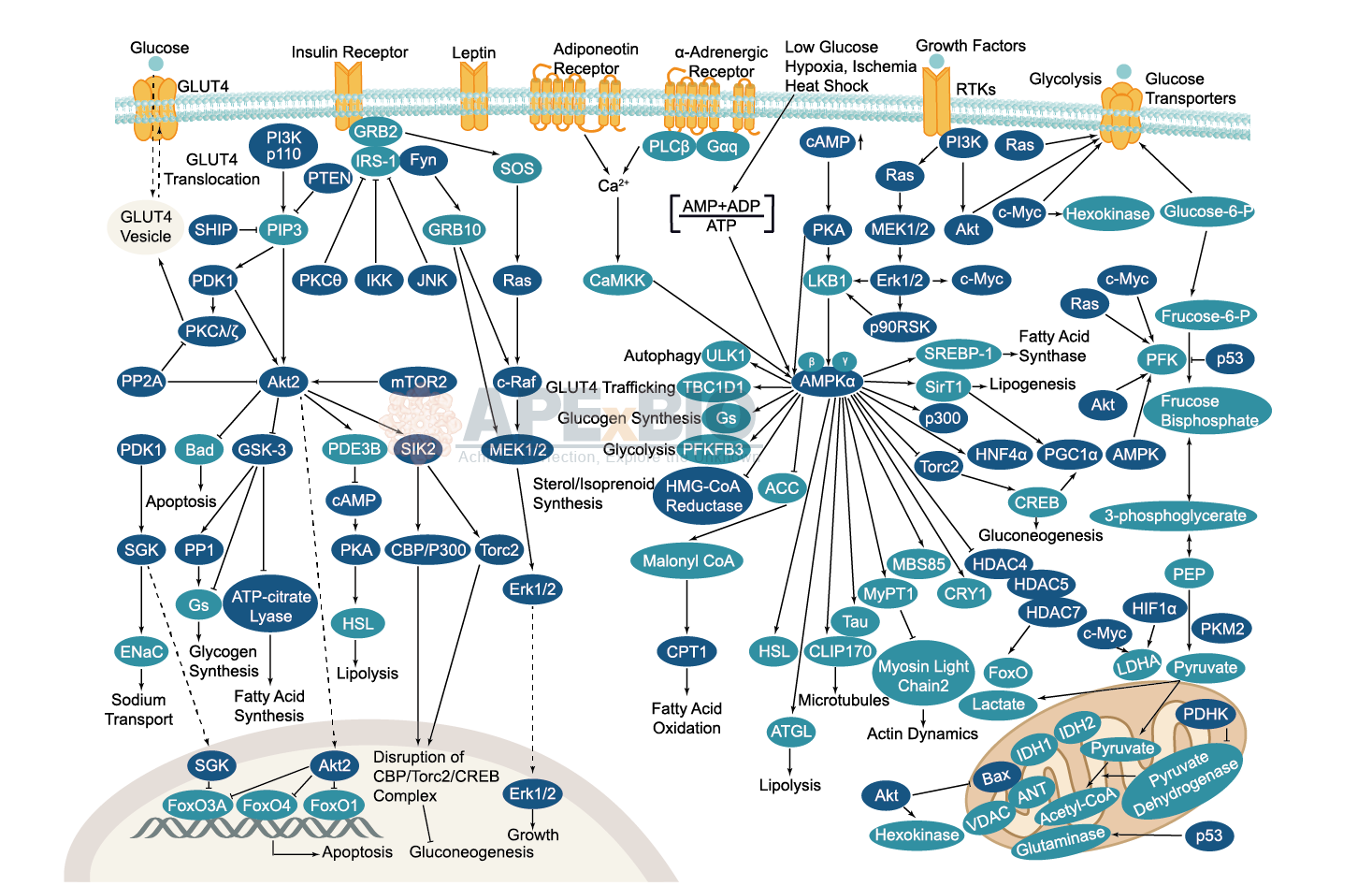
Serine/threonine kinase AMPK upregulates glucose uptake by promoting the expression and function of glucose transporters. AMPK is activated by increased AMP/ATP ratio, resulting from cellular and environmental stress, e.g. low glucose, heat shock, hypoxia and ischemia. AMPK activation positively modulates signaling transductions that refill ATP levels. Moreover, it also stimulates catabolic processes such as fatty acid oxidation and glycolysis through inhibition of ACC and activation of PFK2. AMPK negatively regulates various proteins which are important to ATP-consuming mechanisms, e.g. mTORC2, glycogen synthase, SREBP-1, and TSC2, causing the downregulation/inhibition of gluconeogenesis and glycogen, lipid and protein synthesis.
-
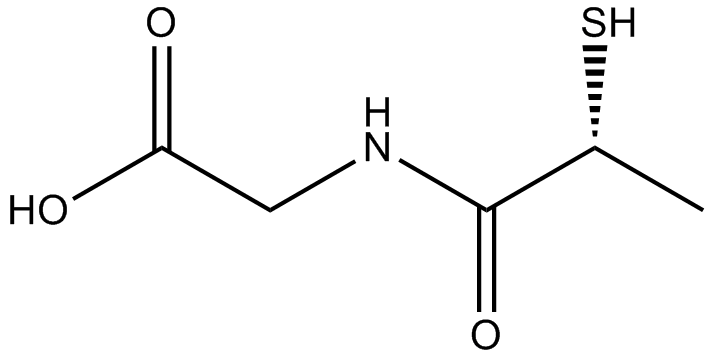 A8538 Tiopronin (Thiola)Summary: Drug for cystinuria treatment
 -
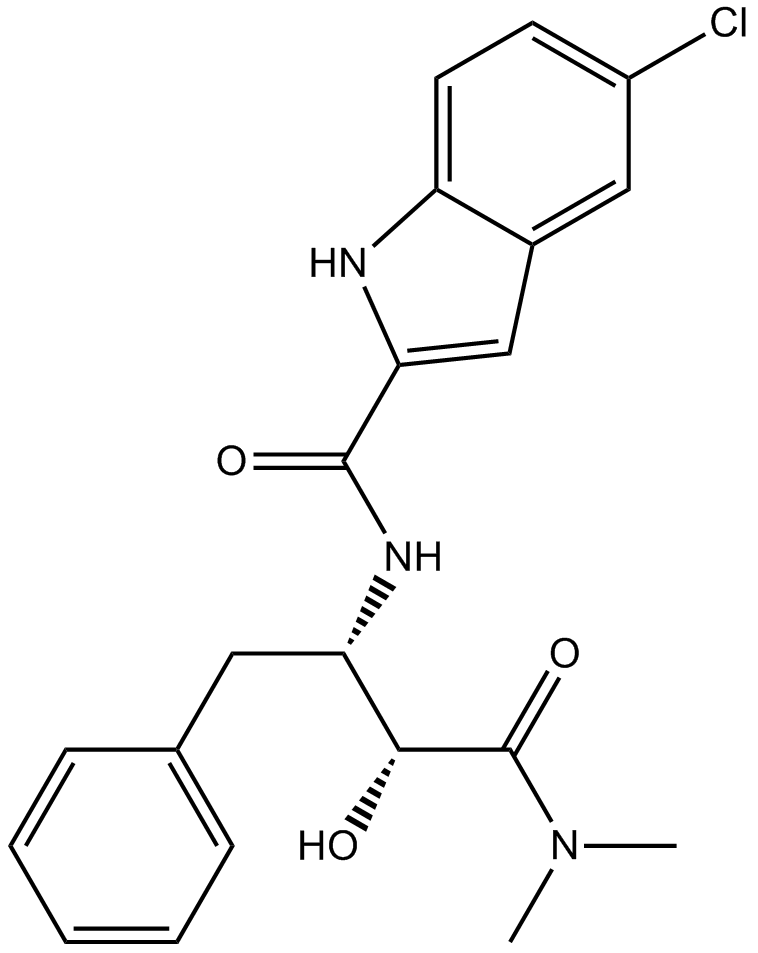 A8403 CP-91149Target: Glycogen PhosphorylasesSummary: Selective inhibitor of glycogen phosphorylase
 -
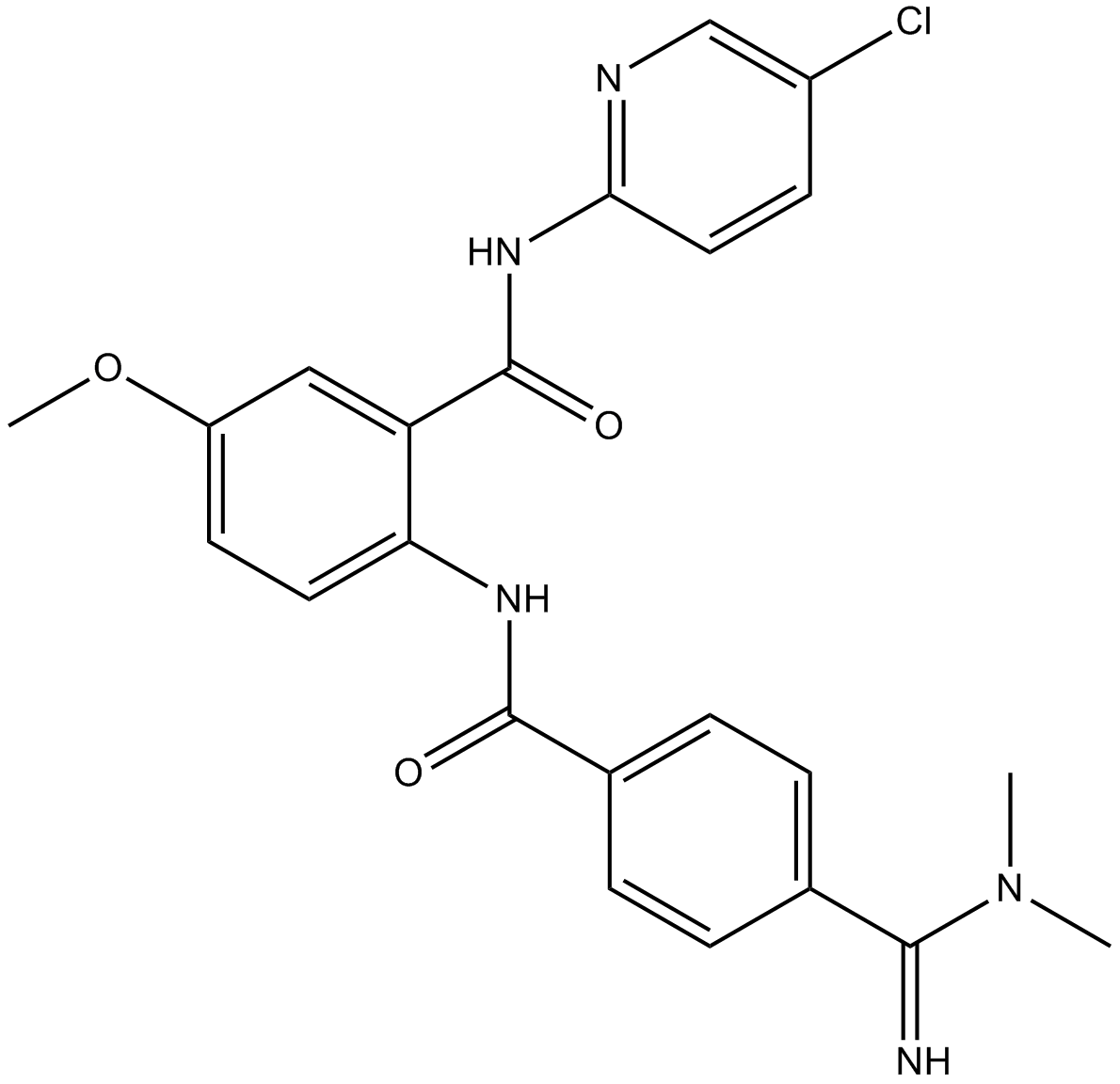 B3234 BetrixabanSummary: Factor Xa inhibitor
 -
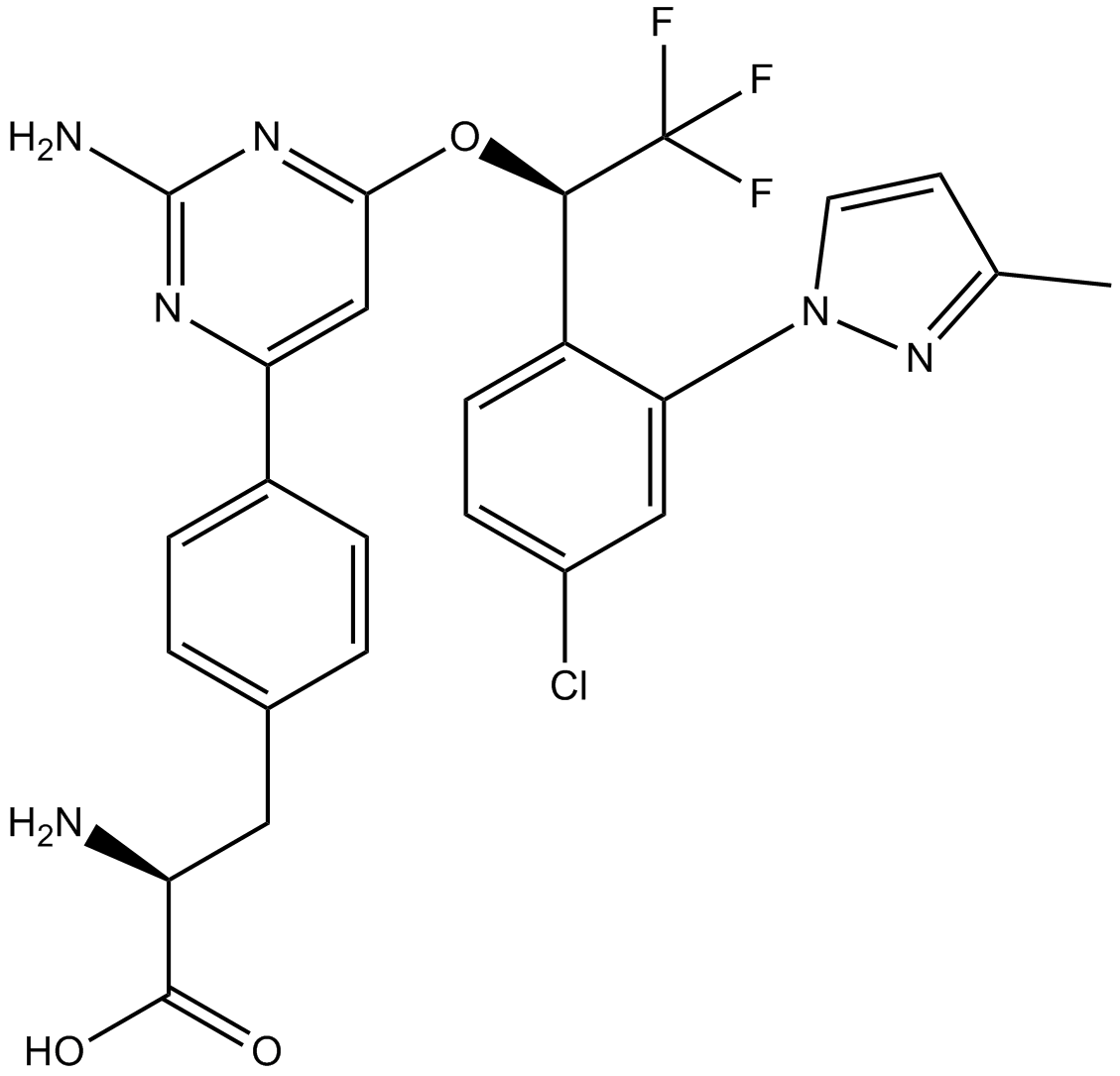 B3247 TelotristatTarget: Tryptophan hydroxylases (TPH)Summary: TPH inhibitor
 -
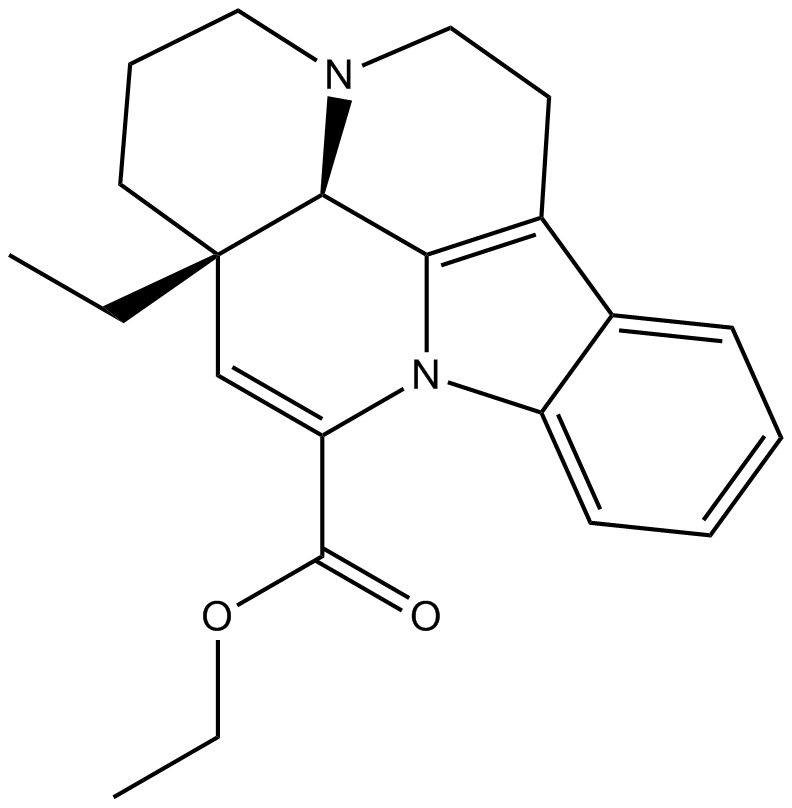 B2276 VinpocetineTarget: Phosphodiesterases (PDEs)Summary: PDE inhibitor
 -
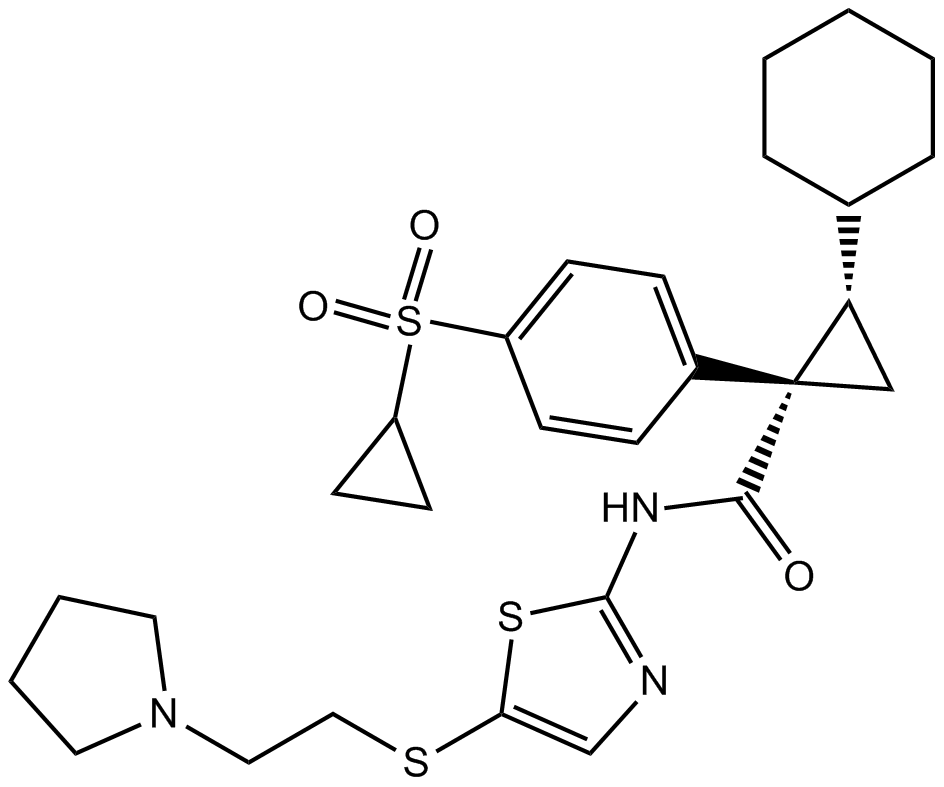 B2160 LY2608204Target: GKSummary: GK activator
 -
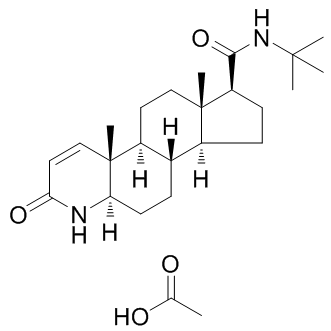 B1195 Finasteride acetateSummary: 5α-reductase inhibitor
 -
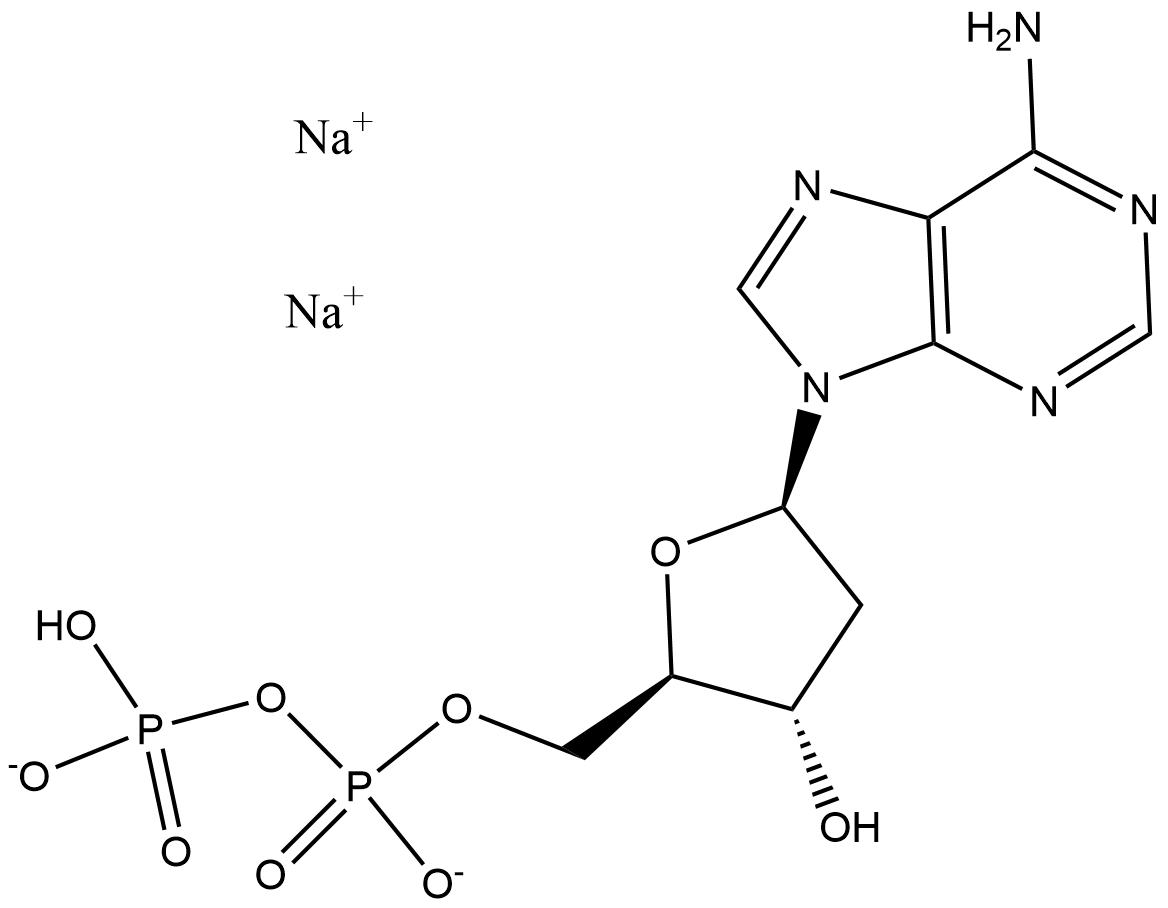 B8041 2-Deoxyadenosine 5-diphosphate
 -
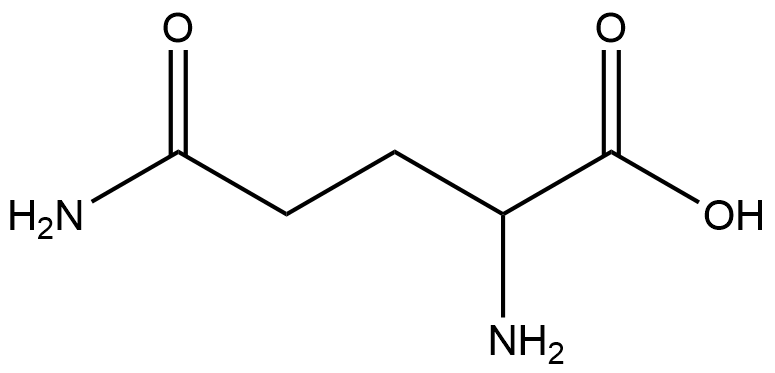 A4733 DL-GlutamineSummary: A mixture of amino acids composed of the two enantiomers D-glutamine and L-glutamine
 -
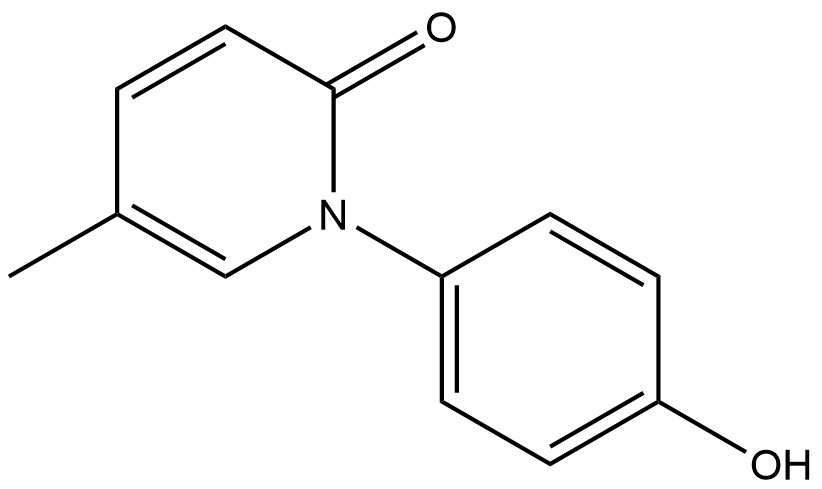 A9036 Hydronidone