


Metabolism
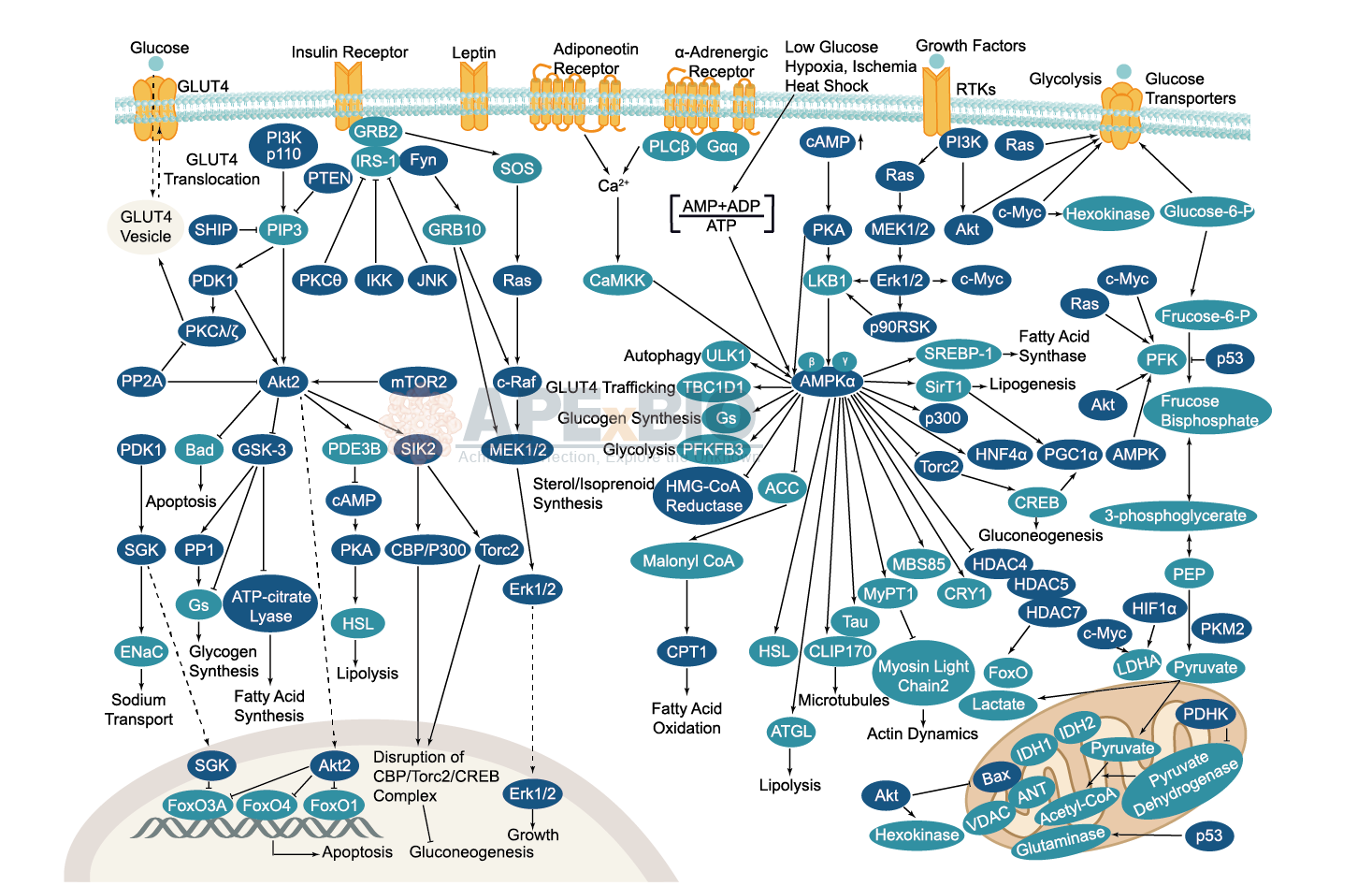
Serine/threonine kinase AMPK upregulates glucose uptake by promoting the expression and function of glucose transporters. AMPK is activated by increased AMP/ATP ratio, resulting from cellular and environmental stress, e.g. low glucose, heat shock, hypoxia and ischemia. AMPK activation positively modulates signaling transductions that refill ATP levels. Moreover, it also stimulates catabolic processes such as fatty acid oxidation and glycolysis through inhibition of ACC and activation of PFK2. AMPK negatively regulates various proteins which are important to ATP-consuming mechanisms, e.g. mTORC2, glycogen synthase, SREBP-1, and TSC2, causing the downregulation/inhibition of gluconeogenesis and glycogen, lipid and protein synthesis.
-
 BA8418 CrocetinSummary: Crocetin (Transcrocetin) is extracted from saffron.
 -
BA8530 MAO-B-IN-30Summary: MAO-B-IN-30 is a potent, selective inhibitor that crosses the blood-brain barrier.
-
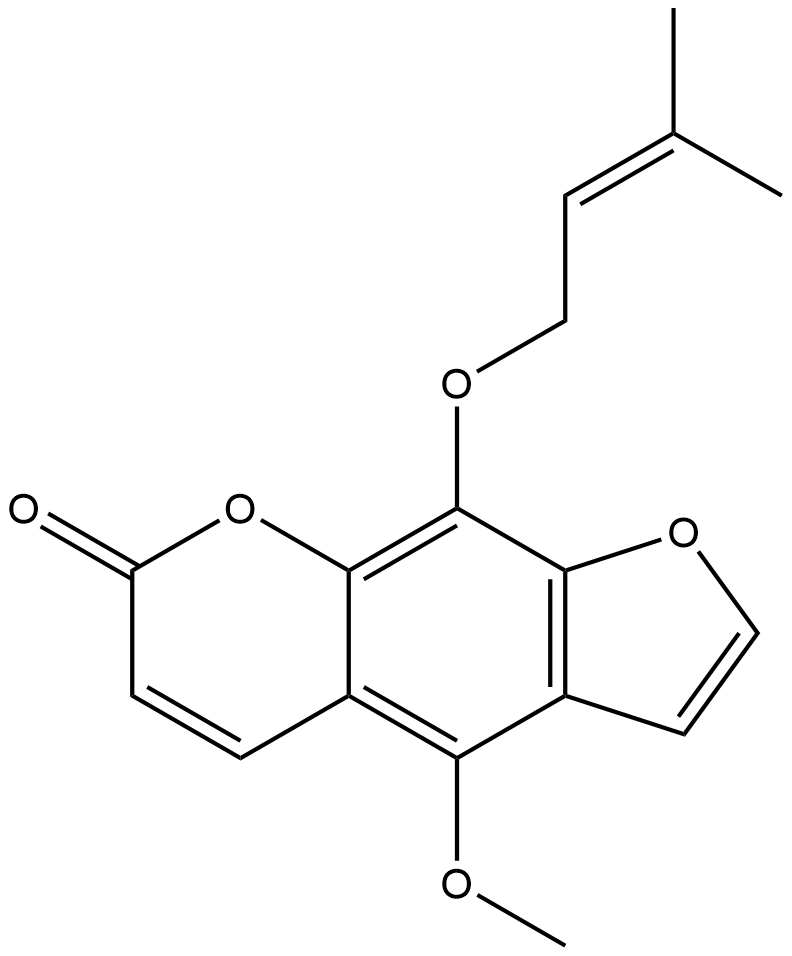 BA8685 PhellopterinSummary: An orally active furocoumarin that acts as a partial agonist of central benzodiazepine receptors, with anti-inflammatory activity via SIRT1 upregulation
 -
BA7948 YamogeninSummary: Yamogenin (Neodiosgenin) is the diastereoisomer of Diosgenin.
-
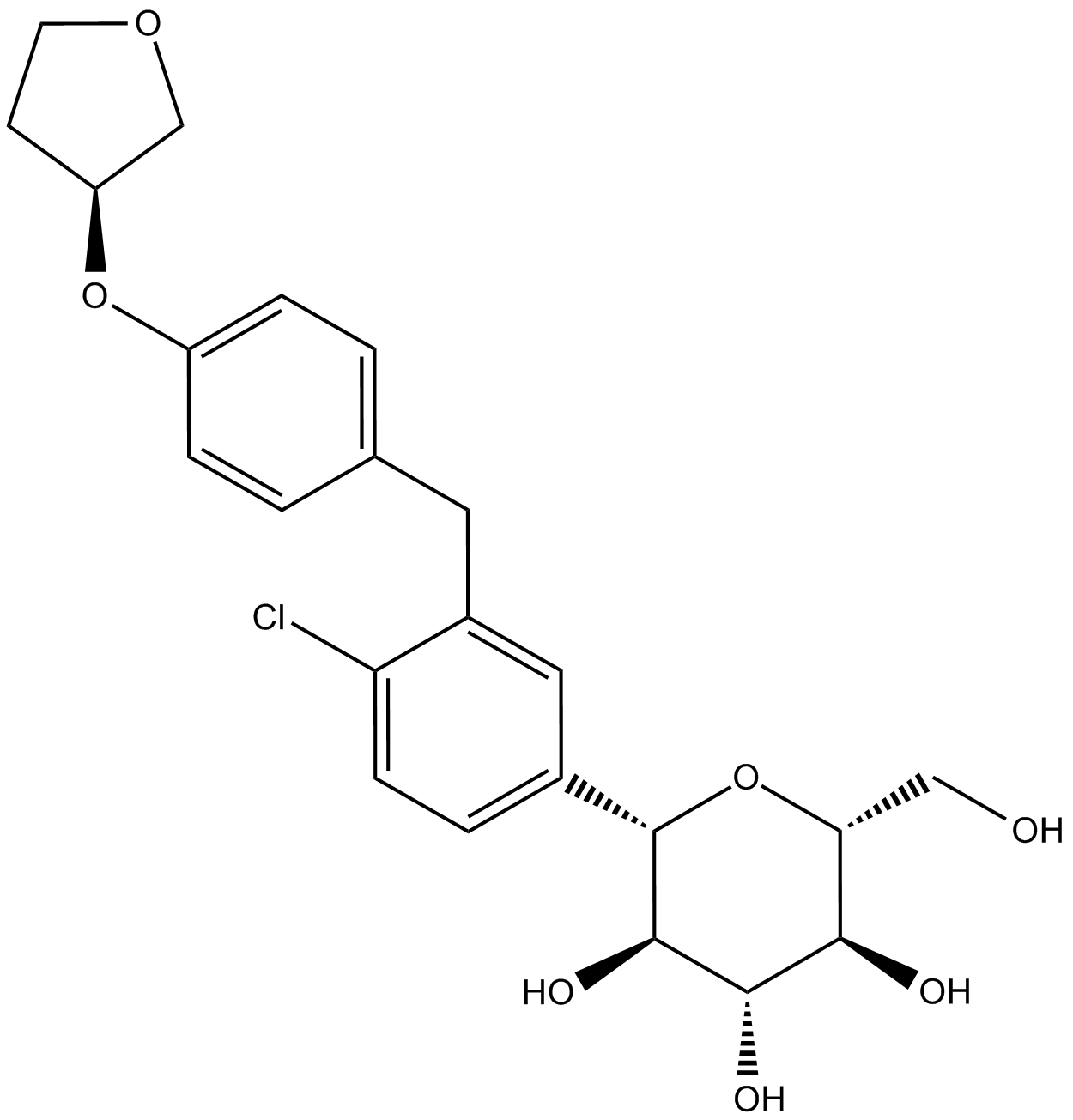 A4601 Empagliflozin (BI 10773)5 CitationSummary: SGLT-2 inhibitor for oral treatment of type 2 diabetes
 -
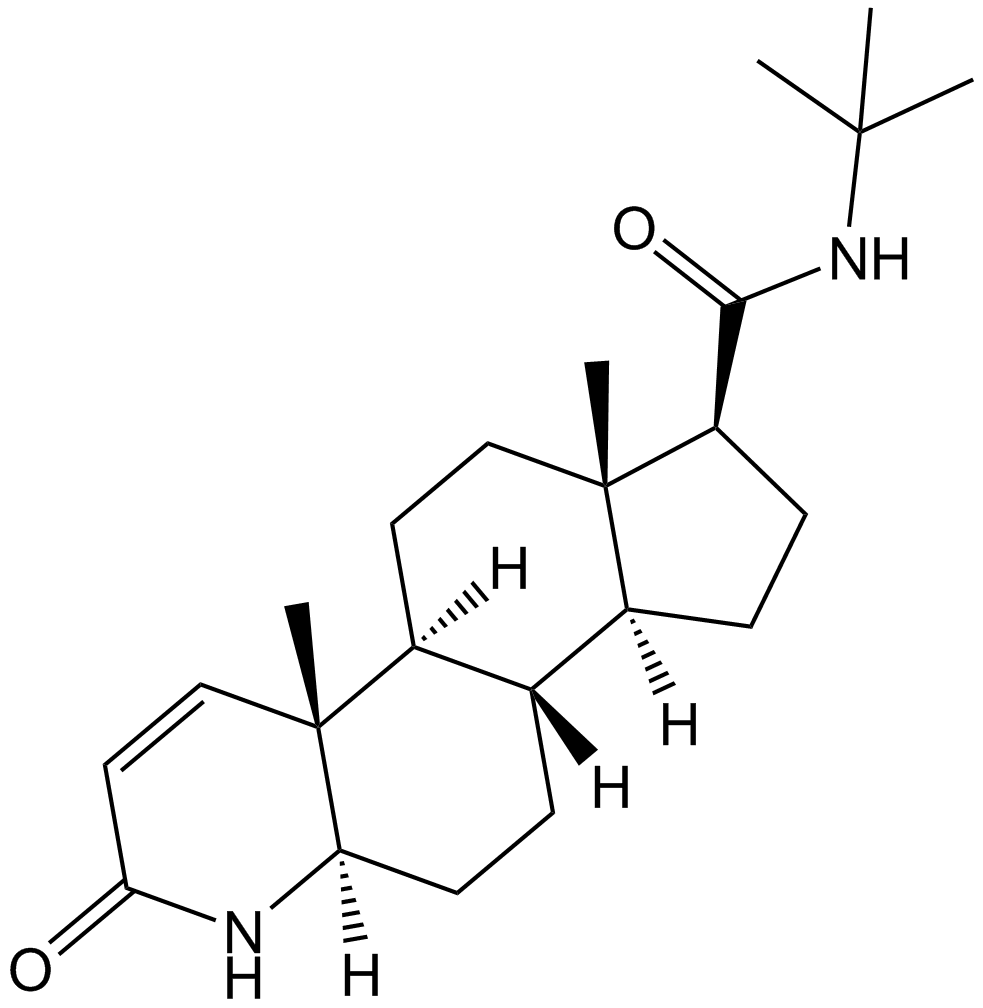 A5143 FinasterideSummary: Inhibitor of Type II 5α-reductase
 -
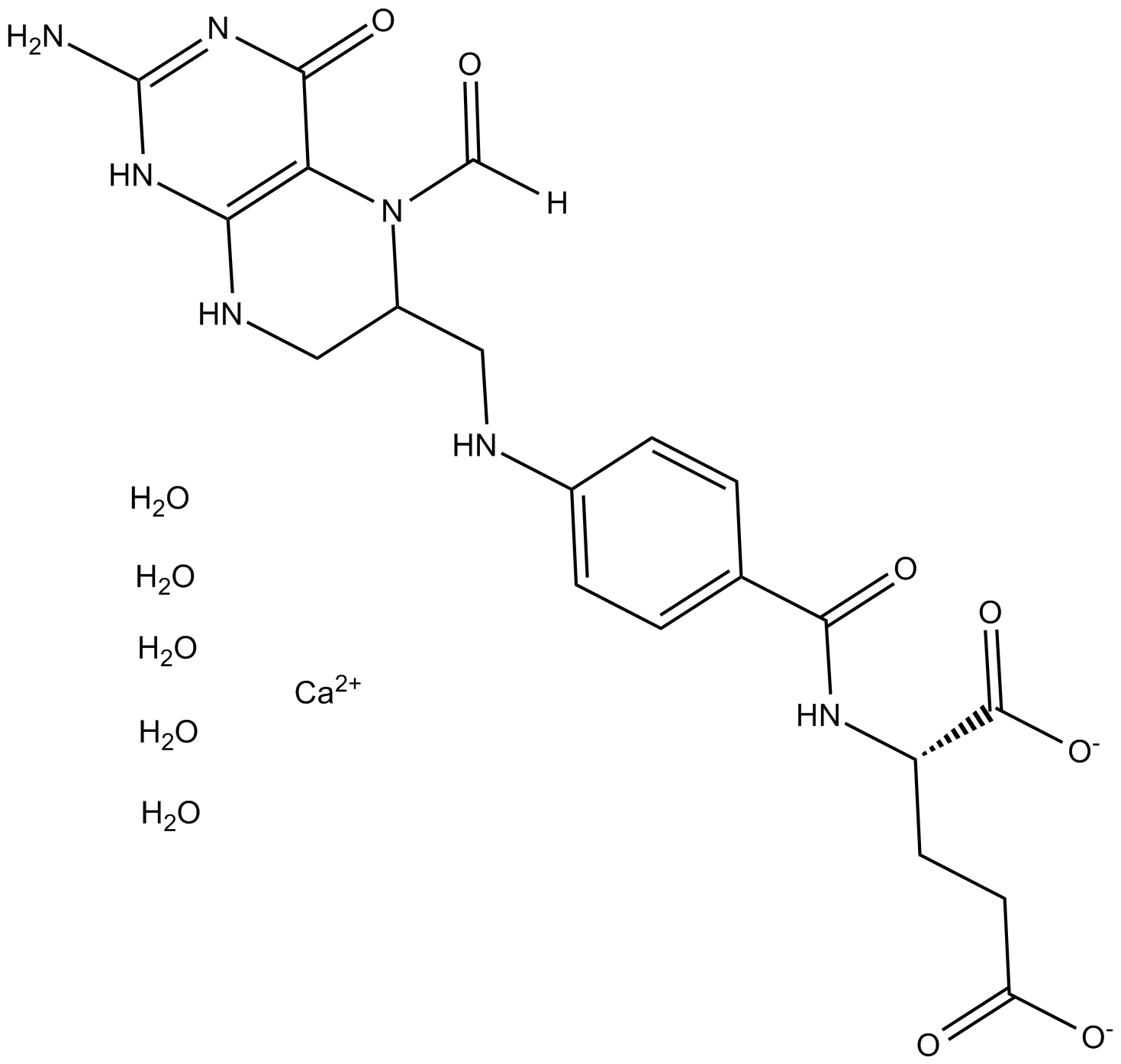 A2489 Leucovorin CalciumSummary: Derivative of folic acid
 -
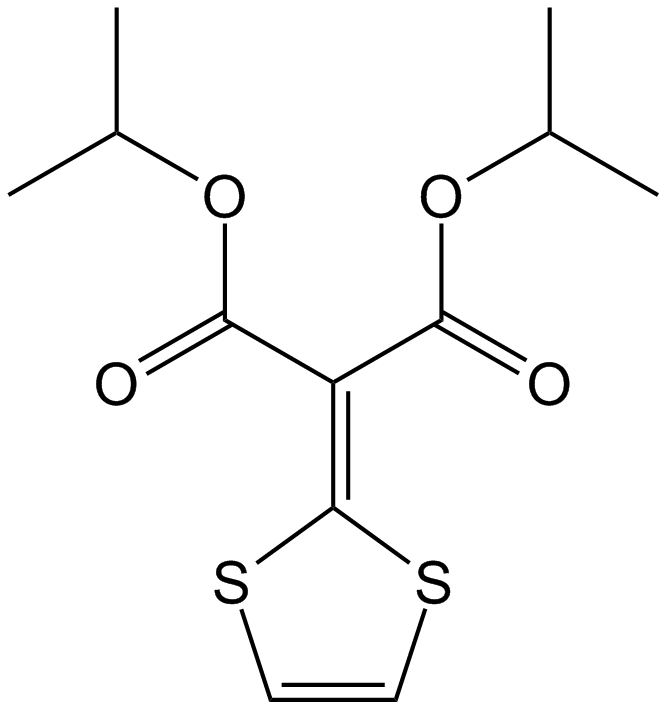 A2486 MalotilateSummary: Stimulates hepatocyte regeneration
 -
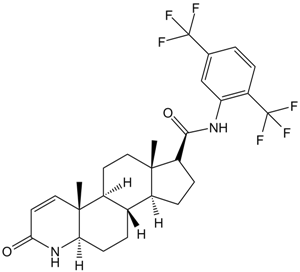 A1659 Dutasteride2 CitationTarget: 5-alpha ReductasesSummary: 5-alpha-reductase inhibitor
 -
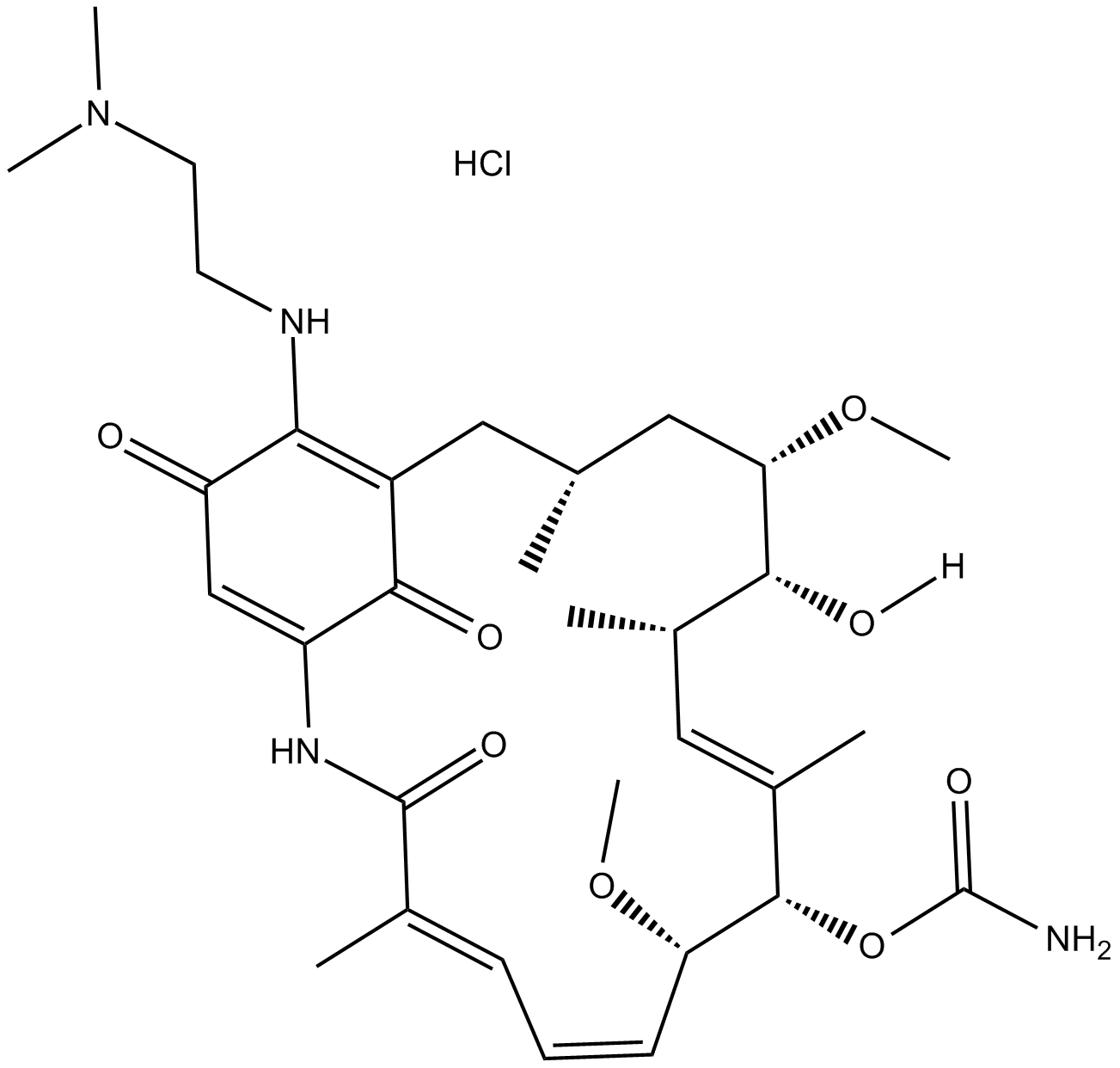 A2213 17-DMAG (Alvespimycin) HCl1 CitationTarget: HSP90Summary: Hsp90 inhibitor