


Metabolism
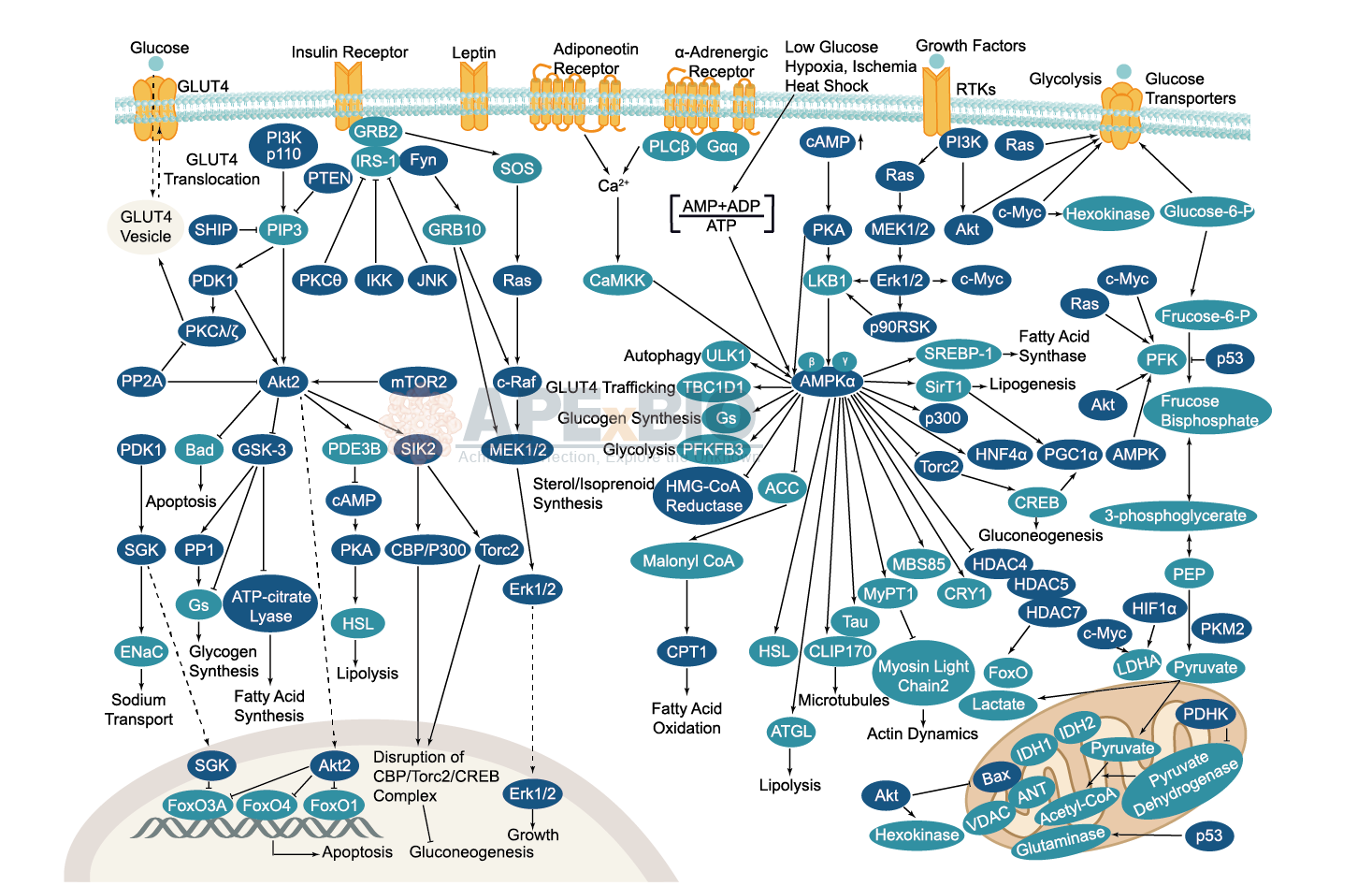
Serine/threonine kinase AMPK upregulates glucose uptake by promoting the expression and function of glucose transporters. AMPK is activated by increased AMP/ATP ratio, resulting from cellular and environmental stress, e.g. low glucose, heat shock, hypoxia and ischemia. AMPK activation positively modulates signaling transductions that refill ATP levels. Moreover, it also stimulates catabolic processes such as fatty acid oxidation and glycolysis through inhibition of ACC and activation of PFK2. AMPK negatively regulates various proteins which are important to ATP-consuming mechanisms, e.g. mTORC2, glycogen synthase, SREBP-1, and TSC2, causing the downregulation/inhibition of gluconeogenesis and glycogen, lipid and protein synthesis.
-
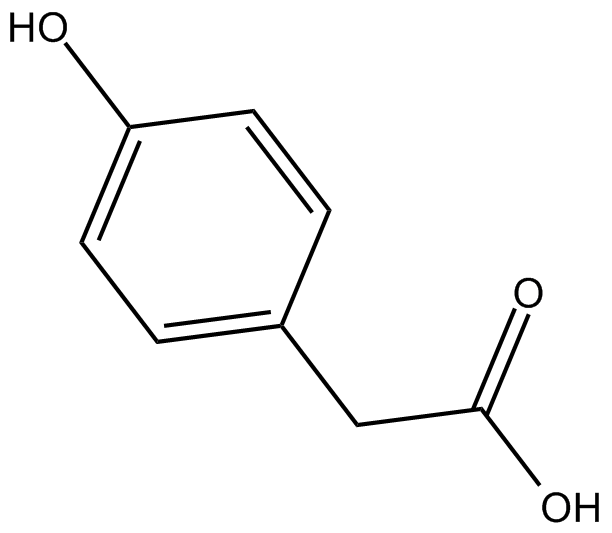 M1190 4-hydroxyphenylacetateSummary: A microbiota-derived antioxidant that can induce Nrf2 expression.
 -
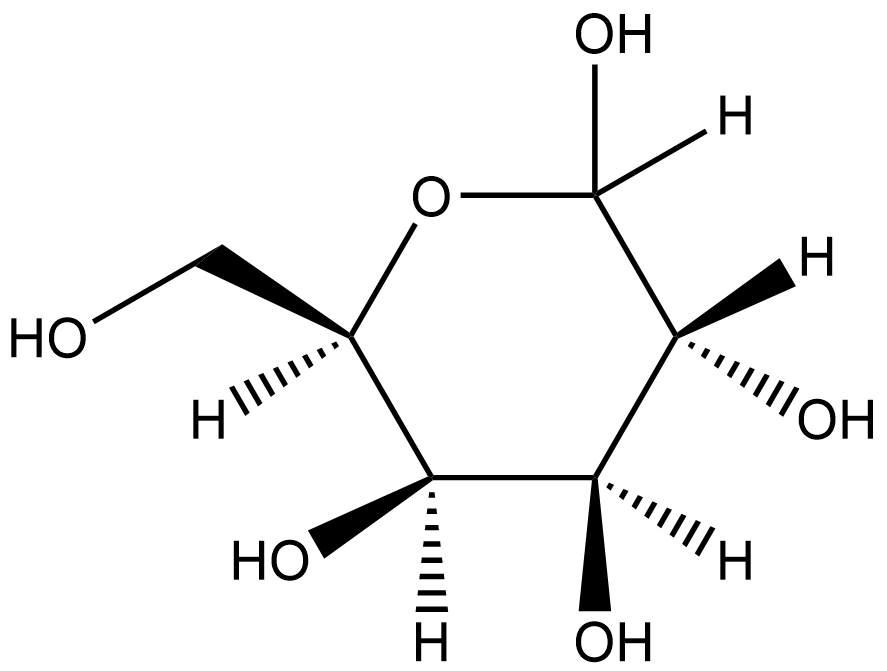 M1199 galactoseSummary: A natural aldohexose
 -
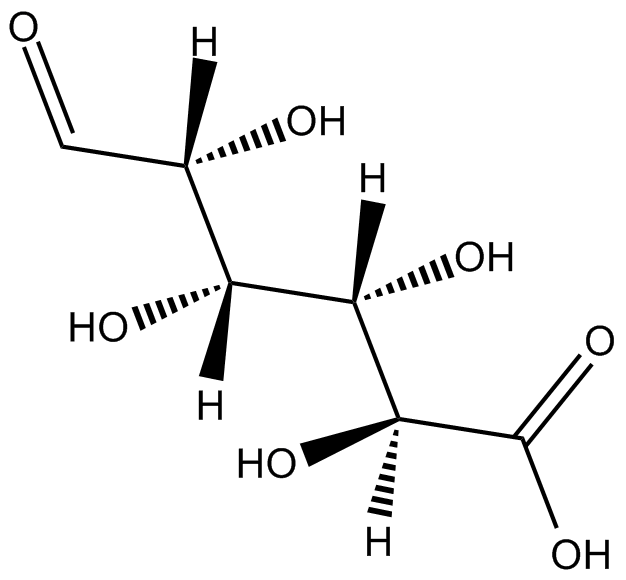 M1200 glucuronateSummary: Widely involved in physiological processes such as embryonic development, cell adhesion, and hepatic detoxification.
 -
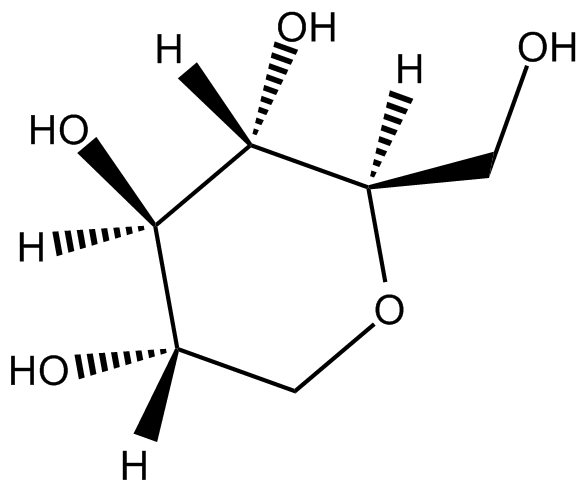 M1203 1,5-anhydroglucitol (1,5-AG)Summary: A polyol compound that reflects short-term blood glucose fluctuations.
 -
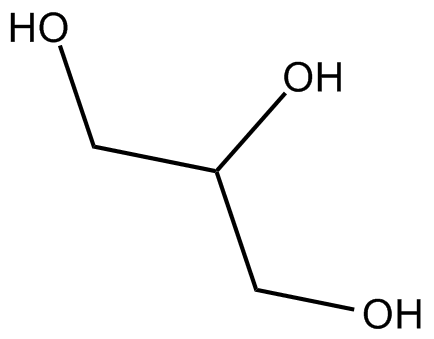 M1212 glycerolSummary: A concentrated buffer solution
 -
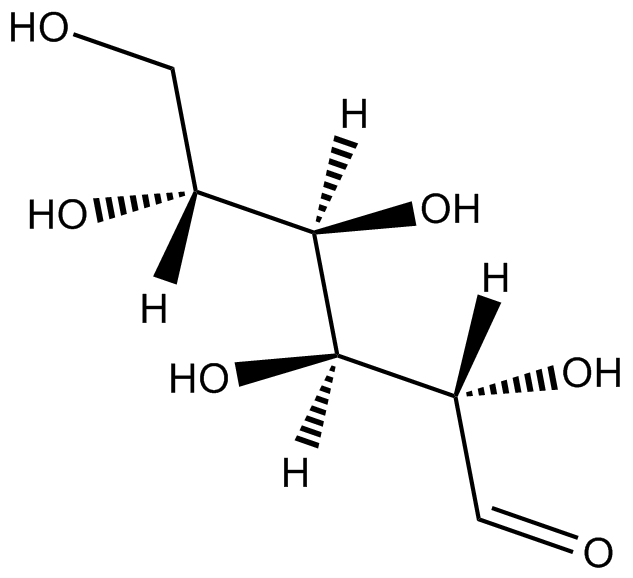 M1214 mannoseSummary: A glucose epimer for research on anti-inflammation, anti-tumor, and immune regulation.
 -
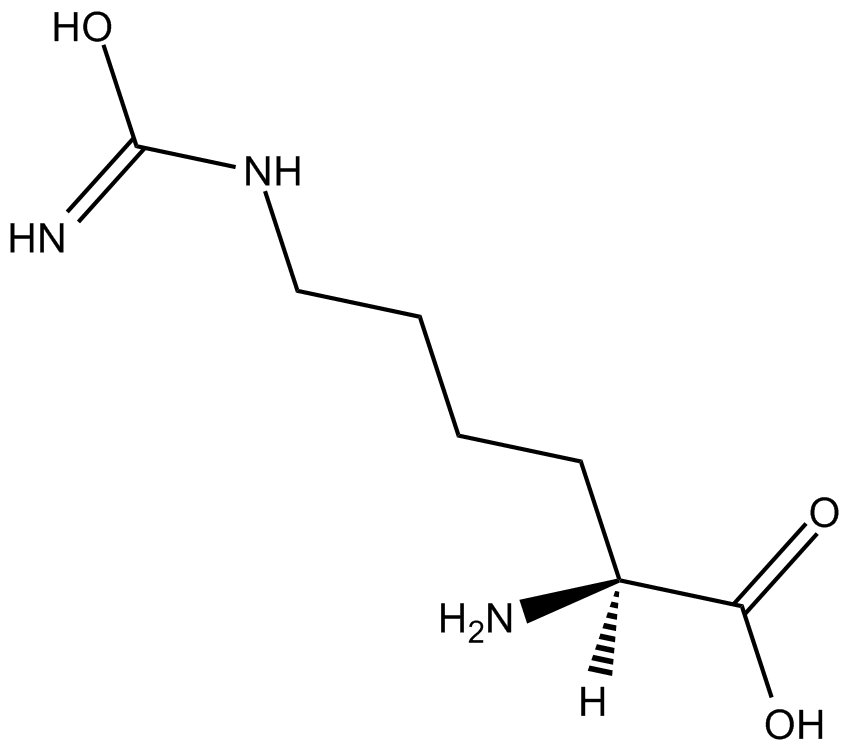 M1237 homocitrullineSummary: Involved in urea cycle metabolism and associated with lysinuric protein intolerance.
 -
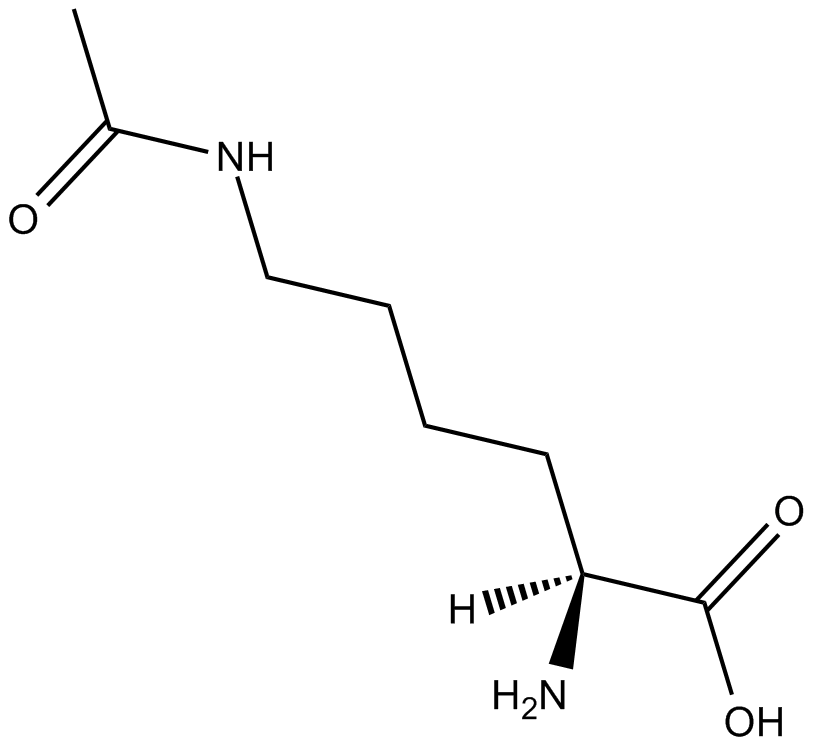 M1240 N6-acetyllysine (H-Lys(Ac)-OH)Summary: A biosignal modulator used to inhibit histone deacetylases.
 -
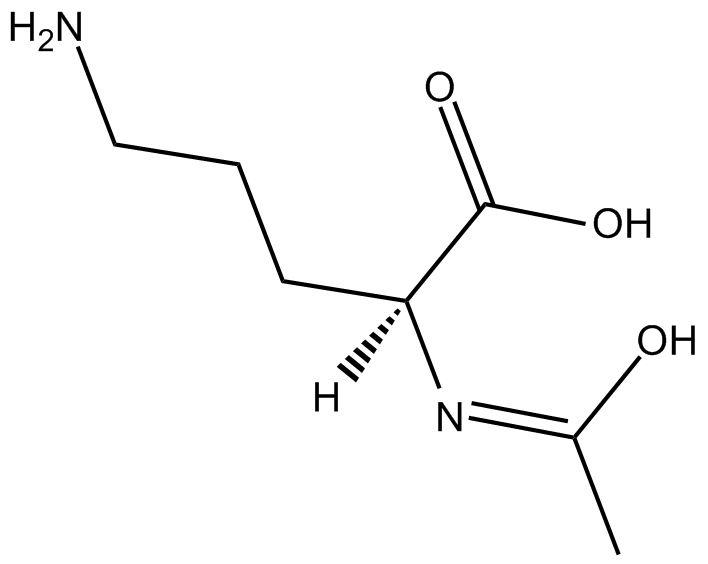 M1242 N-acetylornithineSummary: A metabolic intermediate in the conversion of L-glutamate to L-arginine.
 -
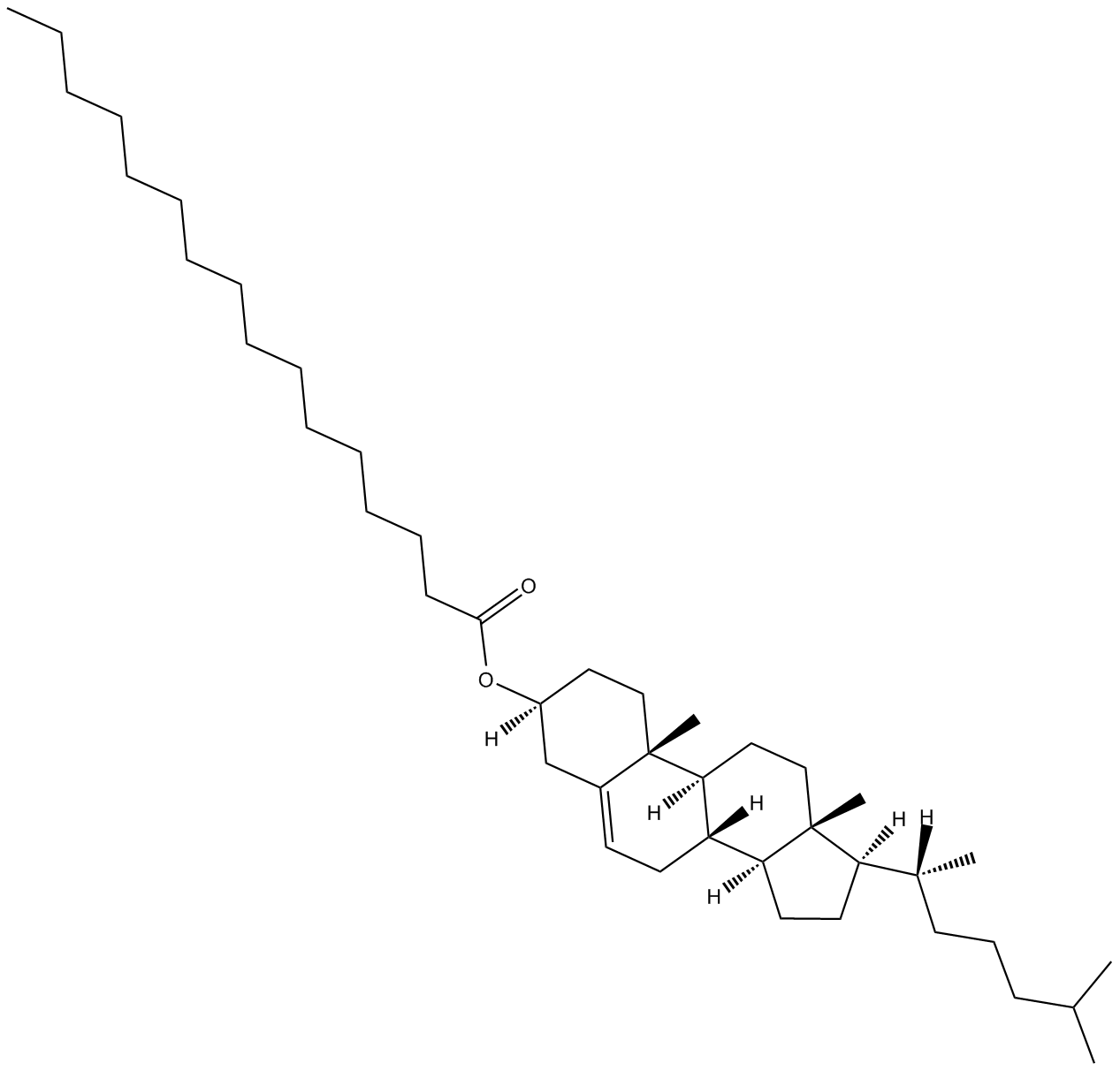 M1259 C16:0 CESummary: Can be used for research on the disease mechanisms and biomarkers of chronic interstitial pneumonia.