4-hydroxyphenylacetate
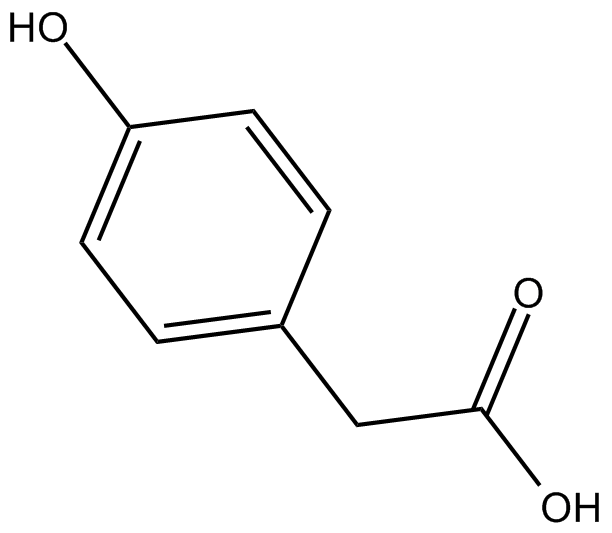





4-hydroxyphenylacetate (CAS No.: 156-38-7) is a microbiota-derived phenolic metabolite generated from the biotransformation of dietary polyphenols, aromatic amino acids, and flavonoid glycosides, and is widely studied for its role in host–microbe metabolic interactions and redox biology. This compound exhibits antioxidant, anti-inflammatory, and anti-steatotic activities, with mechanistic studies indicating activation of the Nrf2 signaling pathway and subsequent upregulation of cytoprotective and detoxification genes as a central mode of action. In preclinical models, it has been shown to attenuate pro-inflammatory cytokine production, including TNF-α, IL-1β, and IL-6, reduce immune cell infiltration, and mitigate tissue edema in inflammatory injury settings, while also improving lipid metabolism and reversing hepatic steatosis in diet-induced obesity models. As an endogenous metabolite detectable in biological fluids, its altered levels have been associated with metabolic dysregulation and disease states, supporting its utility as both a functional biomarker and a mechanistic probe. In vitro studies typically employ concentrations spanning the low micromolar range to investigate oxidative stress responses and inflammatory signaling, whereas in vivo dosing regimens vary according to experimental design and disease models. Collectively, 4-hydroxyphenylacetate serves as a valuable tool in studies of oxidative stress, inflammation, metabolic disease, and microbiome-associated pathways, and is relevant for target validation and pathway-focused drug discovery efforts.
| Physical Appearance | A solid |
| Storage | -20°C |
| M.Wt | 152.15 |
| Cas No. | 156-38-7 |
| Formula | C8H8O3 |
| Synonyms | 4-HPAA; p -HPAA; para -HPAA; p -Hydroxyphenylacetic Acid; para -Hydroxyphenylacetic Acid; NSC 25066; NSC 27460 |
| Solubility | ≥26.15 mg/mL in H2O; ≥52.3 mg/mL in EtOH; ≥56.9 mg/mL in DMSO |
| Chemical Name | 2-(4-hydroxyphenyl)acetic acid |
| Canonical SMILES | OC1=CC=C(CC(O)=O)C=C1 |
| Shipping Condition | Small Molecules with Blue Ice, Modified Nucleotides with Dry Ice. |
| General tips | We do not recommend long-term storage for the solution, please use it up soon. |