


Metabolism
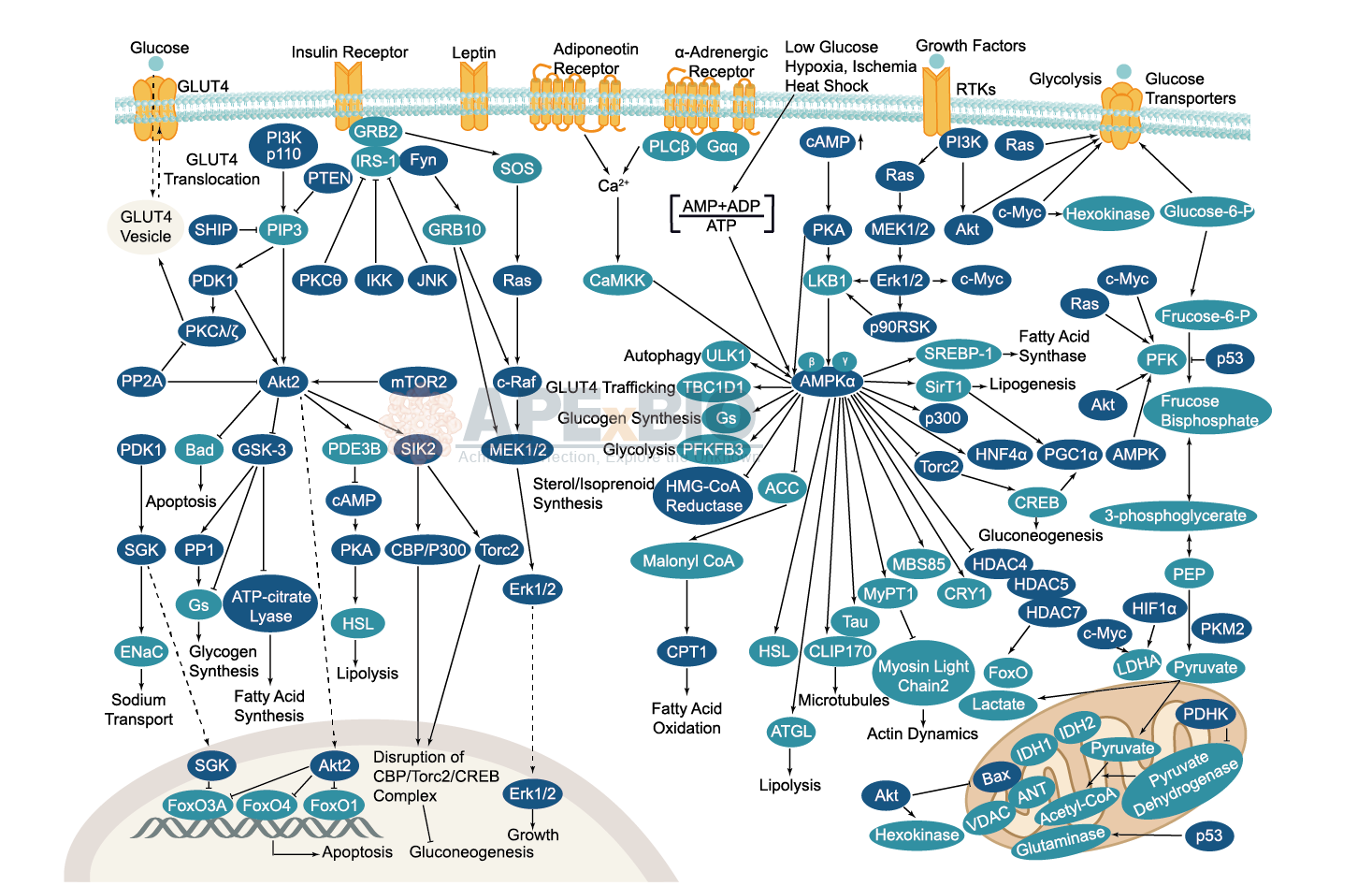
Serine/threonine kinase AMPK upregulates glucose uptake by promoting the expression and function of glucose transporters. AMPK is activated by increased AMP/ATP ratio, resulting from cellular and environmental stress, e.g. low glucose, heat shock, hypoxia and ischemia. AMPK activation positively modulates signaling transductions that refill ATP levels. Moreover, it also stimulates catabolic processes such as fatty acid oxidation and glycolysis through inhibition of ACC and activation of PFK2. AMPK negatively regulates various proteins which are important to ATP-consuming mechanisms, e.g. mTORC2, glycogen synthase, SREBP-1, and TSC2, causing the downregulation/inhibition of gluconeogenesis and glycogen, lipid and protein synthesis.
-
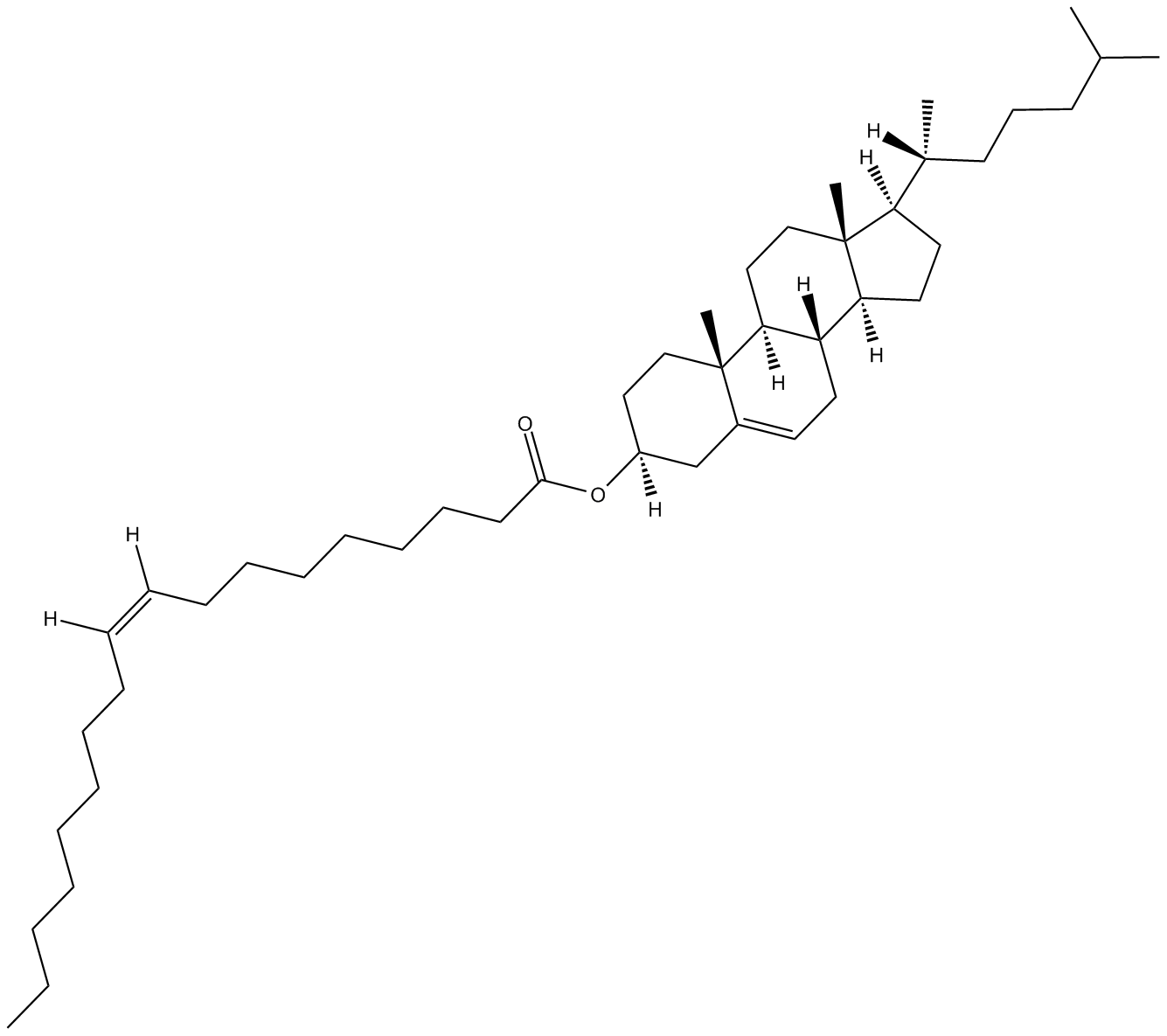 M1262 C18:1 CESummary: An esterification product of cholesterol and oleic acid, involved in lipid metabolism and gene delivery.
 -
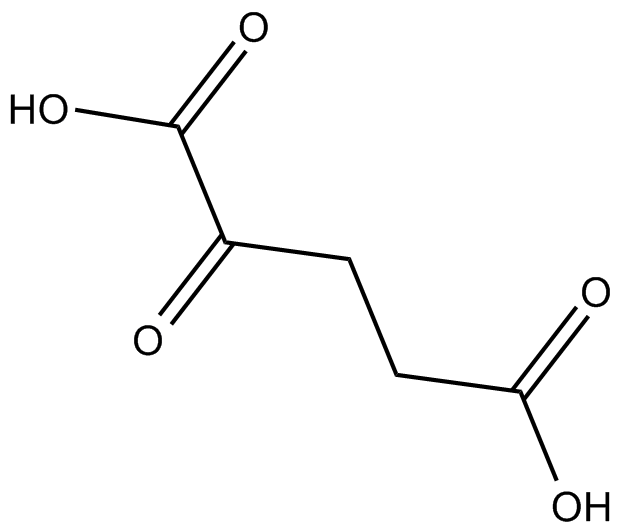 M1277 alpha-ketoglutarateSummary: An intermediate product involved in the tricarboxylic acid cycle and amino acid metabolism.
 -
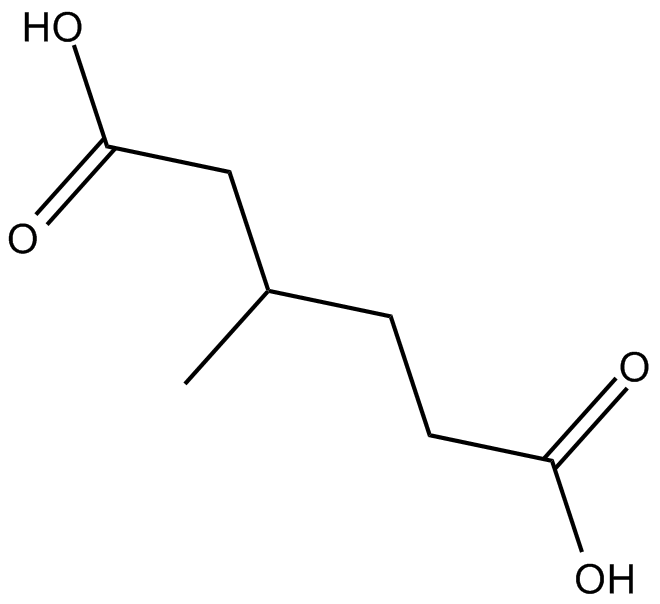 M1282 3-methyladipateSummary: An important metabolite and functional assessment biomarker in the fatty acid ω-oxidation pathway.
 -
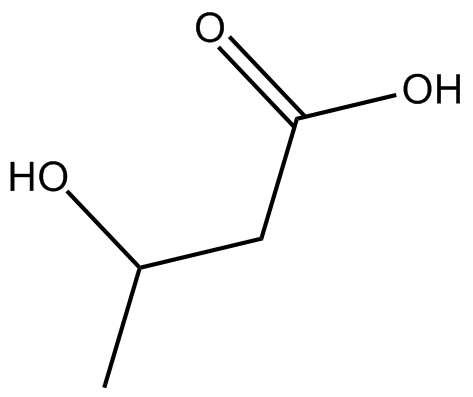 M1297 3-hydroxybutyrate (BHBA)1 CitationSummary: An endogenous ketone body metabolite involved in lipid metabolism and research on diabetes mechanisms.
 -
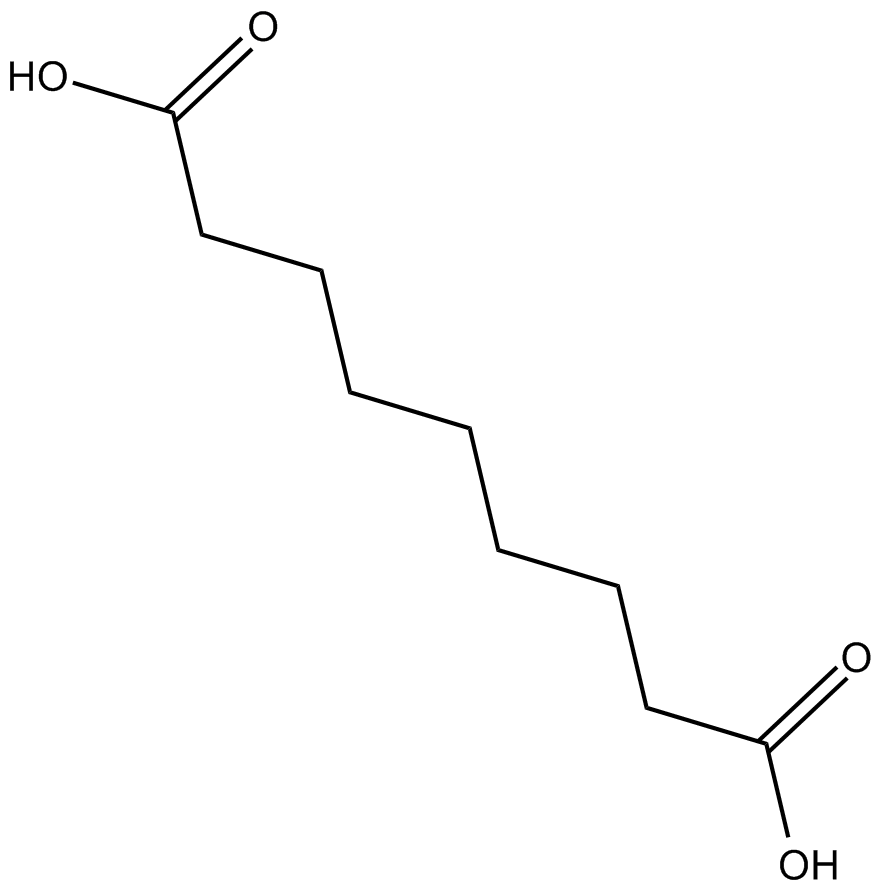 M1301 azelate (nonanedioate)Summary: A topical formulation that inhibits acne-causing bacteria and reduces hyperpigmentation.
 -
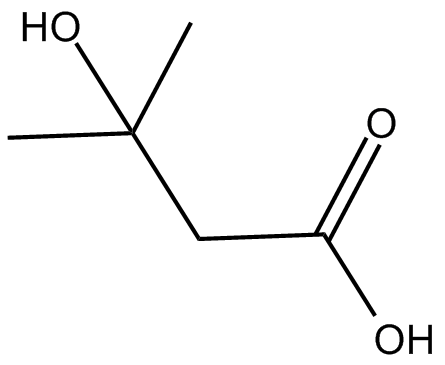 M1302 beta-hydroxyisovalerateSummary: An endogenous metabolite that can be used for clinical research and as an indicator of biotin deficiency.
 -
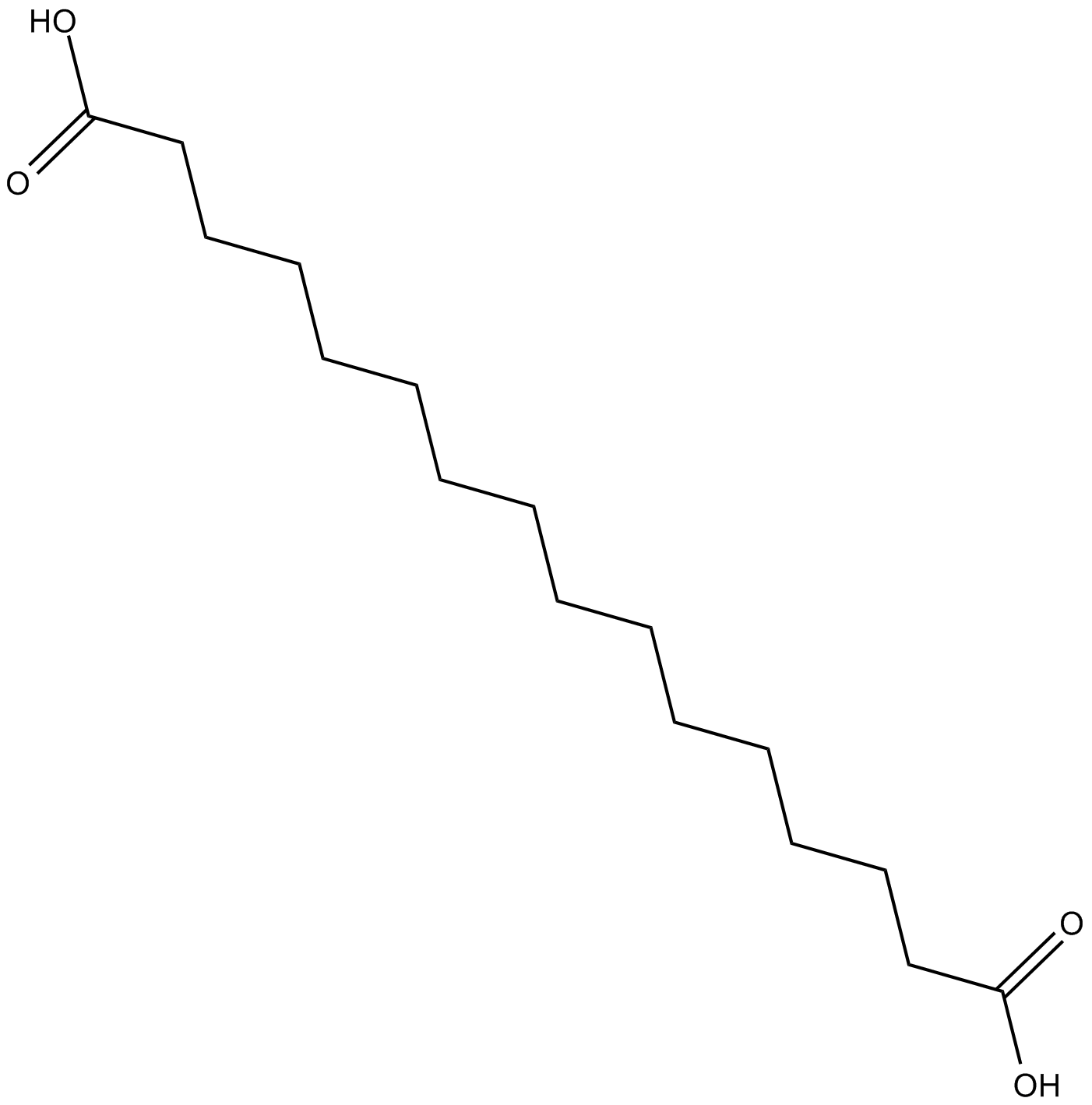 M1311 hexadecanedioateSummary: Can be coupled to resin to prepare an affinity medium for selective removal of serum albumin from plasma.
 -
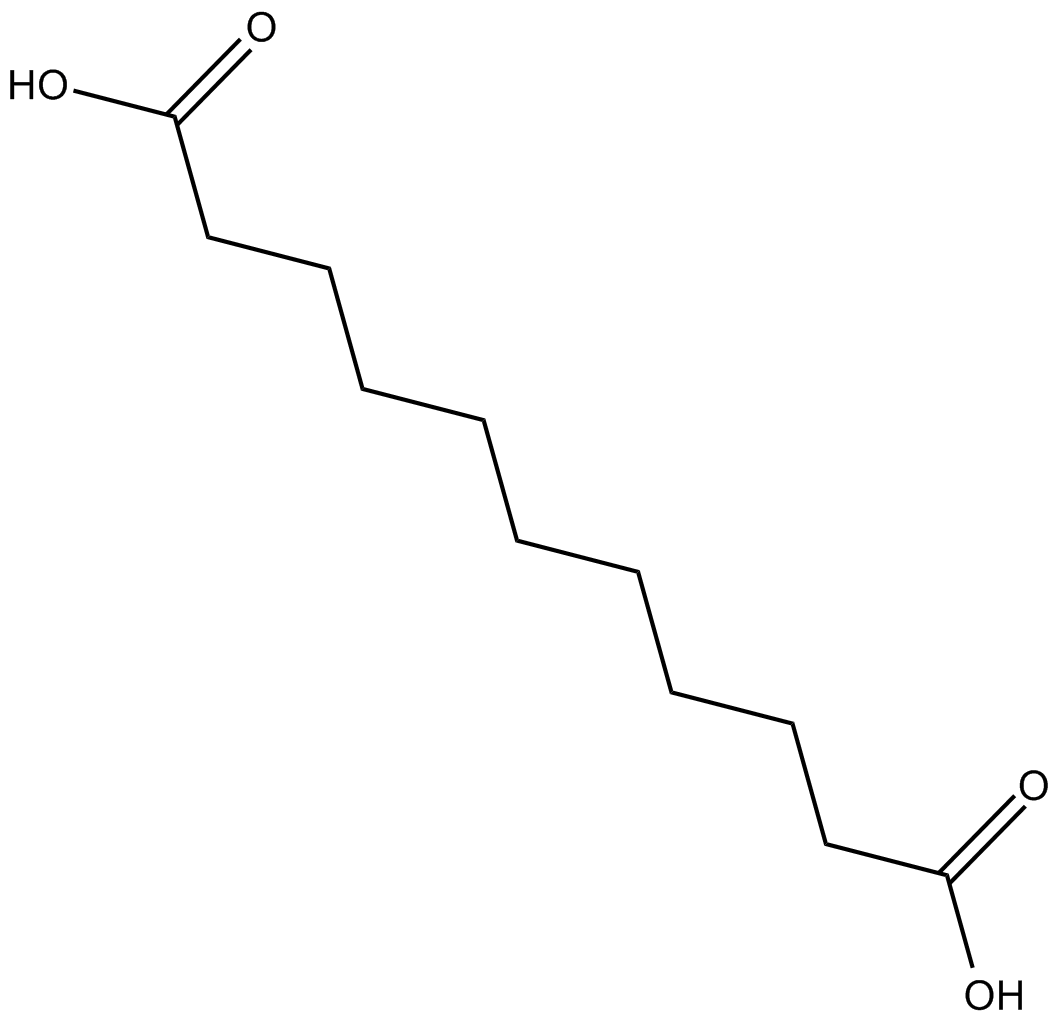 M1329 undecanedioateSummary: A compound involved in extracellular matrix elastin metabolism and conformational regulation.
 -
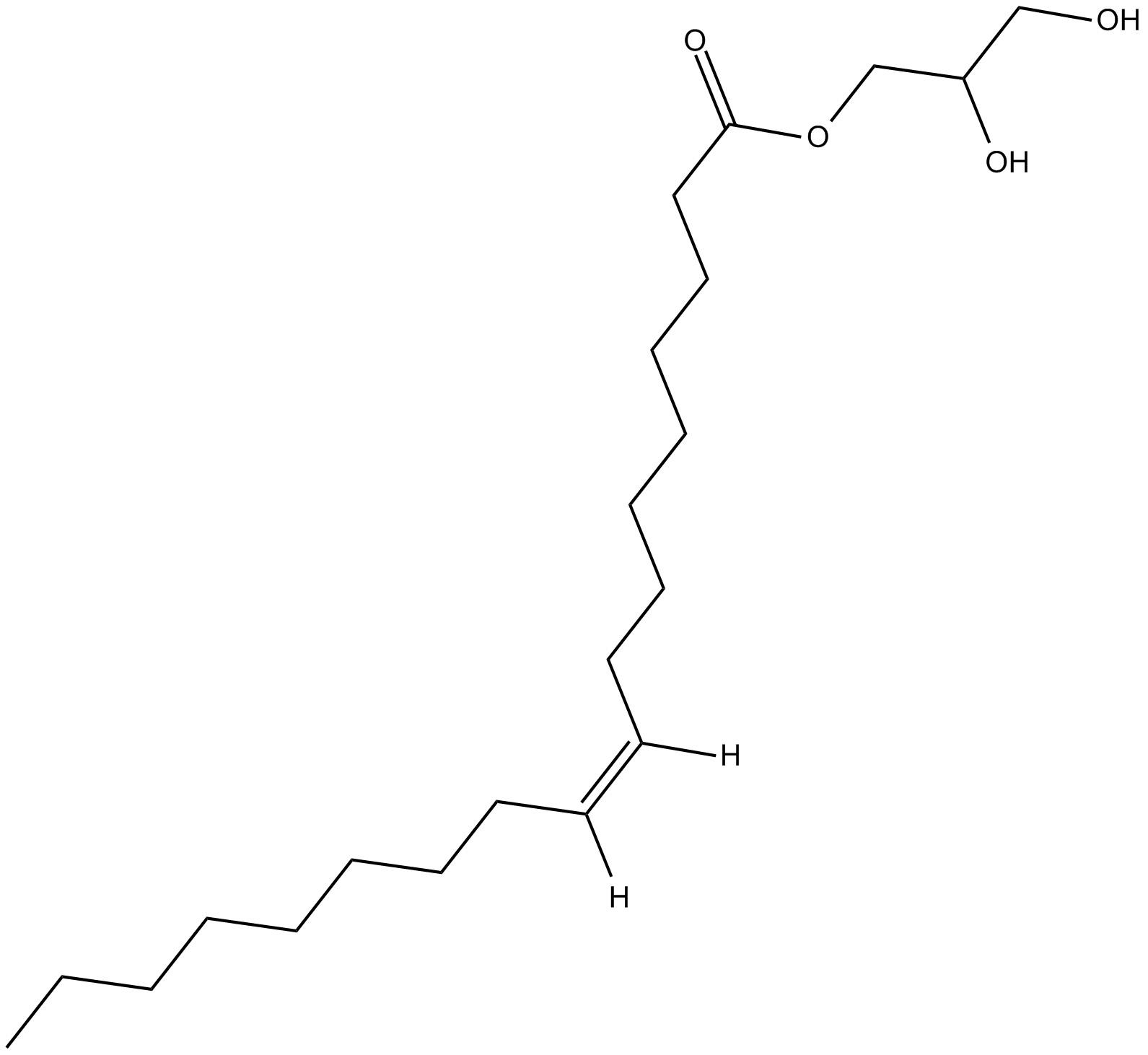 M1335 1-oleoylglycerol (1-monoolein)Summary: A biocompatible anti-inflammatory carrier for drug delivery and inflammation research.
 -
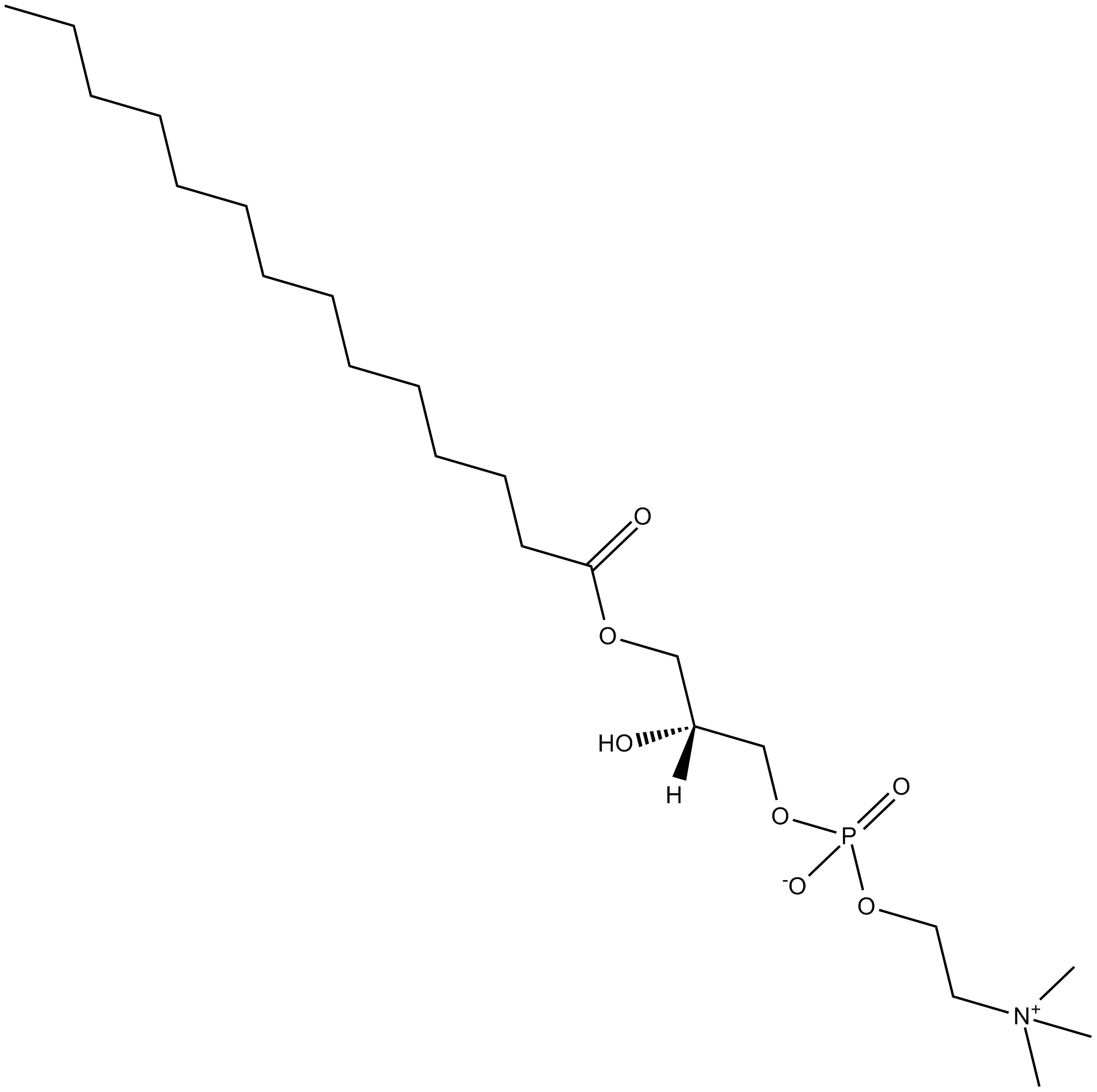 M1340 1-myristoylglycerophosphocholine1 CitationSummary: A lysophospholipid used to study the mechanisms of muscle spasms and antispasmodic effects.