


Metabolism
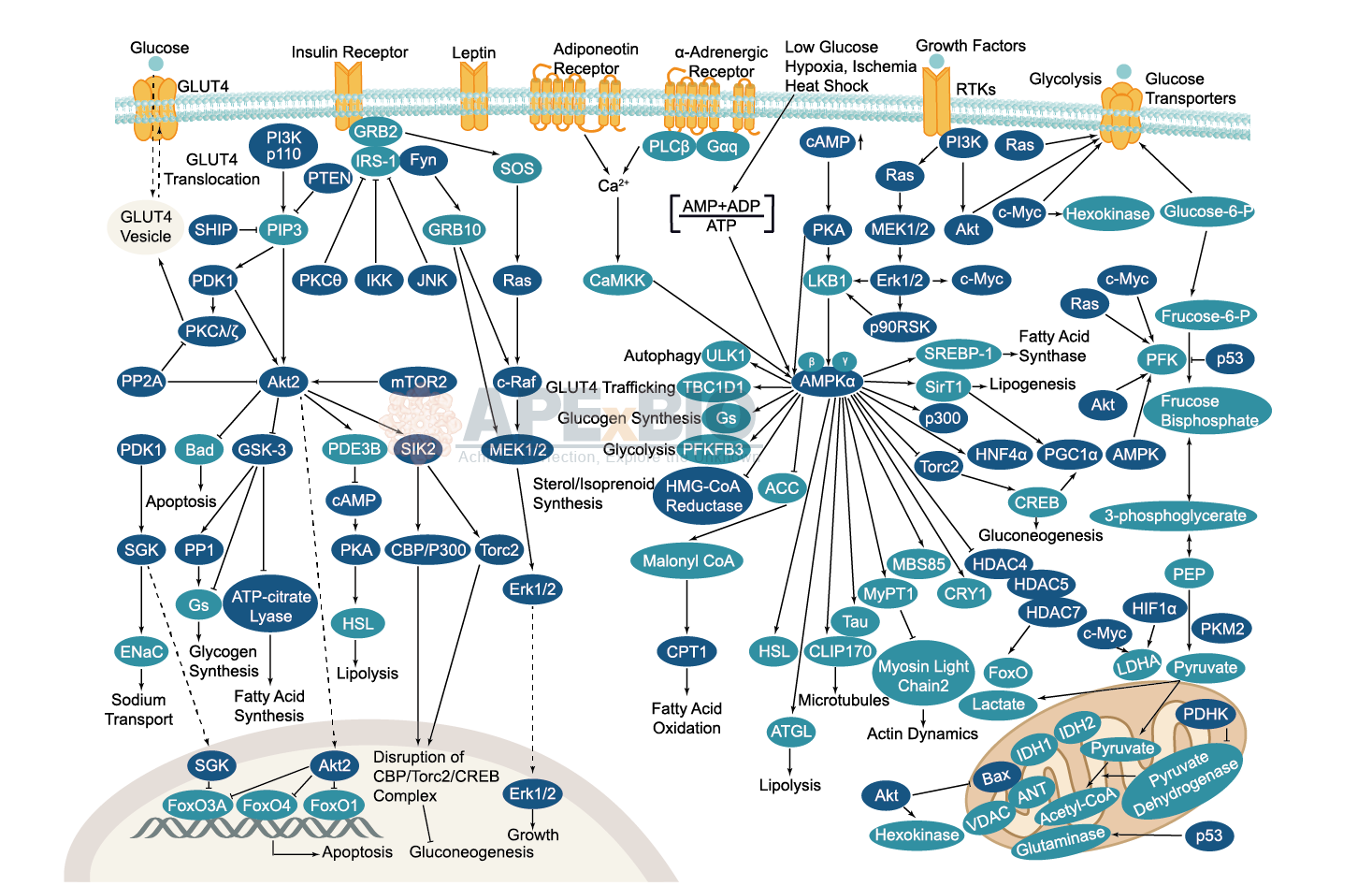
Serine/threonine kinase AMPK upregulates glucose uptake by promoting the expression and function of glucose transporters. AMPK is activated by increased AMP/ATP ratio, resulting from cellular and environmental stress, e.g. low glucose, heat shock, hypoxia and ischemia. AMPK activation positively modulates signaling transductions that refill ATP levels. Moreover, it also stimulates catabolic processes such as fatty acid oxidation and glycolysis through inhibition of ACC and activation of PFK2. AMPK negatively regulates various proteins which are important to ATP-consuming mechanisms, e.g. mTORC2, glycogen synthase, SREBP-1, and TSC2, causing the downregulation/inhibition of gluconeogenesis and glycogen, lipid and protein synthesis.
-
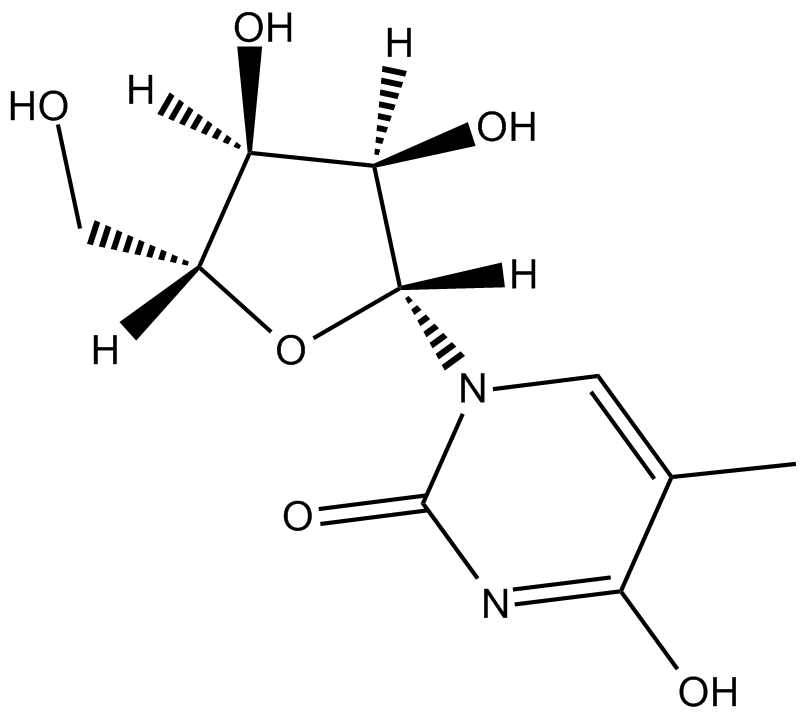 M1414 5-methyluridine (ribothymidine)Summary: An endogenous methylated nucleoside for research on nucleic acid metabolism-related diseases.
 -
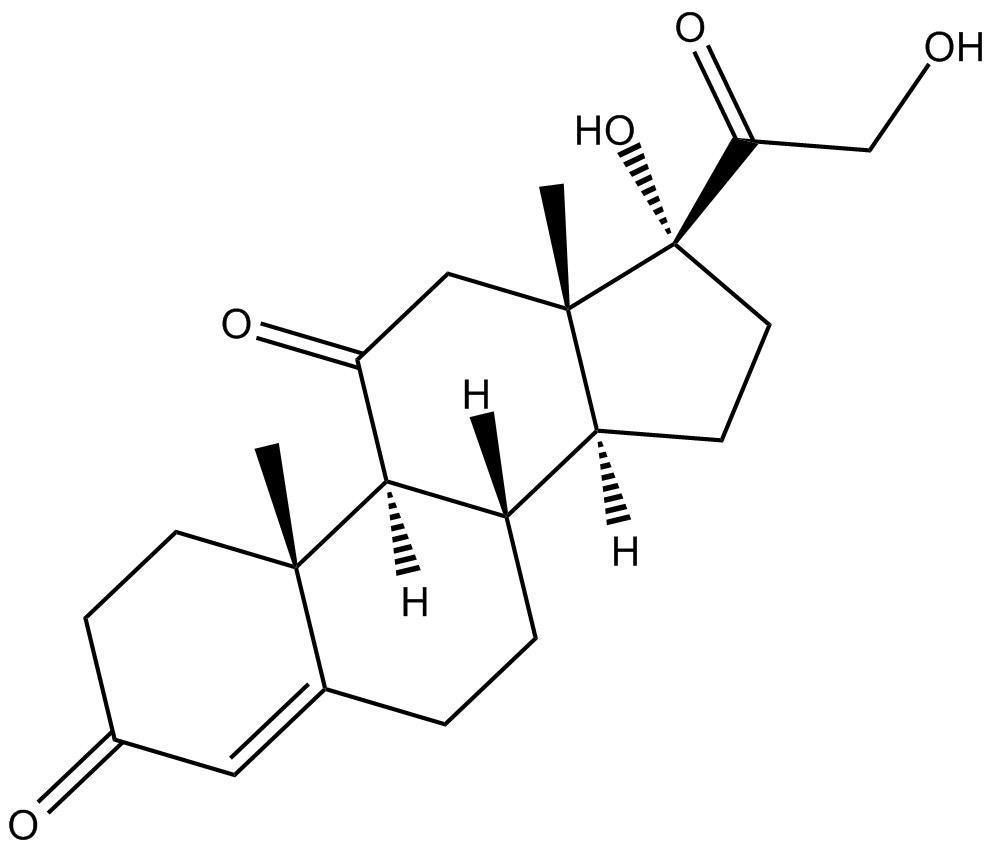 M1425 cortisoneSummary: A glucocorticoid used for replacement therapy in adrenal insufficiency and for its anti-inflammatory effects.
 -
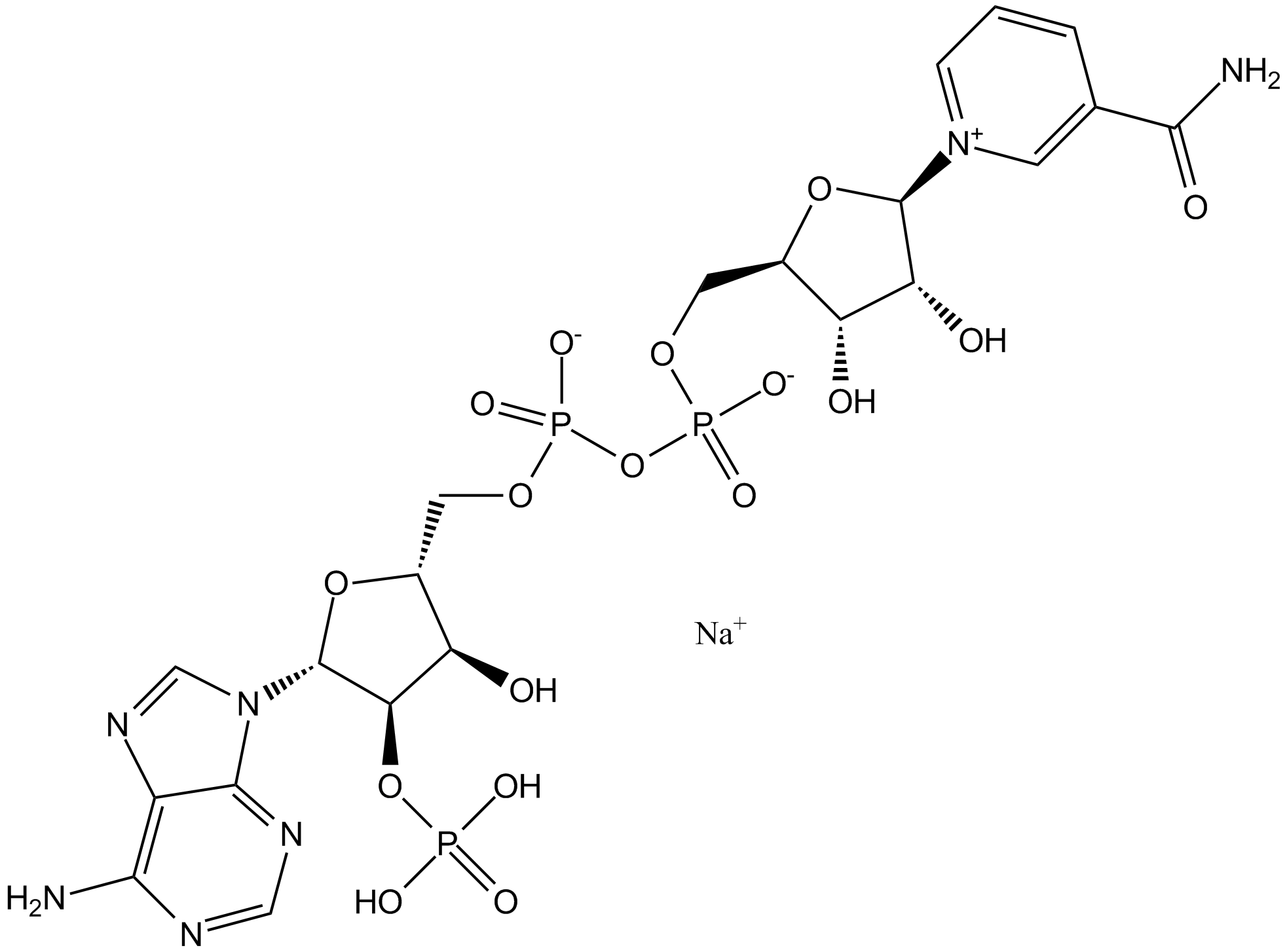 B8375 NADP sodium saltSummary: A coenzyme reagent widely used in research on cellular metabolism and redox homeostasis.
 -
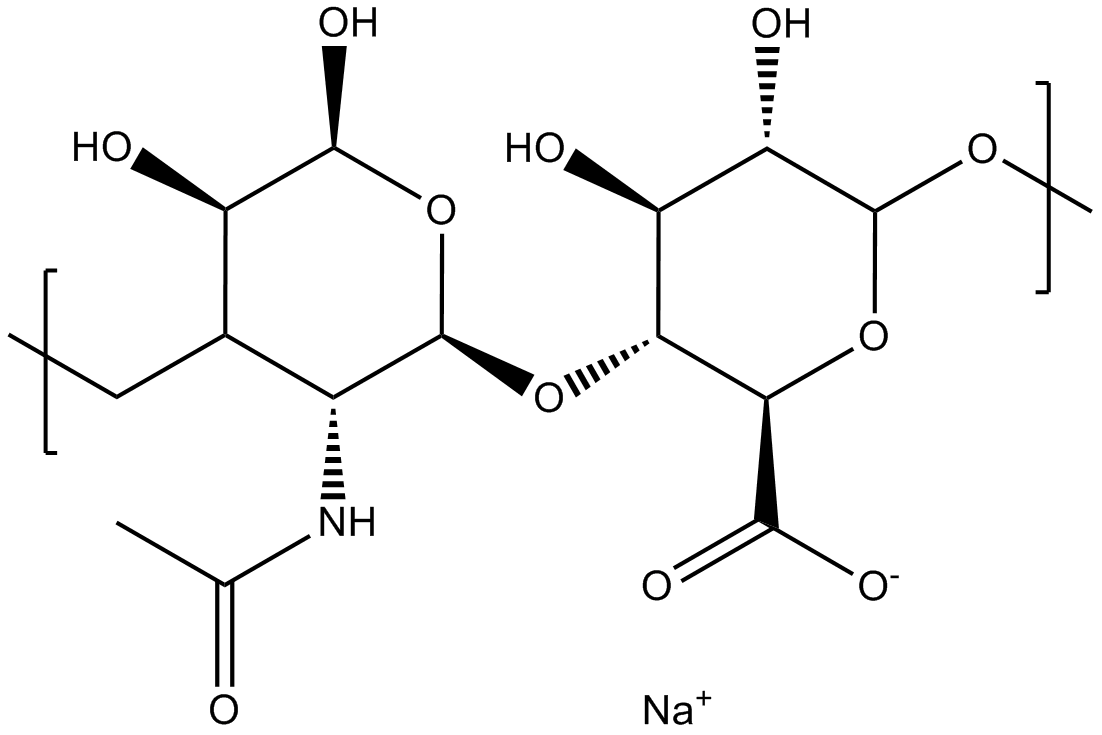 B8382 Hyaluronic acid sodium saltSummary: A biopolymer used for joint lubrication and shock absorption.
 -
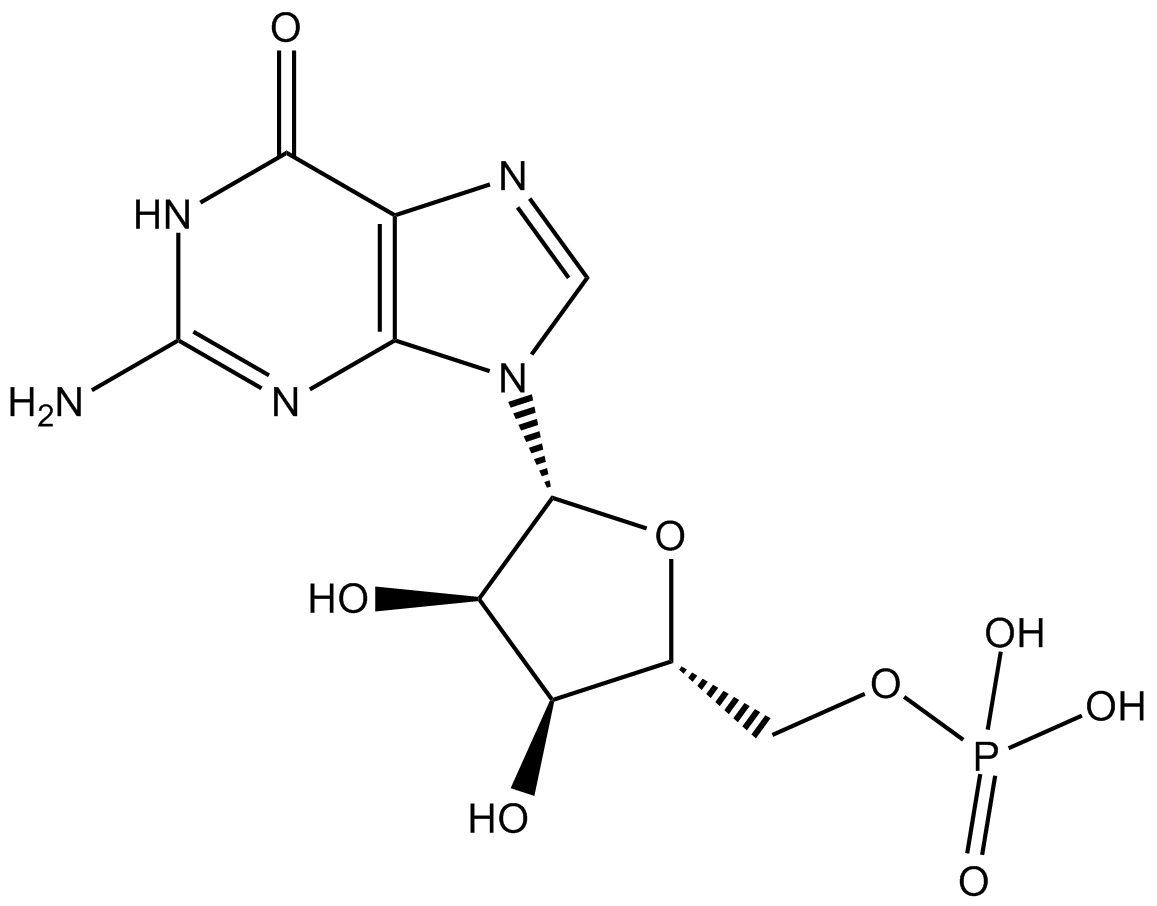 B8562 GMPSummary: A nucleotide for metabolic disorder research and the preparation of supramolecular catalysts.
 -
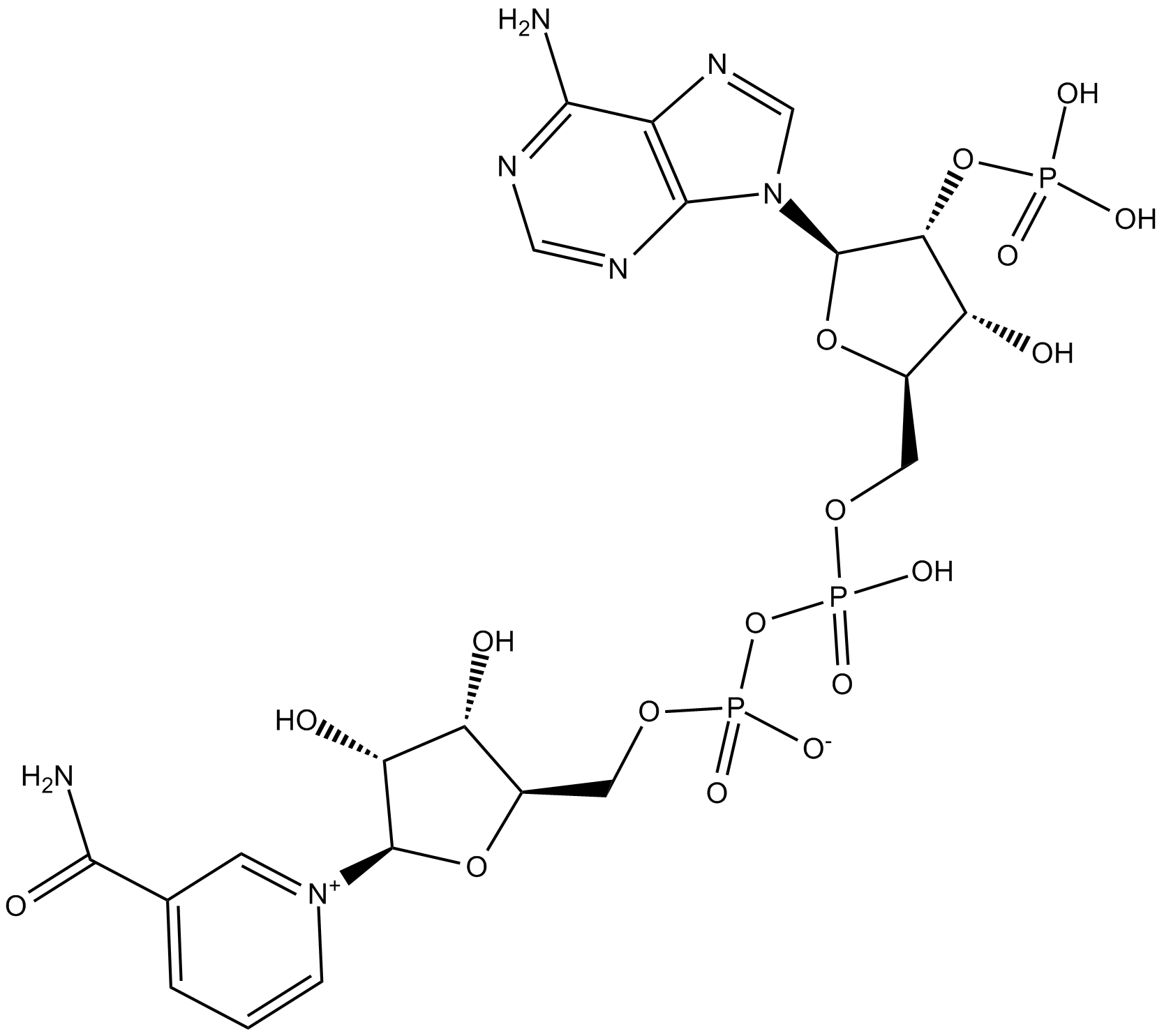 B8602 NADPSummary: A coenzyme that transfers electrons in cellular metabolism and maintains redox homeostasis.
 -
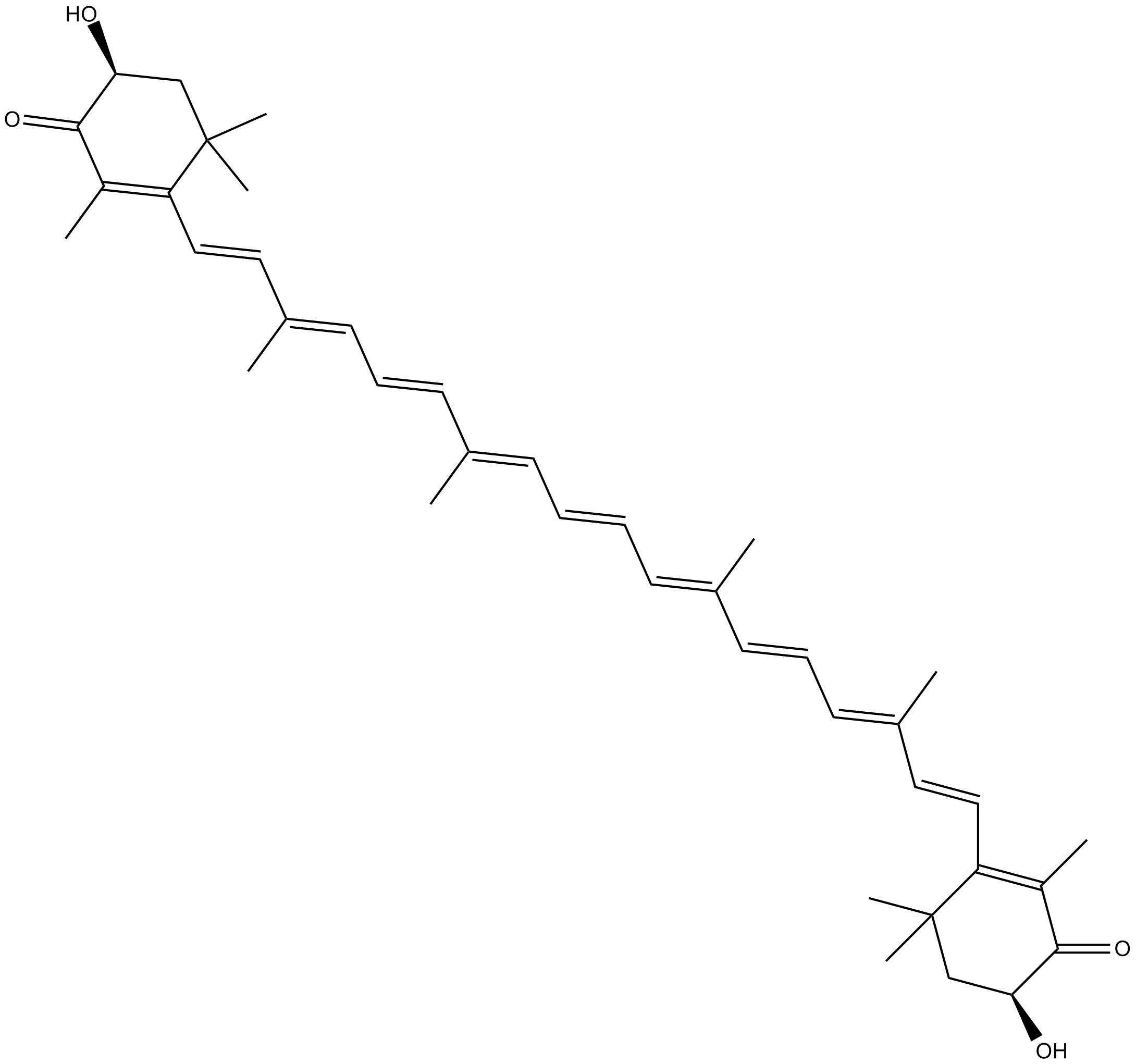 B8611 AstaxanthinSummary: A carotenoid with antioxidant, anti-inflammatory, anticancer, and feed coloring effects.
 -
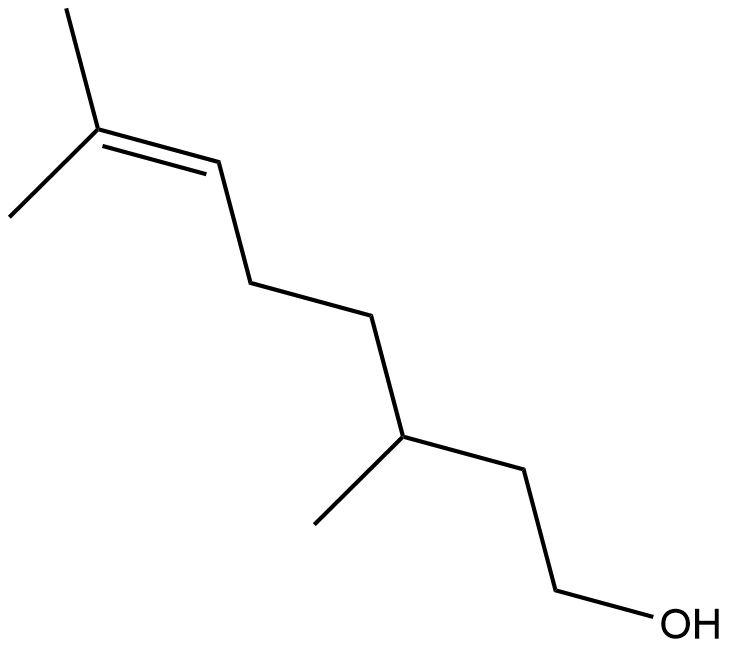 BA6197 CitronellolSummary: A monoterpene compound isolated from rose geranium
 -
 BA7410 OvalbuminsSummary: A major egg-white protein (ovalbumin, OVA) with anticancer, antihypertensive, antibacterial, antioxidant, and immunomodulatory activities
 -
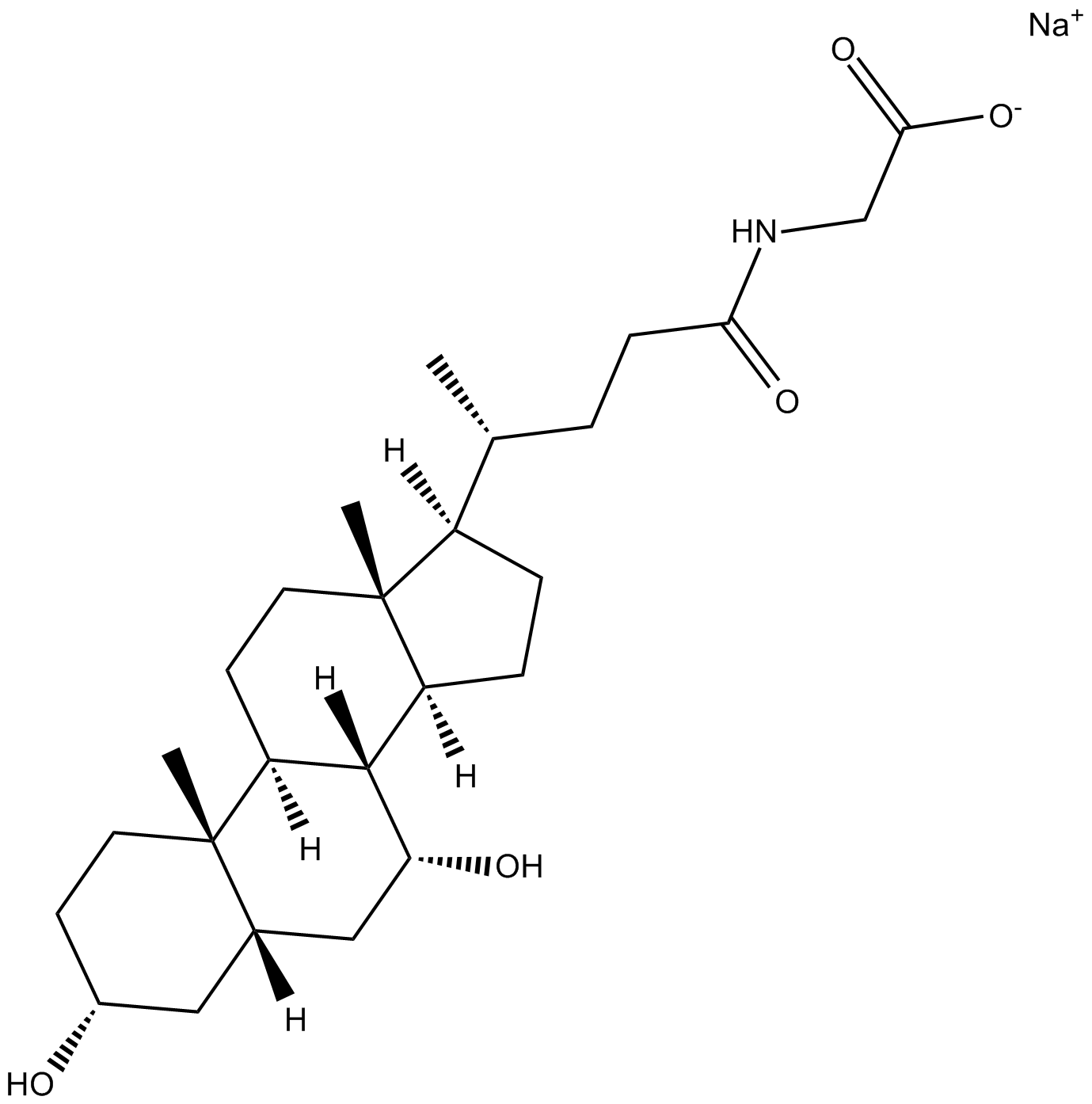 C3359 Glycochenodeoxycholic Acid (sodium salt)Summary: A bile acid metabolism modulator for research on cholestasis, liver cancer, and PSC.