Docosahexaenoic Acid
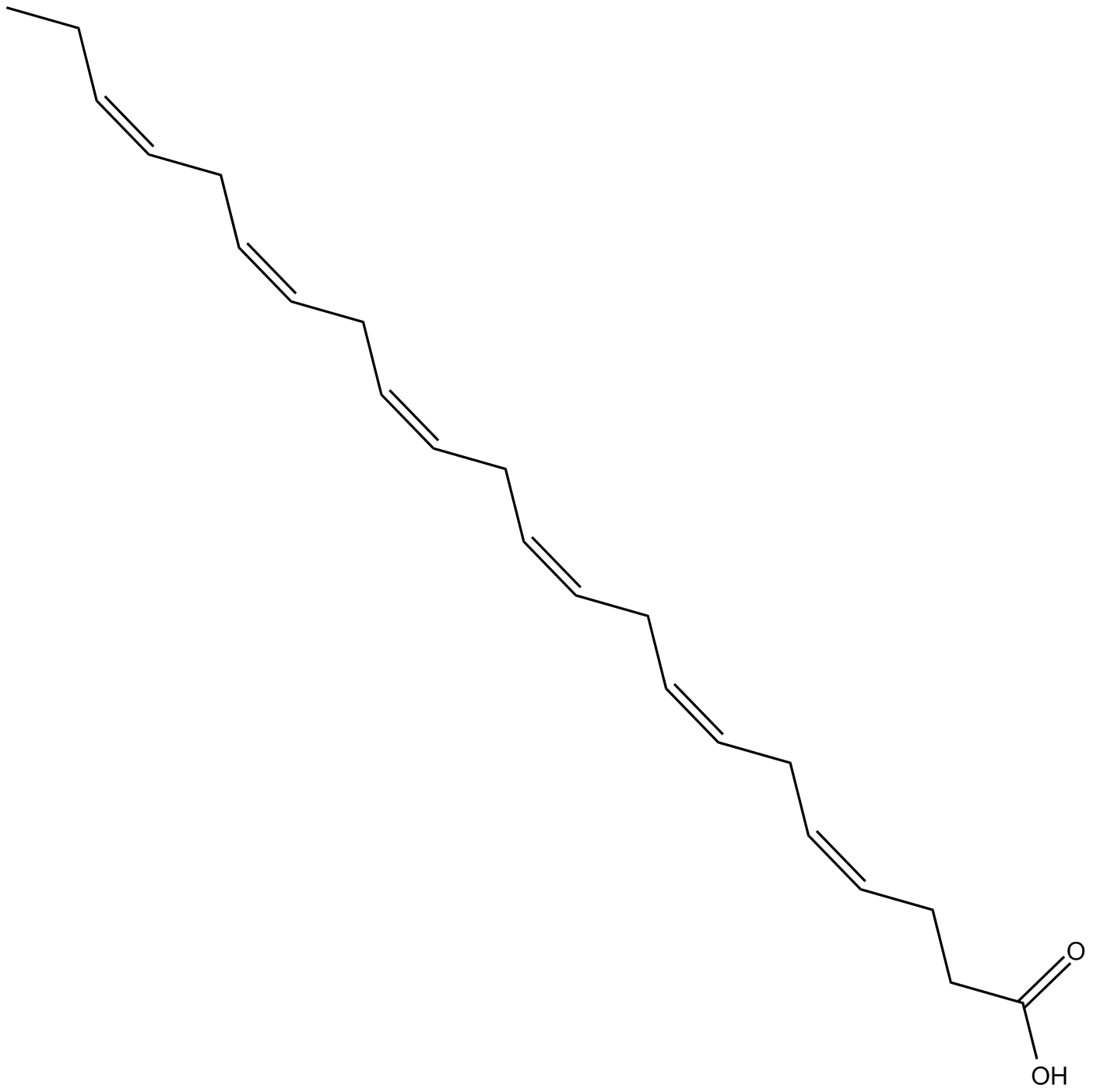
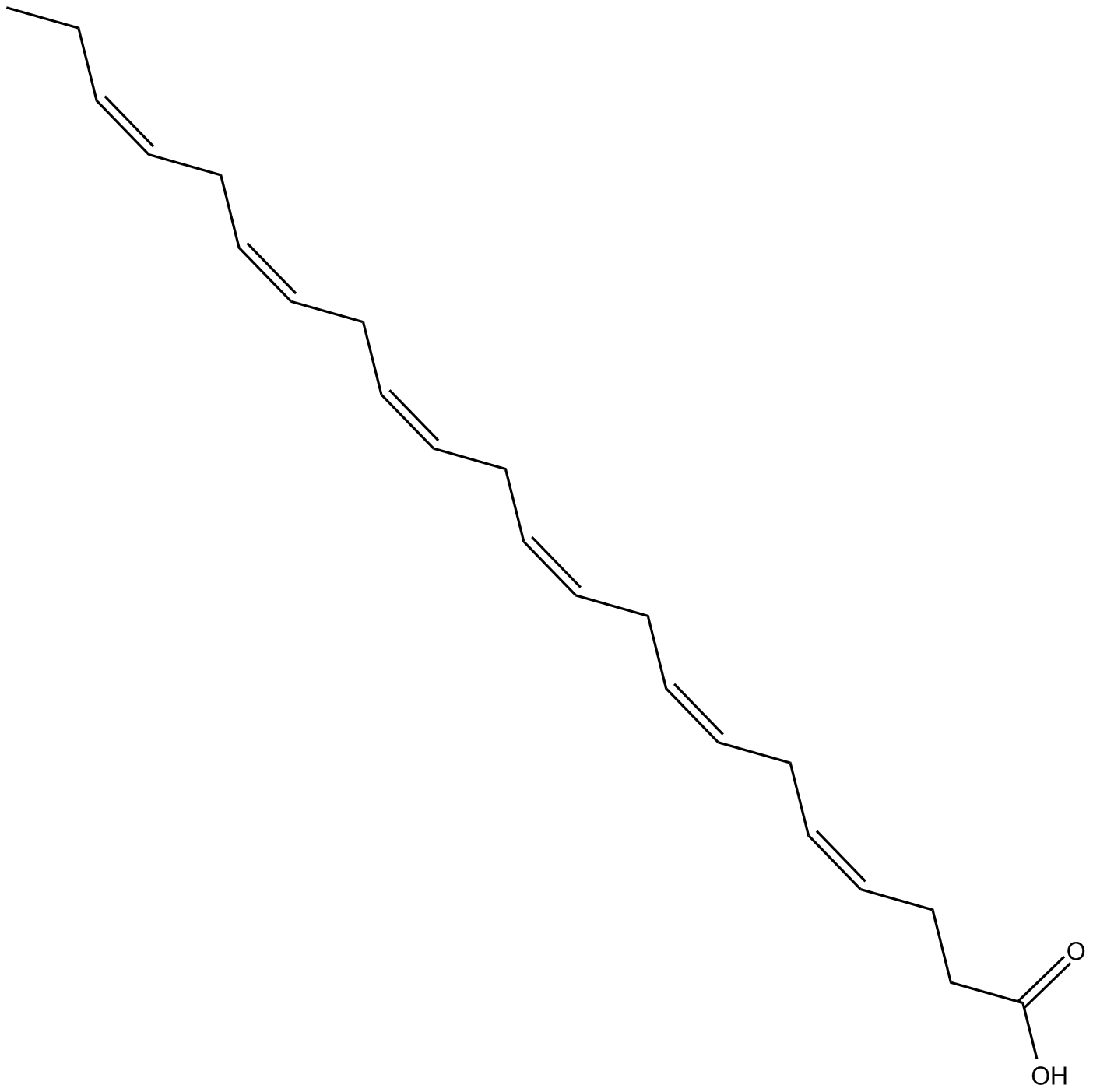
Docosahexaenoic acid (DHA, CAS No.: 6217-54-5) is a long-chain polyunsaturated ω-3 fatty acid that is primarily enriched in neural and retinal tissues and is well known for its important structural role in phospholipid membranes of the brain and visual system. In neurons, DHA is a key regulator of membrane fluidity and signal transduction, contributing to synaptic plasticity and neurotransmitter transmission. In addition, DHA serves as a precursor to specialized pro-resolving mediators and makes an important contribution to anti-inflammatory regulation.
In experimental studies, docosahexaenoic acid (DHA) has demonstrated neuroprotective effects by reducing oxidative stress and apoptosis in various neuronal and glial cell lines. Its effects on cell differentiation and survival have also been studied, but specific IC50 or EC50 values in these areas have not been broadly established. In addition, DHA can modulate the expression of genes related to synaptic function and lipid metabolism.
In biomedical and nutrition fields, docosahexaenoic acid (DHA) is widely used as a dietary supplement to support cognitive development, visual acuity, and cardiovascular health. It is an important additive in infant formula, and its therapeutic potential in neurodegenerative diseases, inflammatory diseases, and eye health continues to be evaluated.
- 1. Shengyong Feng, Enhao Ma, et al. "Dietary supplementation of arachidonic acid promotes humoral immunity." EMBO Molecular Medicine 12 September 2025
- 2. Zheng Lei, Jie Wan, et al. "Spatial metabolomics reveals key features of hippocampal lipid changes in rats with postoperative cognitive dysfunction." J Cereb Blood Flow Metab. 2024 Jun 17:271678X241261949. PMID: 38886876
| Physical Appearance | Liquid |
| Storage | -20°C |
| M.Wt | 328.49 |
| Cas No. | 6217-54-5 |
| Formula | C22H32O2 |
| Synonyms | C22:6 n -3; C22:6(4Z,7Z,10Z,13Z,16Z,19Z); Cervonic Acid; DHA; 4,7,10,13,16,19-Docosahexaenoic Acid |
| Solubility | insoluble in H2O; ≥44.9 mg/mL in DMSO; ≥50.7 mg/mL in EtOH |
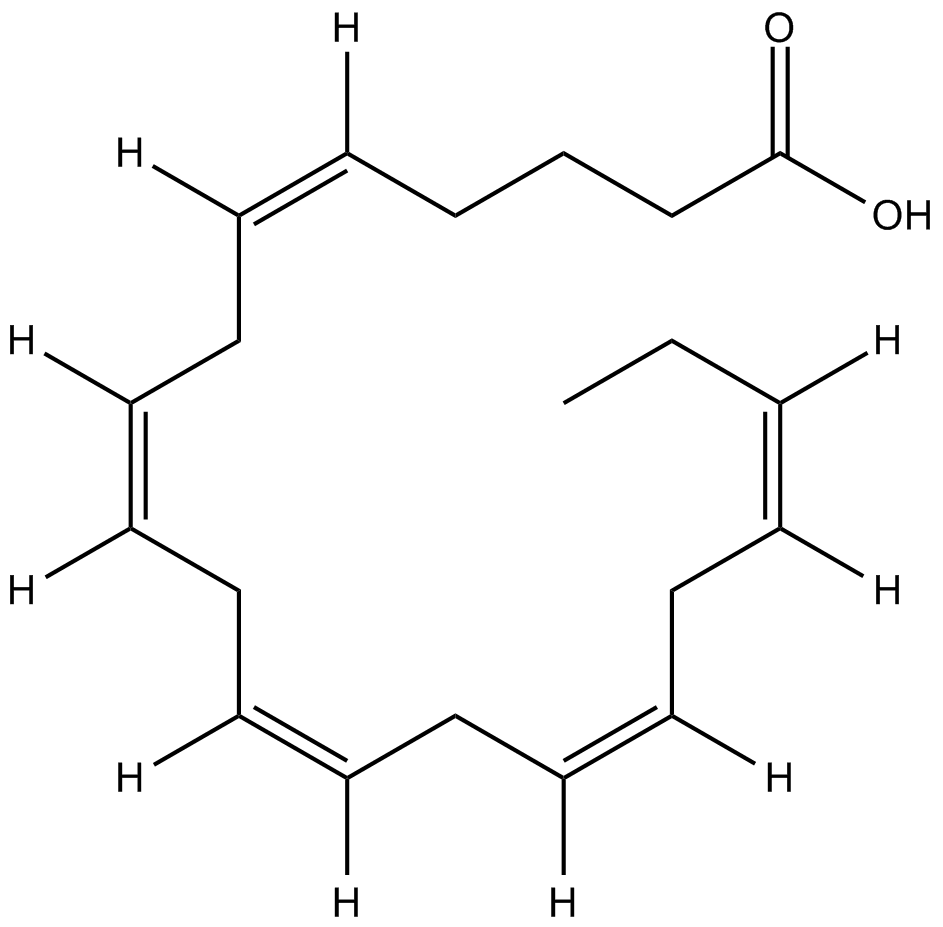
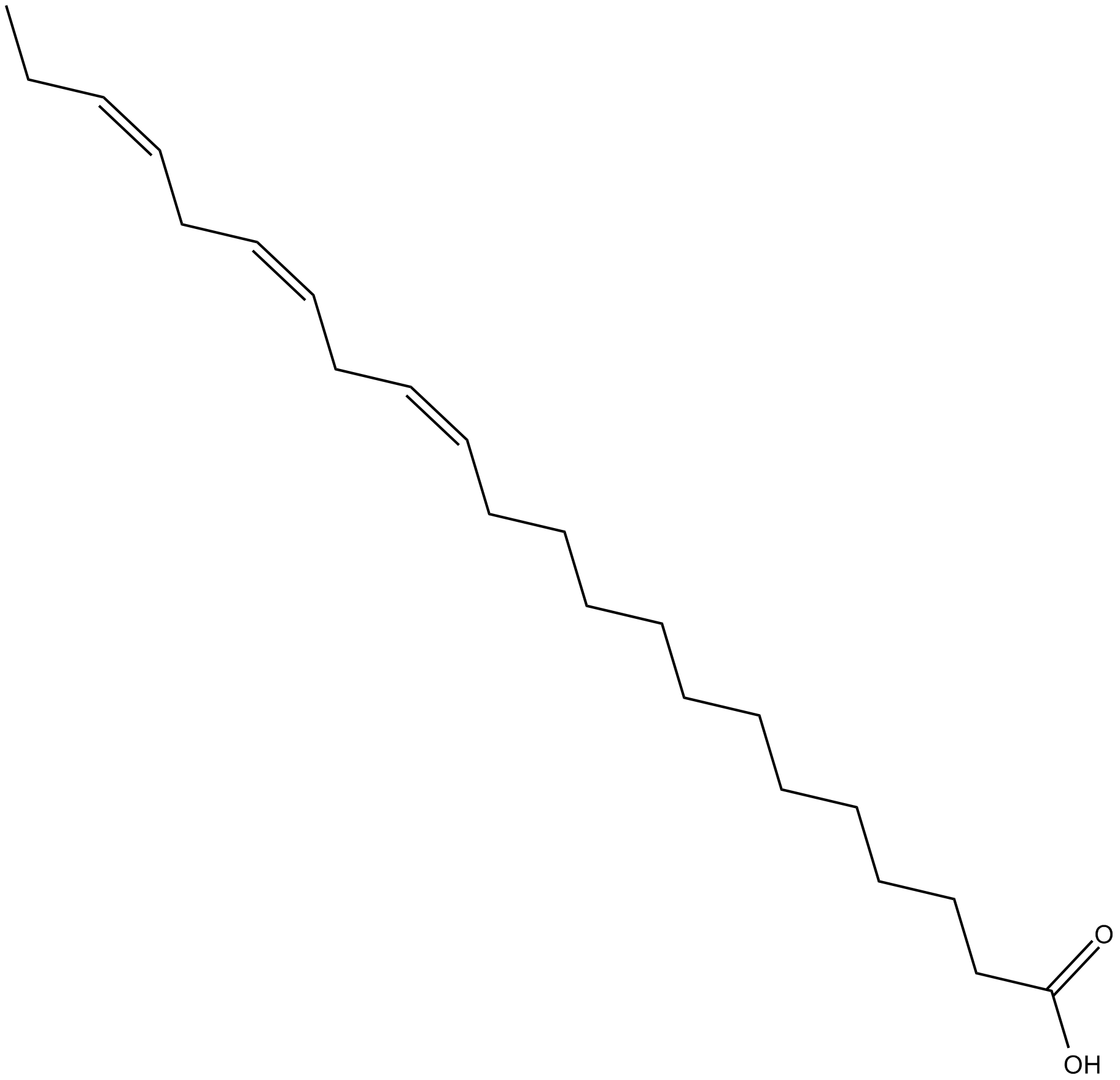
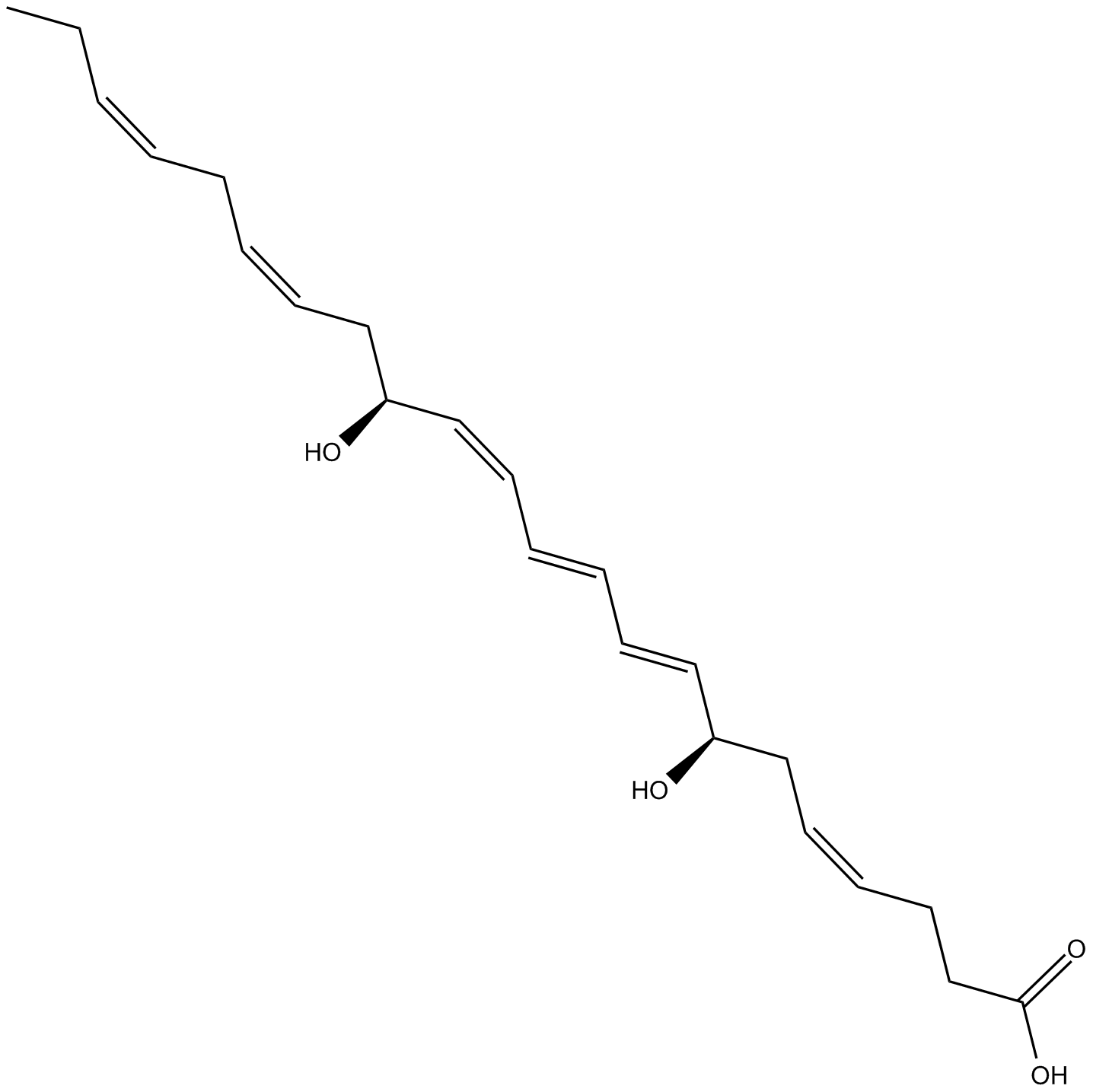
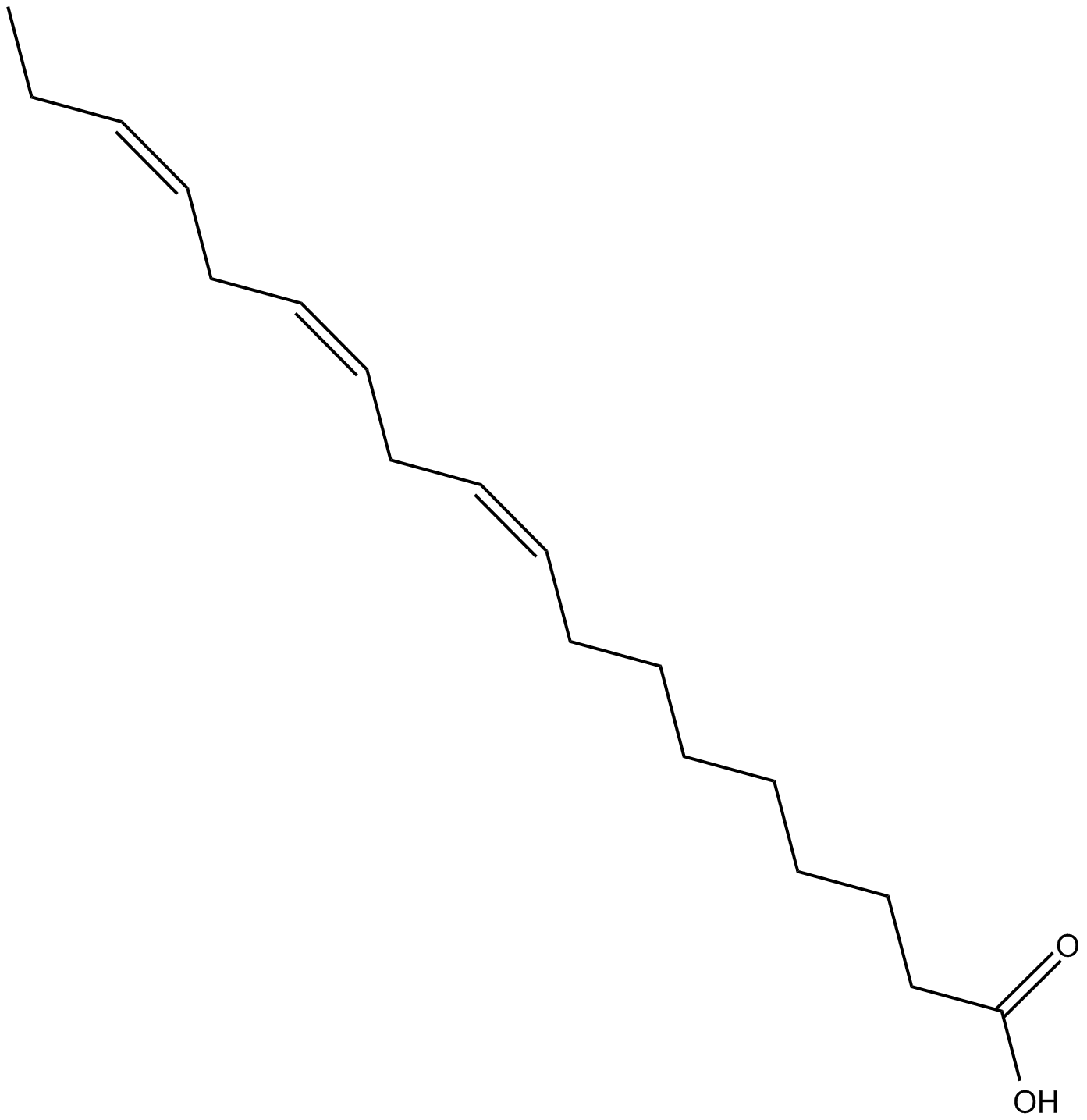
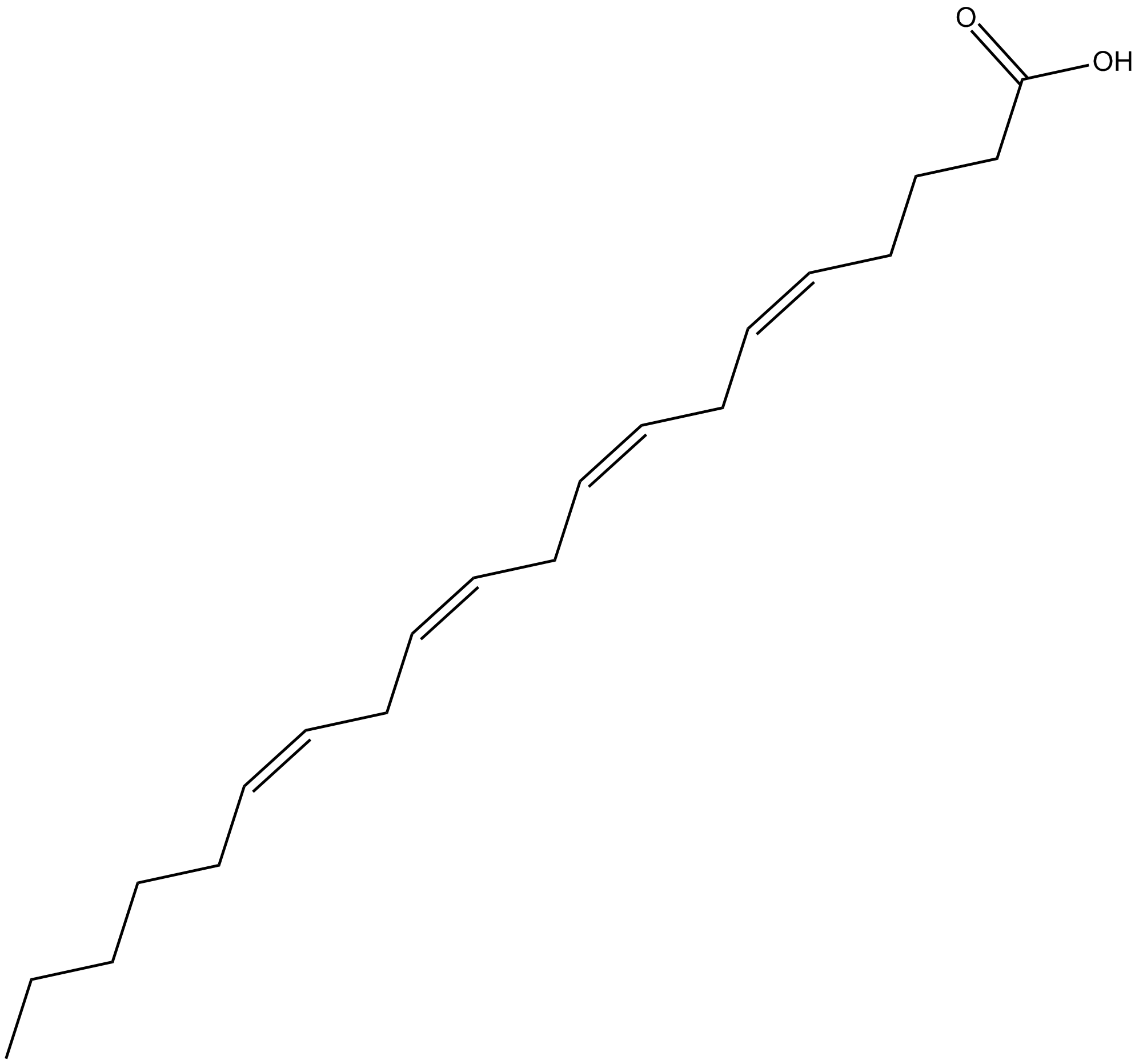
| Chemical Name | (4Z,7Z,10Z,13Z,16Z,19Z)-docosa-4,7,10,13,16,19-hexaenoic acid |
| Canonical SMILES | CC/C=C\C/C=C\C/C=C\C/C=C\C/C=C\C/C=C\CCC(=O)O |
| Shipping Condition | Small Molecules with Blue Ice, Modified Nucleotides with Dry Ice. |
| General tips | We do not recommend long-term storage for the solution, please use it up soon. |
Quality Control & MSDS
- View current batch:
Chemical structure