


Metabolism
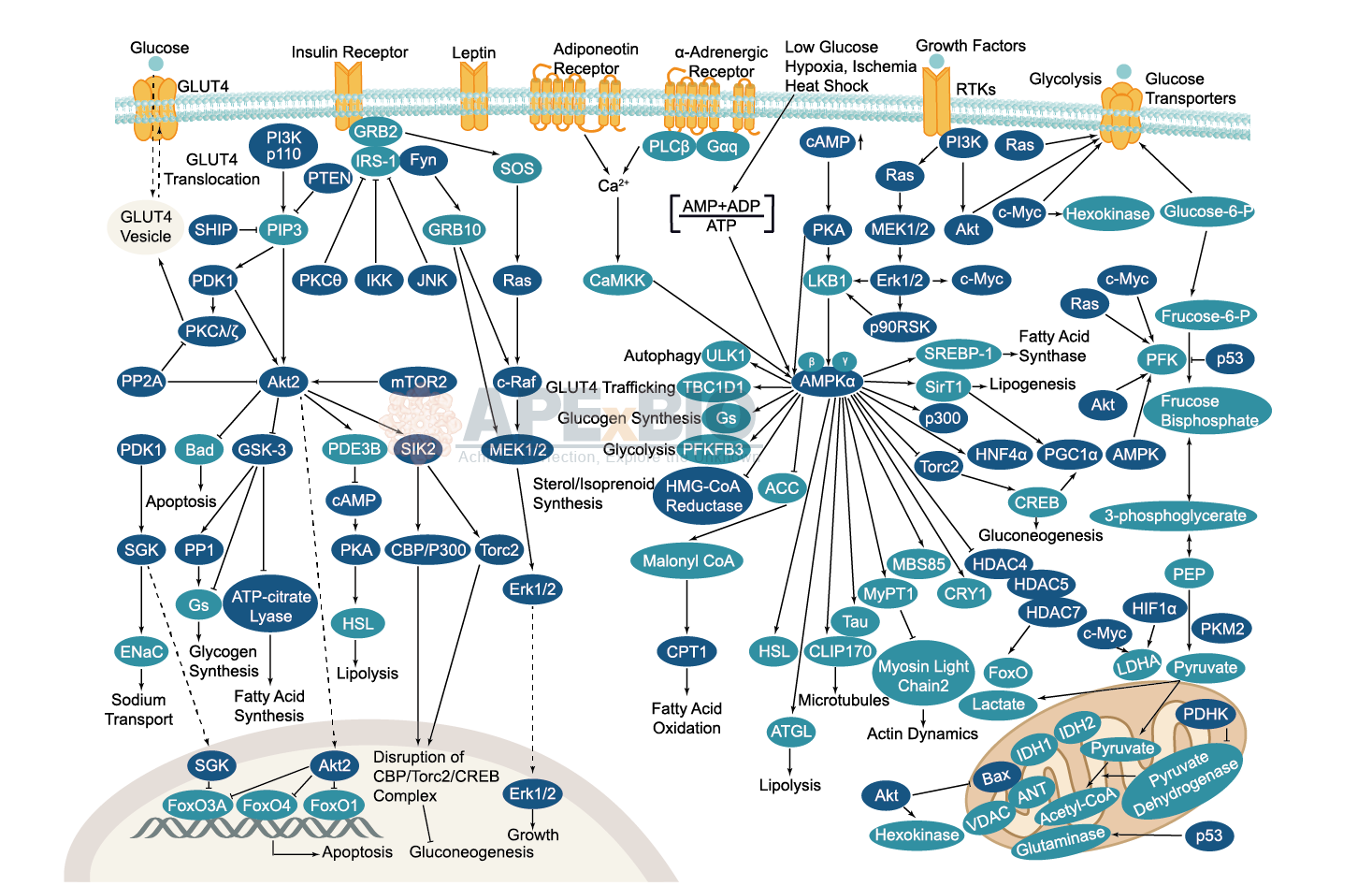
Serine/threonine kinase AMPK upregulates glucose uptake by promoting the expression and function of glucose transporters. AMPK is activated by increased AMP/ATP ratio, resulting from cellular and environmental stress, e.g. low glucose, heat shock, hypoxia and ischemia. AMPK activation positively modulates signaling transductions that refill ATP levels. Moreover, it also stimulates catabolic processes such as fatty acid oxidation and glycolysis through inhibition of ACC and activation of PFK2. AMPK negatively regulates various proteins which are important to ATP-consuming mechanisms, e.g. mTORC2, glycogen synthase, SREBP-1, and TSC2, causing the downregulation/inhibition of gluconeogenesis and glycogen, lipid and protein synthesis.
-
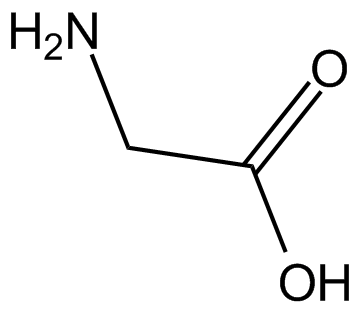 C6100 GlycineSummary: An inhibitory neurotransmitter for research on neurological diseases, cancer, and cytoprotection.
 -
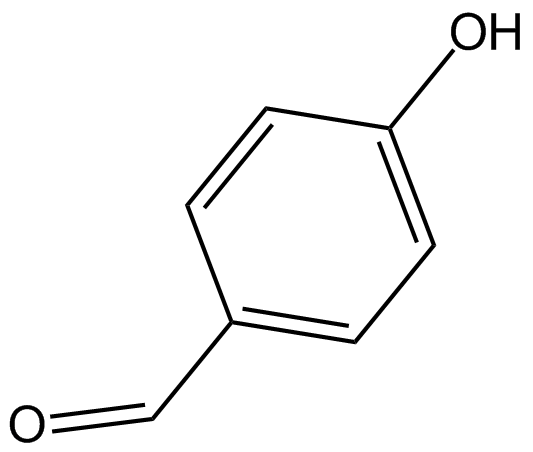 C6102 p-HydroxybenzaldehydeSummary: An organic compound that can be used in fragrances and interacts with the GABAA receptor.
 -
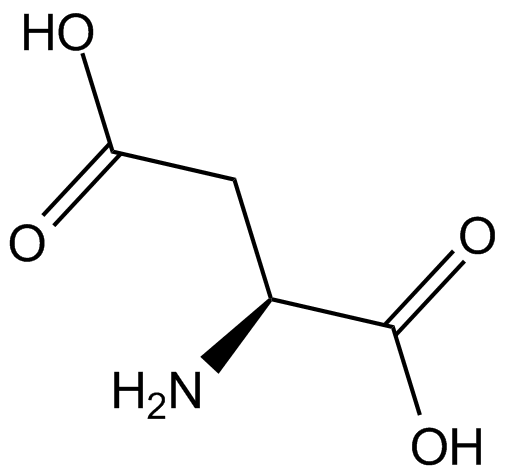 C6106 L-Aspartic acidSummary: A non-essential amino acid commonly used as a precursor for colon-specific delivery of active molecules.
 -
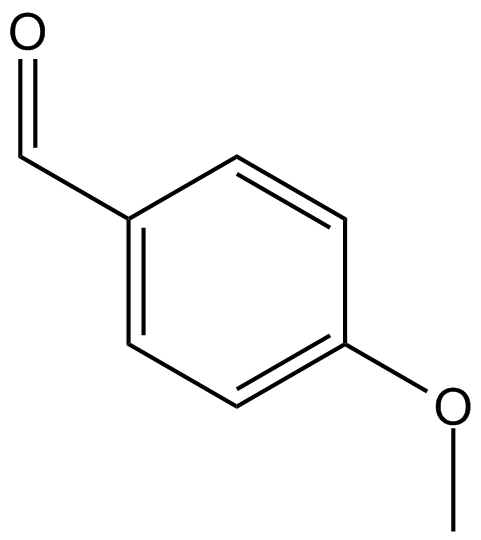 C6107 p-AnisaldehydeSummary: A naturally occurring aromatic aldehyde compound, used in research on insect behavior and drug design.
 -
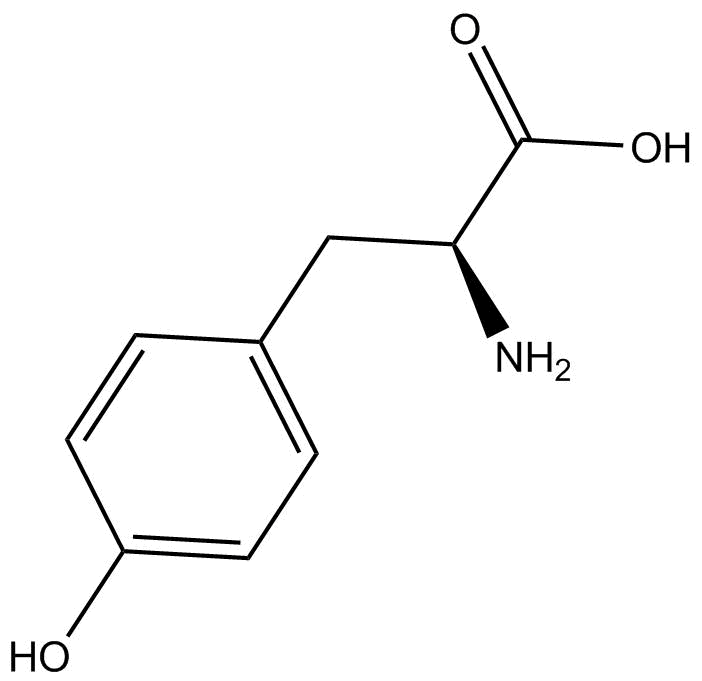 C6109 L-TyrosineSummary: A non-essential amino acid used for the synthesis of epinephrine, thyroid hormones, and melanin.
 -
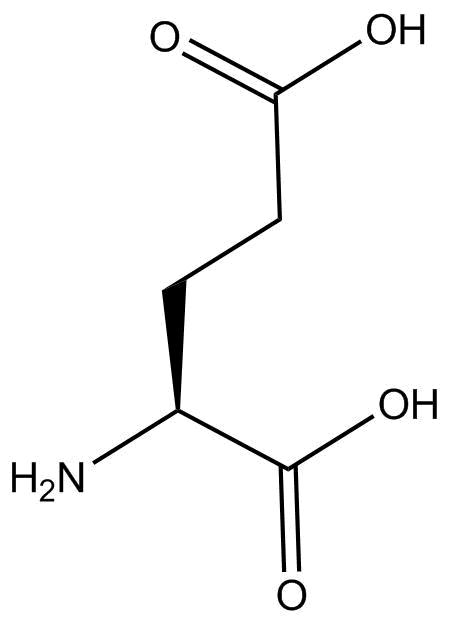 C6110 (S)-Glutamic acidSummary: An endogenous excitatory amino acid neurotransmitter that activates glutamate receptors.
 -
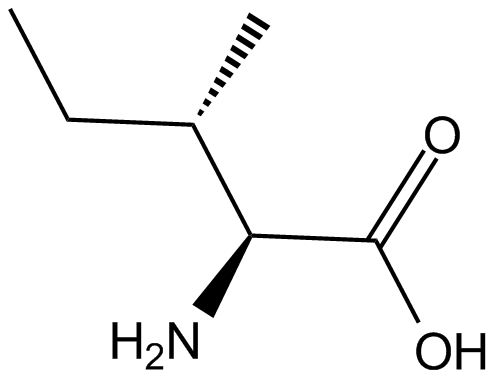 C6111 (2S,3S)-2-Amino-3-methylpentanoic acidSummary: An essential amino acid involved in blood glucose energy regulation and hemoglobin synthesis.
 -
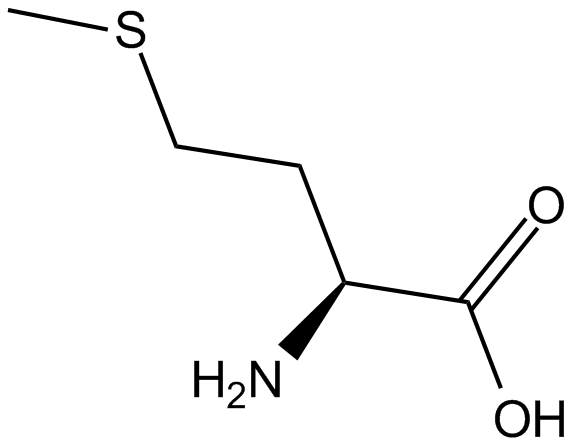 C6113 L-MethionineSummary: An essential amino acid used for liver protection, heavy metal chelation, and anti-tumor purposes.
 -
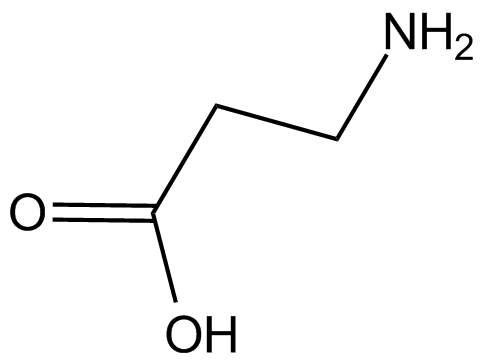 C6114 beta-AlanineSummary: An amino acid metabolite that functions as a buffer within cells.
 -
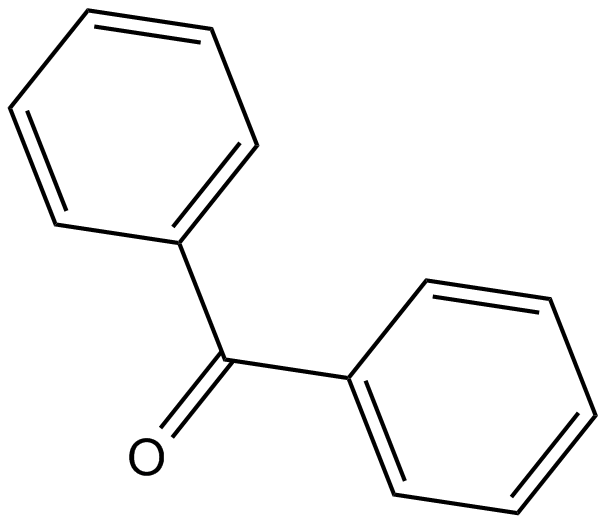 C6116 BenzophenoneSummary: An organic compound used in fragrances, UV curing agents, and pharmaceutical synthesis.