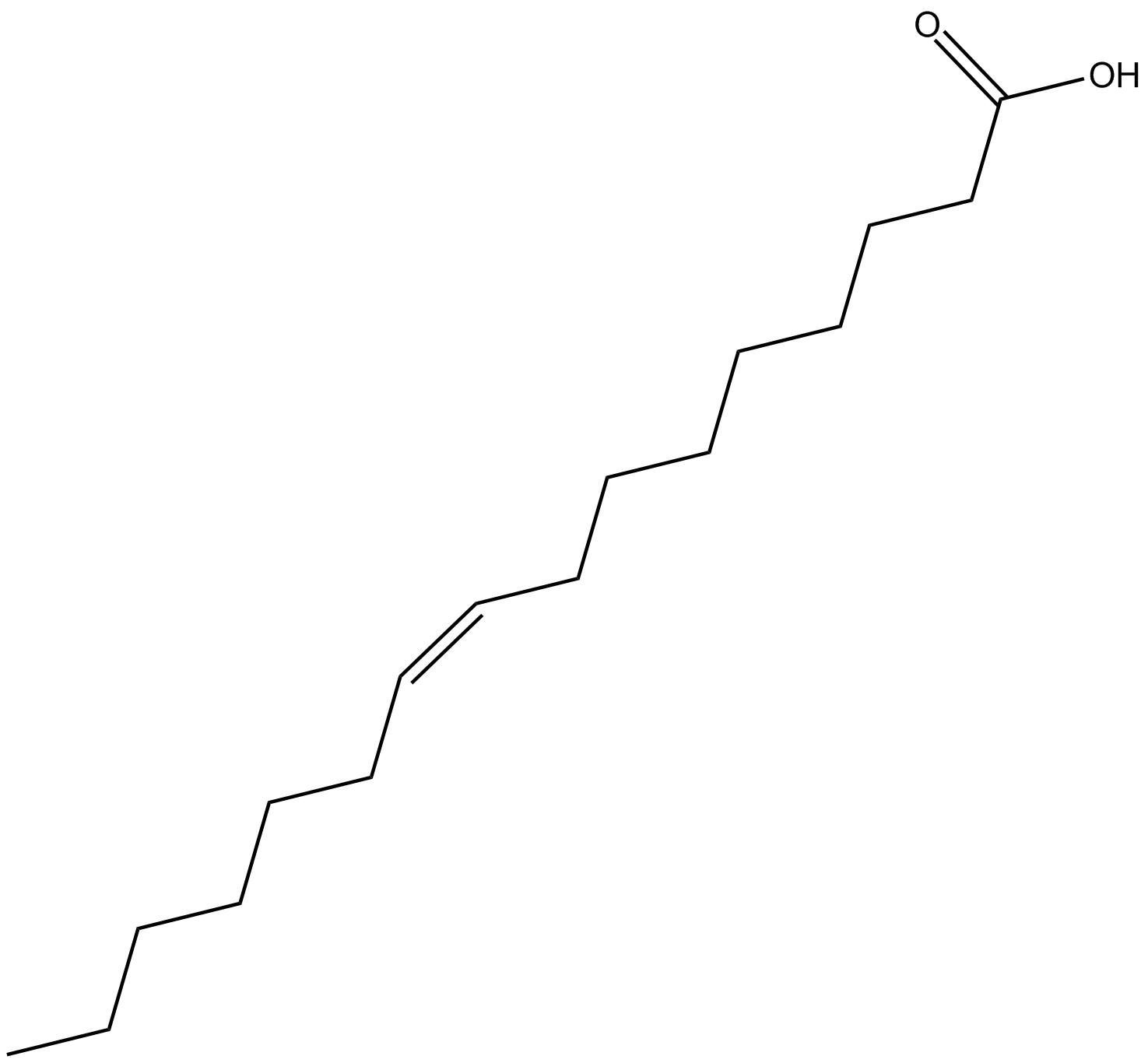
Palmitelaidic Acid
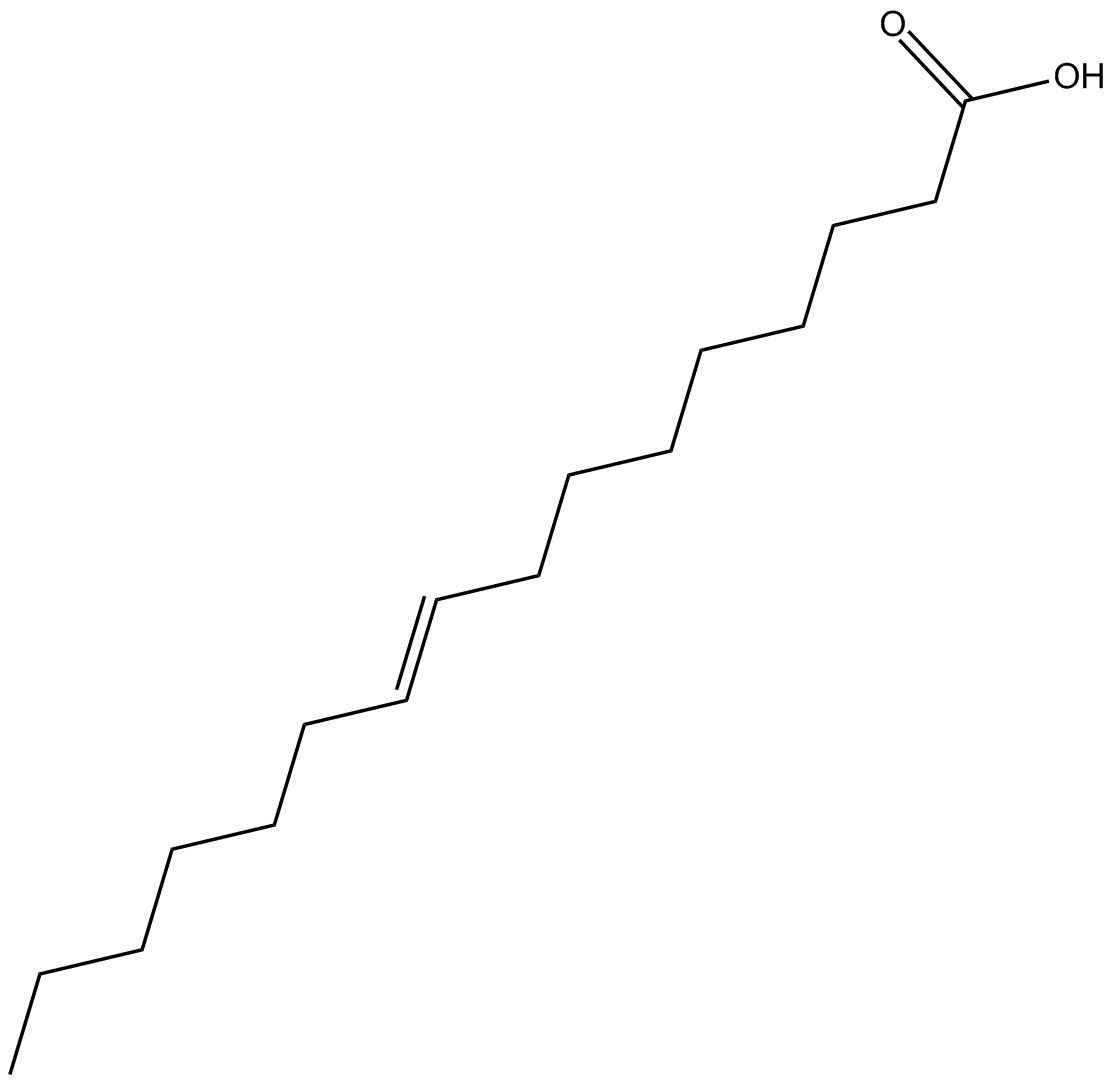
Palmitelaidic Acid (CAS No.: 10030-73-6) is a trans monounsaturated fatty acid and the geometric isomer of palmitoleic acid, widely utilized in lipid metabolism research to investigate the biological effects of trans fatty acids in physiological and pathological contexts. As a lipid-derived molecule present in biological systems, it serves as a relevant tool for studying alterations in membrane composition and dynamics, where its incorporation can modulate membrane fluidity and influence receptor-mediated signaling processes. Palmitelaidic acid has been implicated in the regulation of key metabolic and inflammatory pathways, including those associated with insulin signaling, lipid homeostasis, and cytokine production, thereby contributing to mechanistic studies of metabolic disorders such as insulin resistance, atherosclerosis, and diabetes. Although precise molecular targets remain incompletely defined, its activity is generally associated with modulation of lipid-sensitive signaling networks and membrane-associated protein function, with observed biological effects typically occurring in the micromolar concentration range in vitro depending on the experimental system. This compound is commonly applied in cell-based assays and animal models to explore the impact of trans fatty acids on metabolic regulation and inflammatory responses, as well as in drug discovery efforts aimed at elucidating lipid-mediated signaling mechanisms, with experimental concentrations or dosing regimens tailored to specific study designs.
| Physical Appearance | A solid |
| Storage | -20°C |
| M.Wt | 254.41 |
| Cas No. | 10030-73-6 |
| Formula | C16H30O2 |
| Synonyms | C16:1(9E); FA 16:1; 9- trans -Hexadecenoic Acid |
| Solubility | ≥24.65 mg/mL in DMSO; ≥48 mg/mL in EtOH; insoluble in H2O |
| Chemical Name | (E)-hexadec-9-enoic acid |
| Canonical SMILES | CCCCCC/C=C/CCCCCCCC(O)=O |
| Shipping Condition | Small Molecules with Blue Ice, Modified Nucleotides with Dry Ice. |
| General tips | We do not recommend long-term storage for the solution, please use it up soon. |