


Metabolism
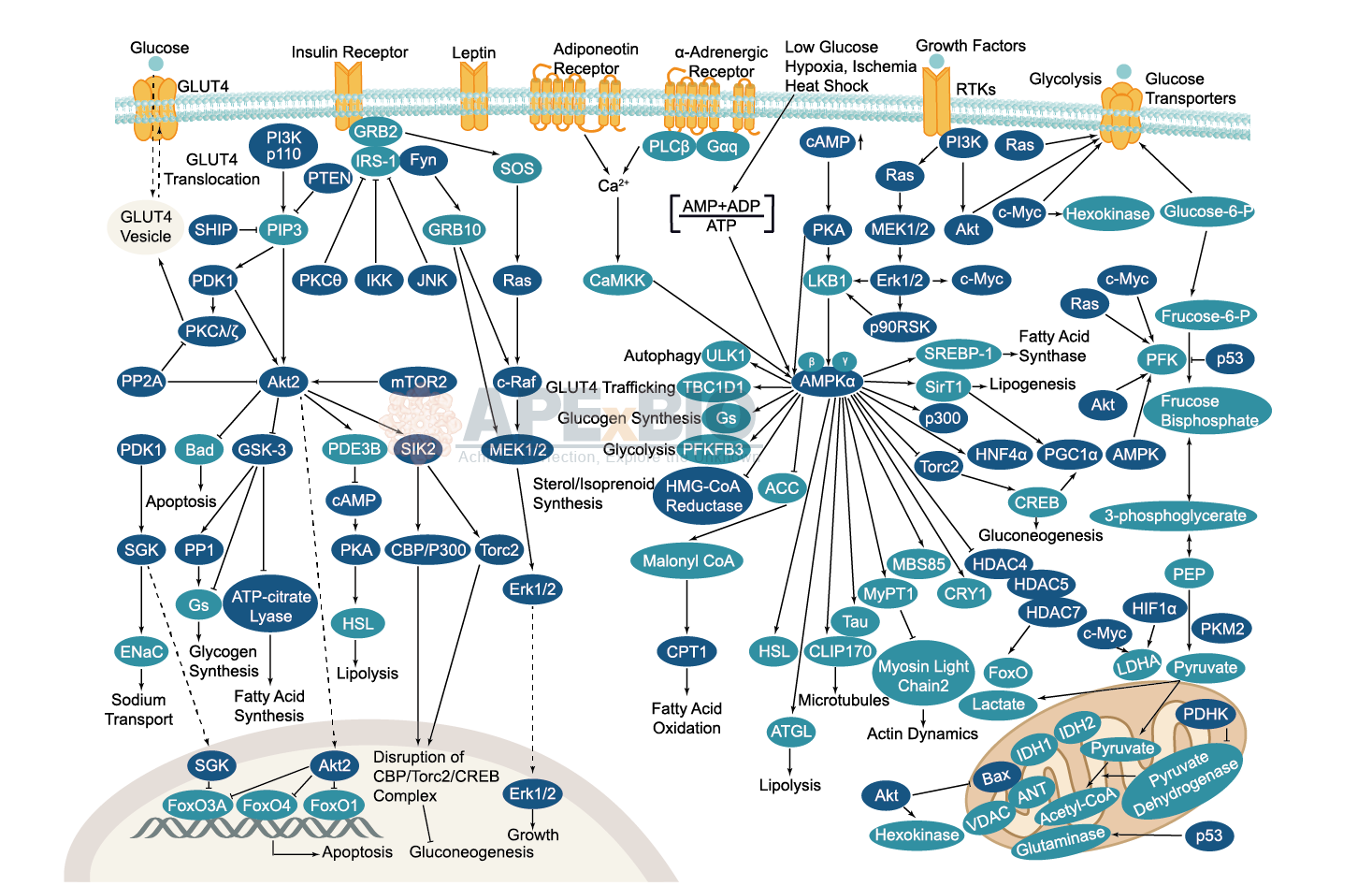
Serine/threonine kinase AMPK upregulates glucose uptake by promoting the expression and function of glucose transporters. AMPK is activated by increased AMP/ATP ratio, resulting from cellular and environmental stress, e.g. low glucose, heat shock, hypoxia and ischemia. AMPK activation positively modulates signaling transductions that refill ATP levels. Moreover, it also stimulates catabolic processes such as fatty acid oxidation and glycolysis through inhibition of ACC and activation of PFK2. AMPK negatively regulates various proteins which are important to ATP-consuming mechanisms, e.g. mTORC2, glycogen synthase, SREBP-1, and TSC2, causing the downregulation/inhibition of gluconeogenesis and glycogen, lipid and protein synthesis.
-
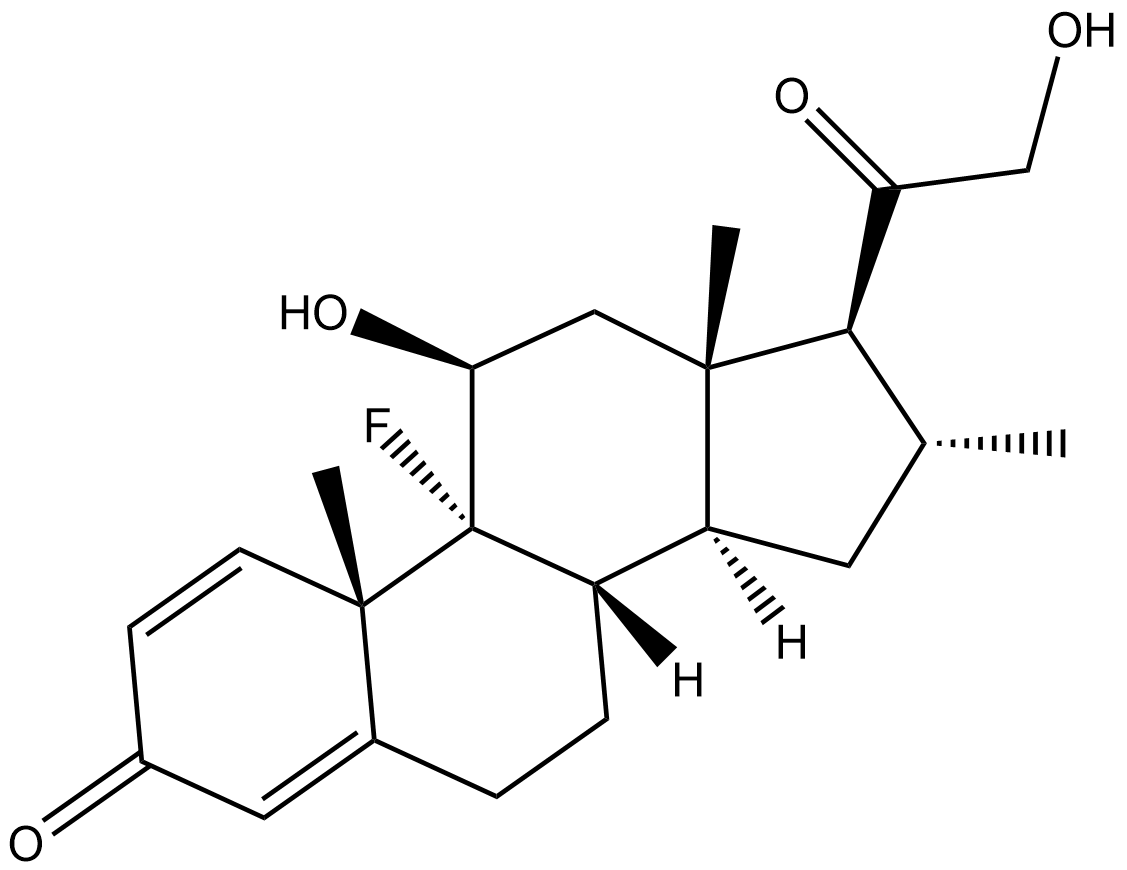 C8889 DesoximetasoneSummary: A glucocorticoid
 -
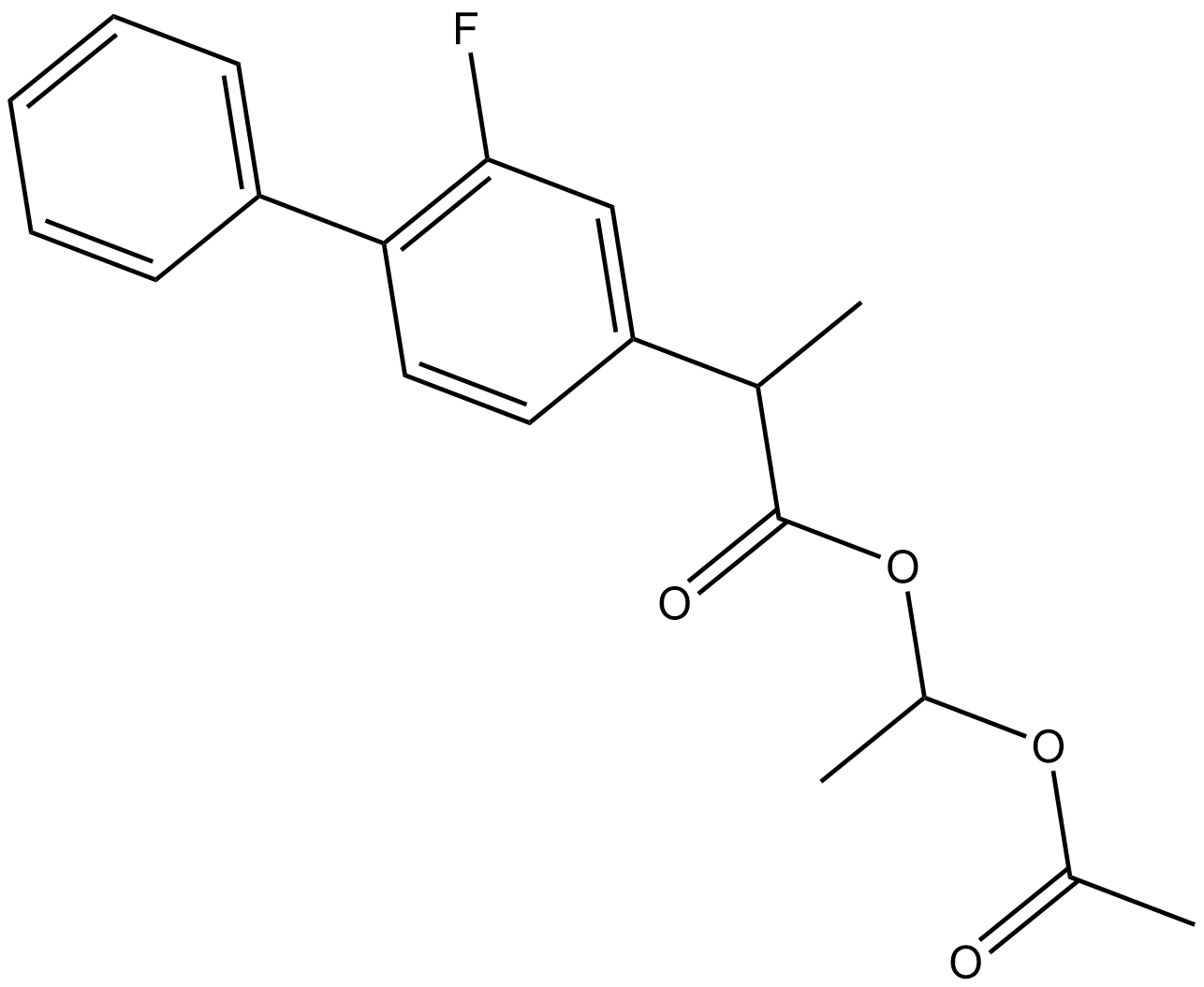 C8908 Flurbiprofen AxetilSummary: A non-selective cyclooxygenase inhibitor and nonsteroidal anti-inflammatory agent with anti-inflammatory and analgesic effects
 -
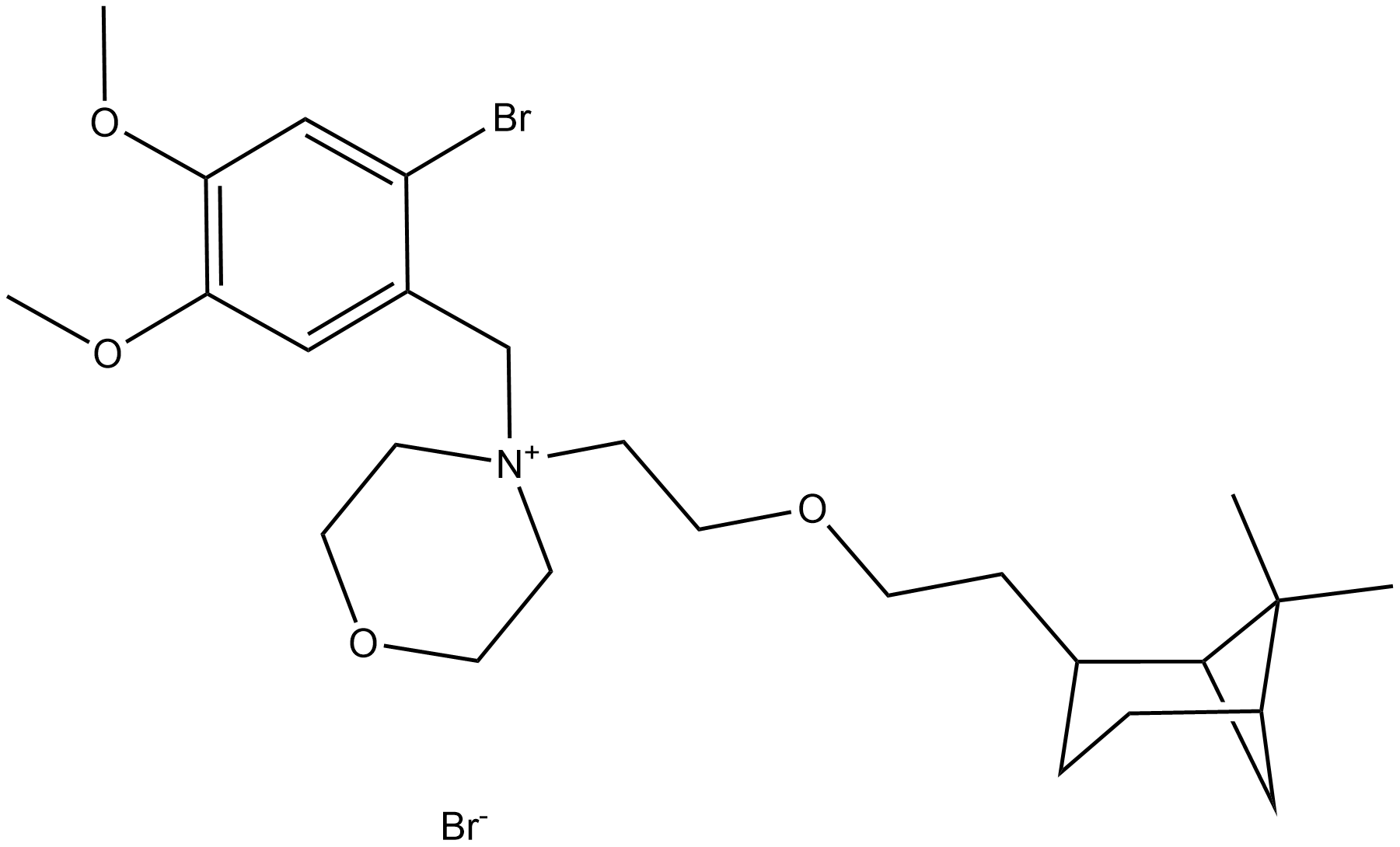 C8910 Pinaverium bromideSummary: An L-type calcium channel inhibitor
 -
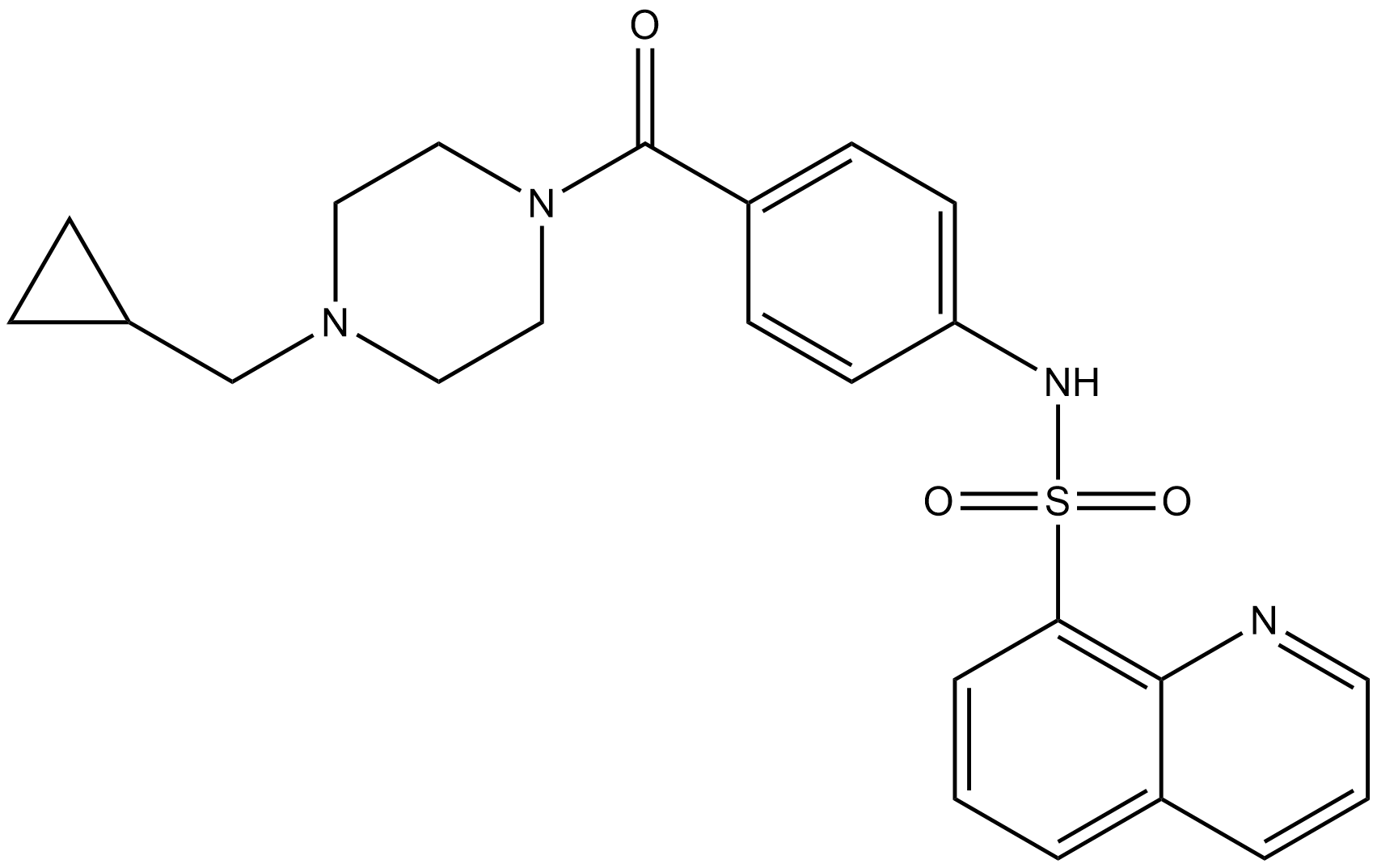 C8911 MitapivatSummary: An allosteric activator of PKR
 -
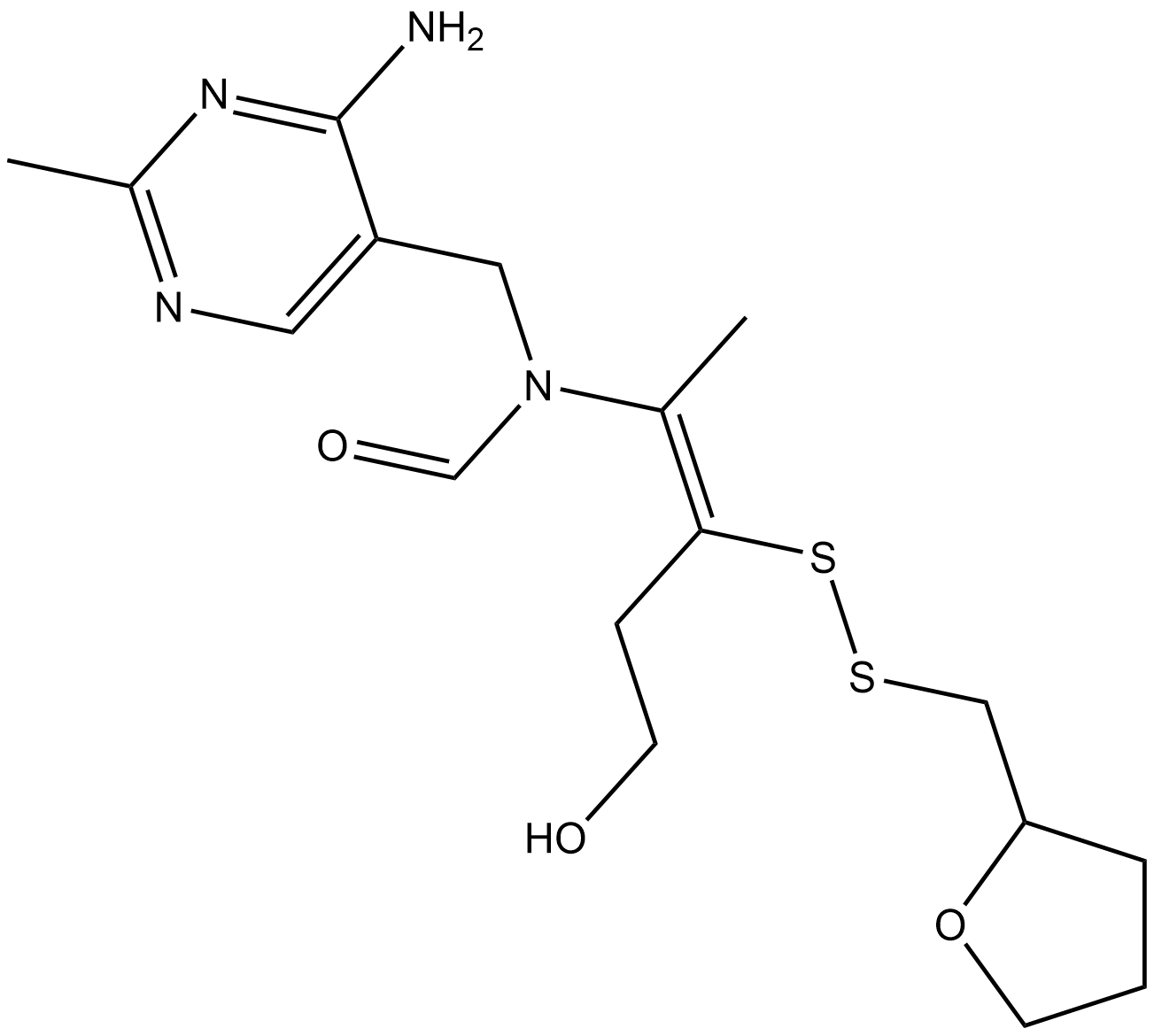 C8914 FursultiamineSummary: A derivative of vitamin B1
 -
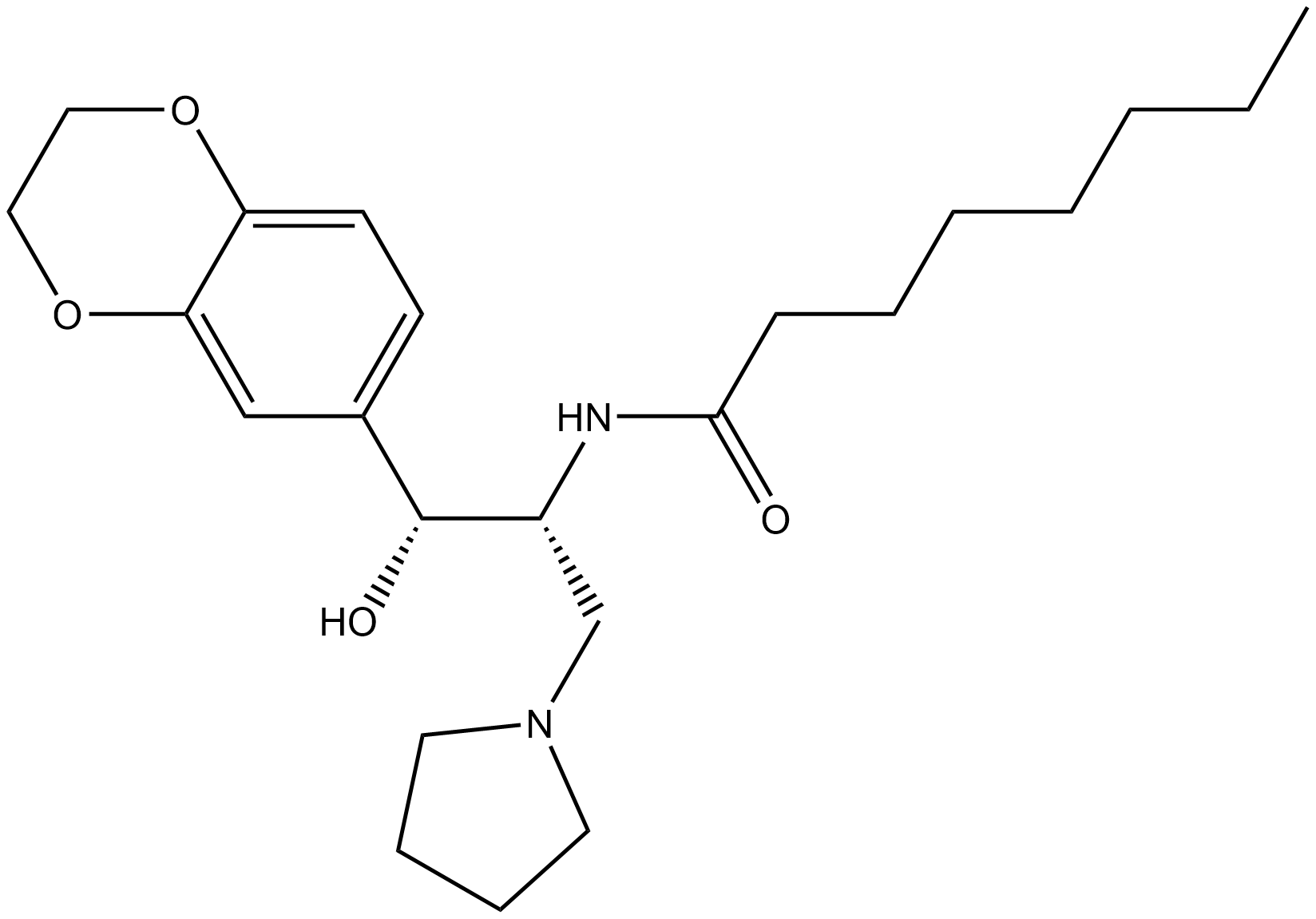 C8915 EliglustatSummary: A specific,, orally active glucocerebroside synthase inhibitor used for the treatment of Gaucher disease
 -
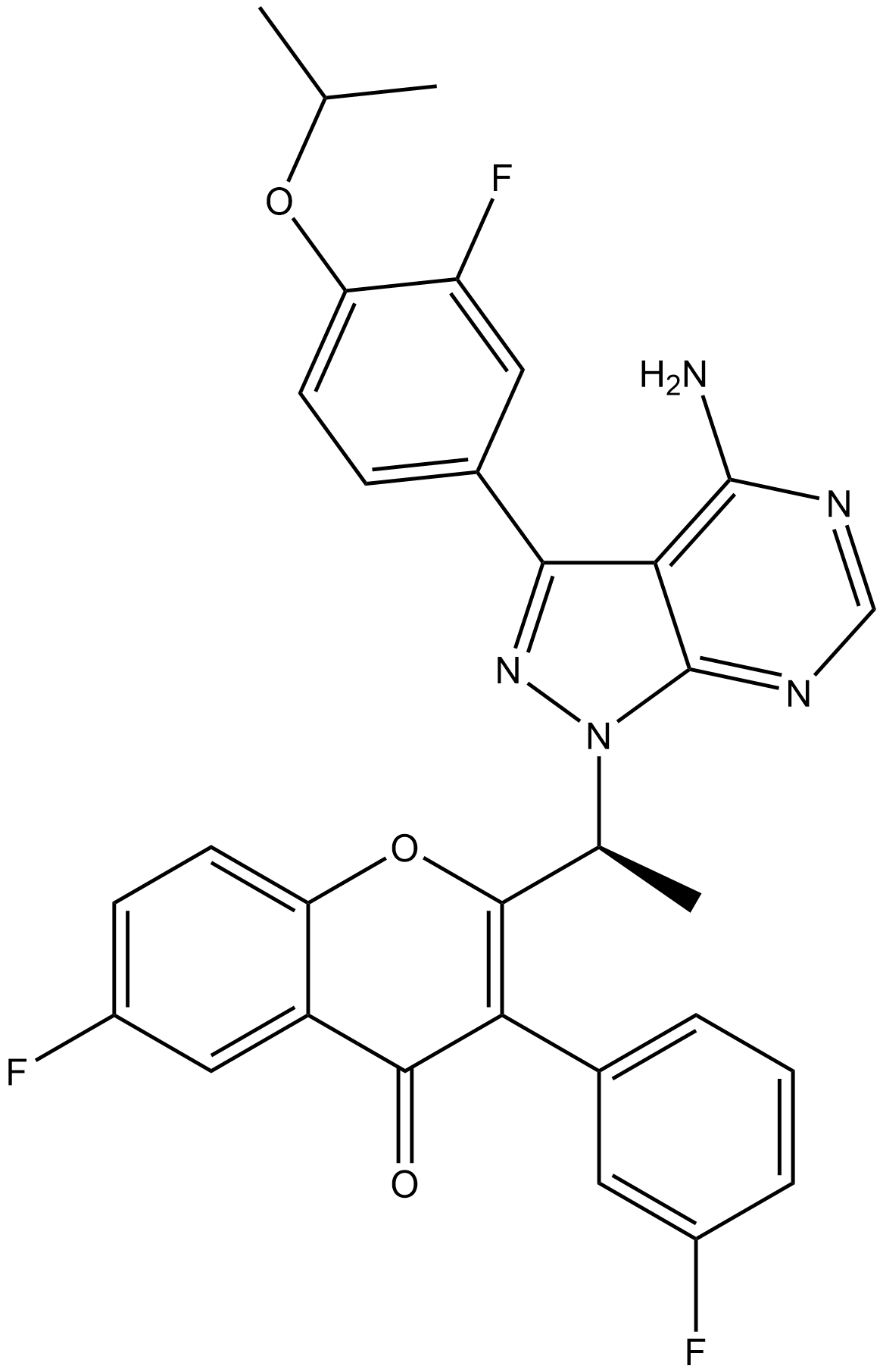 C8916 umbralisib (TGR-1202)Summary: A PI3K p110δ inhibitor
 -
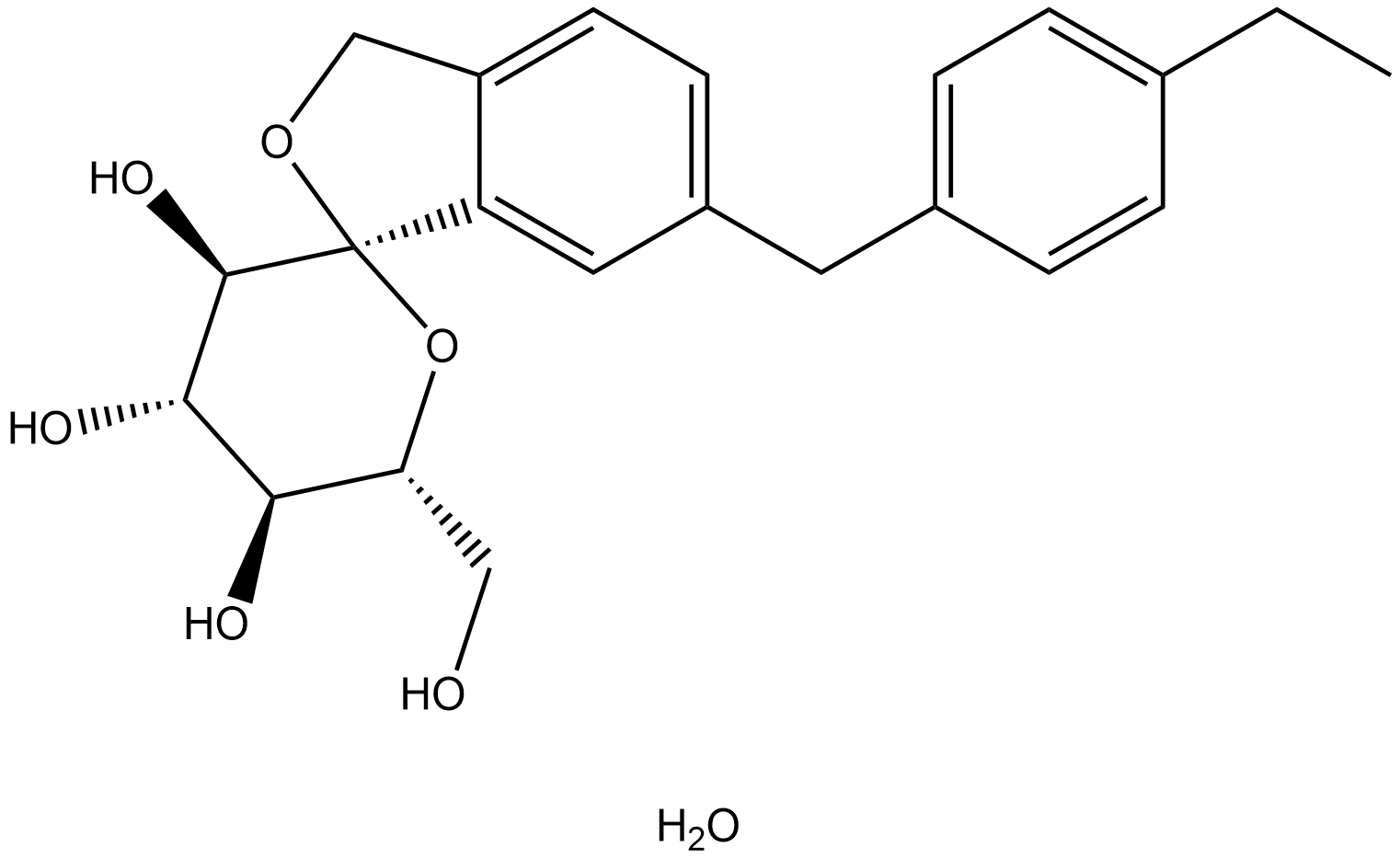 C8920 Tofogliflozin(CSG 452)Summary: A inhibitor of SGLT2
 -
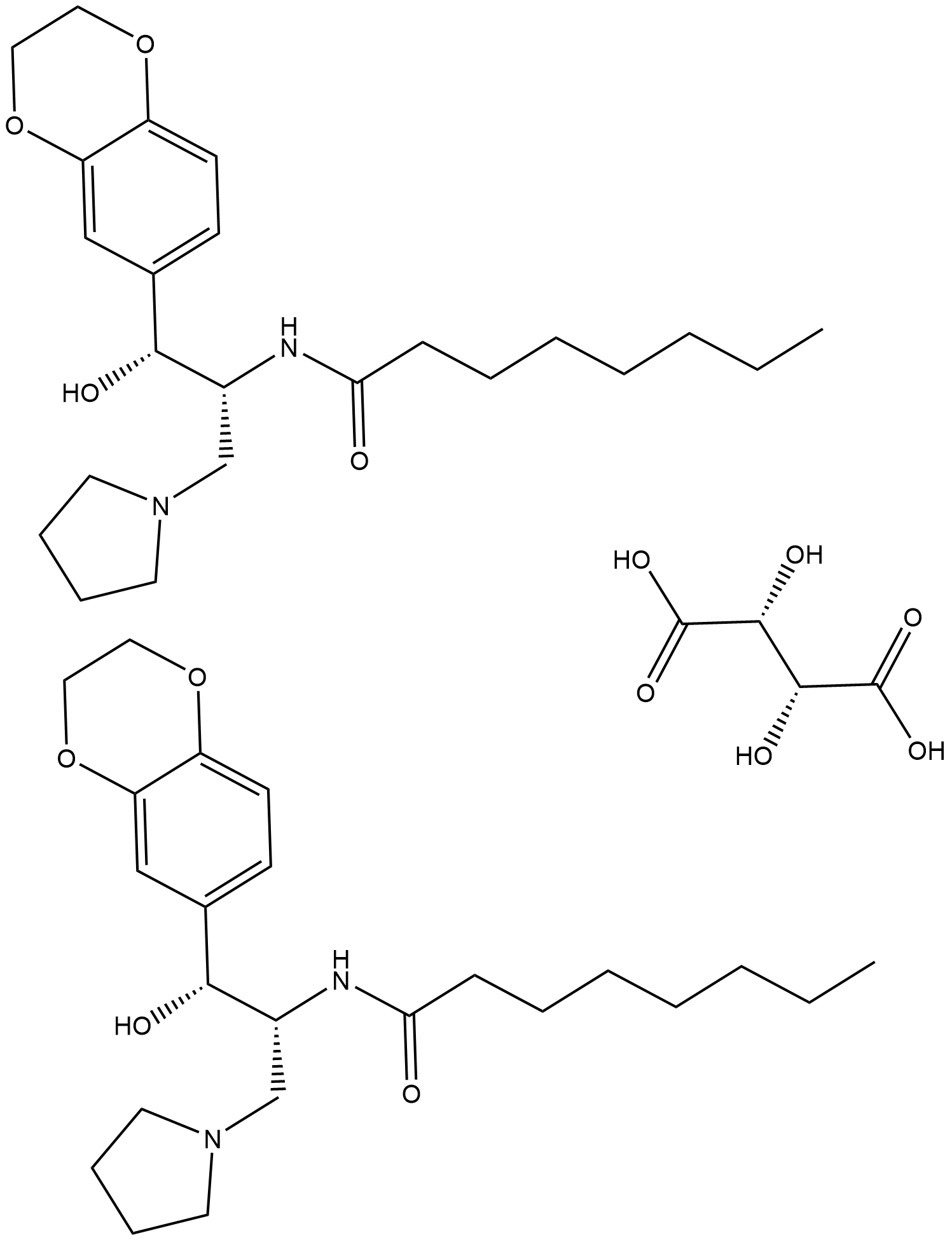 C8945 Eliglustat hemitartrateSummary: A glucosylceramide synthase inhibitor
 -
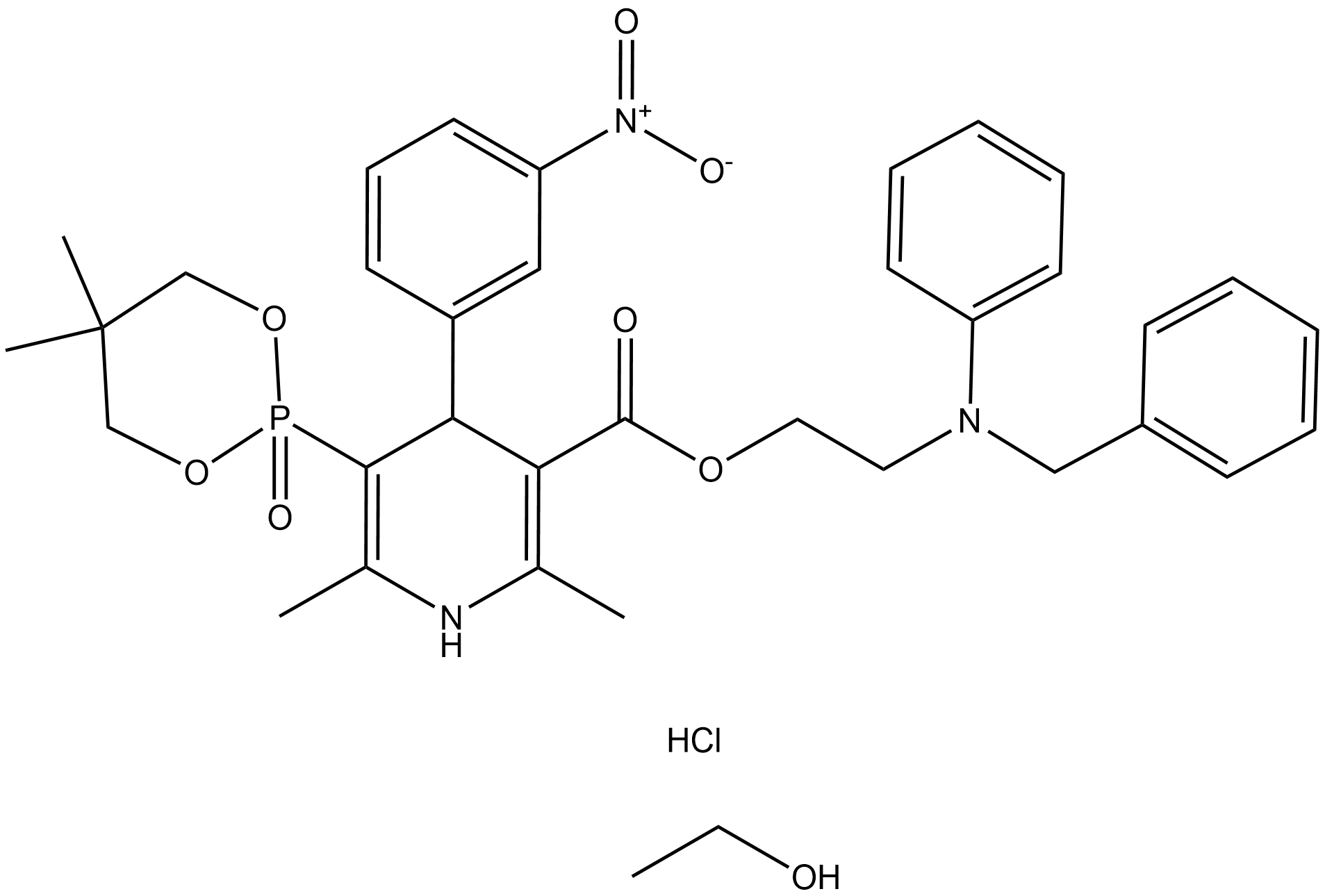 C8951 Efonidipine hydrochloride monoethanolateSummary: An orally active dual L-type and T-type calcium channel blocker used for the treatment of hypertension and heart failure