


Metabolism
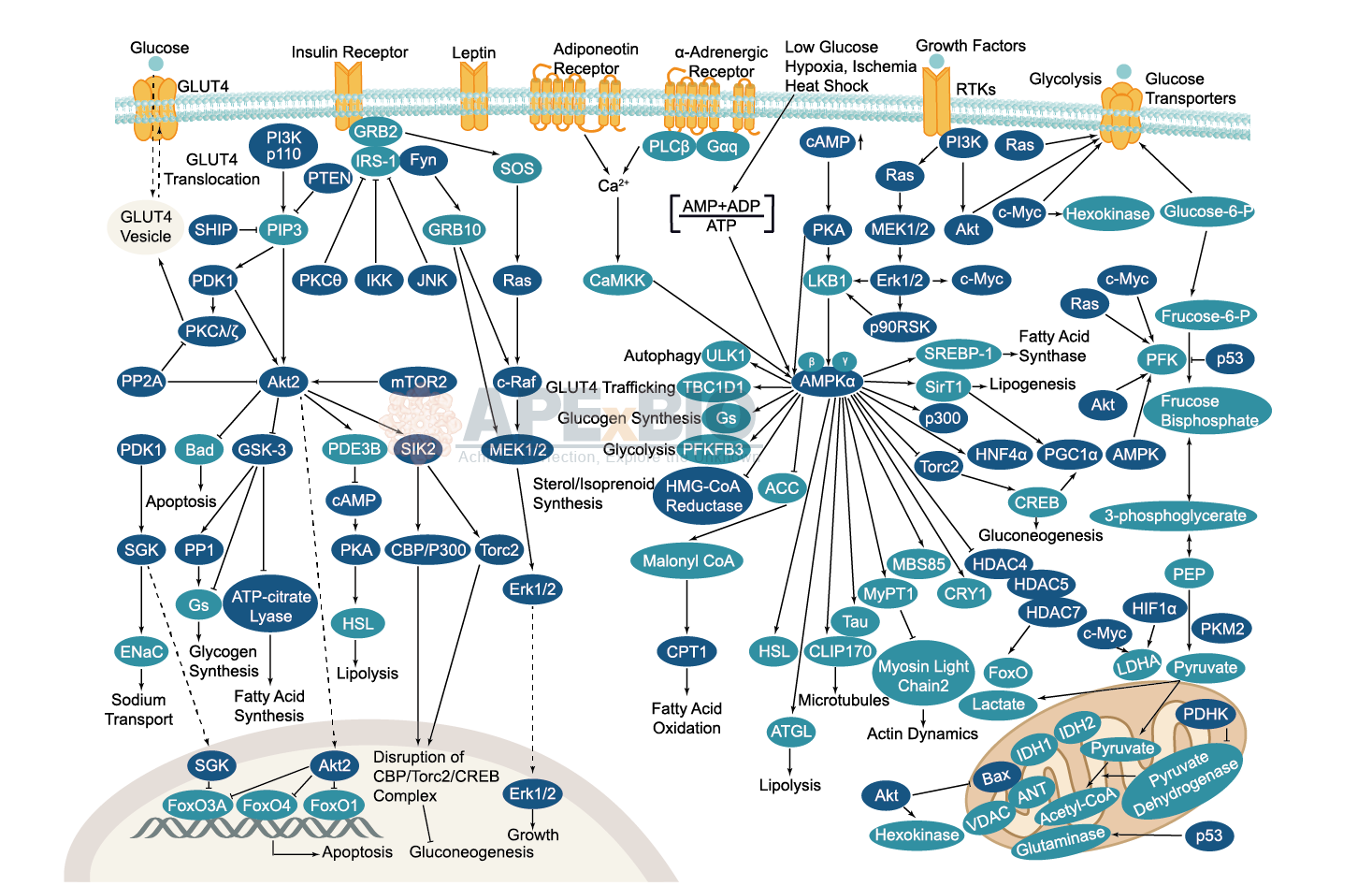
Serine/threonine kinase AMPK upregulates glucose uptake by promoting the expression and function of glucose transporters. AMPK is activated by increased AMP/ATP ratio, resulting from cellular and environmental stress, e.g. low glucose, heat shock, hypoxia and ischemia. AMPK activation positively modulates signaling transductions that refill ATP levels. Moreover, it also stimulates catabolic processes such as fatty acid oxidation and glycolysis through inhibition of ACC and activation of PFK2. AMPK negatively regulates various proteins which are important to ATP-consuming mechanisms, e.g. mTORC2, glycogen synthase, SREBP-1, and TSC2, causing the downregulation/inhibition of gluconeogenesis and glycogen, lipid and protein synthesis.
-
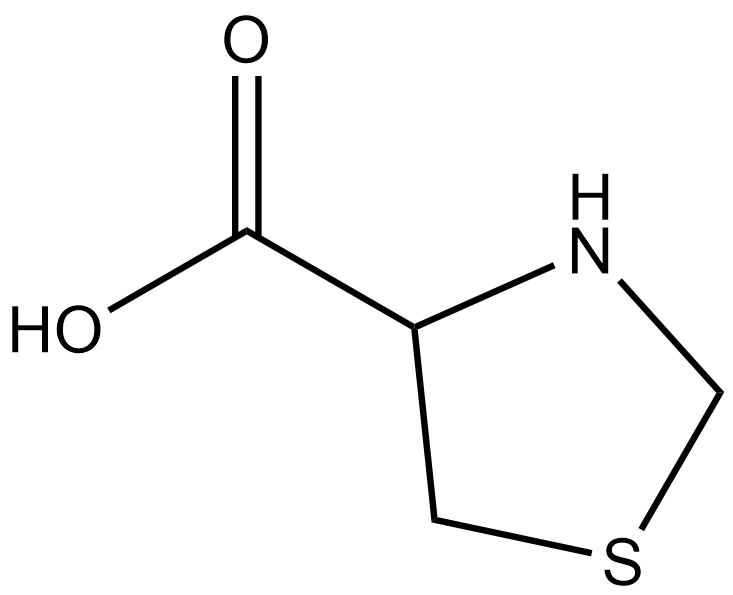 C9047 TimonacicSummary: An orally active thiol antioxidant with anti-aging and anti-hepatotoxic effects
 -
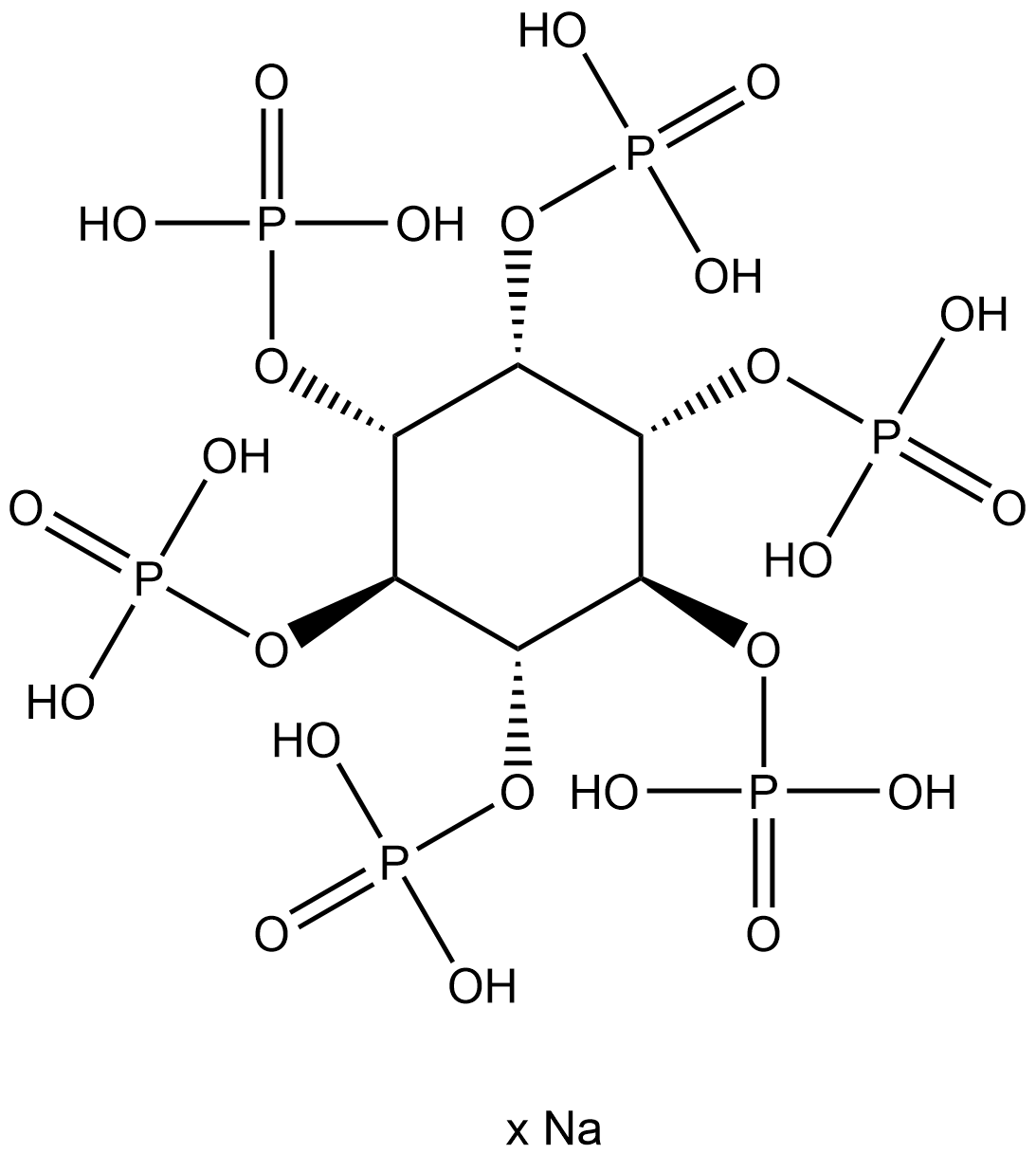 N2911 Sodium phytate hydrateSummary: A sodium salt of phytic acid with antioxidant and neuroprotective activities
 -
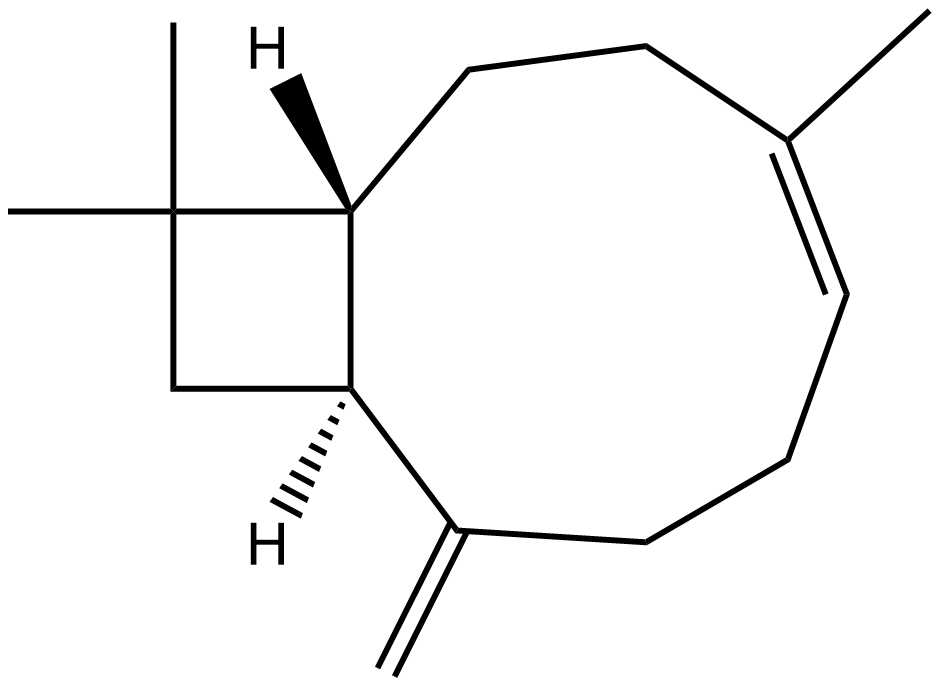 N2922 β-CaryophylleneSummary: A CB2 receptor agonist used for anti-inflammation and analgesia.
 -
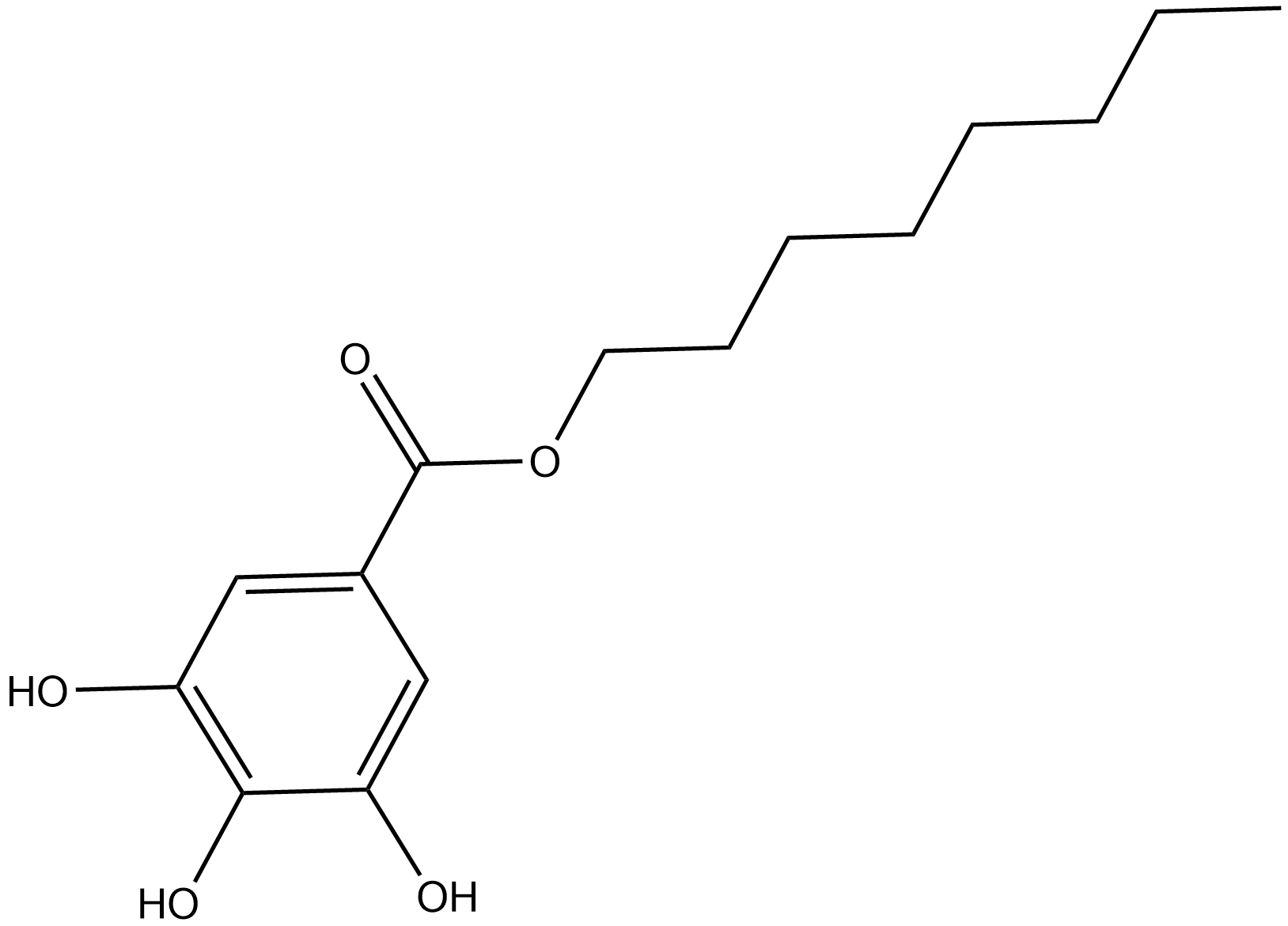 N2925 Octyl gallateSummary: An antioxidant, antibacterial, and antifungal agent
 -
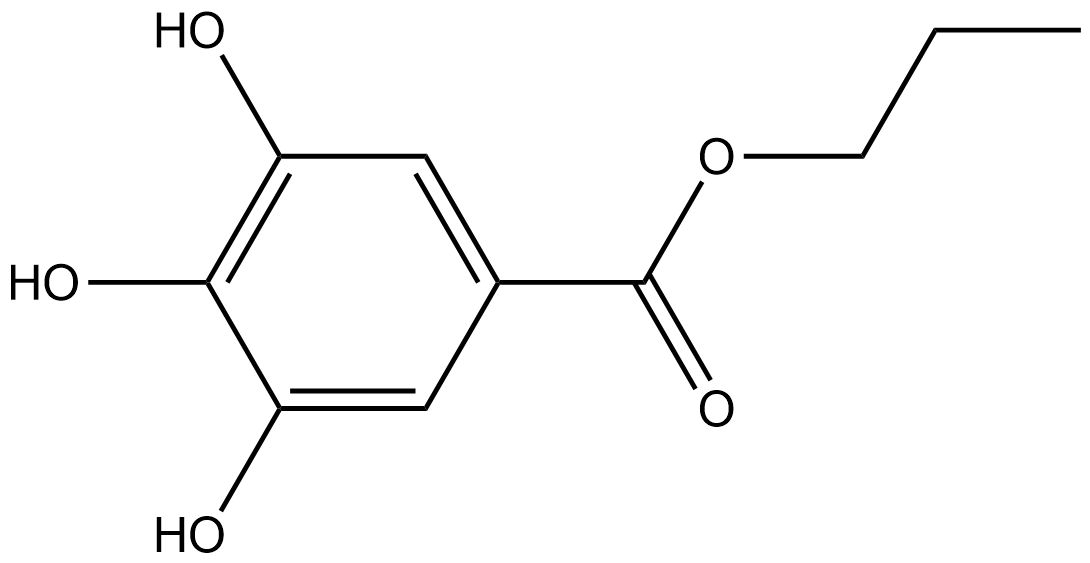 N2929 Propyl gallateSummary: A phenolic antioxidant
 -
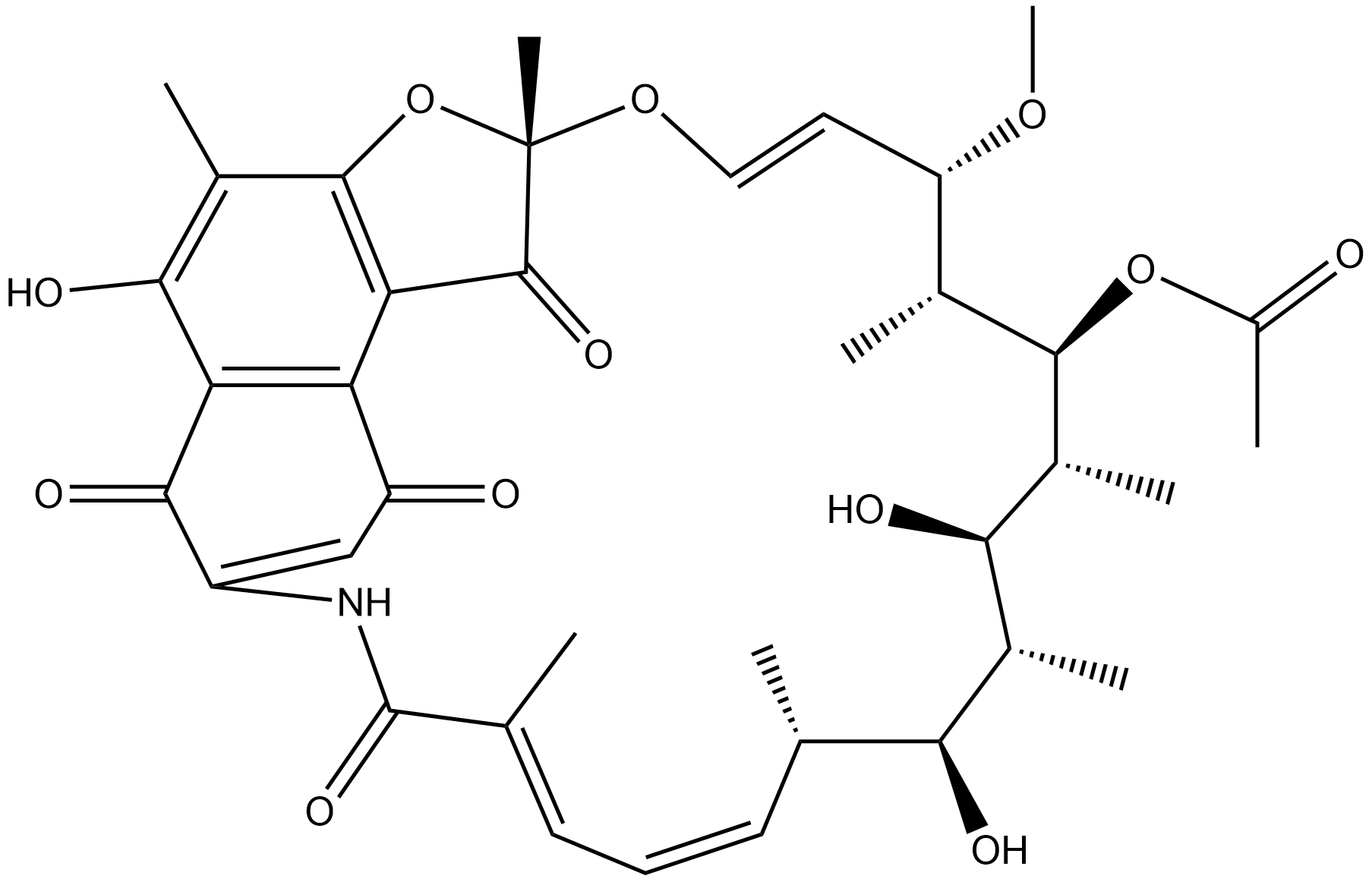 N2940 Rifamycin SSummary: An antibiotic
 -
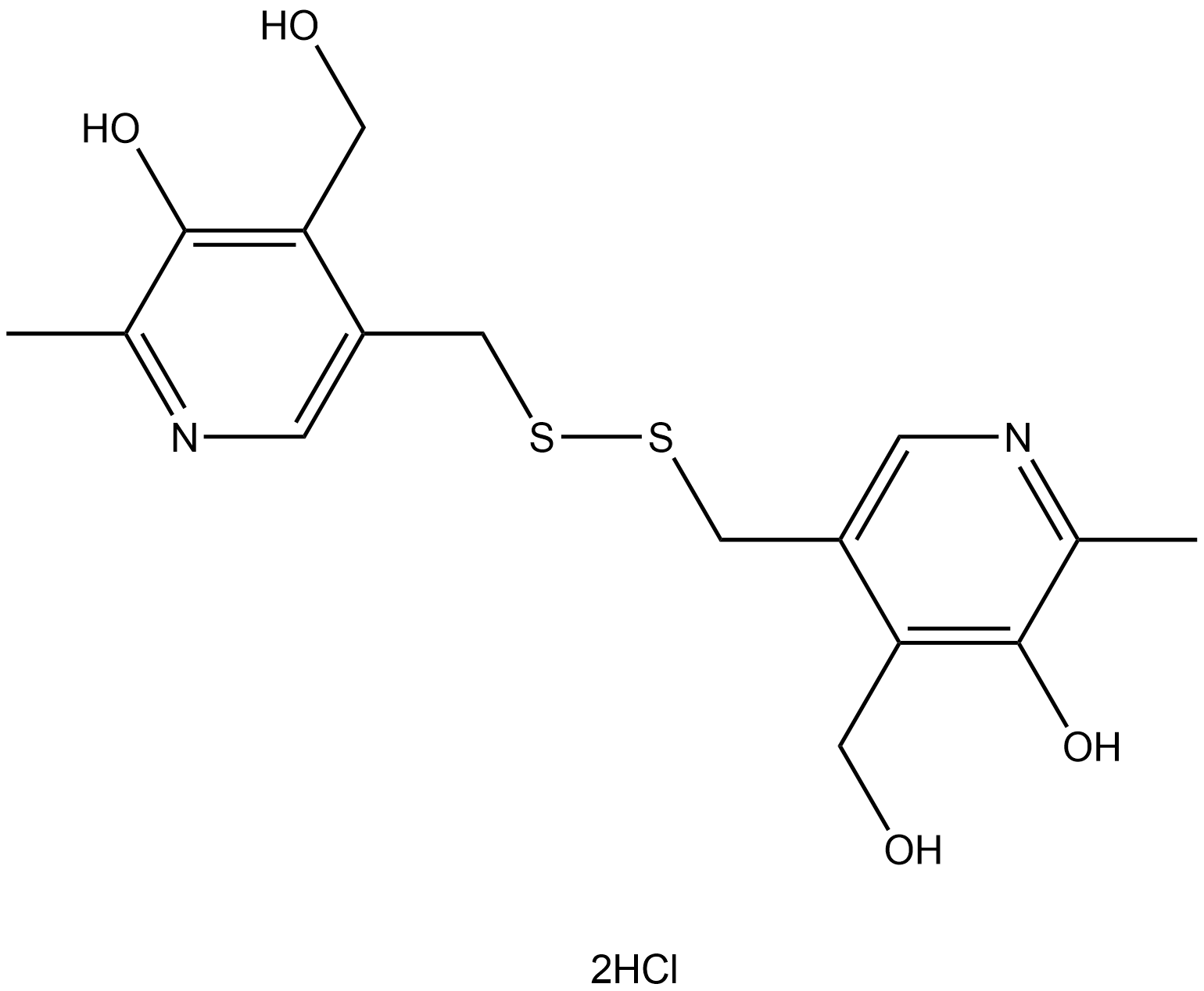 N2941 Pyrithioxin DihydrochlorideSummary: A neurodynamic compound that promotes glucose and amino acid metabolism and improves cerebral blood flow, used for the treatment of cerebrovascular and neurological disorders
 -
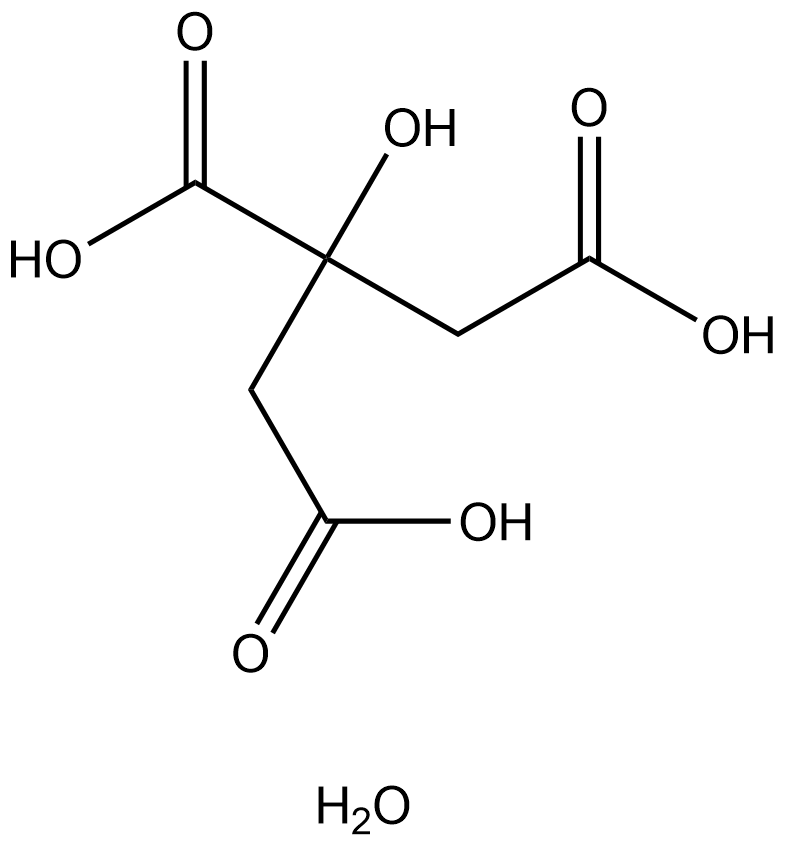 N2942 Citric acid hydrateSummary: An organic acid reagent for adjusting medium acidity and the metal ion environment.
 -
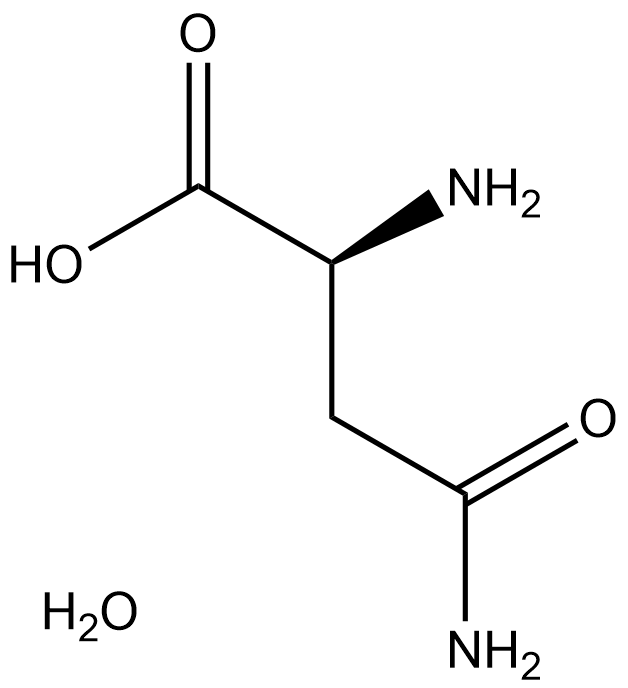 N2944 L(+)-Asparagine monohydrateSummary: A non-essential amino acid
 -
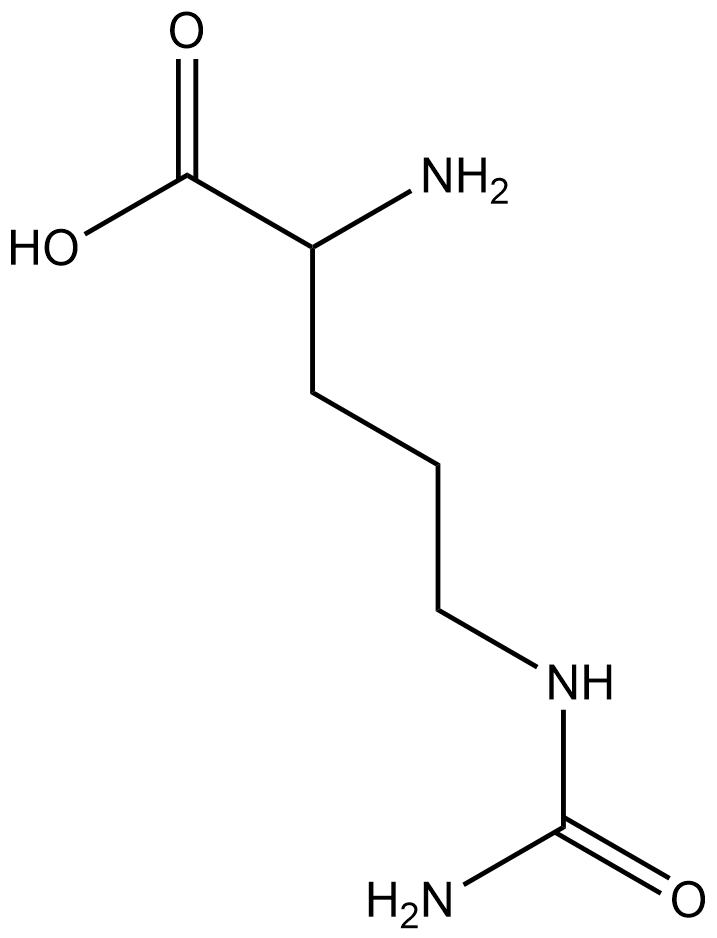 N2945 DL-CitrullineSummary: An endogenous amino acid metabolite (citrulline)