


Metabolism
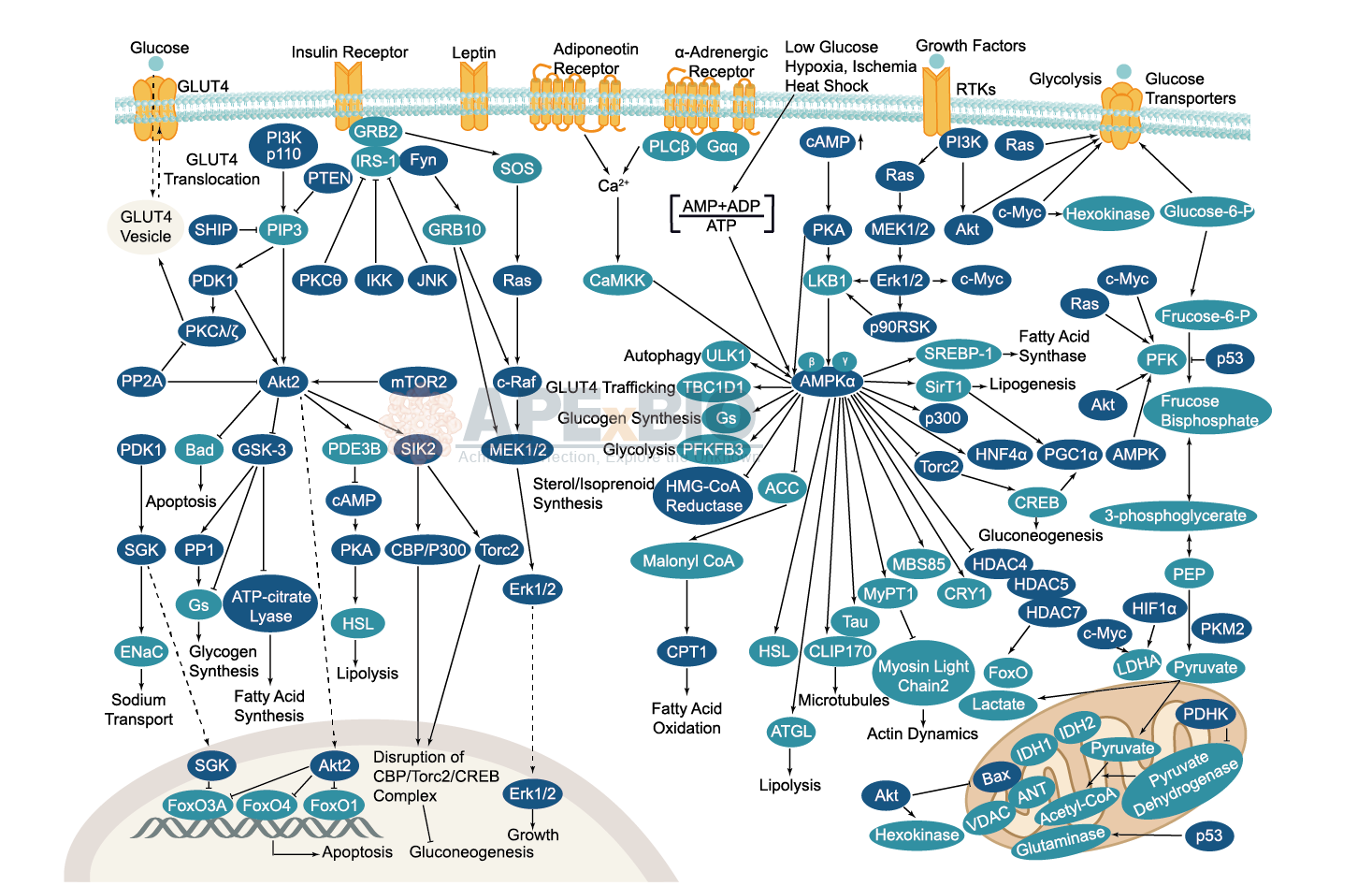
Serine/threonine kinase AMPK upregulates glucose uptake by promoting the expression and function of glucose transporters. AMPK is activated by increased AMP/ATP ratio, resulting from cellular and environmental stress, e.g. low glucose, heat shock, hypoxia and ischemia. AMPK activation positively modulates signaling transductions that refill ATP levels. Moreover, it also stimulates catabolic processes such as fatty acid oxidation and glycolysis through inhibition of ACC and activation of PFK2. AMPK negatively regulates various proteins which are important to ATP-consuming mechanisms, e.g. mTORC2, glycogen synthase, SREBP-1, and TSC2, causing the downregulation/inhibition of gluconeogenesis and glycogen, lipid and protein synthesis.
-
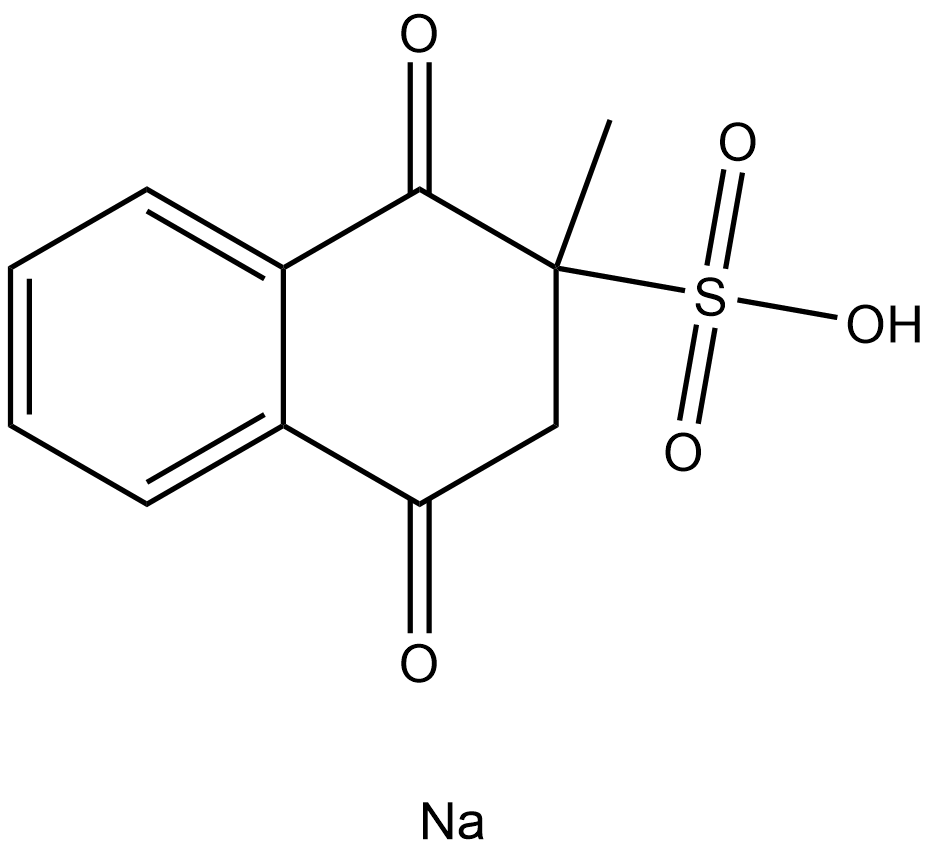 C8953 Menadione bisulfite sodiumSummary: A menadione derivative used to induce oxidative stress and as a plant-defense activator
 -
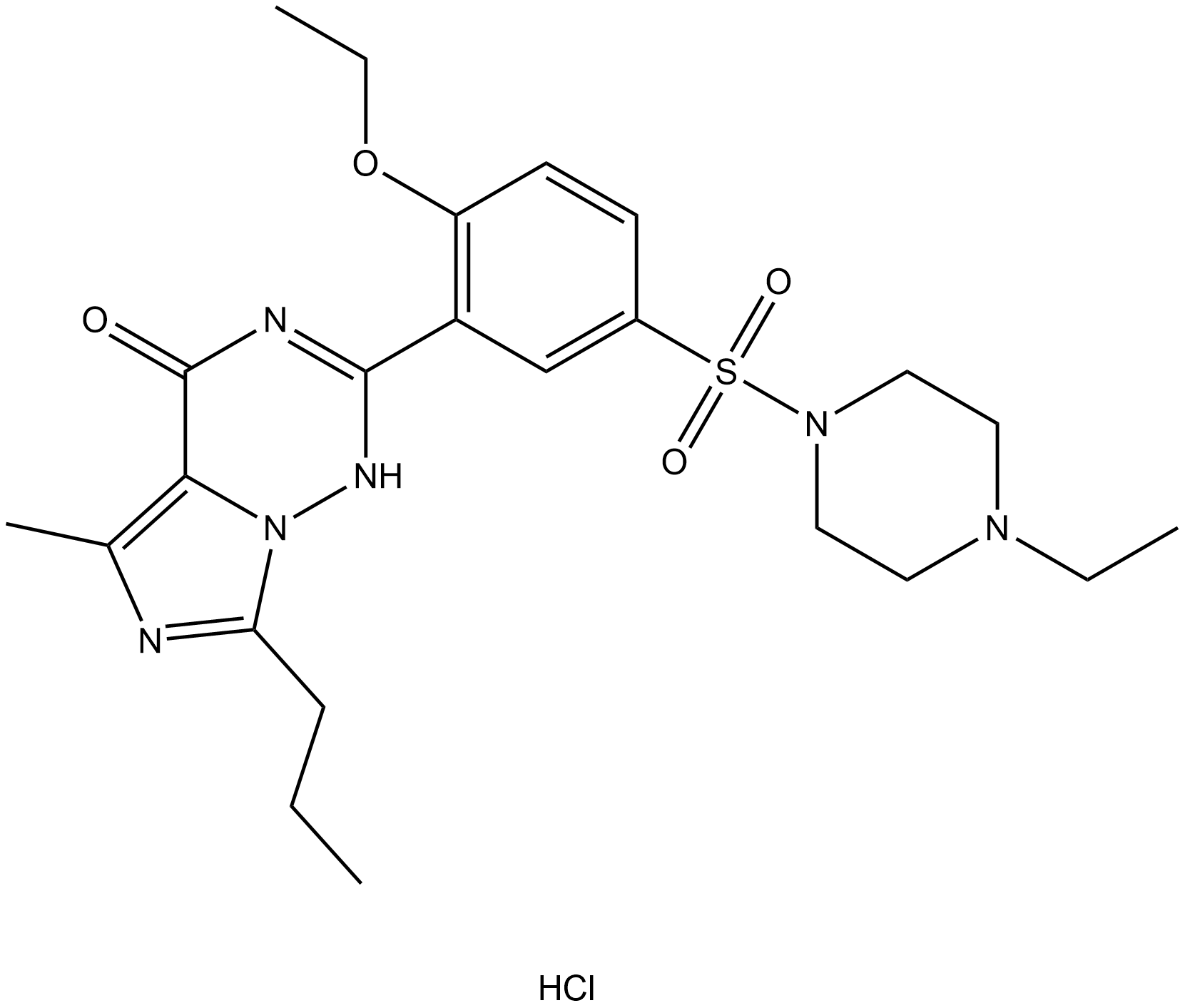 C8954 Vardenafil hydrochlorideSummary: A selective, orally active phosphodiesterase-5 (PDE5) inhibitor used for the treatment of erectile dysfunction
 -
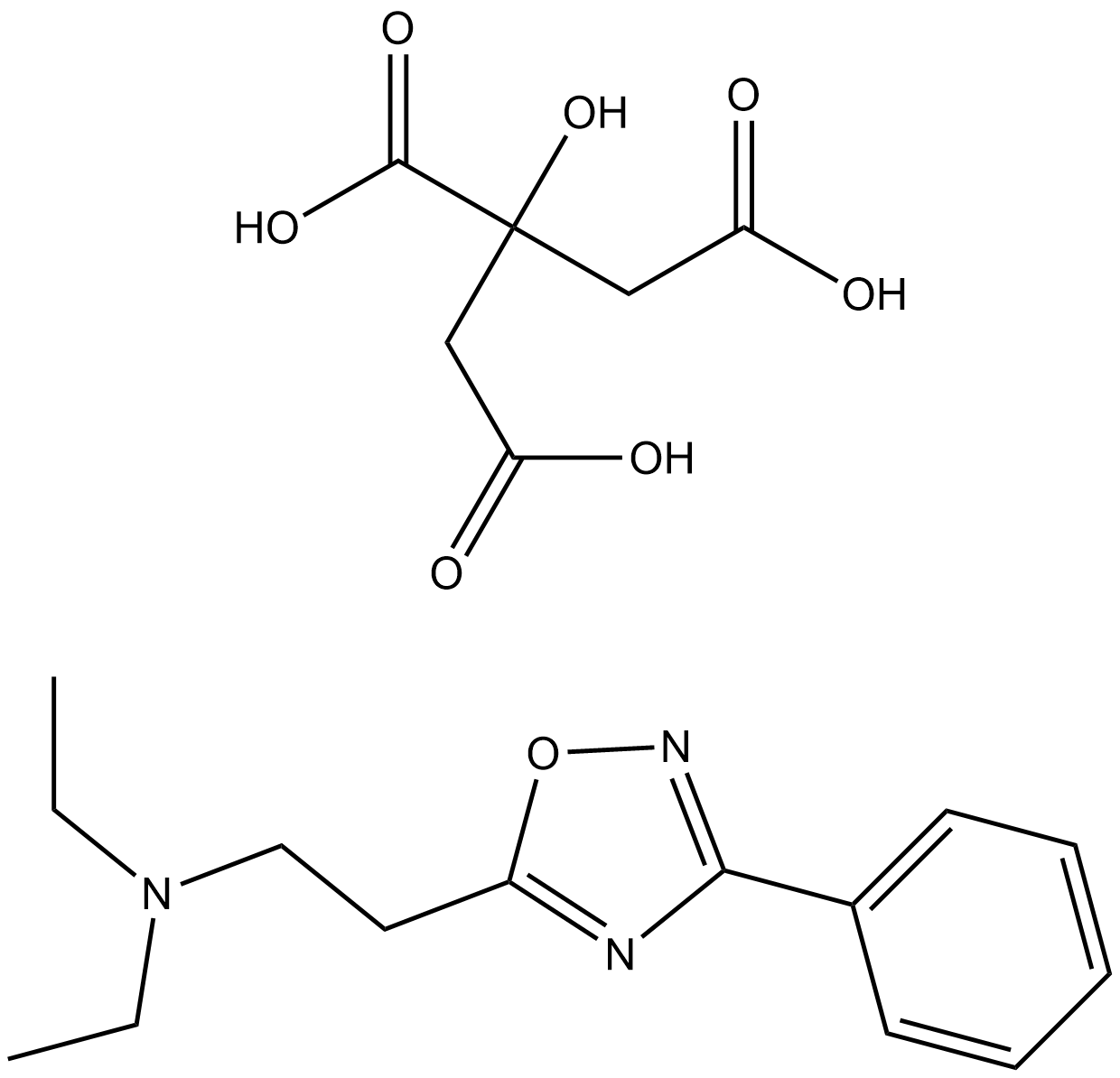 C8956 Oxolamine CitrateSummary: An orally active antitussive with anti-inflammatory effects on the respiratory tract, used for the treatment of respiratory diseases
 -
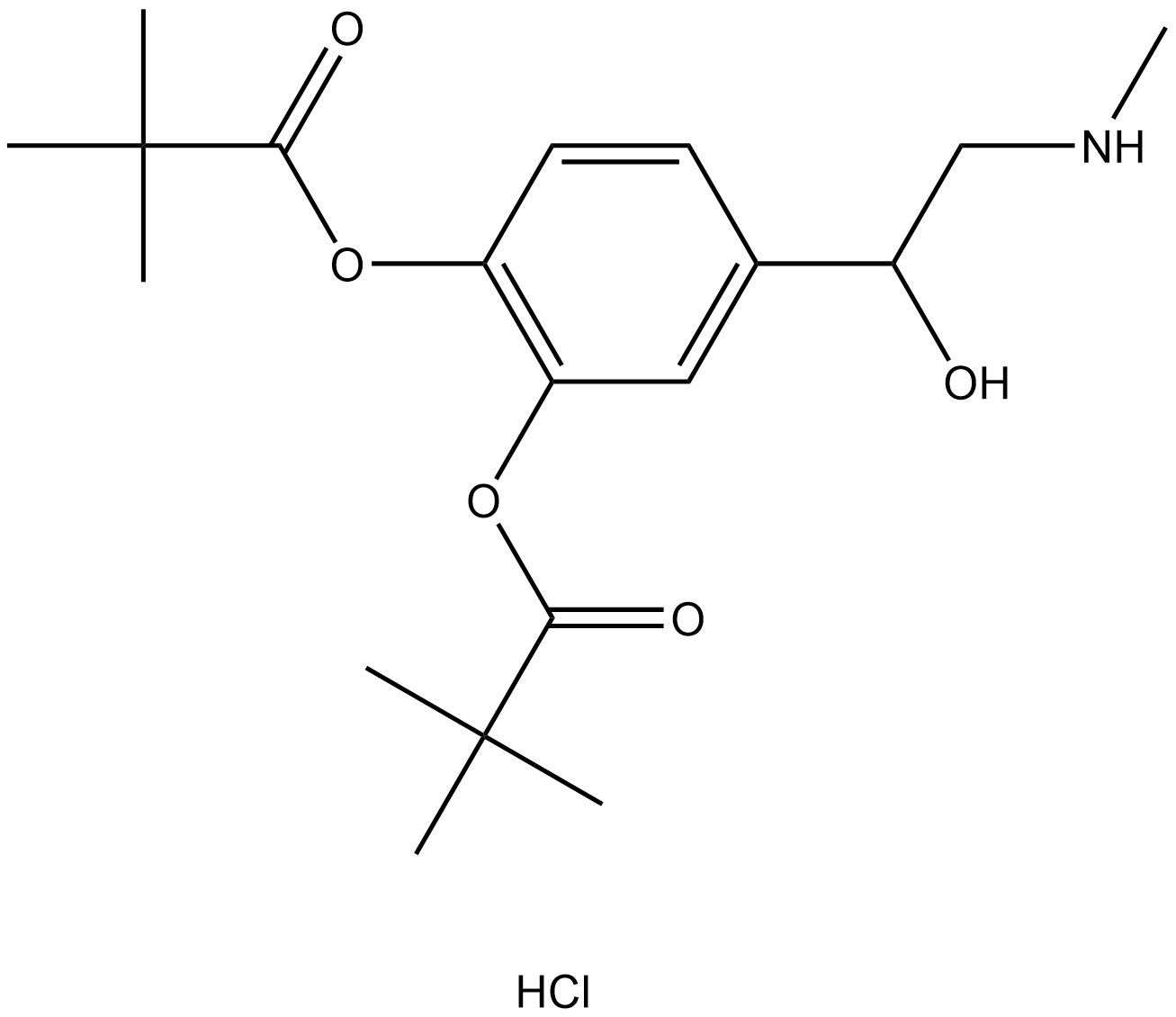 C8961 Dipivefrin HydrochlorideSummary: A prodrug of epinephrine
 -
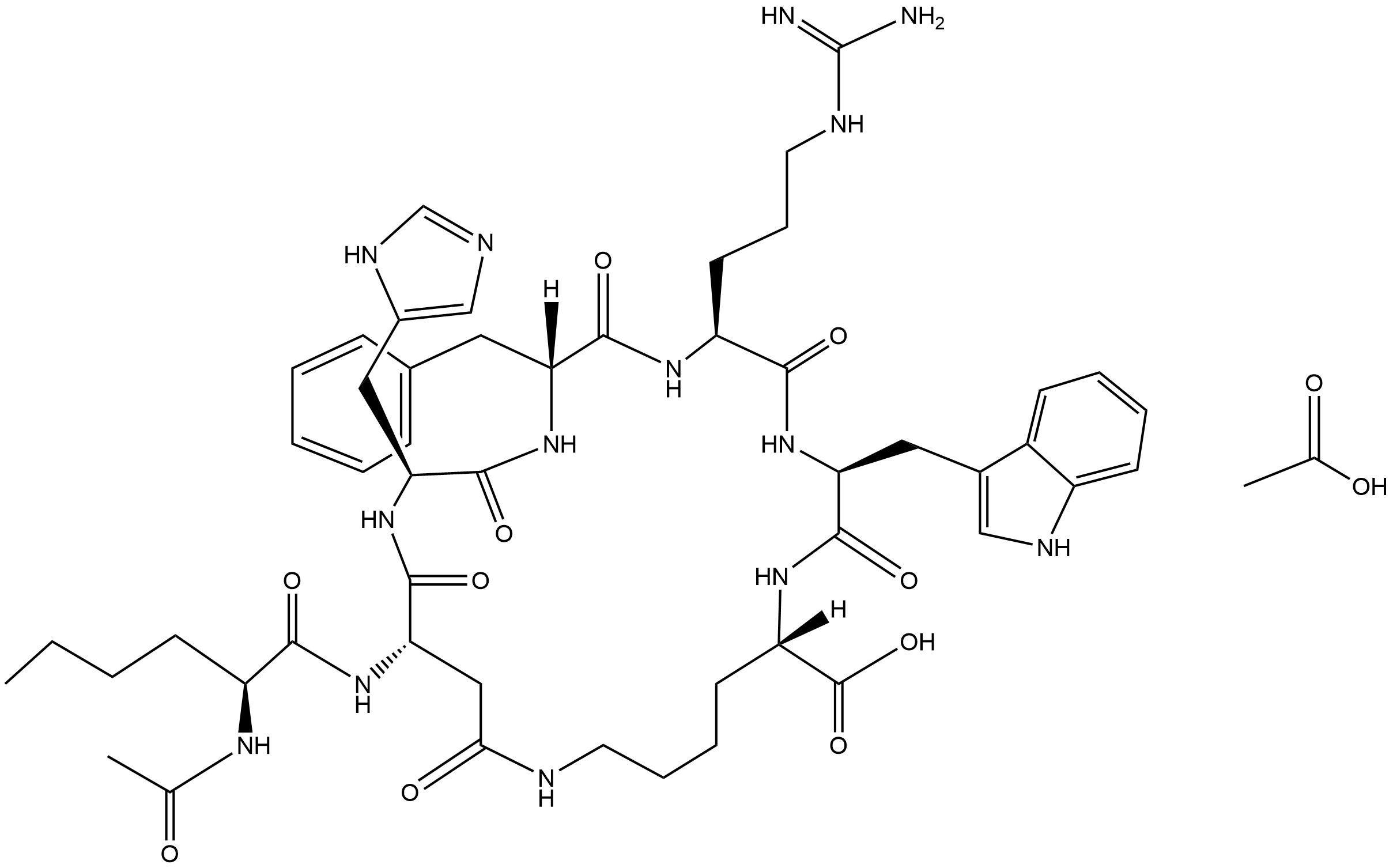 C8973 Bremelanotide AcetateSummary: A cyclic peptide agonist of MC4R
 -
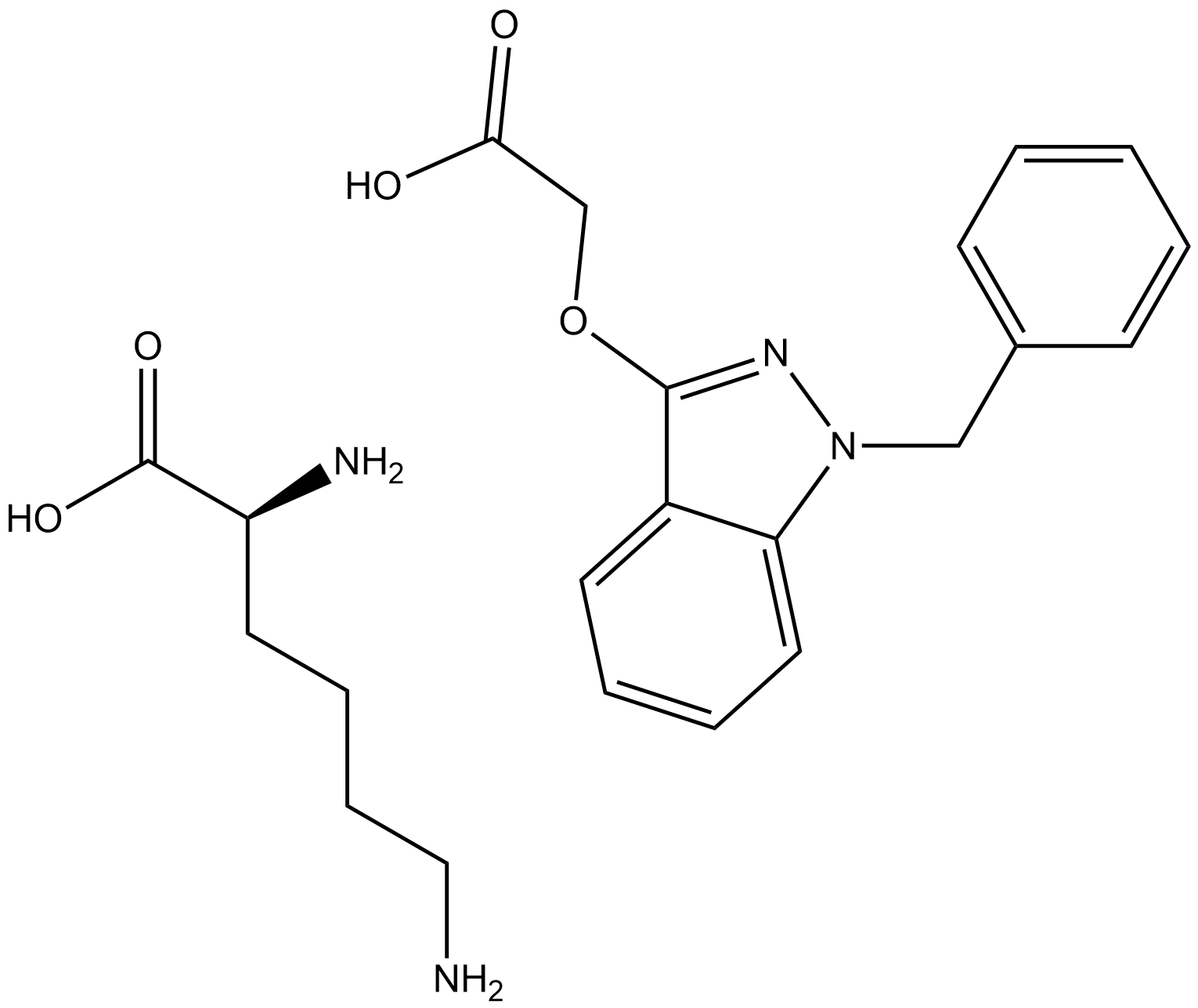 C9007 Bendazac L-lysineSummary: An agent used for the treatment of cataracts to protect vision and delay surgical intervention
 -
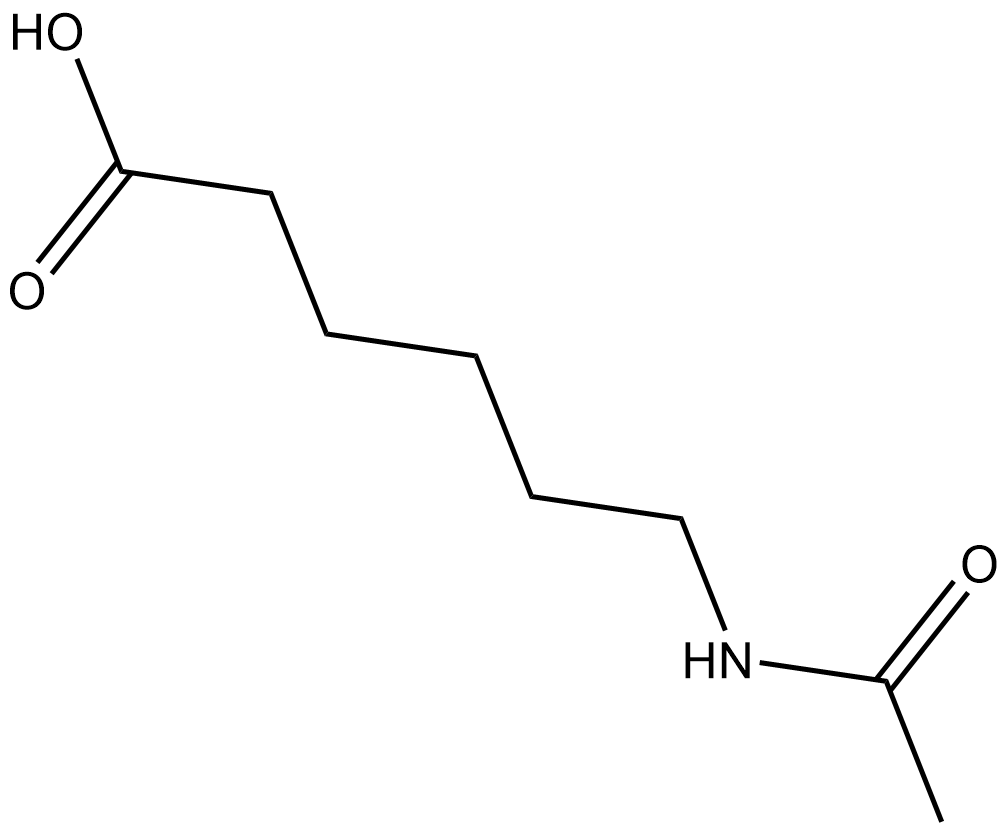 C9025 6-Acetamidohexanoic acidSummary: An acetamidohexanoic acid derivative with anti-pulmonary fibrosis activity
 -
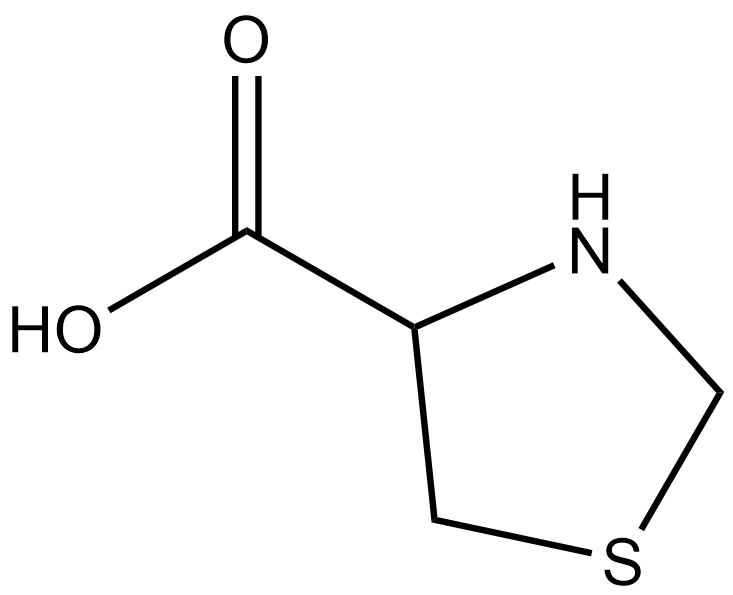 C9047 TimonacicSummary: An orally active thiol antioxidant with anti-aging and anti-hepatotoxic effects
 -
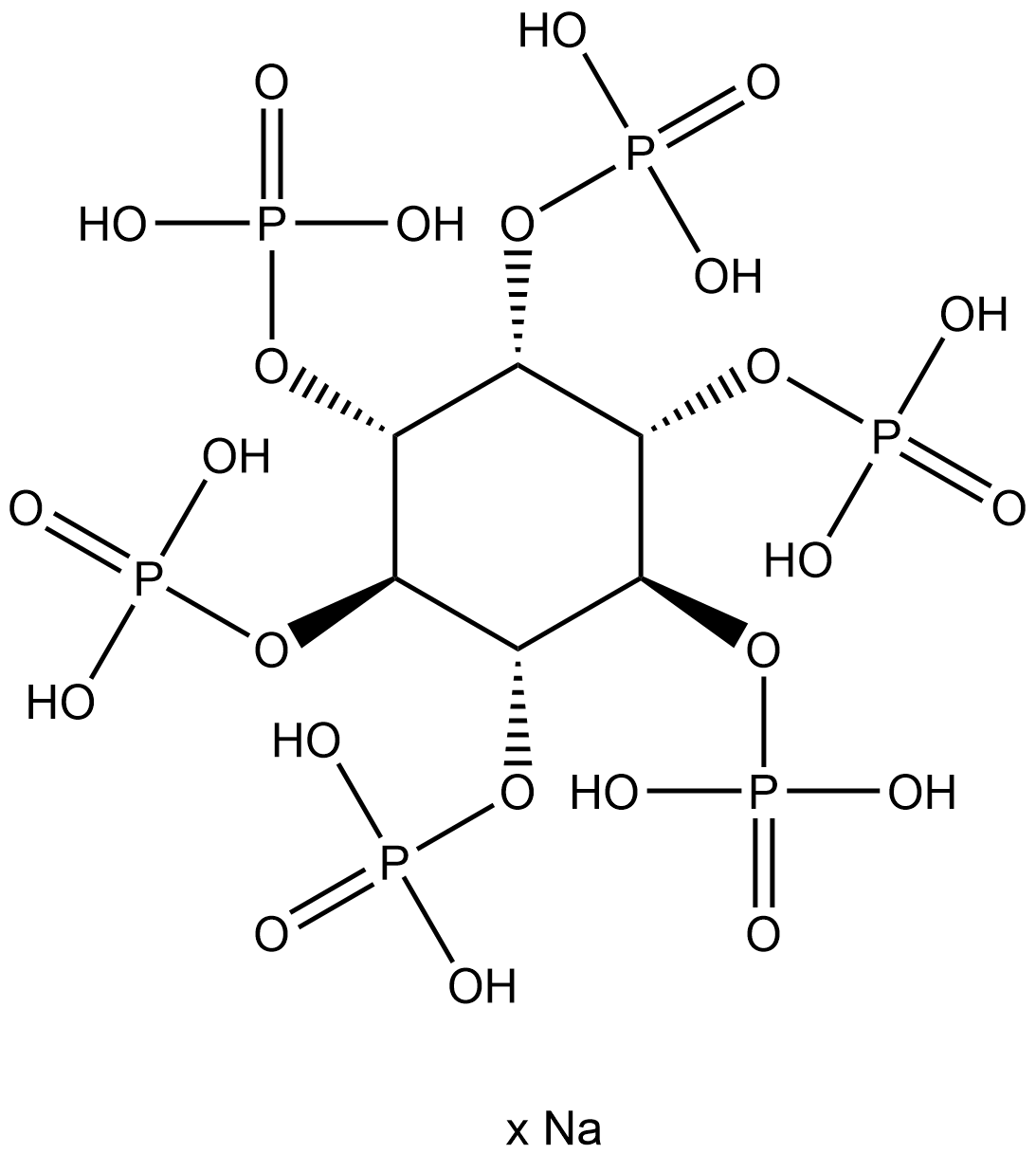 N2911 Sodium phytate hydrateSummary: A sodium salt of phytic acid with antioxidant and neuroprotective activities
 -
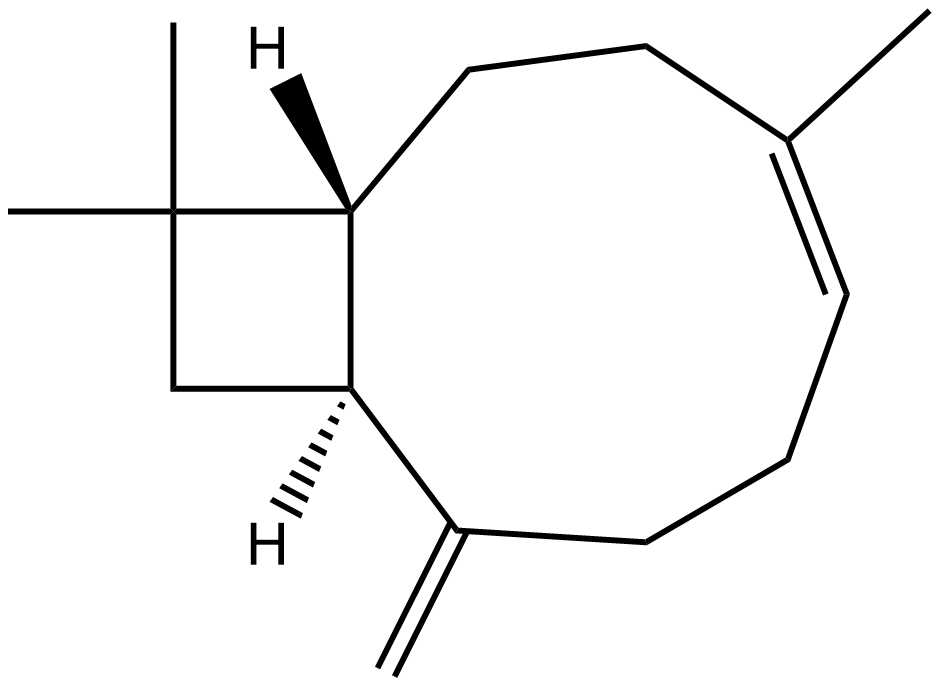 N2922 β-CaryophylleneSummary: A CB2 receptor agonist used for anti-inflammation and analgesia.