


Metabolism
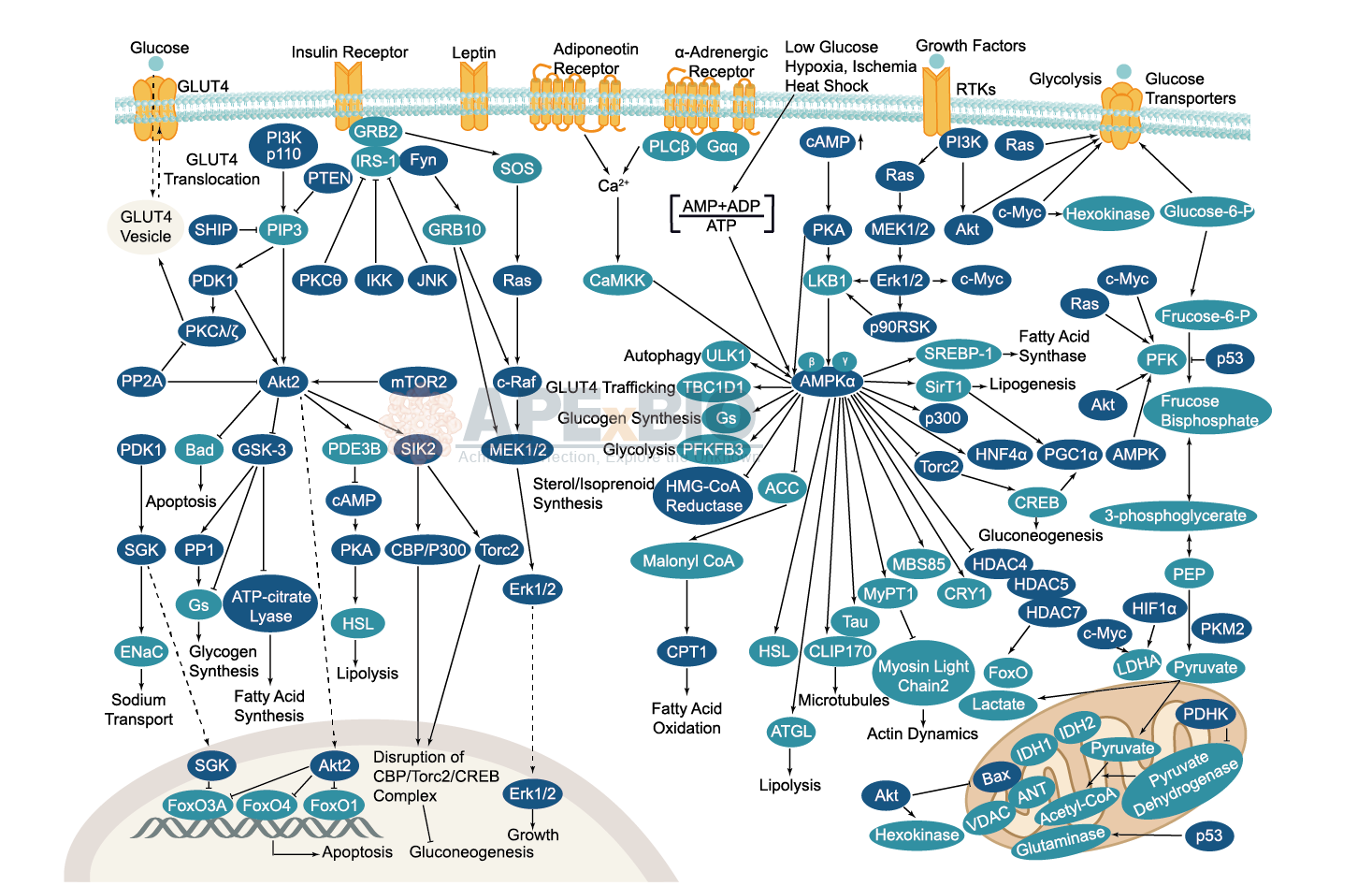
Serine/threonine kinase AMPK upregulates glucose uptake by promoting the expression and function of glucose transporters. AMPK is activated by increased AMP/ATP ratio, resulting from cellular and environmental stress, e.g. low glucose, heat shock, hypoxia and ischemia. AMPK activation positively modulates signaling transductions that refill ATP levels. Moreover, it also stimulates catabolic processes such as fatty acid oxidation and glycolysis through inhibition of ACC and activation of PFK2. AMPK negatively regulates various proteins which are important to ATP-consuming mechanisms, e.g. mTORC2, glycogen synthase, SREBP-1, and TSC2, causing the downregulation/inhibition of gluconeogenesis and glycogen, lipid and protein synthesis.
-
 C8839 AmylaseSummary: An enzyme that catalyzes the hydrolysis of starch into sugars
 -
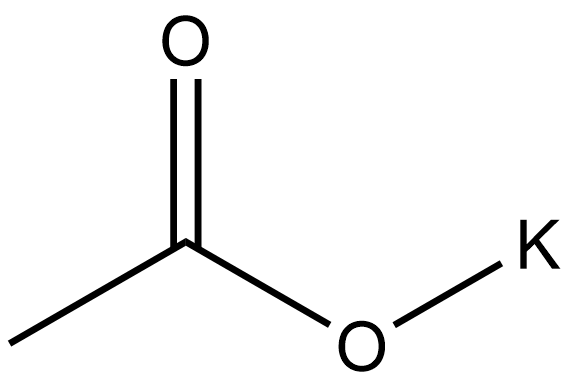 C8840 Potassium acetateSummary: A high-purity salt reagent for ionic strength adjustment and nucleic acid purification.
 -
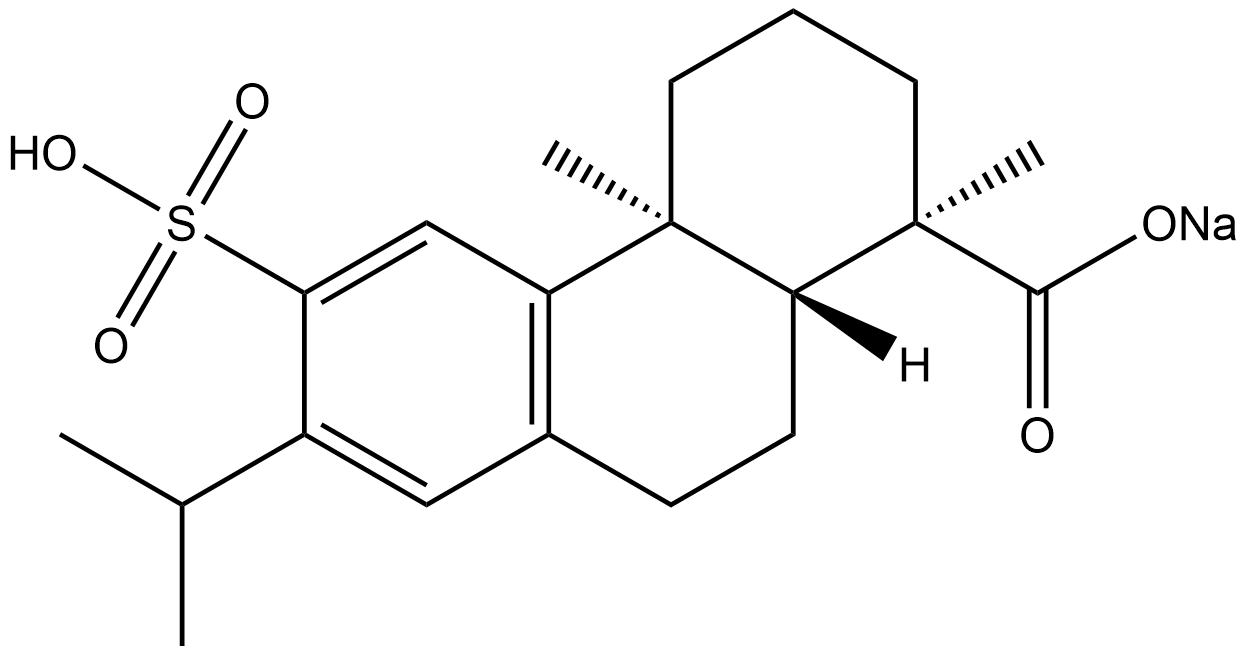 C8844 Ecabet sodiumSummary: An antiulcerative and gastroprotective agent
 -
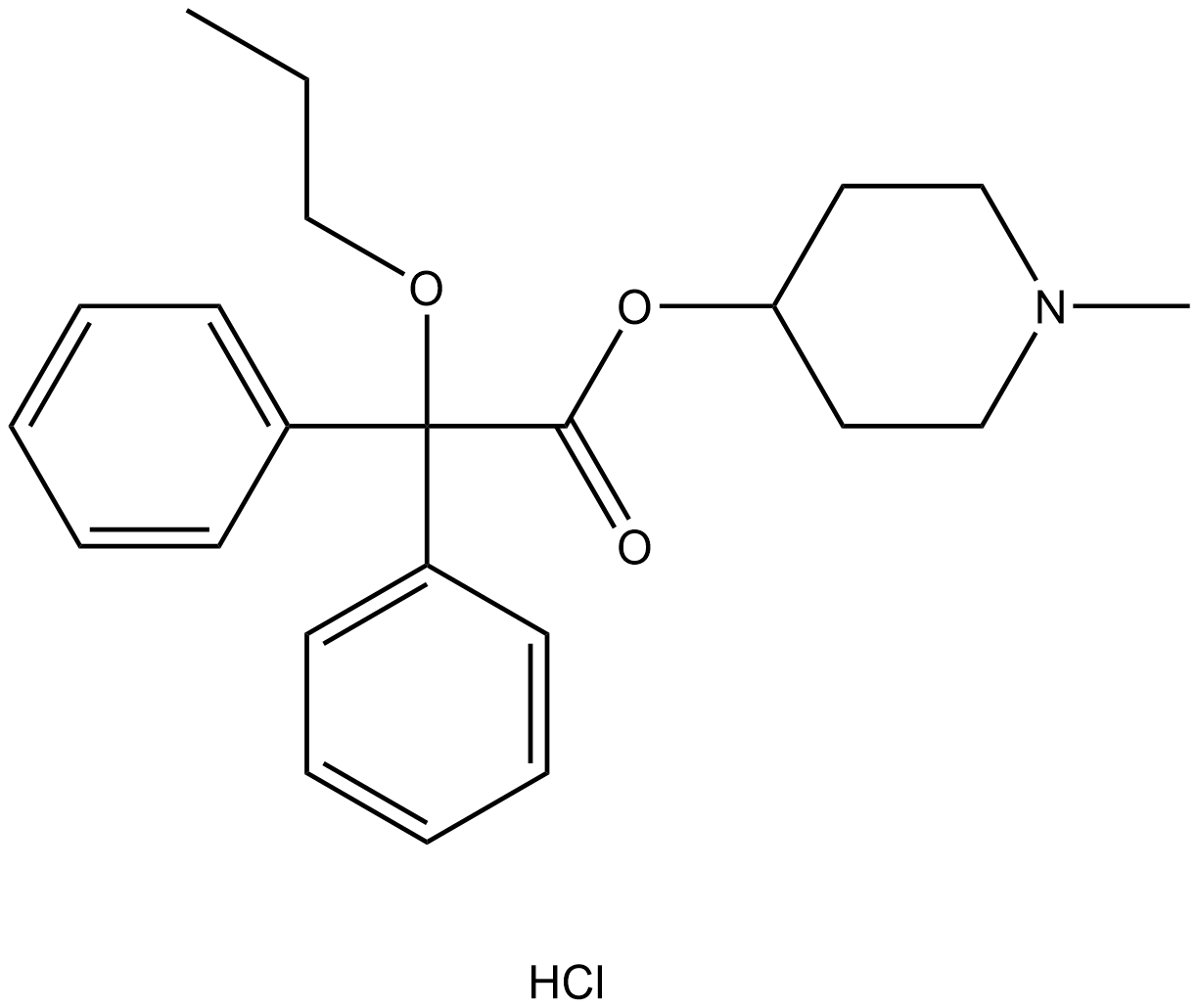 C8847 Propiverine hydrochlorideSummary: A muscarinic acetylcholine receptor antagonist
 -
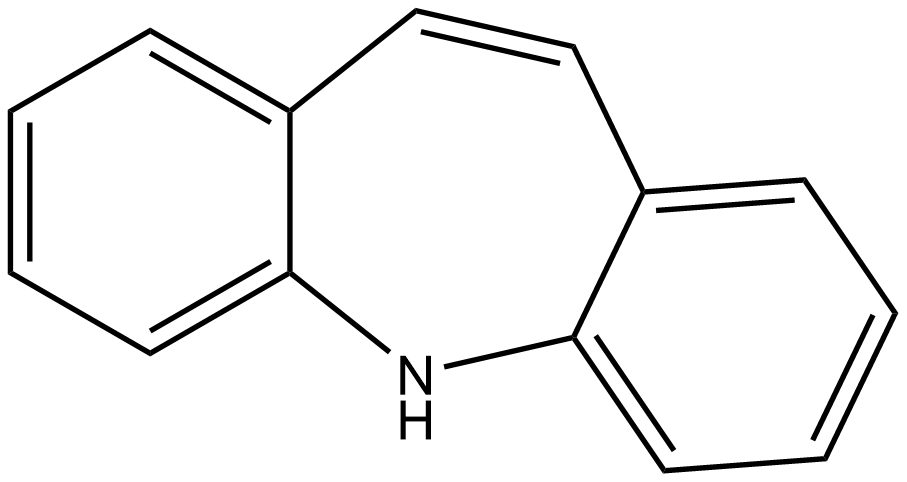 C8848 IminostilbeneSummary: An orally active inhibitor of PKM2 and COX2 that suppresses macrophage-mediated inflammatory responses
 -
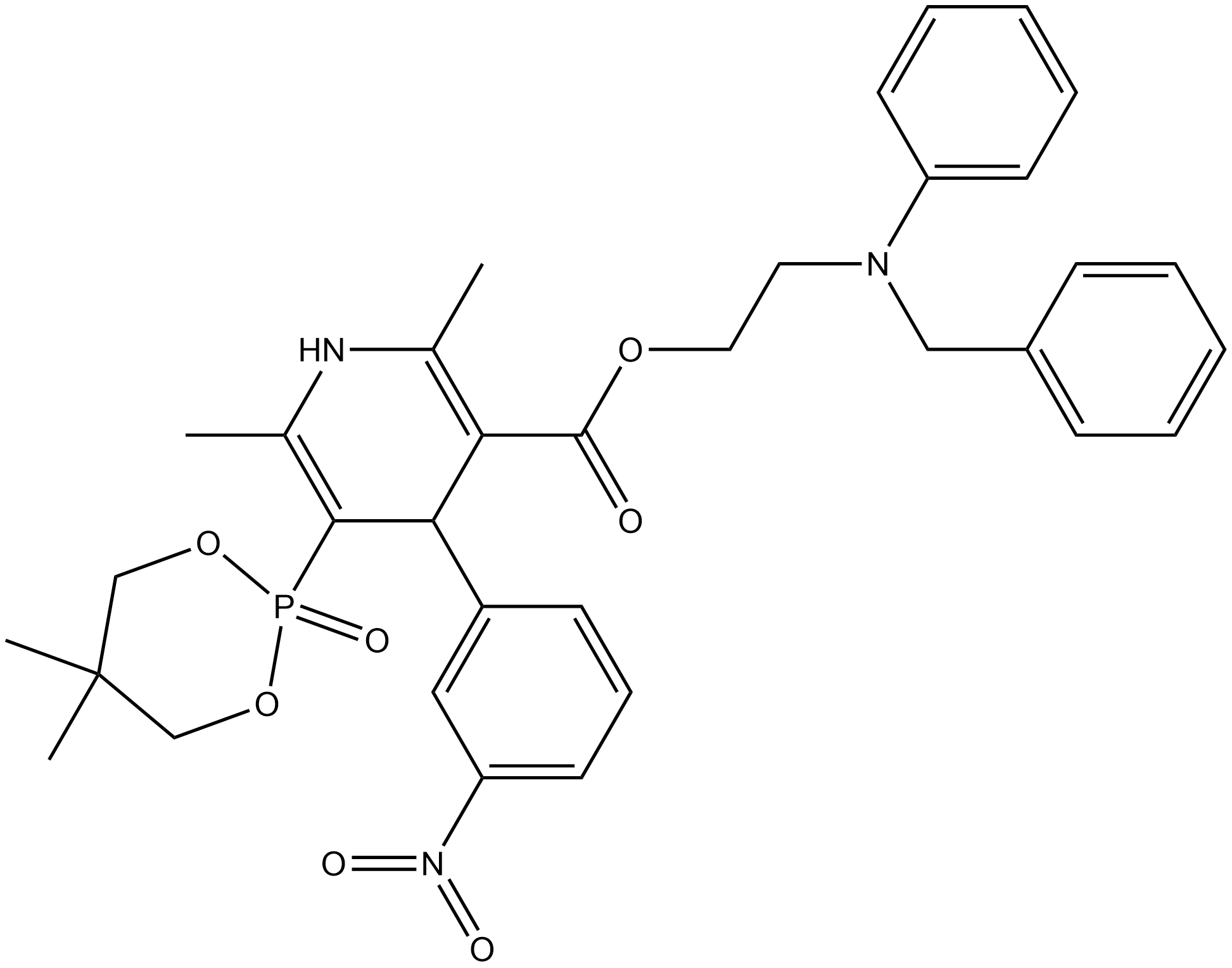 C8849 EfonidipineSummary: An L- and T-type calcium channel inhibitor
 -
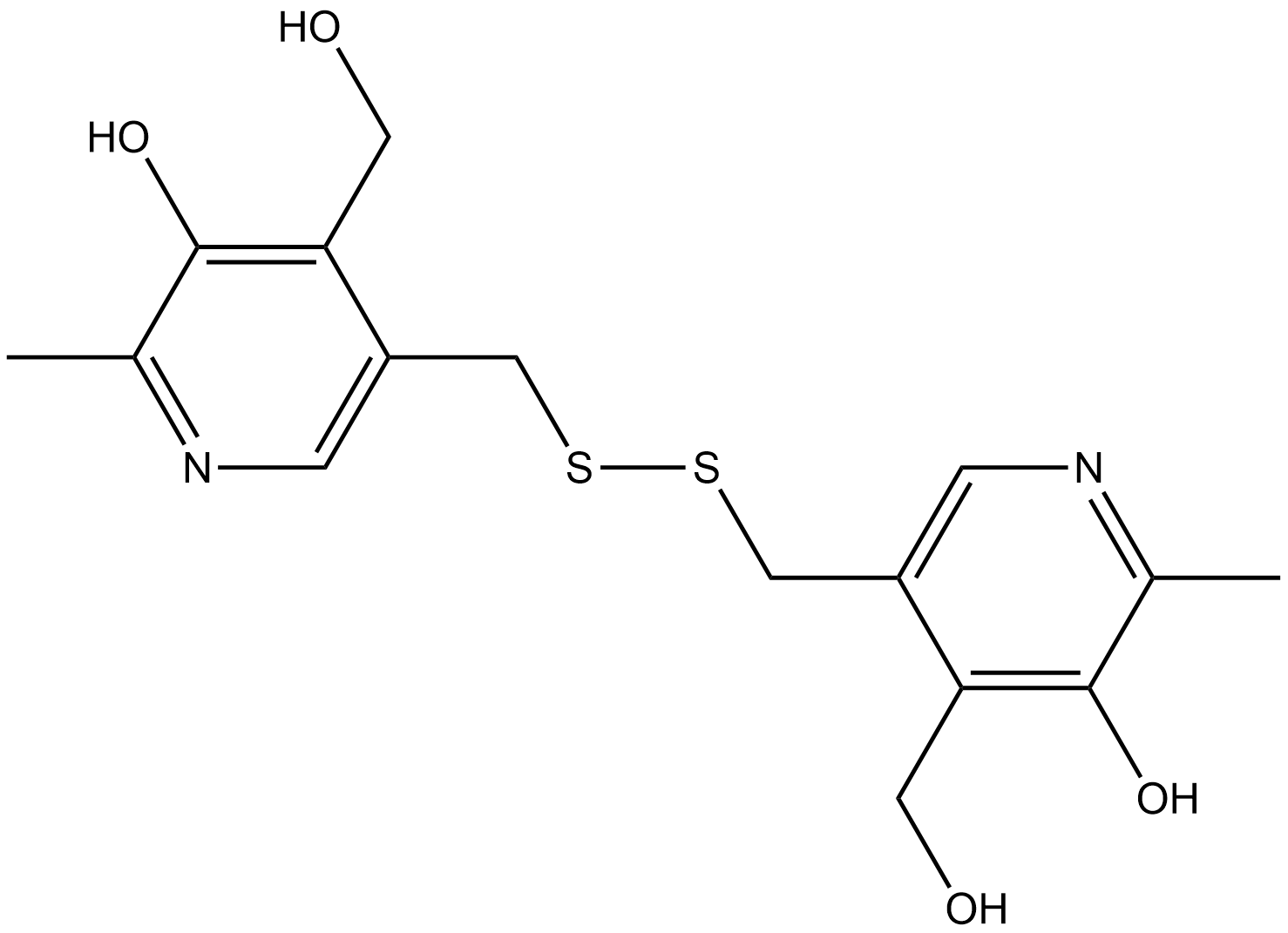 C8854 PyrithioxinSummary: An orally active neurodynamic compound that promotes glucose and amino acid metabolism and improves cerebral blood flow, used for the treatment of cerebrovascular and neurological disorders
 -
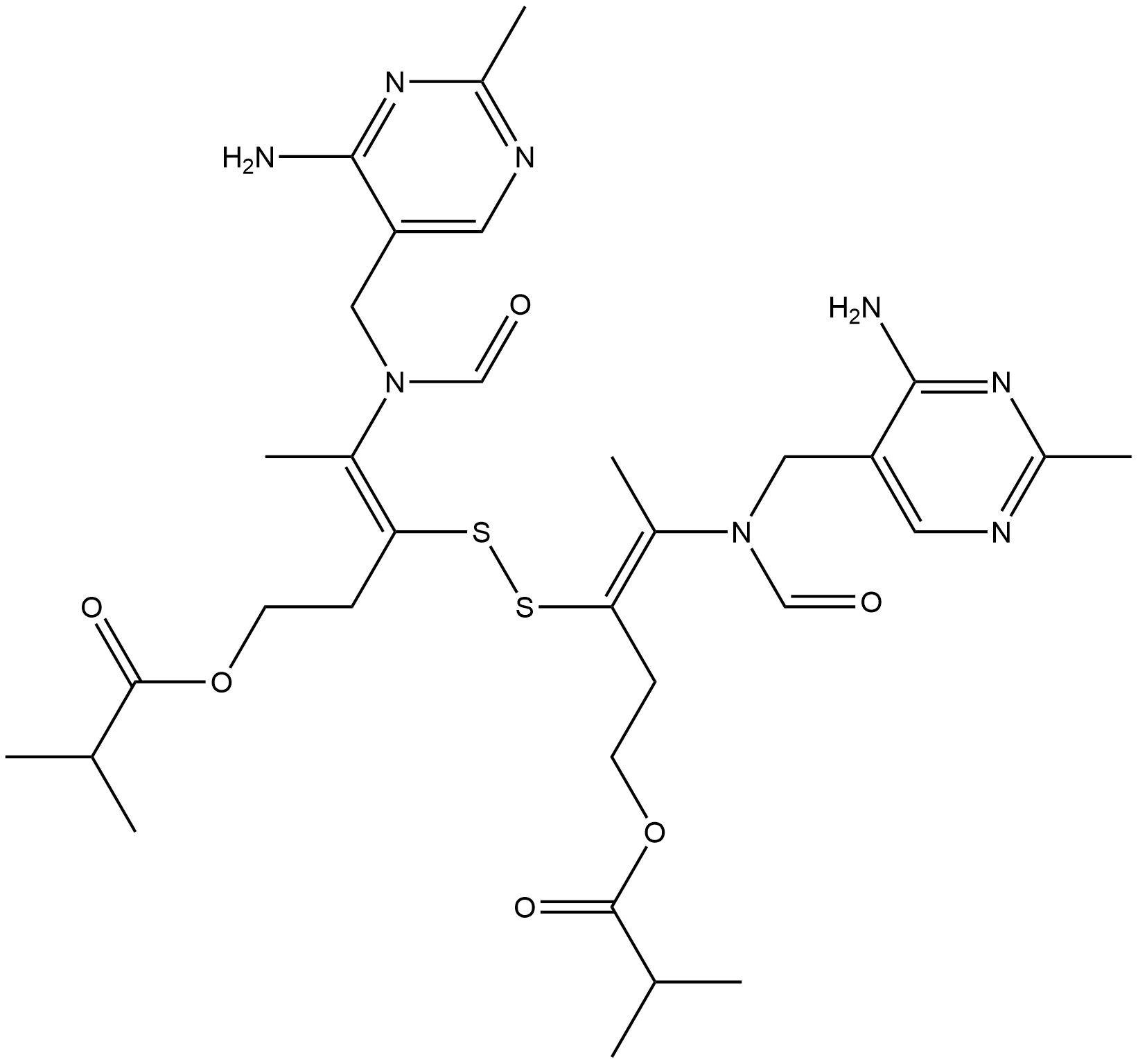 C8856 SulbutiamineSummary: A lipid-soluble, brain-penetrant thiamine derivative
 -
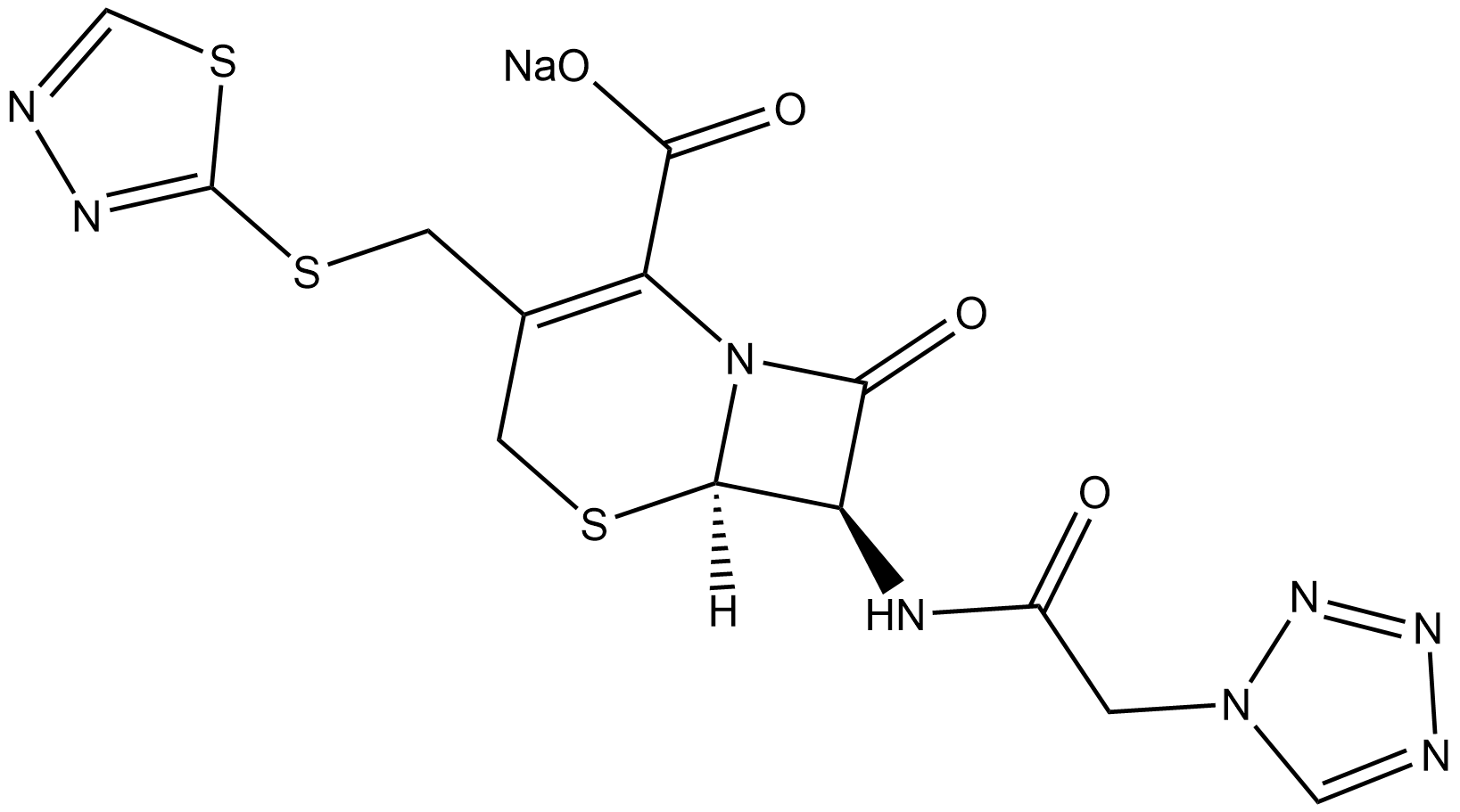 C8866 Ceftezole sodiumSummary: A cephalosporin antibiotic that inhibits bacterial cell wall synthesis.
 -
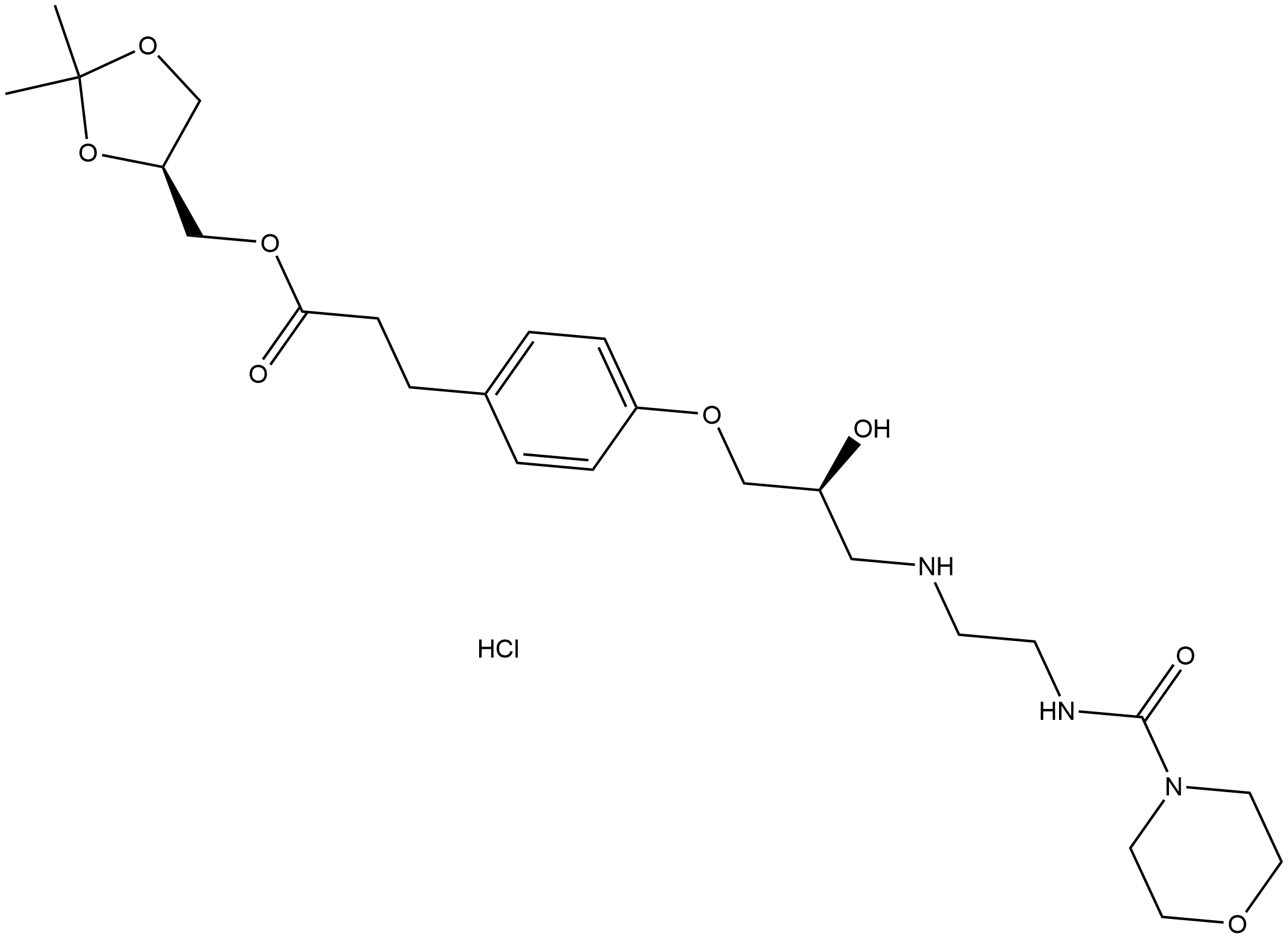 C8881 Landiolol hydrochlorideSummary: An ultra-short-acting, highly selective β1-adrenergic receptor antagonist.