


Metabolism
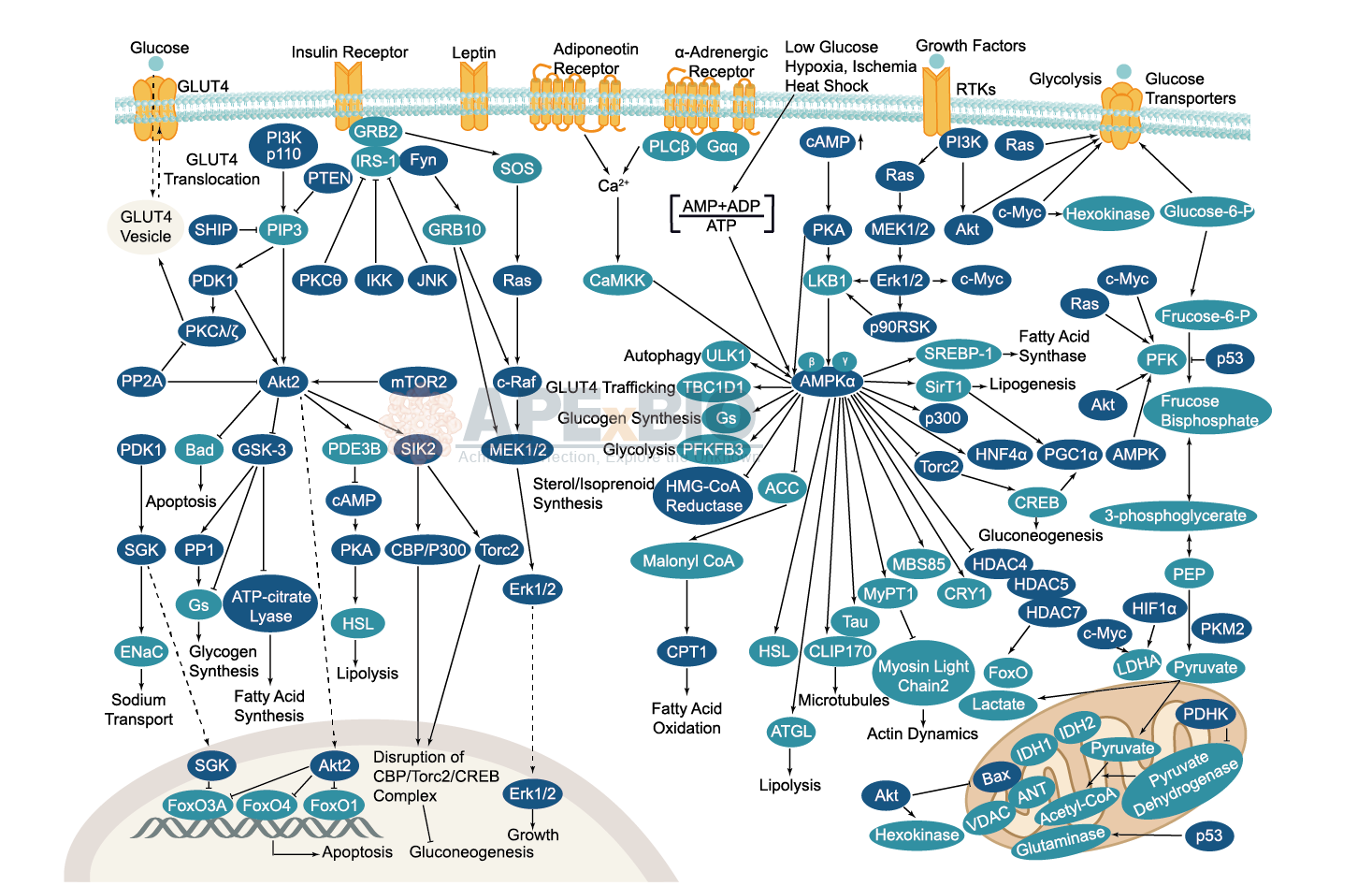
Serine/threonine kinase AMPK upregulates glucose uptake by promoting the expression and function of glucose transporters. AMPK is activated by increased AMP/ATP ratio, resulting from cellular and environmental stress, e.g. low glucose, heat shock, hypoxia and ischemia. AMPK activation positively modulates signaling transductions that refill ATP levels. Moreover, it also stimulates catabolic processes such as fatty acid oxidation and glycolysis through inhibition of ACC and activation of PFK2. AMPK negatively regulates various proteins which are important to ATP-consuming mechanisms, e.g. mTORC2, glycogen synthase, SREBP-1, and TSC2, causing the downregulation/inhibition of gluconeogenesis and glycogen, lipid and protein synthesis.
-
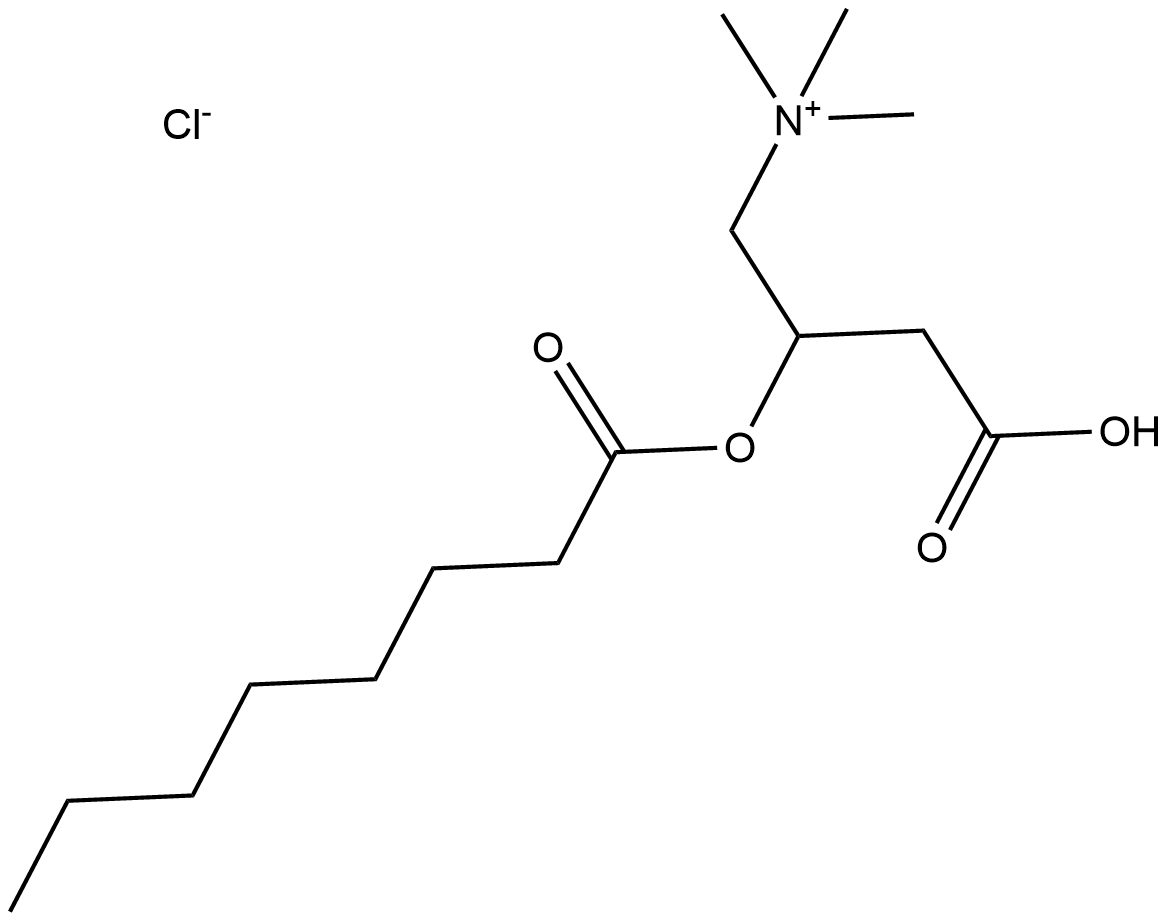 B6371 (±)-Octanoylcarnitine chloride6 CitationSummary: an intermediate in fatty acid metabolism
 -
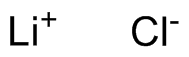 B6083 LiCl3 CitationSummary: used to precipitate RNA
 -
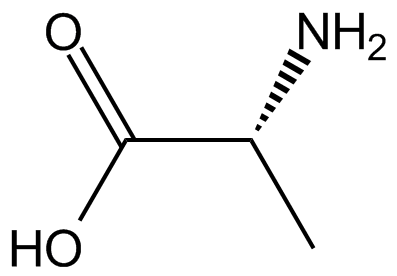 C6119 D-Alanine1 CitationSummary: A weak agonist of the glycine receptor (GlyR), used for research on neuronal receptor function.
 -
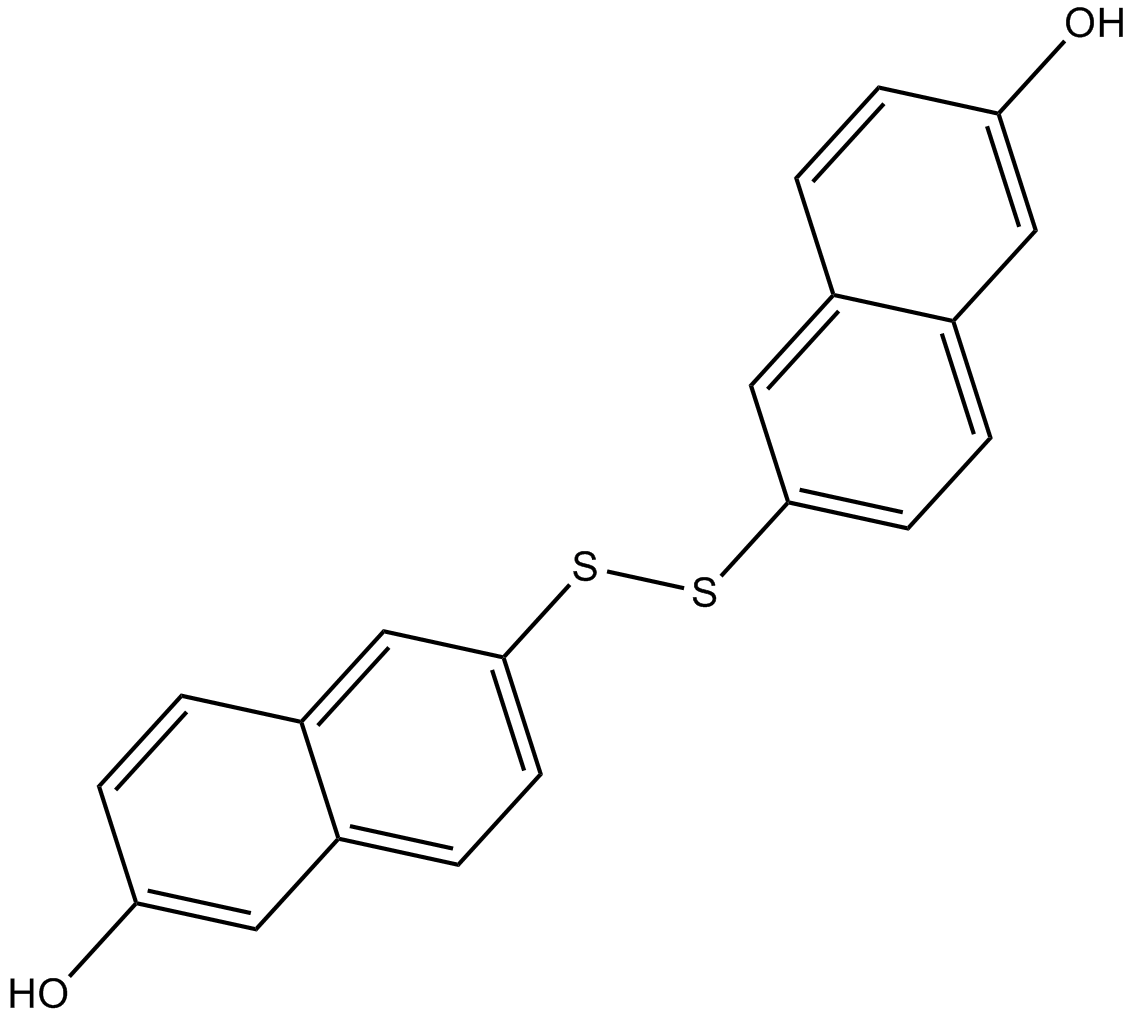 B5541 PIR 3.5Summary: A PAK1 serine/threonine kinase inhibitor
 -
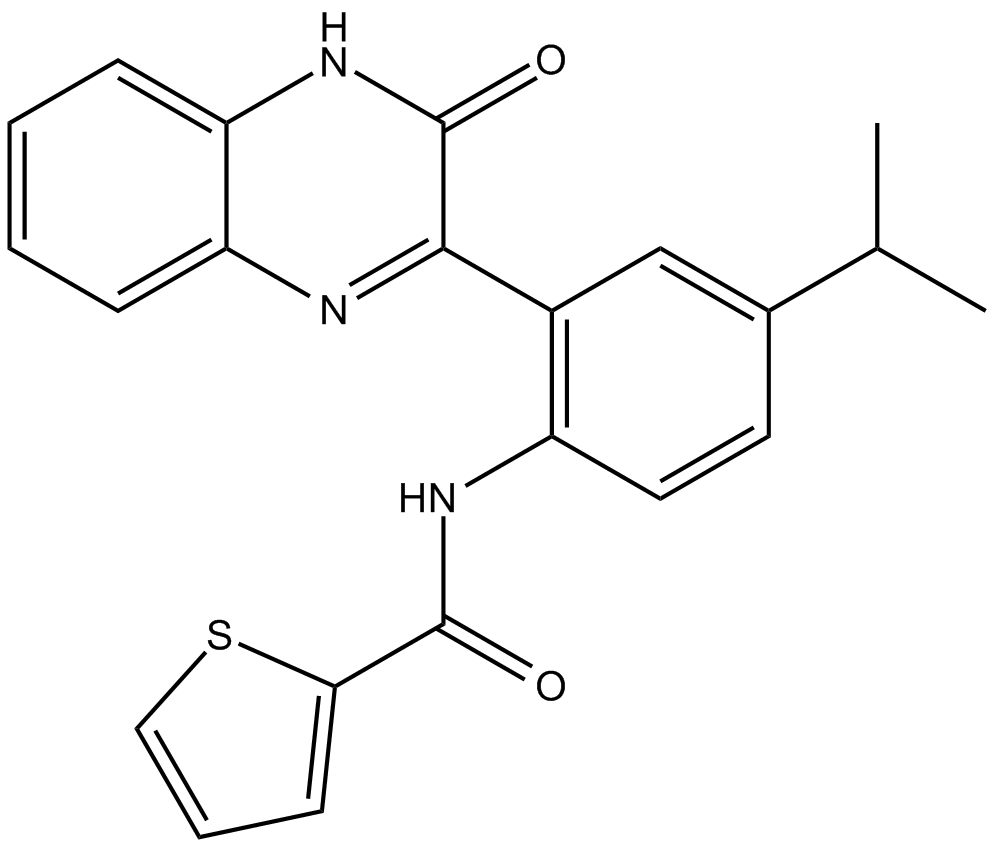 B5750 ML 281Target: STKSummary: An inhibitor of STK33
 -
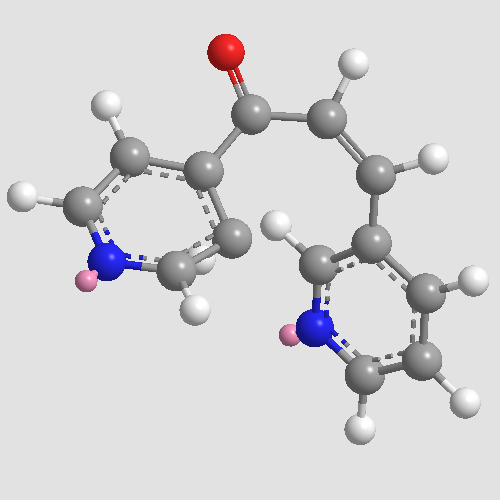 B4939 3POSummary: An inhibitor of PFKFB3
 -
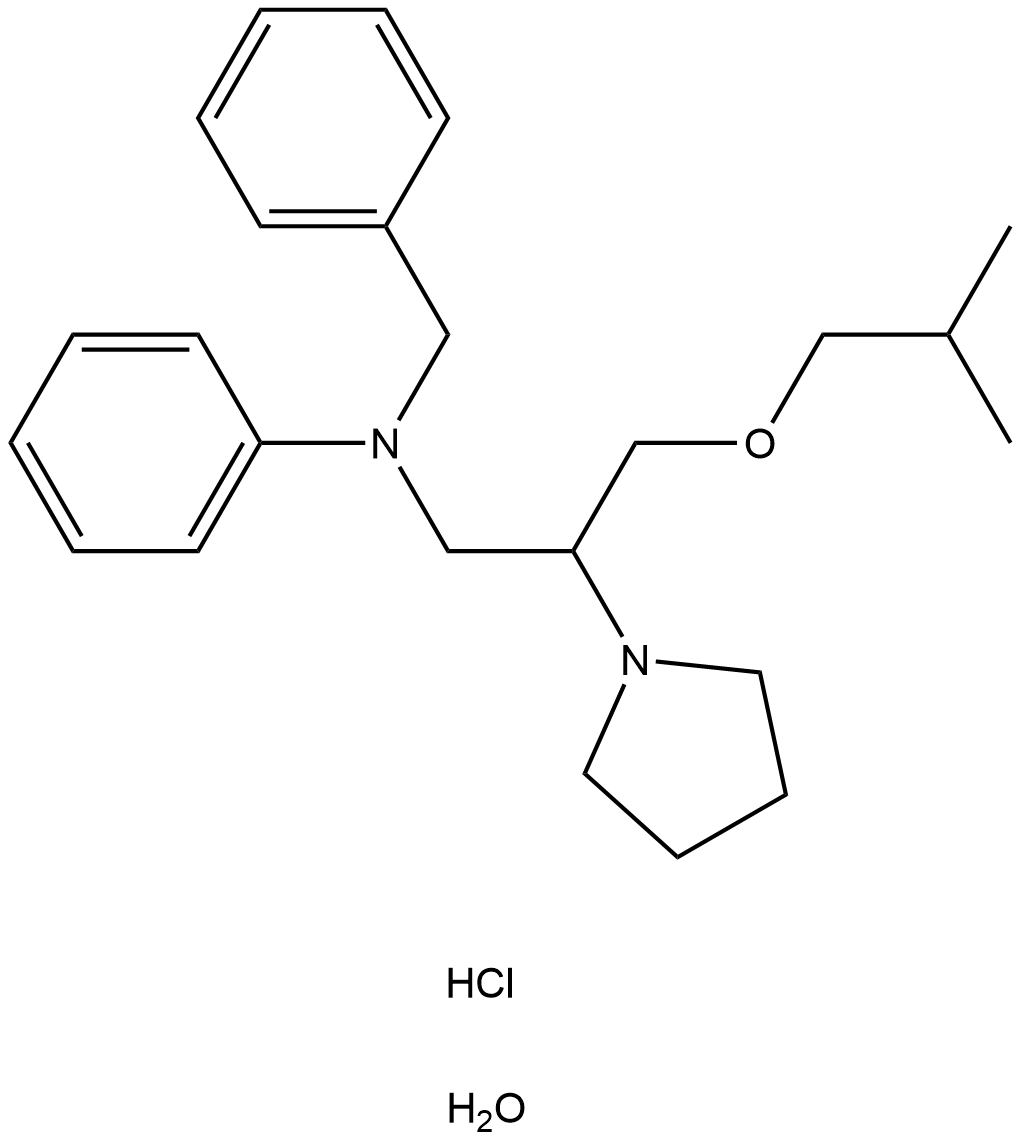 C8774 Bepridil hydrochloride hydrateSummary: An antiarrhythmic drug (multi-target ion channel modulator).
 -
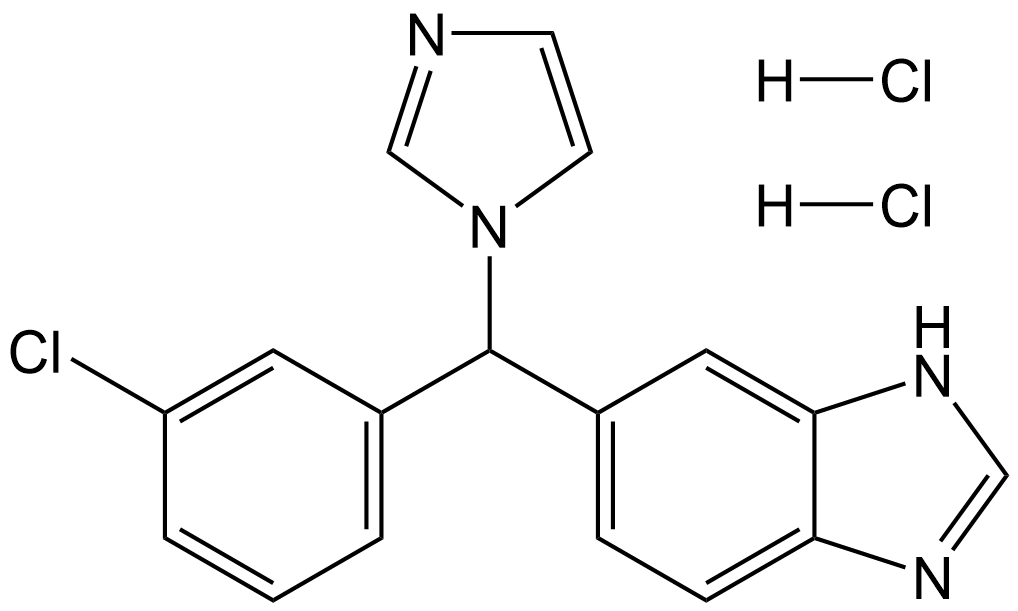 C8795 Liarozole dihydrochlorideSummary: An imidazole-derived retinoic acid metabolism-blocking agent that inhibits CYP26 to elevate tissue retinoic acid levels, used in oncology
 -
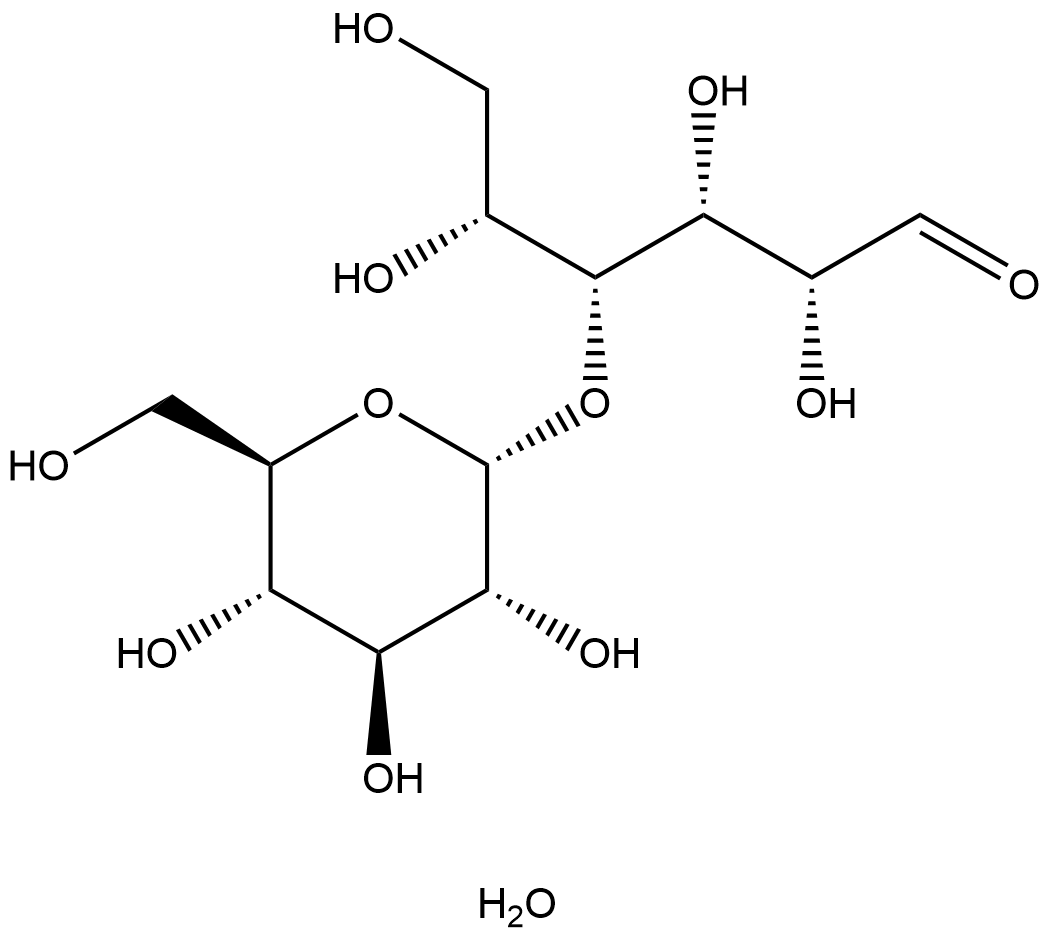 C8796 Maltose monohydrateSummary: A disaccharide
 -
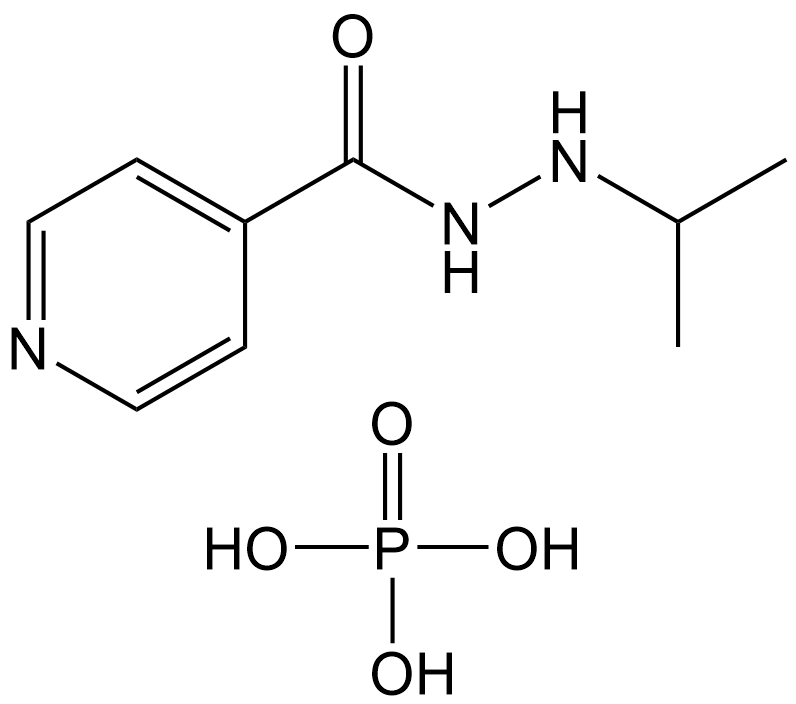 C8798 Iproniazid phosphateSummary: An orally active, irreversible, non-selective monoamine oxidase (MAO) inhibitor used for the treatment of depression and Parkinson's disease