


Metabolism
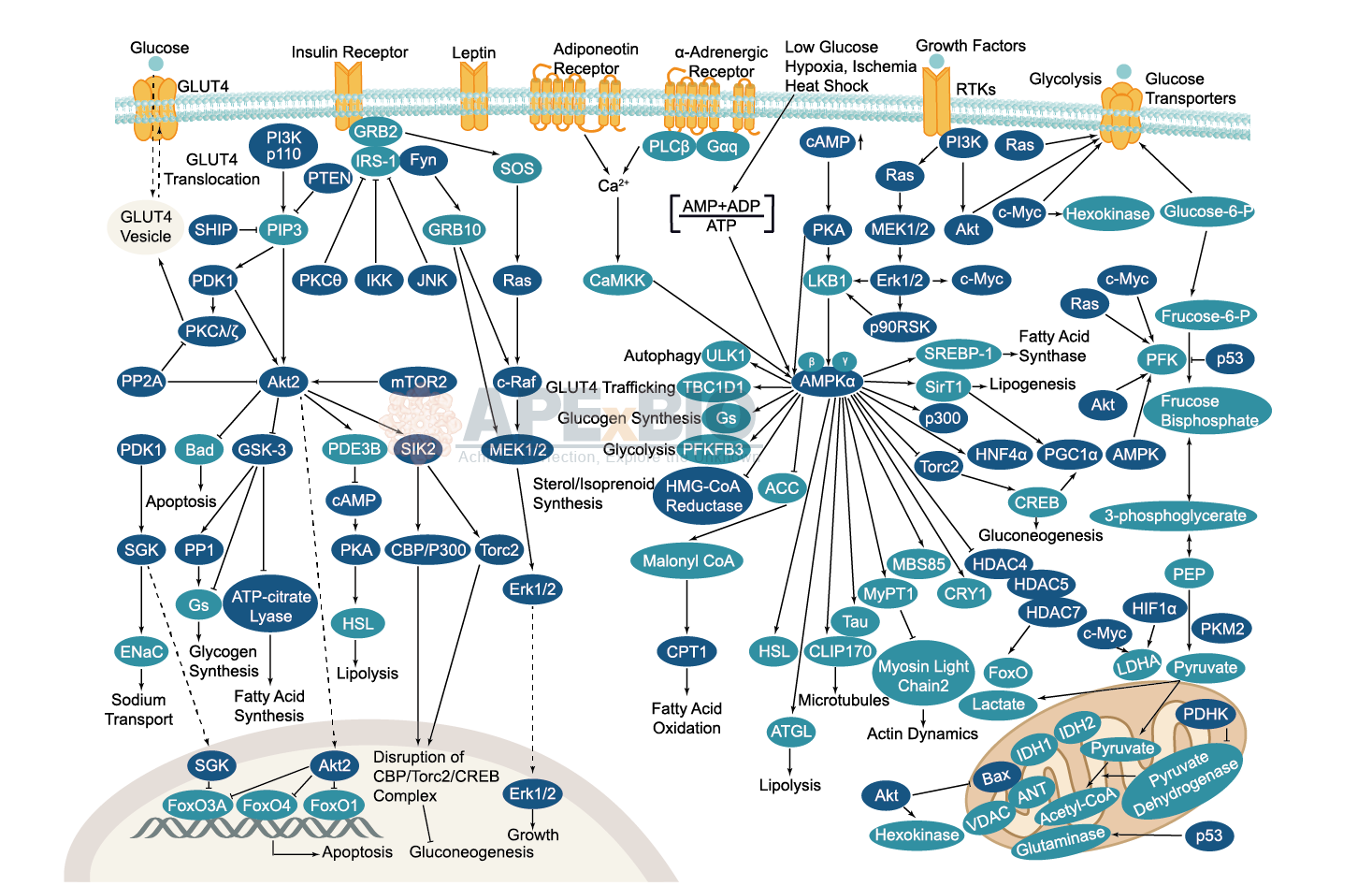
Serine/threonine kinase AMPK upregulates glucose uptake by promoting the expression and function of glucose transporters. AMPK is activated by increased AMP/ATP ratio, resulting from cellular and environmental stress, e.g. low glucose, heat shock, hypoxia and ischemia. AMPK activation positively modulates signaling transductions that refill ATP levels. Moreover, it also stimulates catabolic processes such as fatty acid oxidation and glycolysis through inhibition of ACC and activation of PFK2. AMPK negatively regulates various proteins which are important to ATP-consuming mechanisms, e.g. mTORC2, glycogen synthase, SREBP-1, and TSC2, causing the downregulation/inhibition of gluconeogenesis and glycogen, lipid and protein synthesis.
-
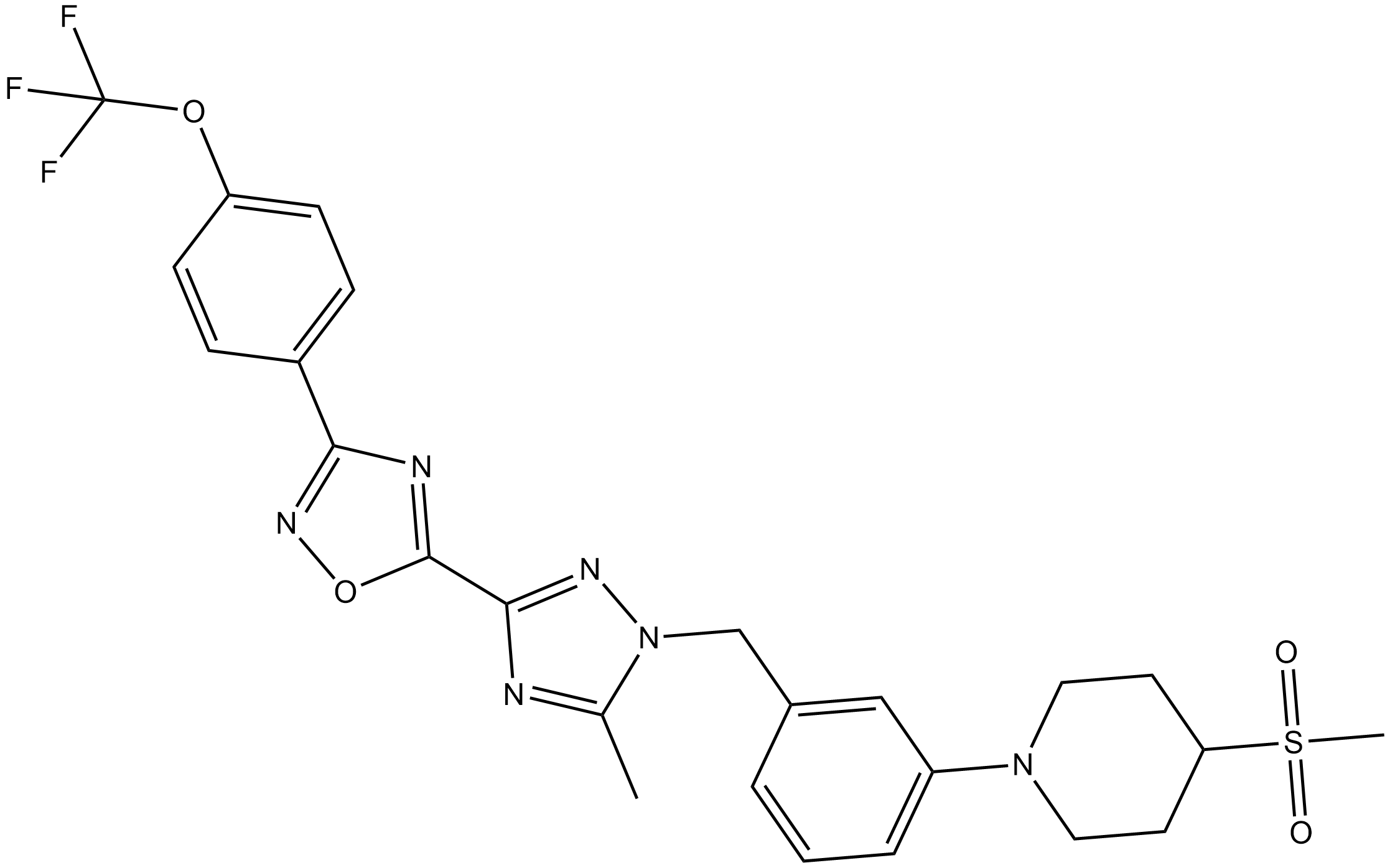 C9051 IACS-010759Summary: A selective Complex I inhibitor for research on the mechanisms of mitochondrial oxidative phosphorylation, for research use only.
 -
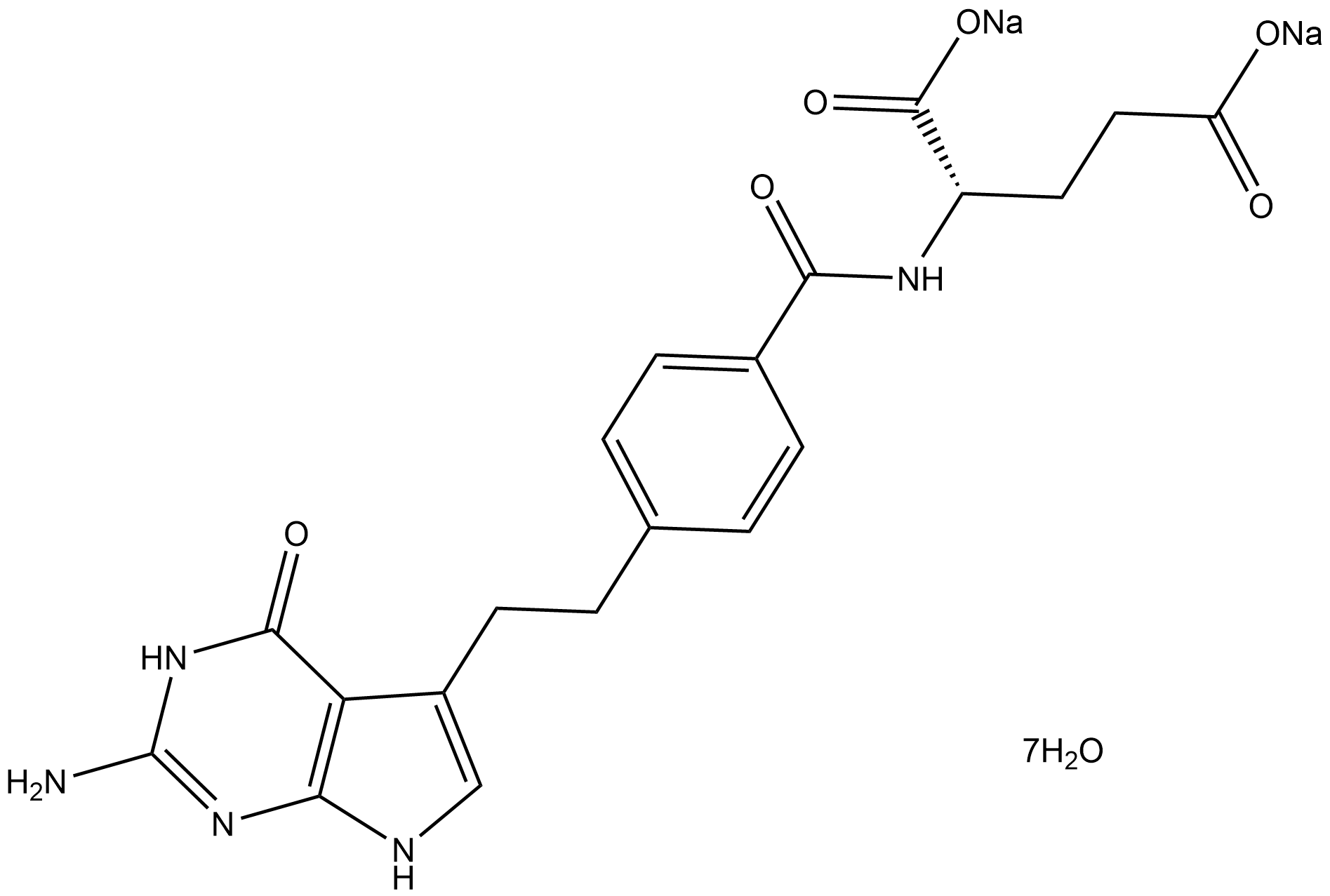 C9060 Pemetrexed disodium heptahydrateSummary: A folate antagonist antimetabolite that inhibits folate-dependent enzymes, used for in vitro research on metabolism and cells.
 -
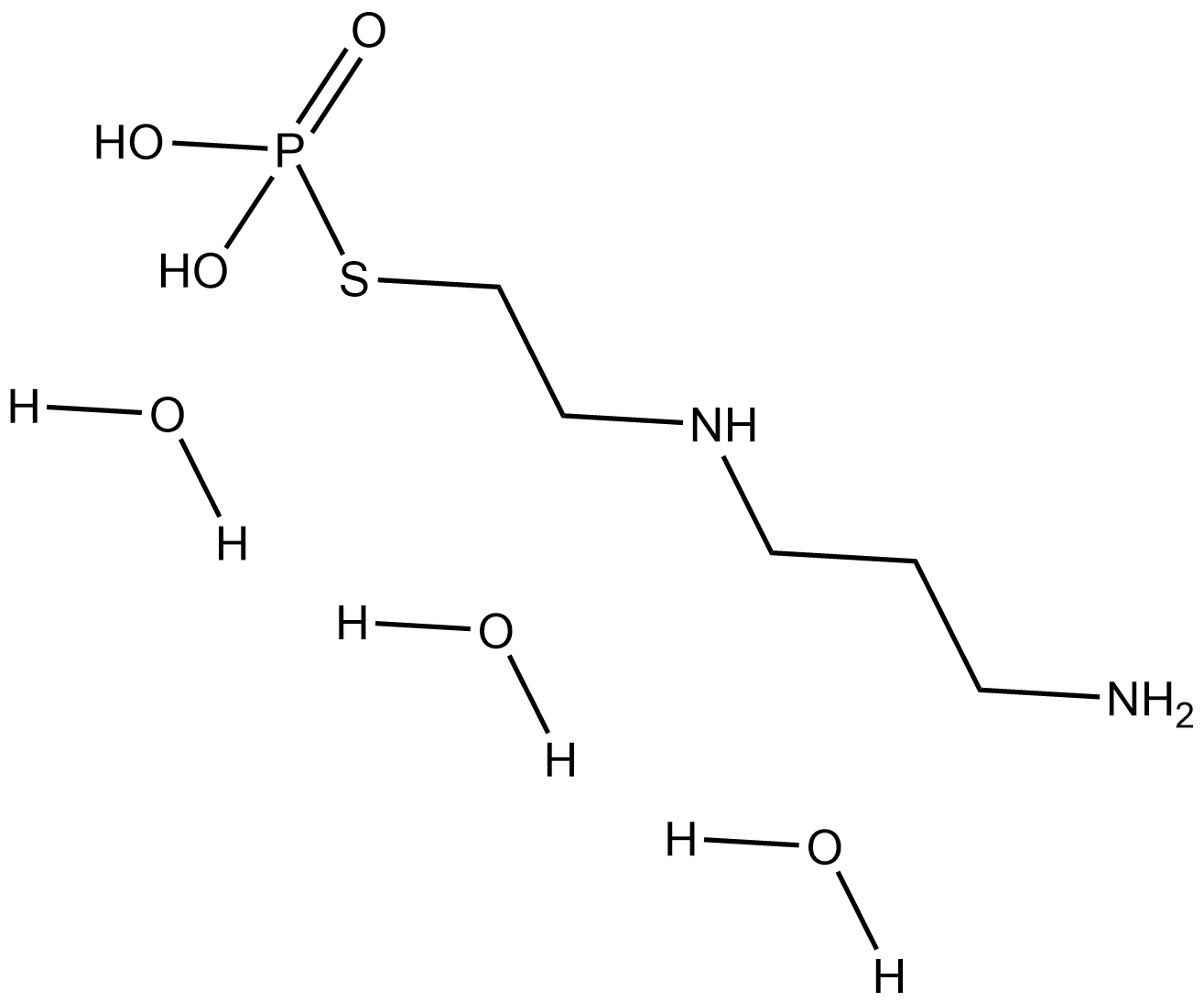 C9089 Amifostine trihydrateSummary: A research-use radioprotective drug suitable for studies on oxidative stress and DNA damage mechanisms.
 -
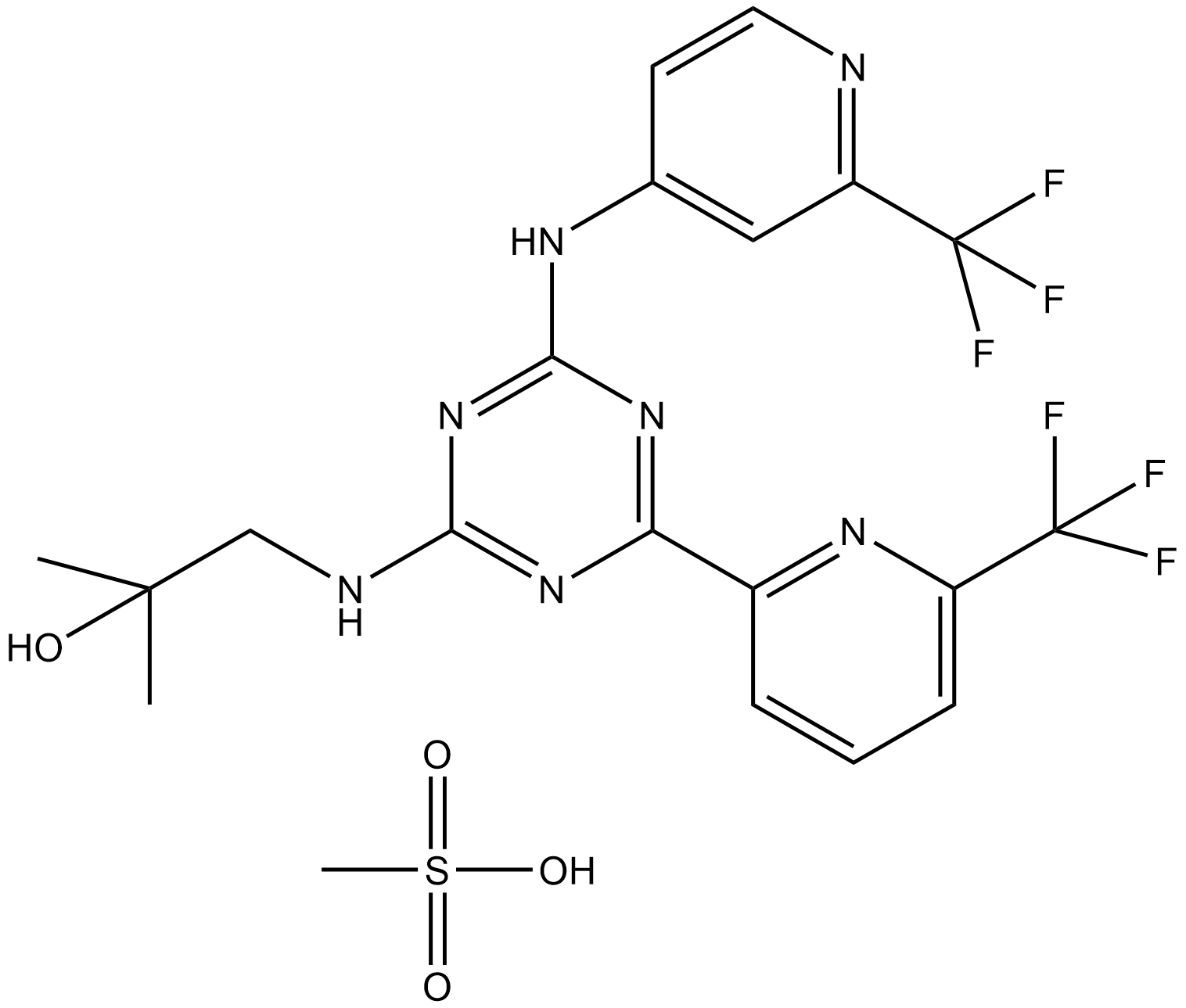 C9091 Enasidenib MesylateSummary: A small-molecule probe that selectively inhibits mutant IDH2, for in vitro metabolic and epigenetic research.
 -
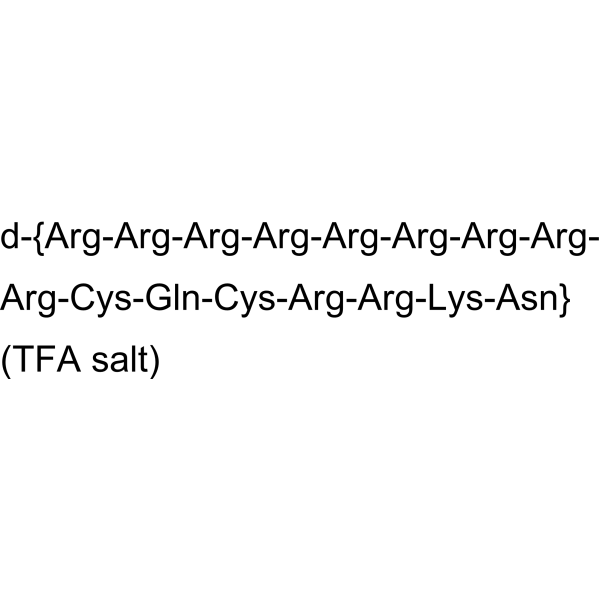 C9120 GO-203 TFASummary: A cell-permeable all-D peptide research tool that selectively targets MUC1-C, for research use.
 -
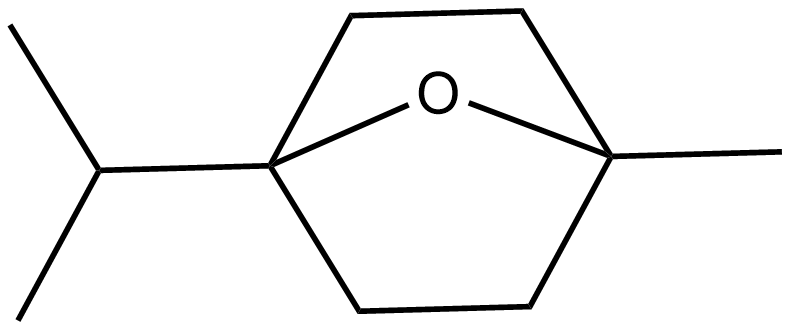 N2917 1,4-CineoleSummary: 1,4-Cineole is a monoterpene oxide investigated for modulating inflammatory and oxidative stress signaling pathways in pharmacology, toxicology, and cellular mechanism research.
 -
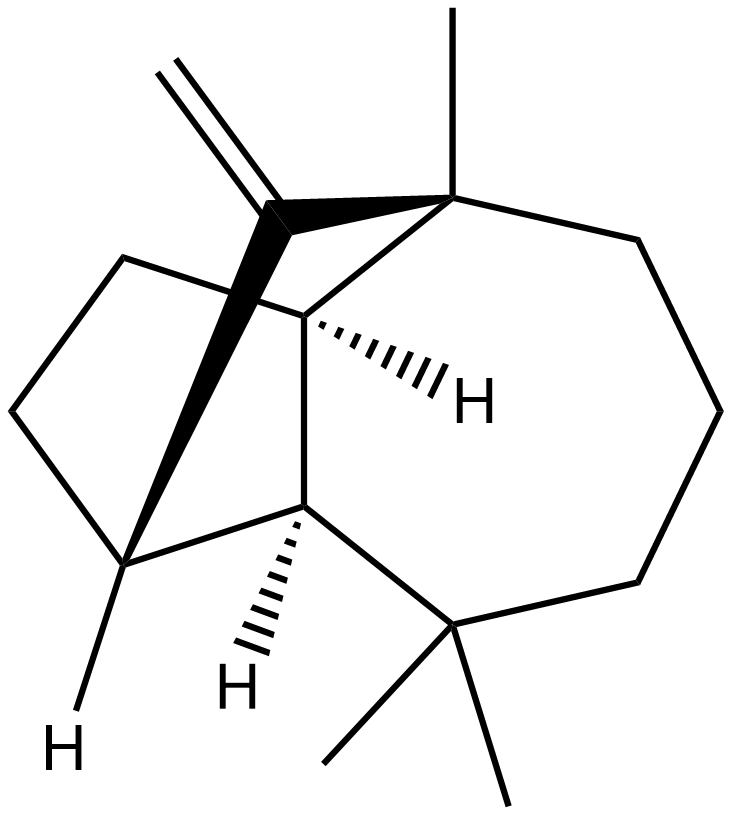 N2954 (+)-LongifoleneSummary: (+)-Longifolene is a tricyclic sesquiterpene hydrocarbon used as an analytical reference standard in natural products chemistry and terpene biosynthesis research.
 -
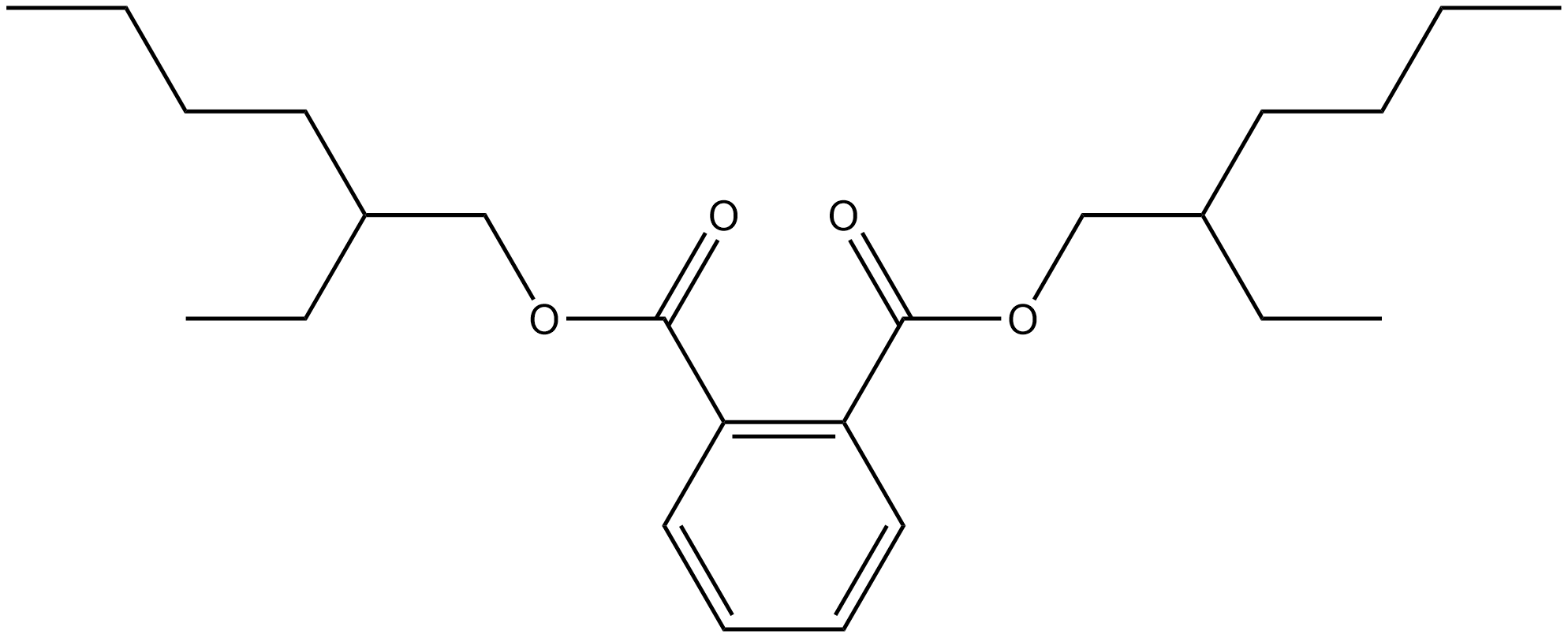 N2960 Bis(2-ethylhexyl) phthalateSummary: Bis(2-ethylhexyl) phthalate is a ubiquitous phthalate plasticizer and endocrine-disrupting chemical used to investigate PPAR signaling, reproductive toxicology, and environmental exposure biology.
 -
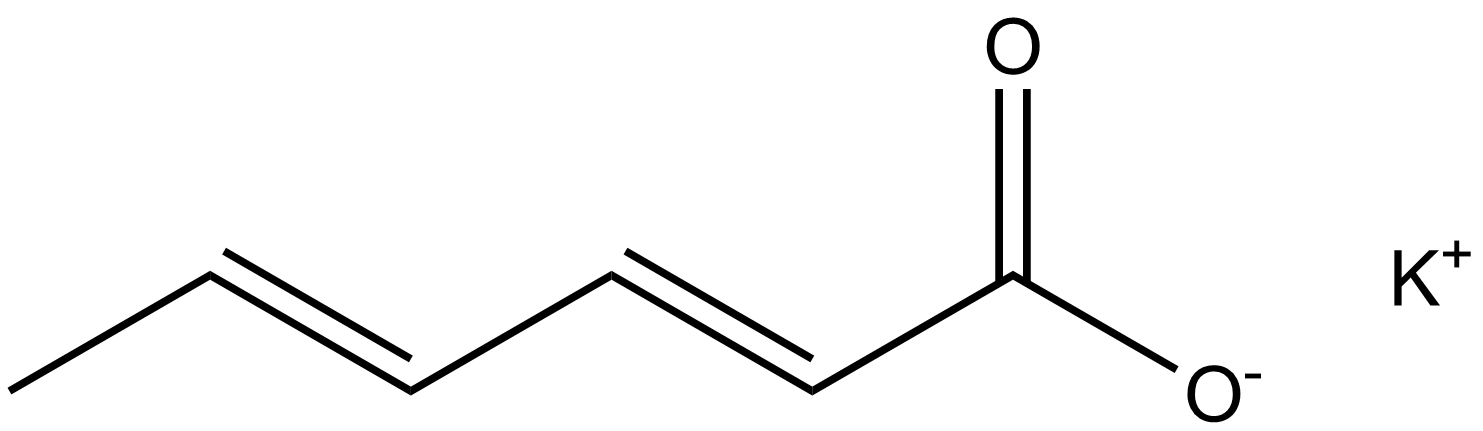 N2963 Potassium sorbateSummary: Potassium sorbate is a food-grade preservative and unsaturated fatty acid salt that inhibits microbial growth, widely utilized in microbiology and formulation stability research.
 -
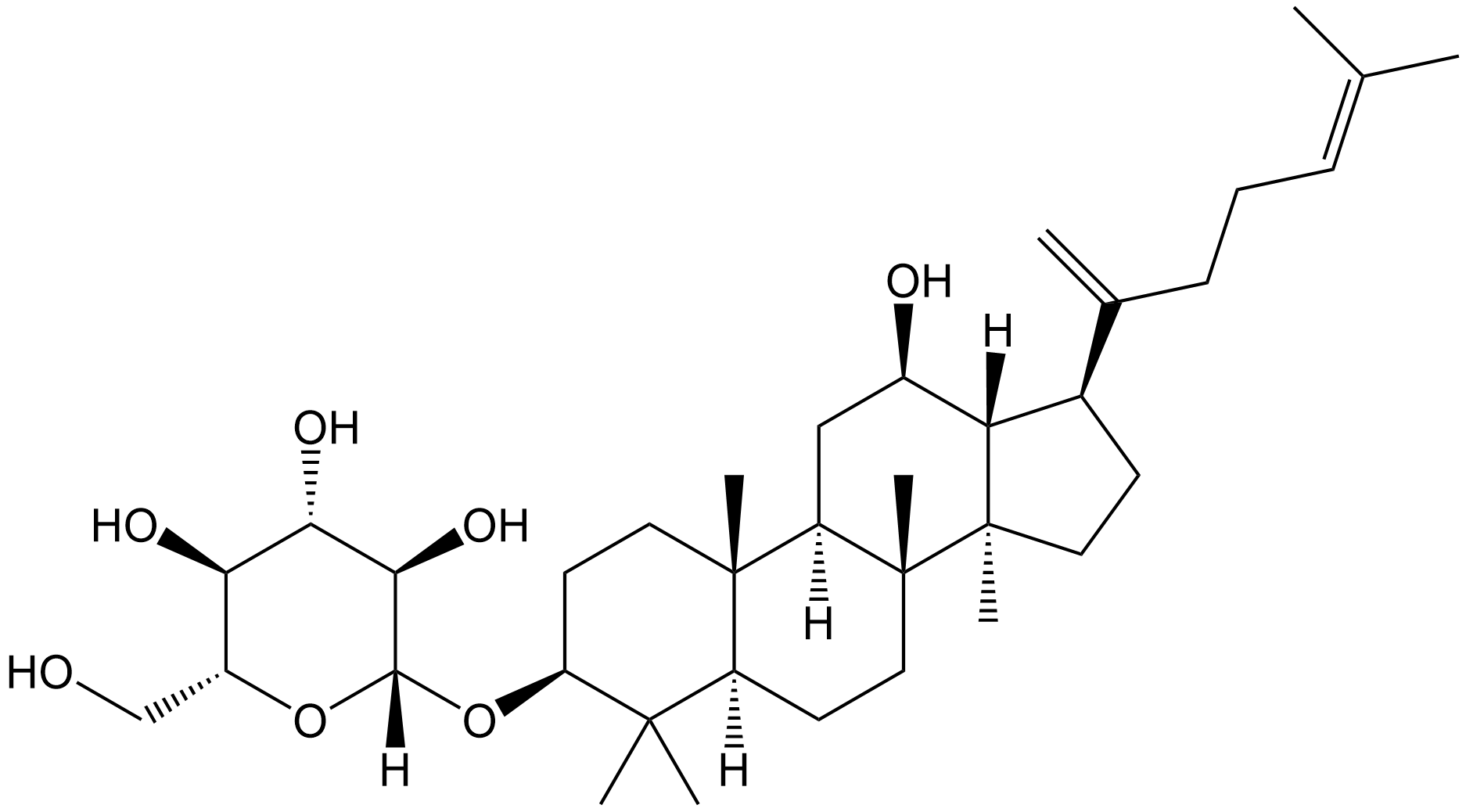 N2902 Ginsenoside Rk2Summary: A dammarane-type saponin compound extracted from processed ginseng (Panax ginseng).