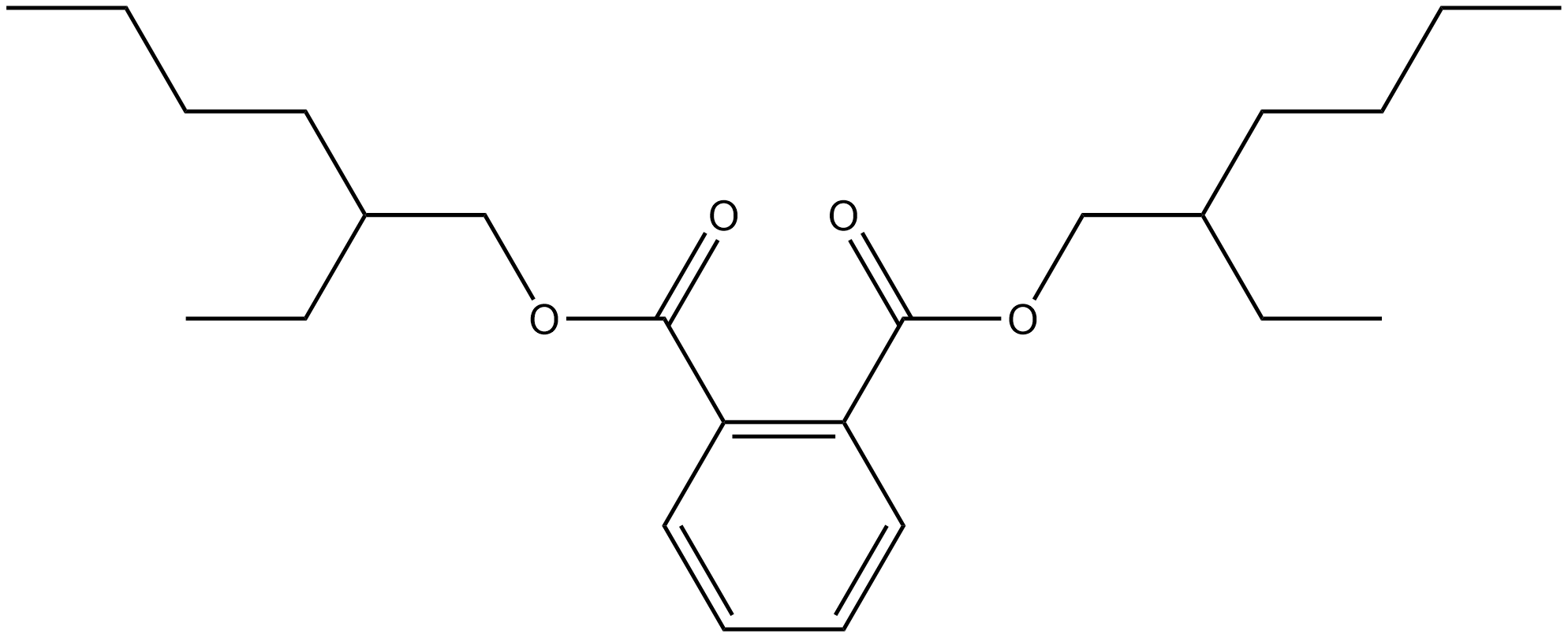
Bis(2-ethylhexyl) phthalate
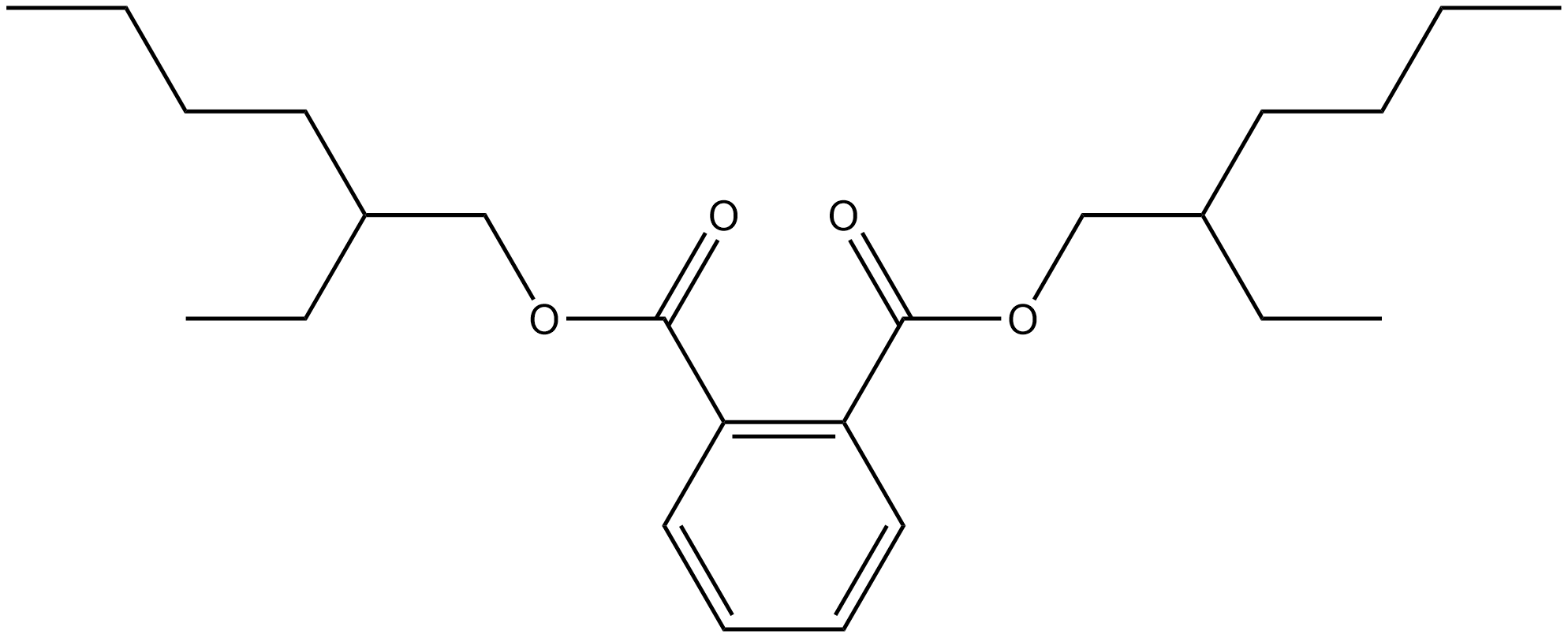
Bis(2-ethylhexyl) phthalate (CAS No.: 117-81-7) is a synthetic phthalate ester widely classified as an environmental contaminant and industrial plasticizer, and in biomedical research it is primarily used as a reference toxicant for mechanistic studies in toxicology, endocrinology, metabolism, and developmental biology rather than as a selective bioactive probe; current evidence indicates that its biological activity is pleiotropic and context dependent, with reported effects including disruption of endocrine and lipid metabolic regulation, suppression of prostaglandin biosynthesis, induction of oxidative stress associated responses, modulation of immune and hepatic injury related pathways, and alterations in neurodevelopmental and reproductive biology endpoints, while aquatic and vertebrate model data also describe genotoxic signatures such as DNA strand break related outcomes and transcriptional perturbation patterns; because this compound acts through broad network level stress and signaling perturbations rather than a single high affinity molecular target, in vitro potency is commonly reported across endpoints in the micromolar to high micromolar range, with some sensitive systems showing responses from nanomolar to micromolar concentrations depending on cell type, exposure duration, metabolic competence, and assay design; accordingly, it is routinely applied in cell based assays, zebrafish and rodent exposure paradigms, and comparative hazard profiling workflows to interrogate mechanisms of toxicodynamic response, benchmark pathway perturbation, and support screening platform calibration, and the concentrations or doses used in experiments typically depend on specific experimental designs and research objectives under strictly controlled laboratory research conditions only.
| Storage | 4°C, protect from light for 2 years |
| M.Wt | 390.56 |
| Cas No. | 117-81-7 |
| Formula | C24H38O4 |
| Synonyms | Bis(2-ethylhexyl) phthalate; Ergoplast FDO; ESBO-D 82 |
| Solubility | ≥48.6 mg/mL in DMSO; ≥43.3 mg/mL in EtOH; insoluble in H2O |
| Chemical Name | bis(2-ethylhexyl) phthalate |
| Canonical SMILES | O=C(OCC(CC)CCCC)C=1C=CC=CC1C(=O)OCC(CC)CCCC |
| Shipping Condition | Small Molecules with Blue Ice, Modified Nucleotides with Dry Ice. |
| General tips | We do not recommend long-term storage for the solution, please use it up soon. |
Quality Control & MSDS
- View current batch:
Chemical structure