


Metabolism
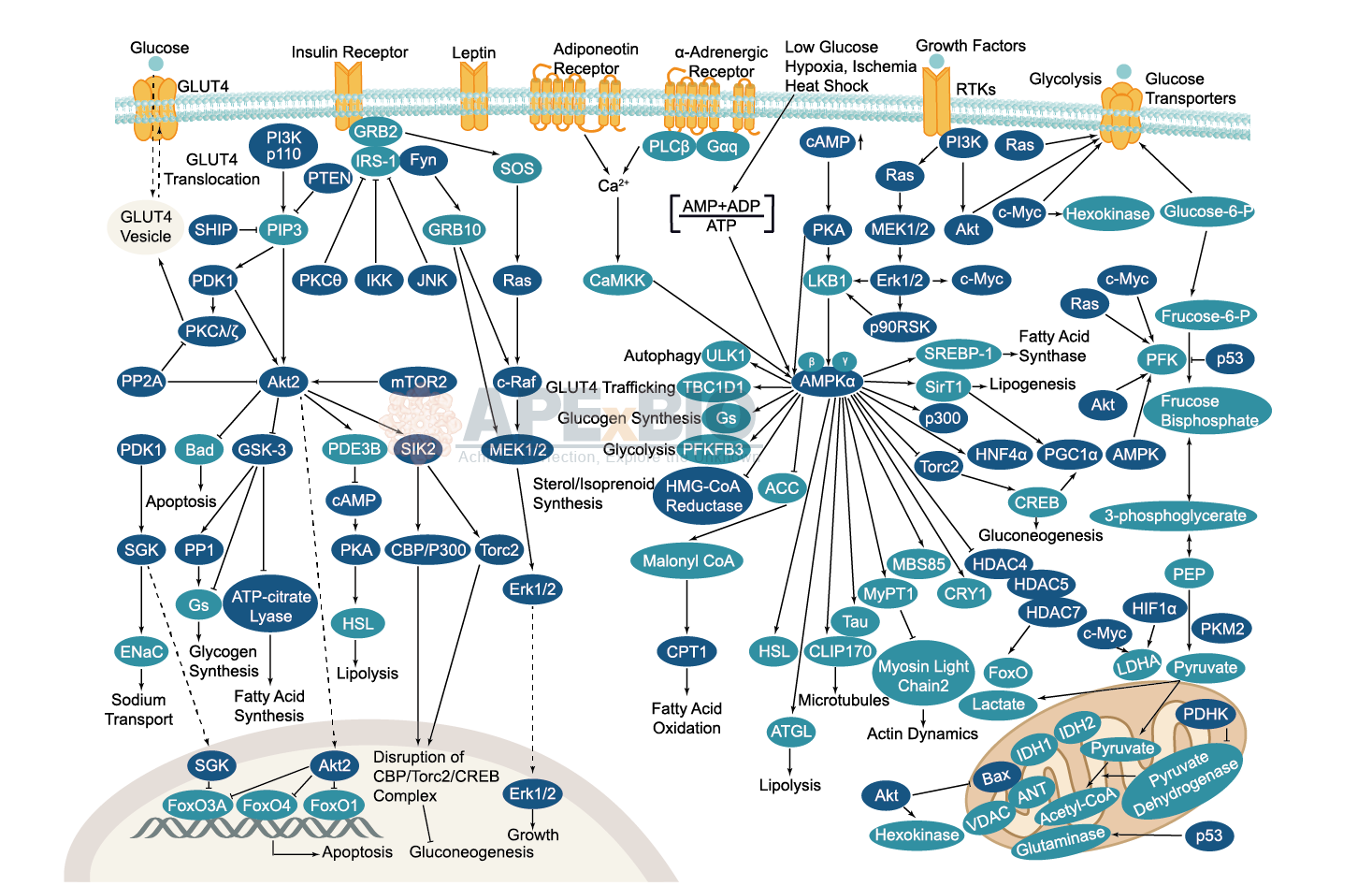
Serine/threonine kinase AMPK upregulates glucose uptake by promoting the expression and function of glucose transporters. AMPK is activated by increased AMP/ATP ratio, resulting from cellular and environmental stress, e.g. low glucose, heat shock, hypoxia and ischemia. AMPK activation positively modulates signaling transductions that refill ATP levels. Moreover, it also stimulates catabolic processes such as fatty acid oxidation and glycolysis through inhibition of ACC and activation of PFK2. AMPK negatively regulates various proteins which are important to ATP-consuming mechanisms, e.g. mTORC2, glycogen synthase, SREBP-1, and TSC2, causing the downregulation/inhibition of gluconeogenesis and glycogen, lipid and protein synthesis.
-
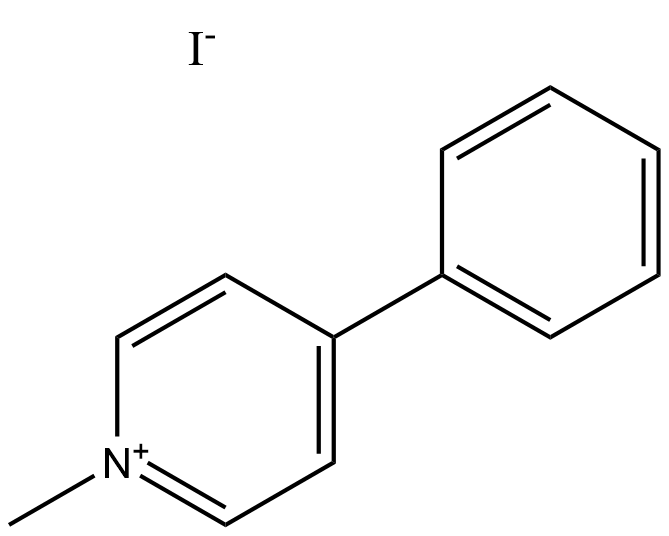 C8601 MPP+ iodideSummary: MPP⁺ iodide is a toxic metabolite of MPTP and a high-affinity substrate of the serotonin transporter (SERT), used to induce Parkinsonian symptoms in dopaminergic neuron models.
 -
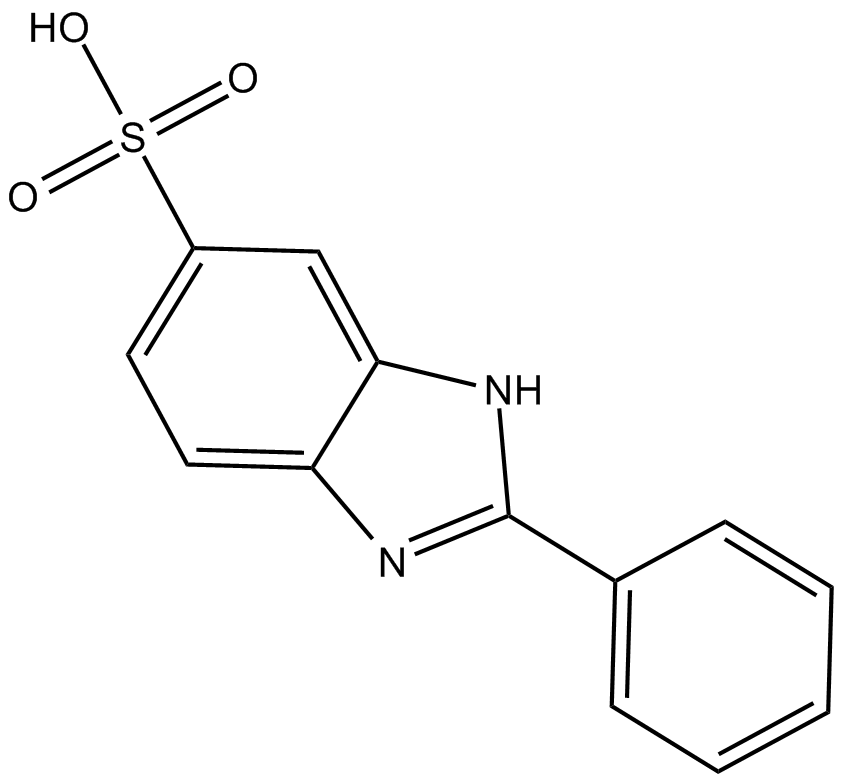 C7082 EnsulizoleSummary: A UV absorber for cosmetics and sunscreens.
 -
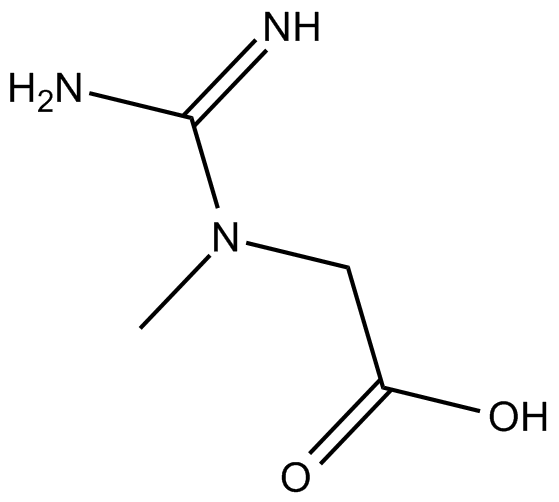 M1037 CreatineSummary: An amino acid derivative involved in energy metabolism in muscles and the brain.
 -
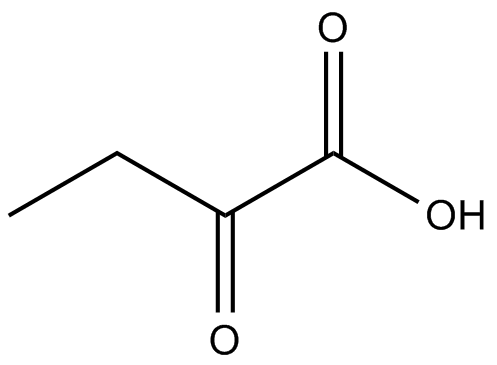 M1091 Glycine, serine and threonine metabolismSummary: A short-chain keto acid derivative produced by enzymatic cleavage of cystathionine.
 -
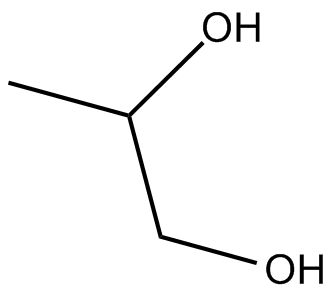 M1162 1,2-propanediolSummary: An organic solvent and diluent used in pharmaceutical formulations.
 -
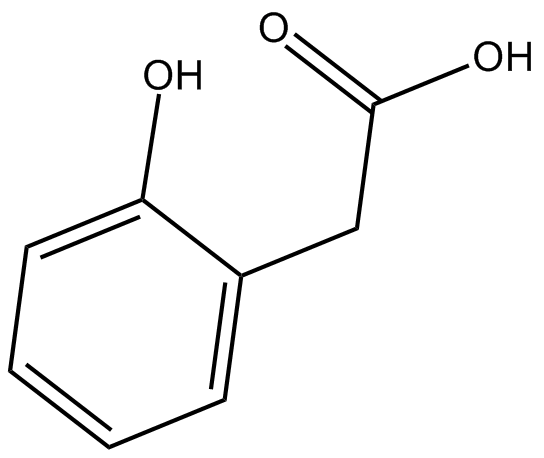 M1183 hydroxyphenylacetateSummary: Potential biomarkers for metabolic abnormalities associated with phenylketonuria.
 -
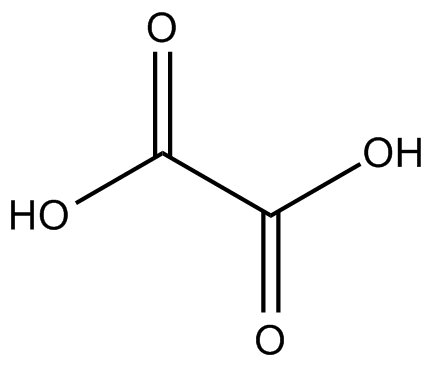 M1280 oxalateSummary: A strong acid used for analyzing reagents and as a general reducing agent.
 -
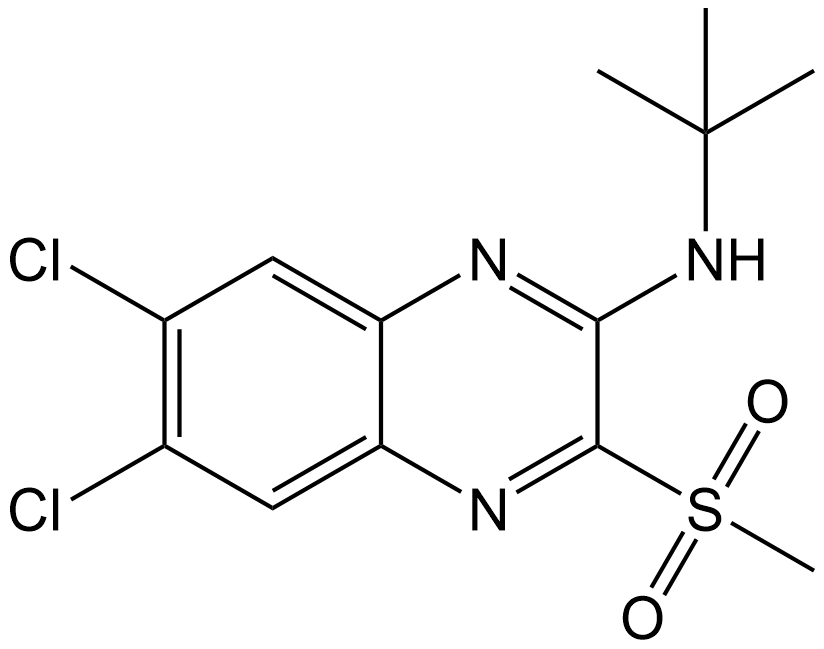 C8808 DMBSummary: An orally active GLP-1R agonist
 -
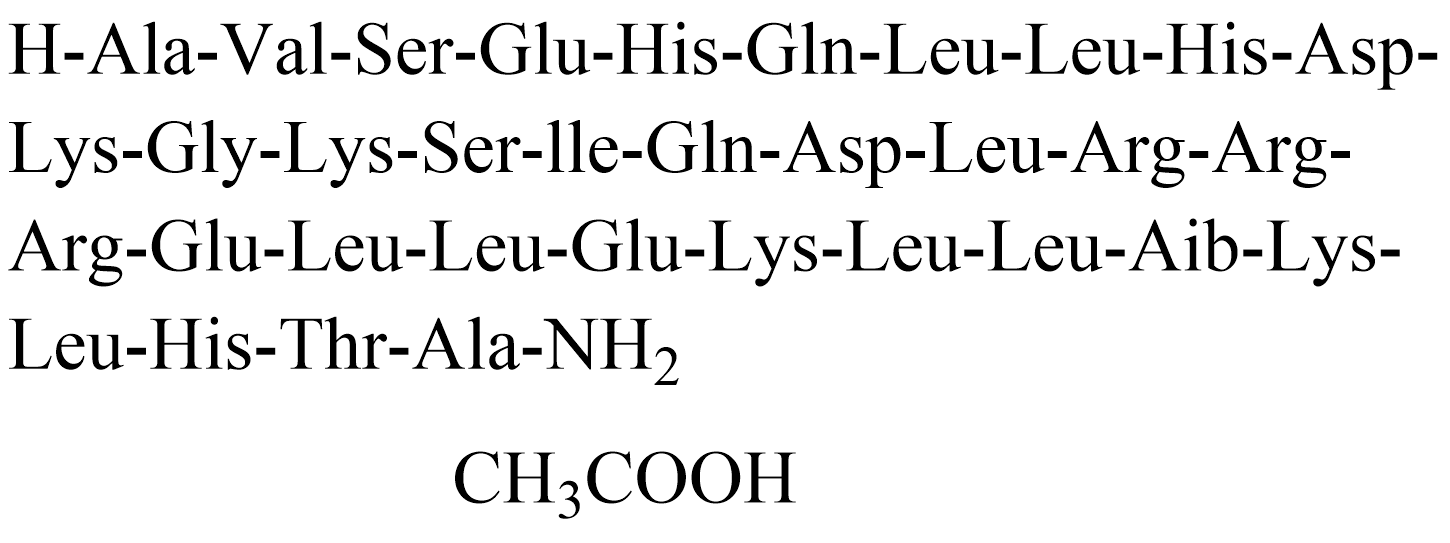 C8816 Abaloparatide acetateSummary: A selective PTHR1 agonist that promotes bone formation and improves cortical bone structure.
 -
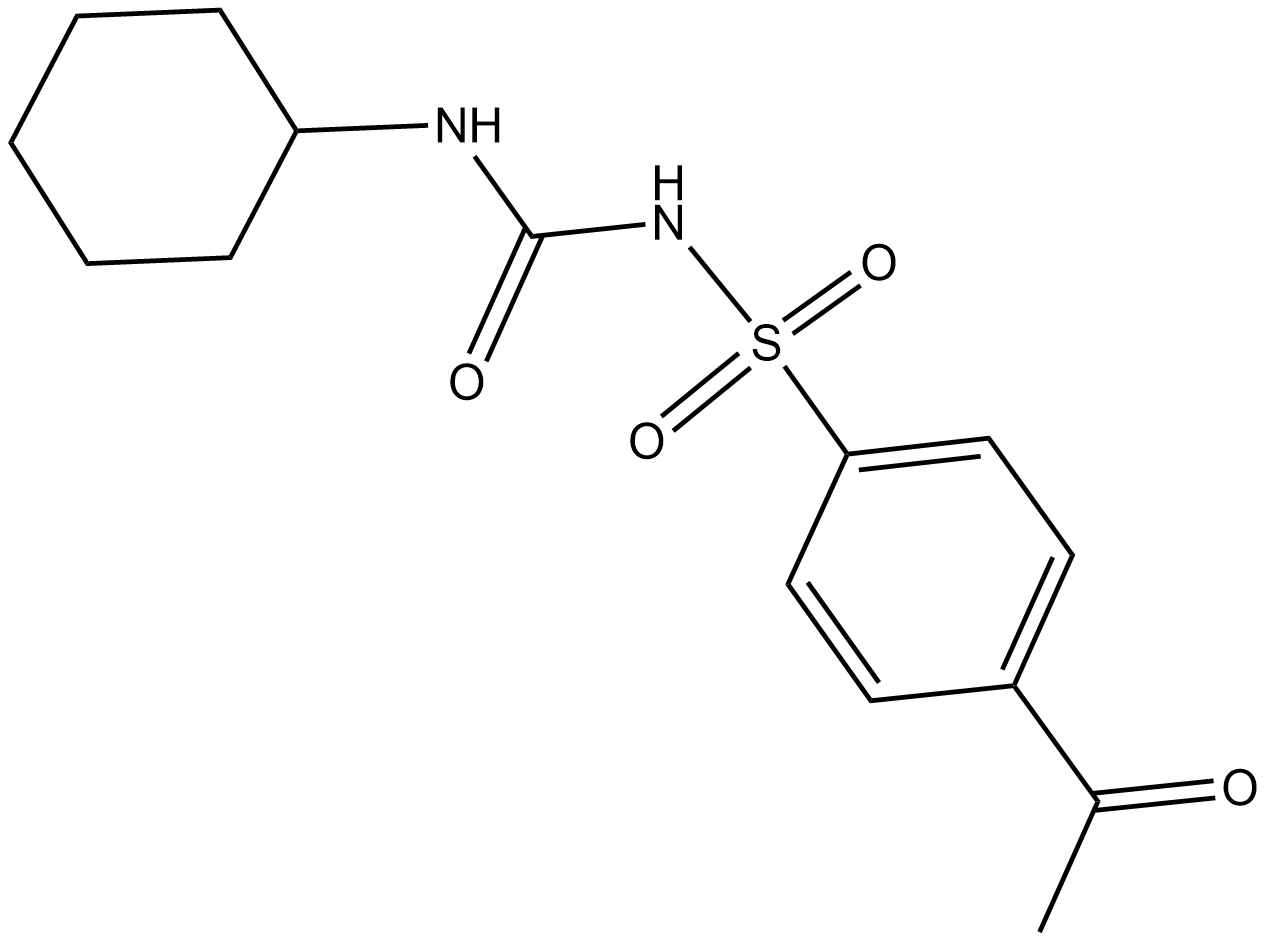 C8892 AcetohexamideSummary: Acetohexamide is a first-generation sulfonylurea and ATP-sensitive potassium channel modulator used to investigate pancreatic β-cell insulin secretion and glucose metabolism pathways.