


Metabolism
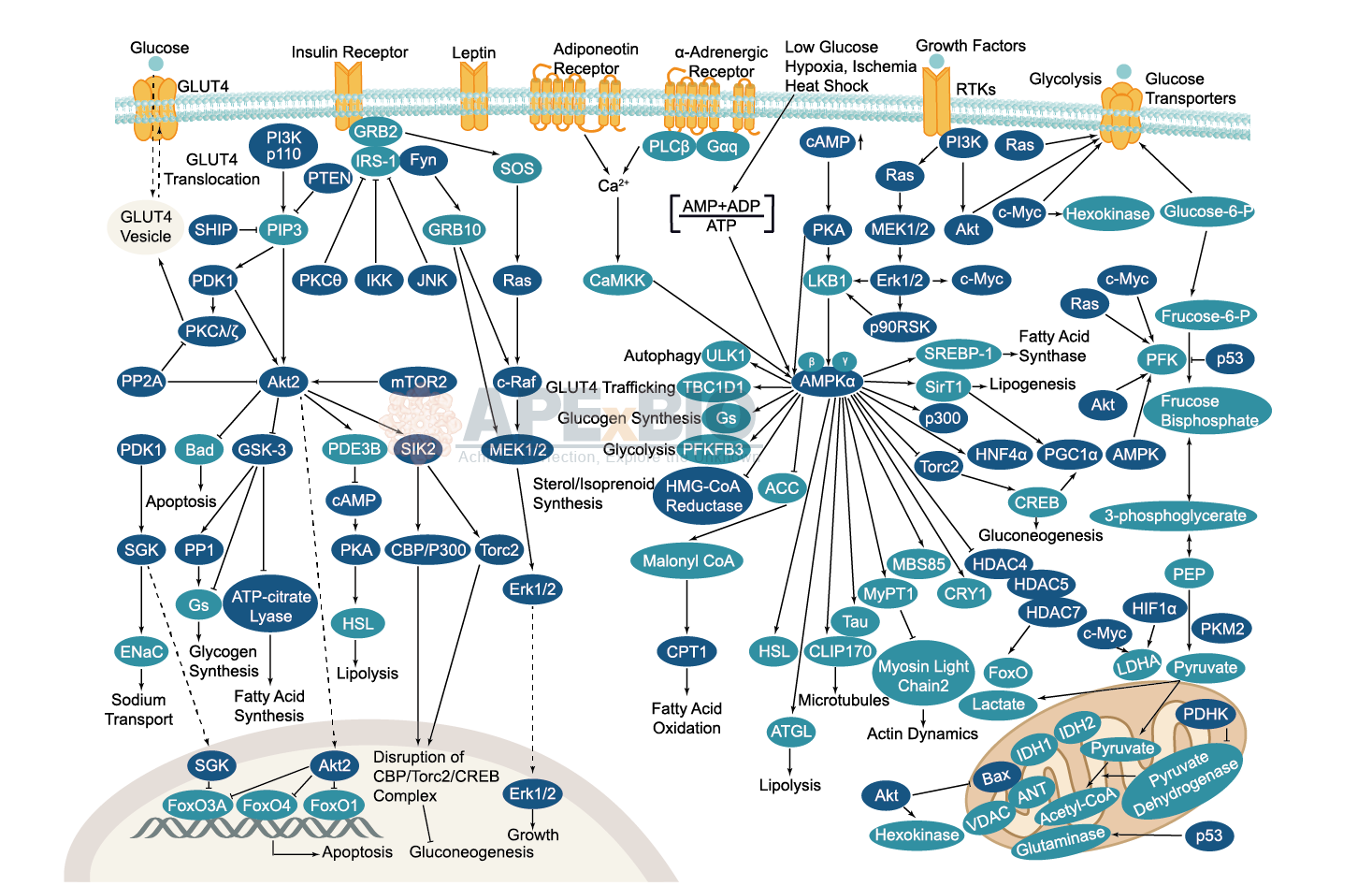
Serine/threonine kinase AMPK upregulates glucose uptake by promoting the expression and function of glucose transporters. AMPK is activated by increased AMP/ATP ratio, resulting from cellular and environmental stress, e.g. low glucose, heat shock, hypoxia and ischemia. AMPK activation positively modulates signaling transductions that refill ATP levels. Moreover, it also stimulates catabolic processes such as fatty acid oxidation and glycolysis through inhibition of ACC and activation of PFK2. AMPK negatively regulates various proteins which are important to ATP-consuming mechanisms, e.g. mTORC2, glycogen synthase, SREBP-1, and TSC2, causing the downregulation/inhibition of gluconeogenesis and glycogen, lipid and protein synthesis.
-
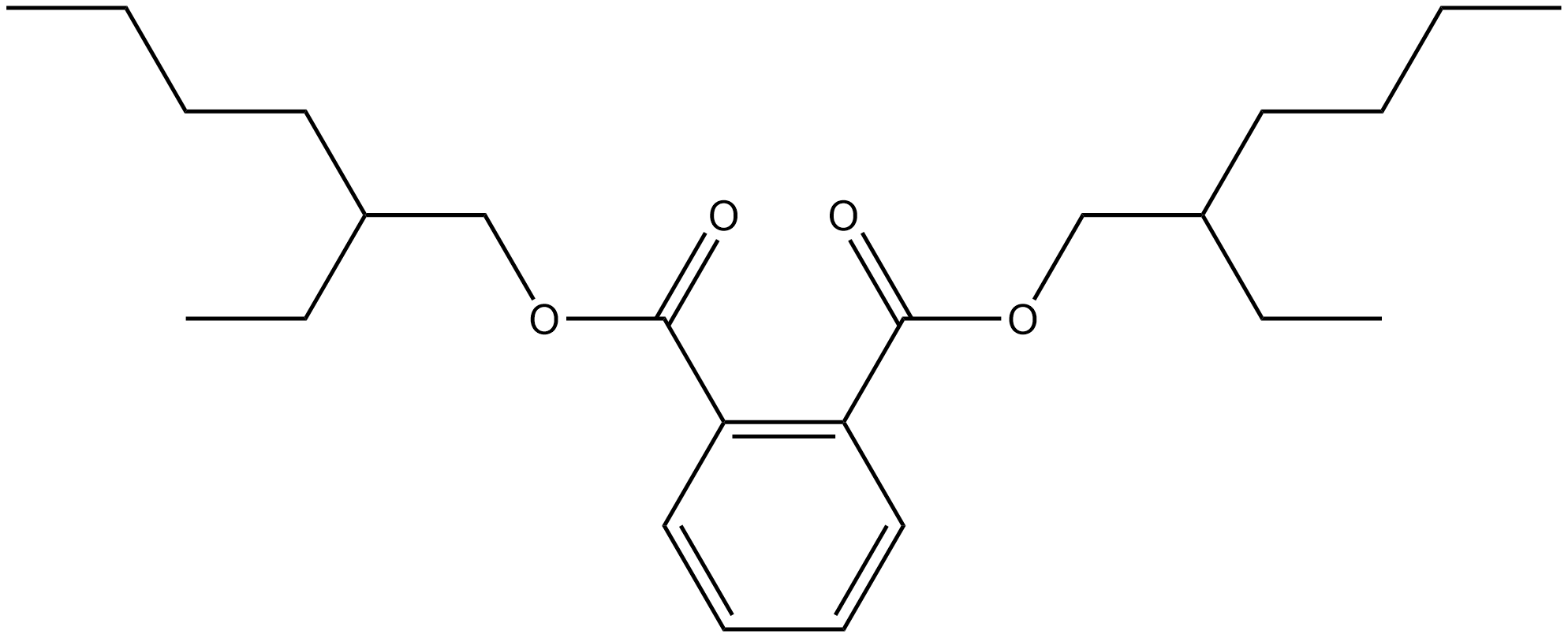 N2960 Bis(2-ethylhexyl) phthalateSummary: Bis(2-ethylhexyl) phthalate is a ubiquitous phthalate plasticizer and endocrine-disrupting chemical used to investigate PPAR signaling, reproductive toxicology, and environmental exposure biology.
 -
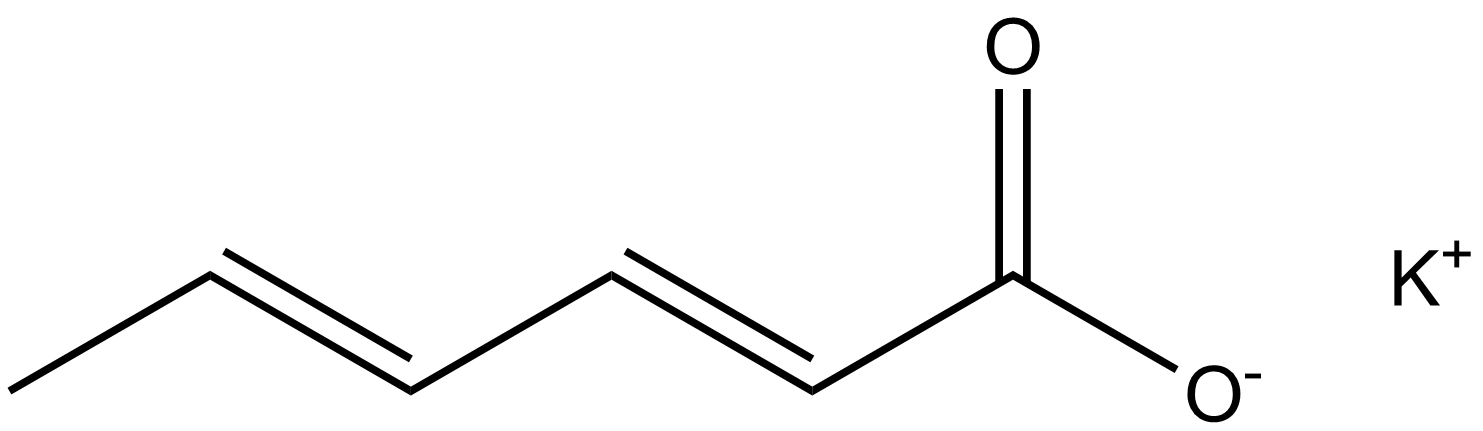 N2963 Potassium sorbateSummary: Potassium sorbate is a food-grade preservative and unsaturated fatty acid salt that inhibits microbial growth, widely utilized in microbiology and formulation stability research.
 -
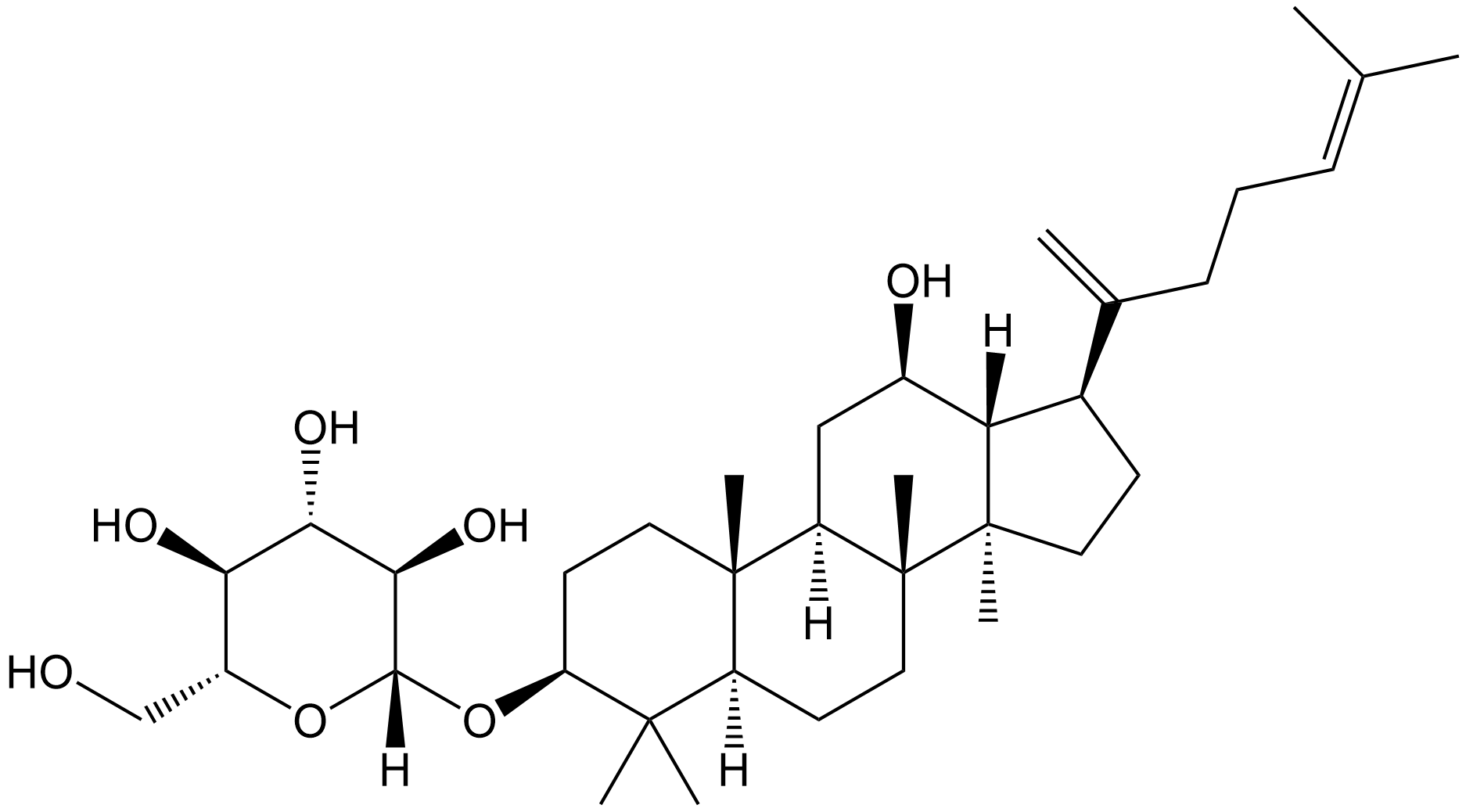 N2902 Ginsenoside Rk2Summary: A dammarane-type saponin compound extracted from processed ginseng (Panax ginseng).
 -
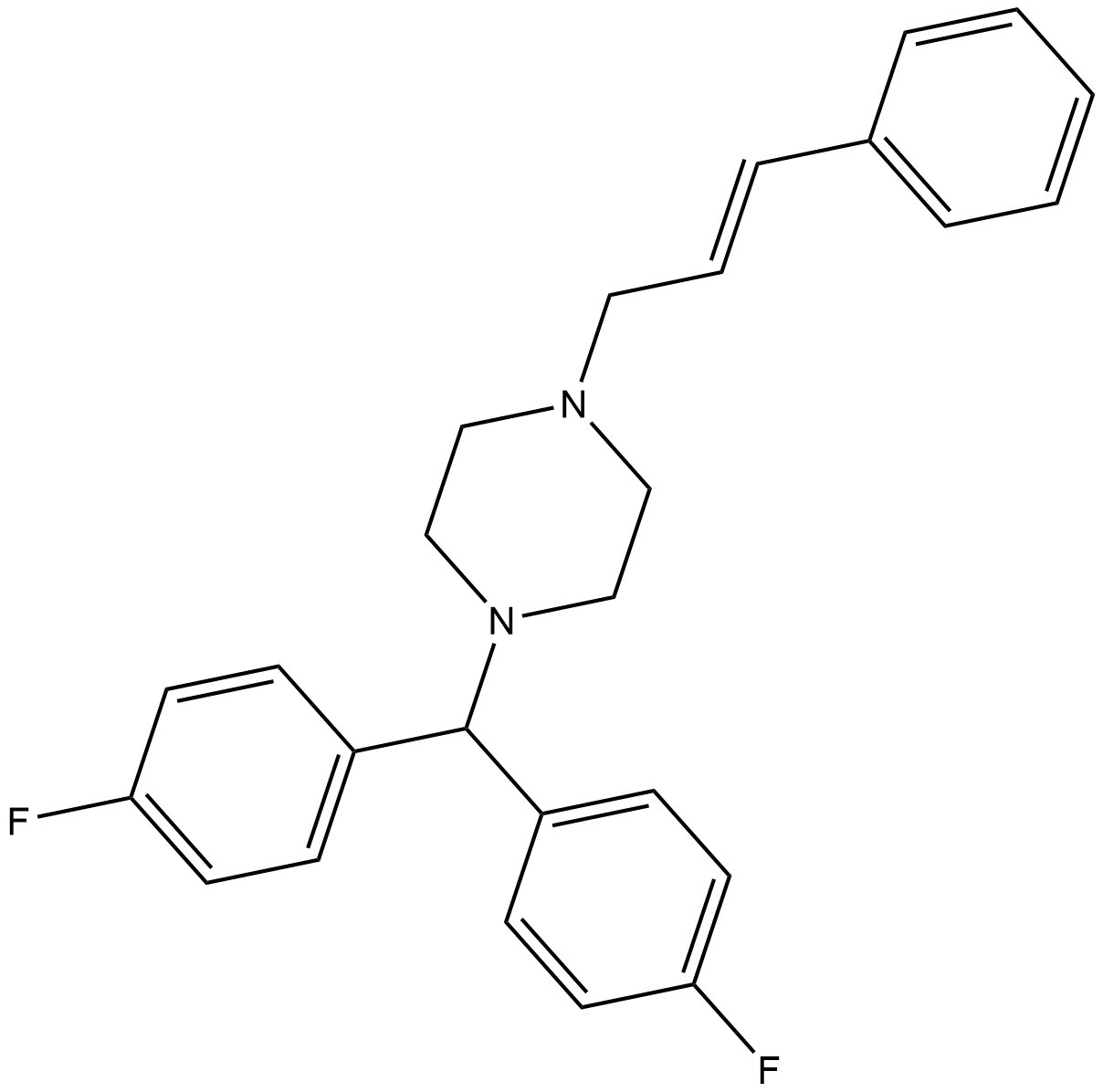 BA6578 FlunarizineSummary: An orally active dual Na+/Ca2+ channel blocker with D2 dopamine receptor antagonistic activity.
 -
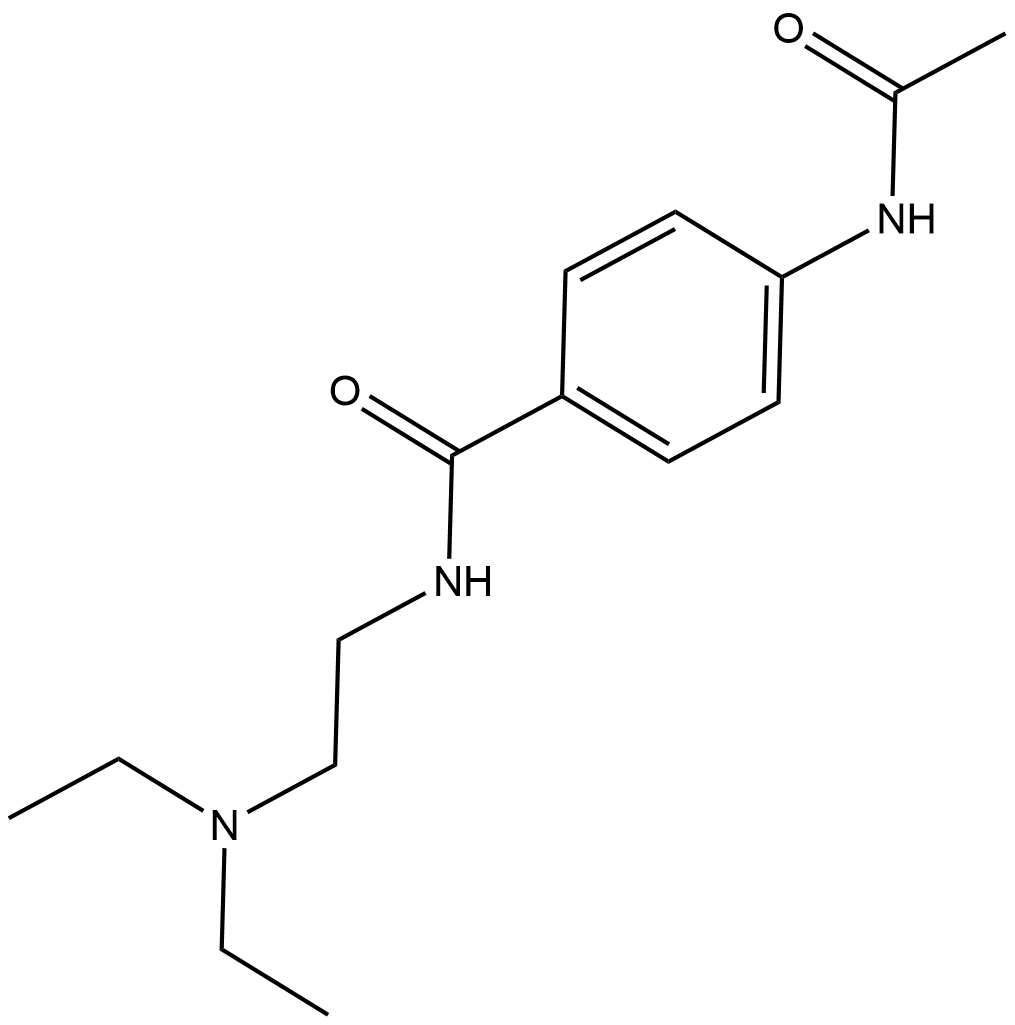 BA6920 N-AcetylprocainamideSummary: A class III antiarrhythmic agent that blocks K+ channels for arrhythmia
 -
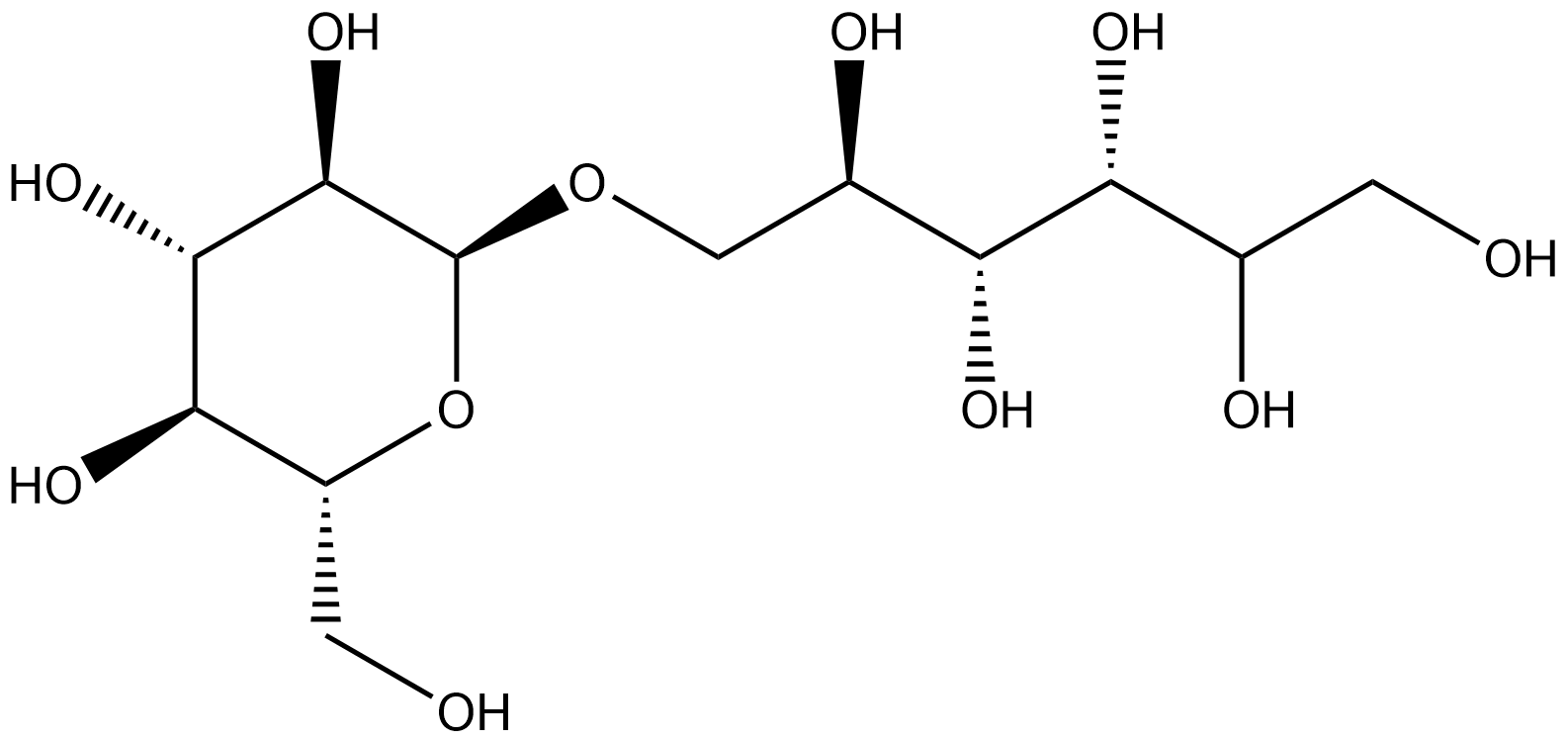 BA7859 IsomaltSummary: A non-toxic polyol excipient compound used for protein stabilization.
 -
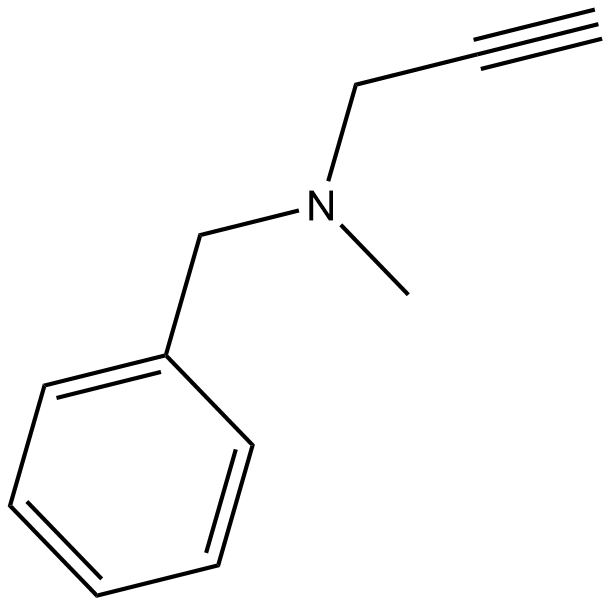 BA8498 PargylineSummary: A selective irreversible monoamine oxidase B (MAO-B) inhibitor.
 -
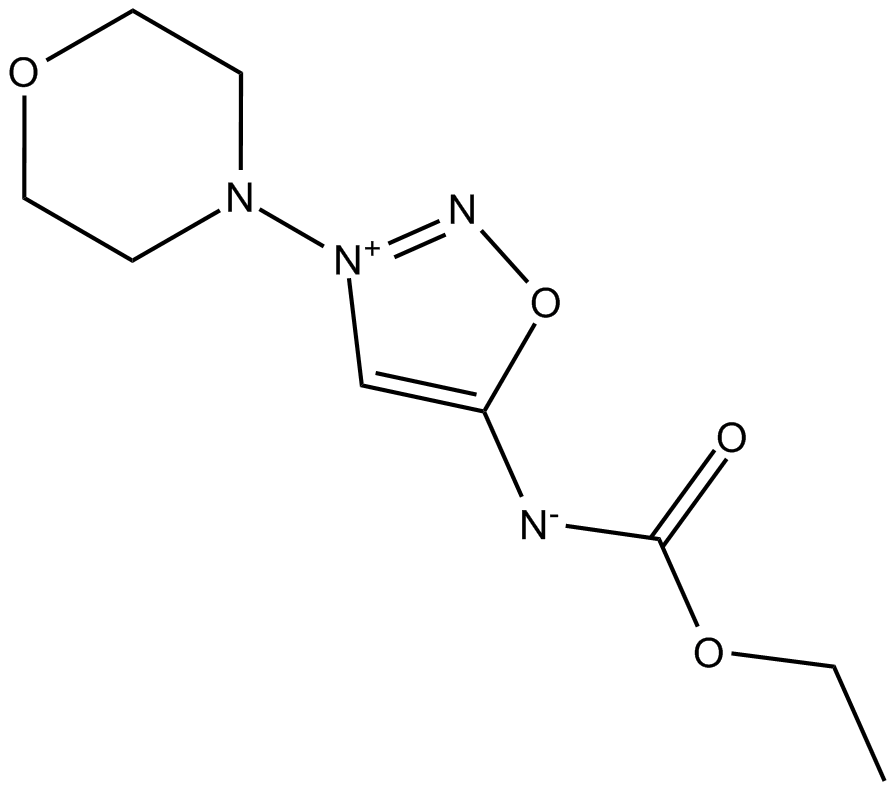 C3366 MolsidomineSummary: A prodrug that releases nitric oxide (NO) and produces vasodilatory effects.
 -
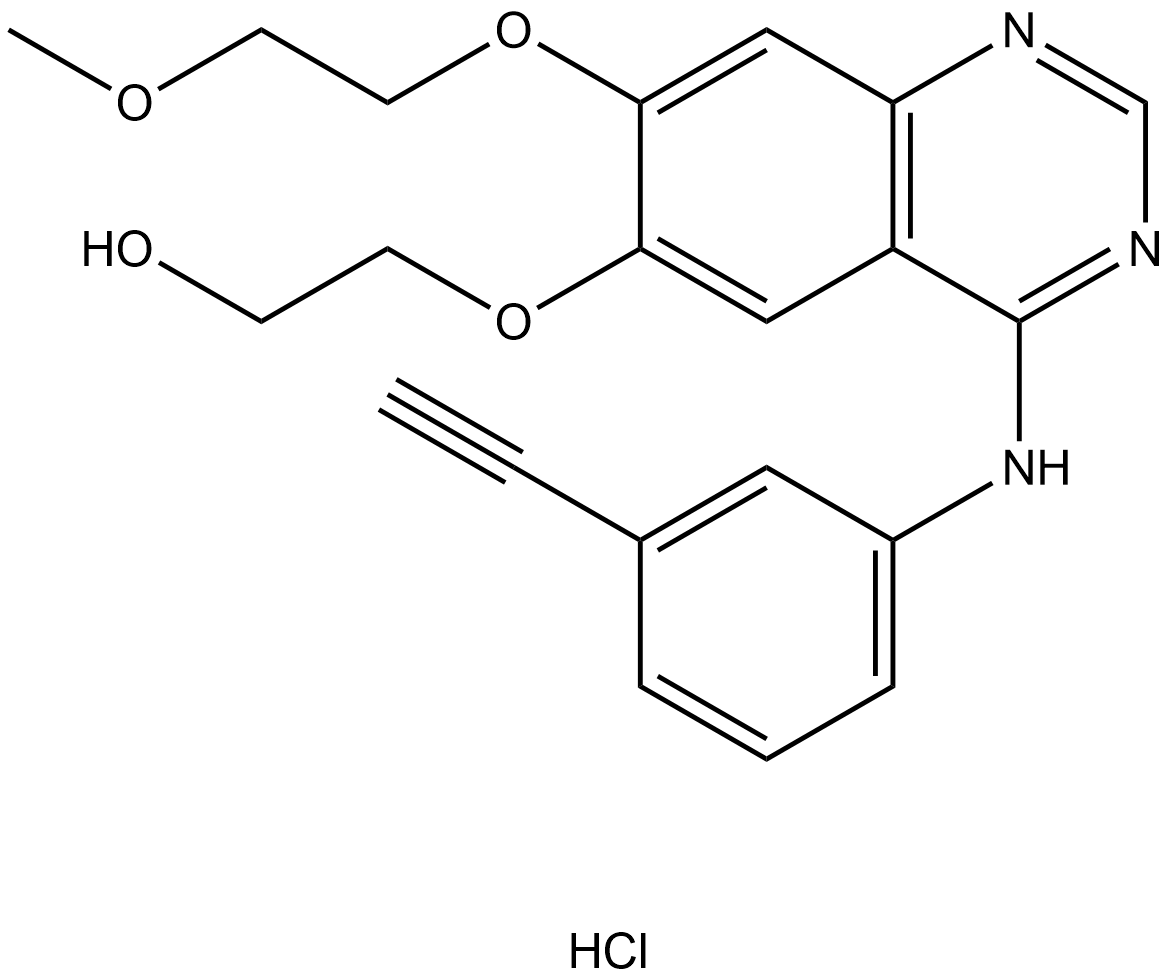 C9072 DesMethyl Erlotinib HClSummary: An EGFR inhibitor compatible with CuAAC labeling, for in vitro research use.
 -
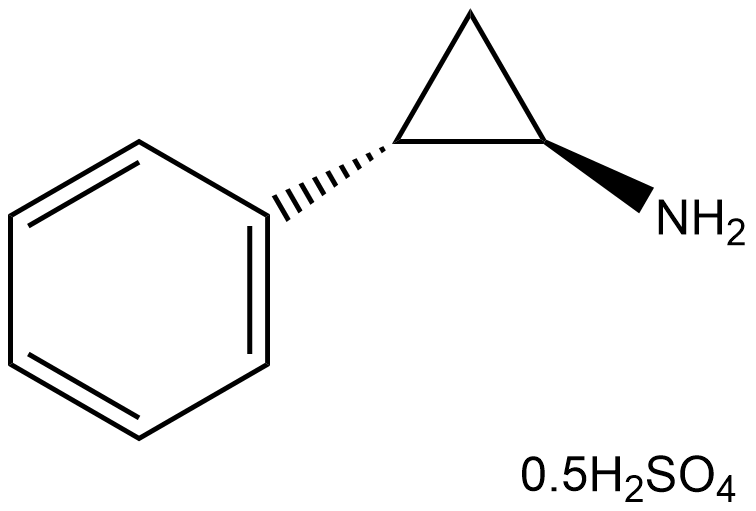 C9088 Tranylcypromine SulfateSummary: An irreversible dual MAO and LSD1 inhibitor for experimental research in cell and animal models.