


DL-Leucic Acid
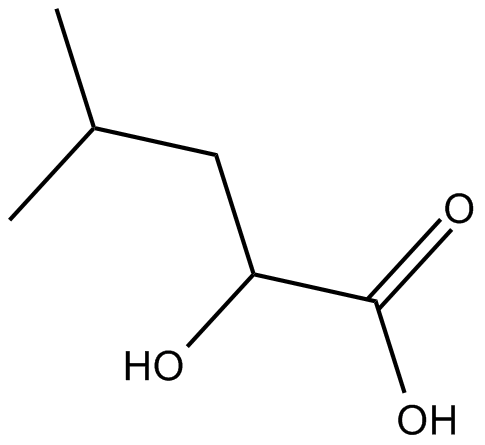
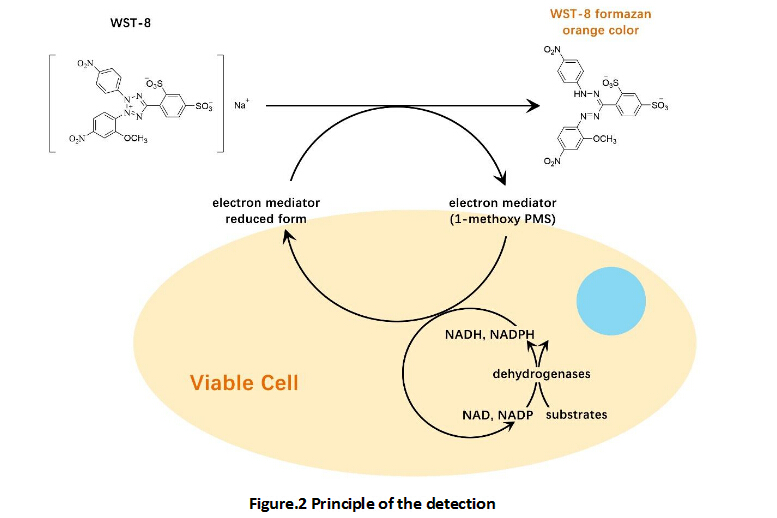
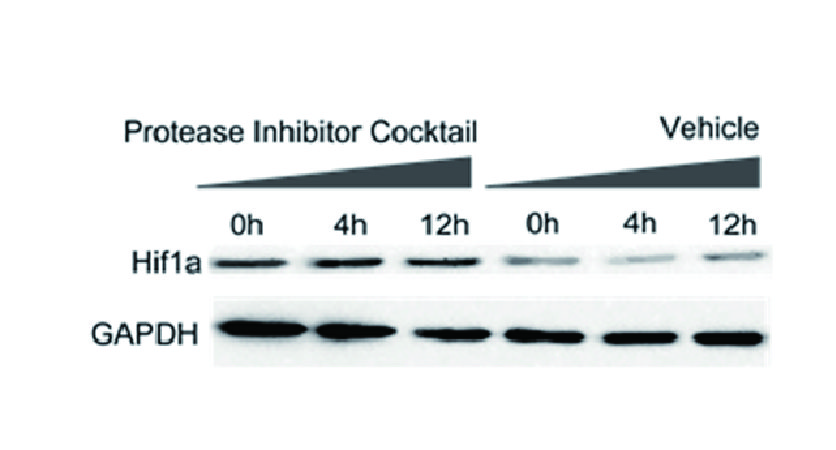
DL-Leucic Acid (CAS No.: 10303-64-7) is a leucine-derived metabolite broadly utilized as a biochemical tool in life sciences research, particularly in studies of cellular metabolism and protein turnover. As a functional analog within branched-chain amino acid metabolic pathways, it is known to modulate signaling networks associated with nutrient sensing and anabolic regulation, including pathways linked to protein synthesis and cellular energy homeostasis. Experimental evidence indicates that DL-Leucic Acid can influence enzymatic activities and intracellular metabolic flux, thereby affecting cellular processes such as amino acid utilization and metabolic adaptation under varying physiological conditions. Its activity is generally observed in the micromolar concentration range in in vitro systems, although precise experimental conditions may vary depending on cell type and assay design. Owing to its target-associated specificity and role in metabolic regulation, DL-Leucic Acid is commonly applied in cell-based assays and preclinical experimental models to investigate mechanisms underlying metabolic disorders and related biochemical pathways, as well as in compound screening frameworks aimed at elucidating modulators of metabolic signaling.
| Physical Appearance | A solid |
| Storage | -20°C |
| M.Wt | 132.16 |
| Cas No. | 10303-64-7 |
| Formula | C6H12O3 |
| Solubility | ≥14.47 mg/mL in H2O; ≥24.8 mg/mL in DMSO; ≥28.8 mg/mL in EtOH |
| Chemical Name | 2-hydroxy-4-methylpentanoic acid |
| Canonical SMILES | CC(CC(O)C(O)=O)C |
| Shipping Condition | Small Molecules with Blue Ice, Modified Nucleotides with Dry Ice. |
| General tips | We do not recommend long-term storage for the solution, please use it up soon. |