


Metabolism
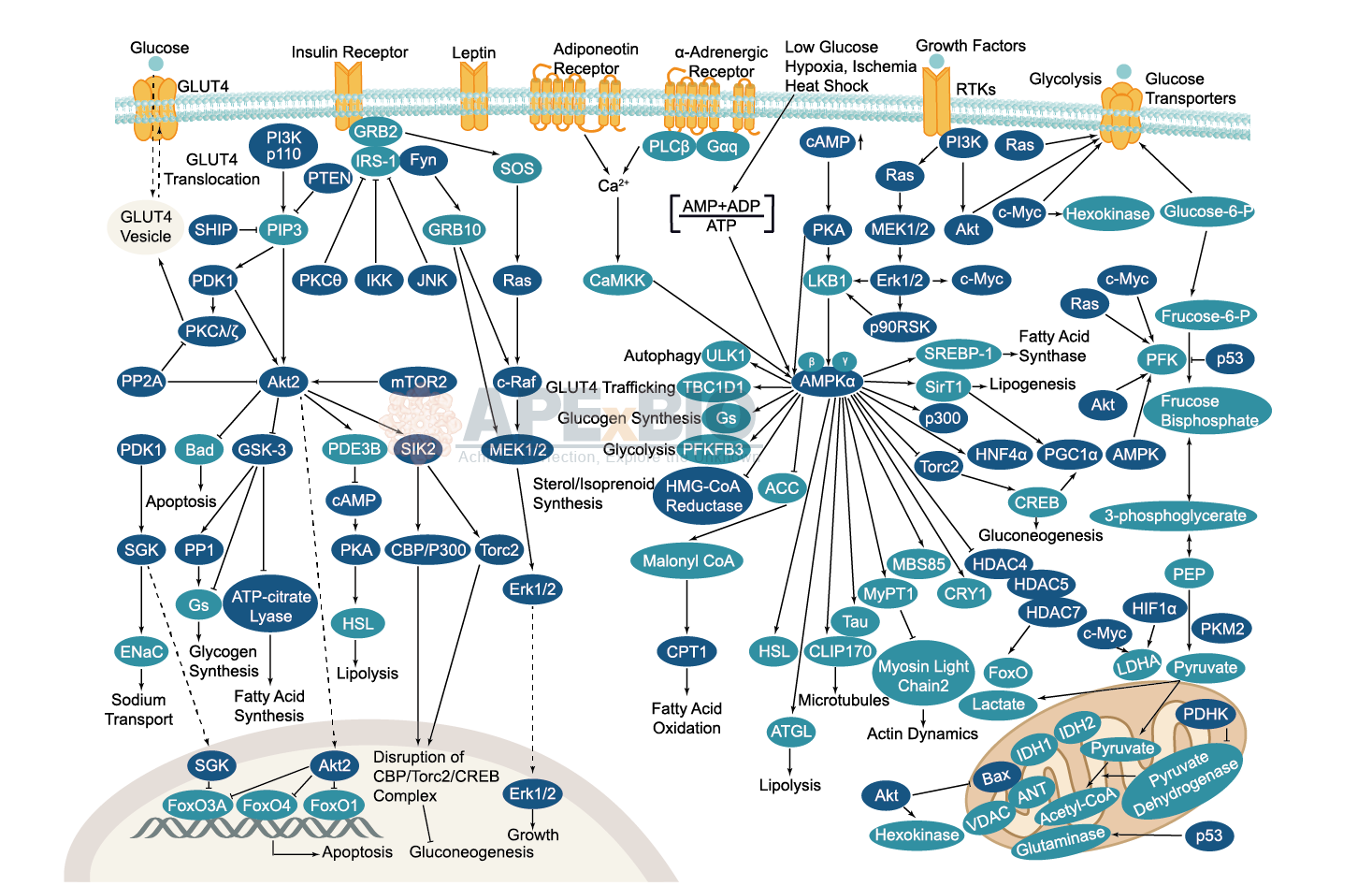
Serine/threonine kinase AMPK upregulates glucose uptake by promoting the expression and function of glucose transporters. AMPK is activated by increased AMP/ATP ratio, resulting from cellular and environmental stress, e.g. low glucose, heat shock, hypoxia and ischemia. AMPK activation positively modulates signaling transductions that refill ATP levels. Moreover, it also stimulates catabolic processes such as fatty acid oxidation and glycolysis through inhibition of ACC and activation of PFK2. AMPK negatively regulates various proteins which are important to ATP-consuming mechanisms, e.g. mTORC2, glycogen synthase, SREBP-1, and TSC2, causing the downregulation/inhibition of gluconeogenesis and glycogen, lipid and protein synthesis.
-
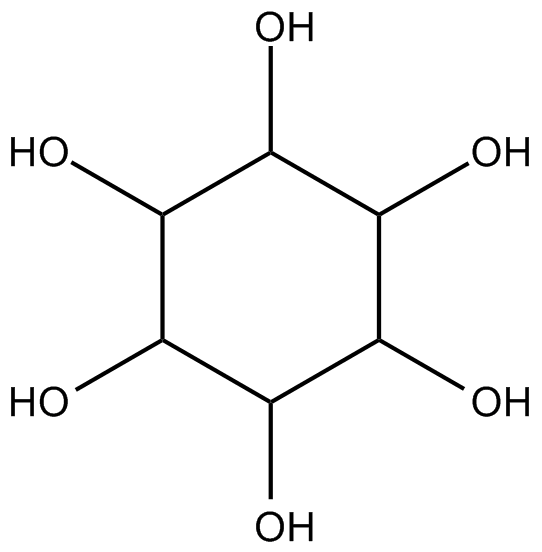 M1451 D-(+)-chiro-InositolSummary: A substance used to improve glucose metabolism, alleviate insulin resistance, and provide anti-inflammatory effects.
 -
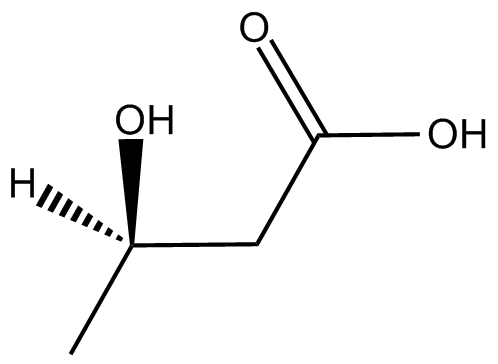 M1462 (R)-3-Hydroxybutyric acidSummary: It is a precursor compound for fatty acid and ketone body metabolism and vitamin synthesis.
 -
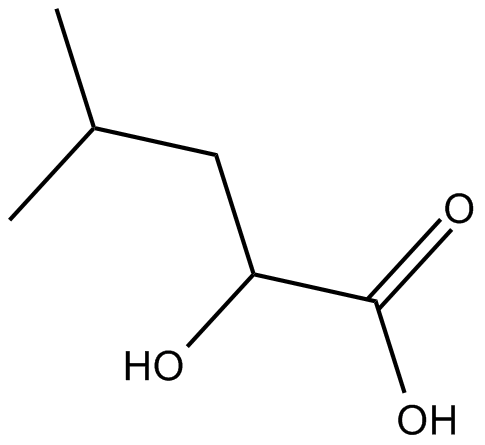 M1469 DL-Leucic AcidSummary: A compound used to study metabolic diseases and related mechanisms.
 -
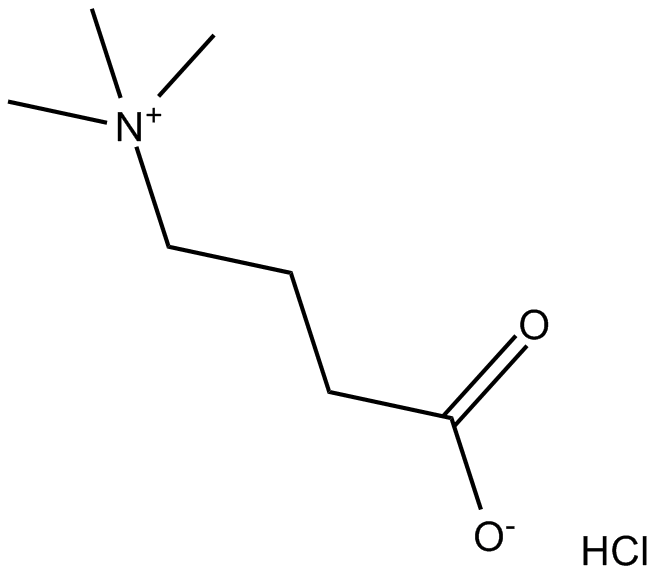 M1478 (3-Carboxypropyl)trimethylammonium chlorideSummary: An atherosclerosis-related intermediate metabolite produced from carnitine by gut microbiota metabolism.
 -
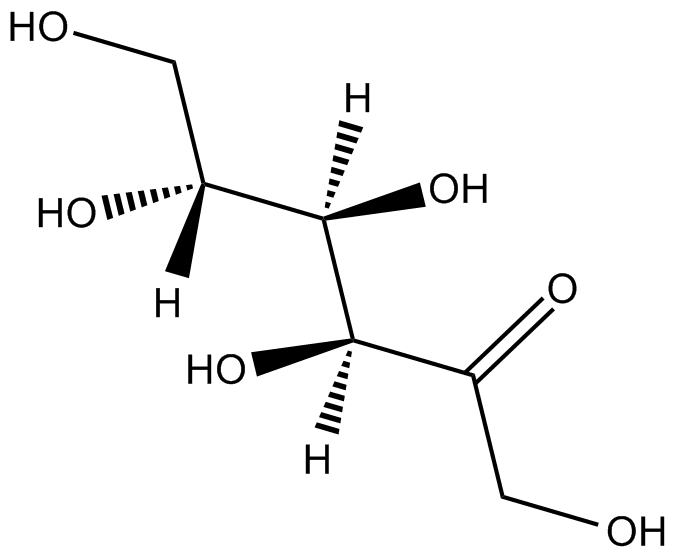 M1482 D-(?)-FructoseSummary: An endogenous monosaccharide bioprobe for metabolic disease research.
 -
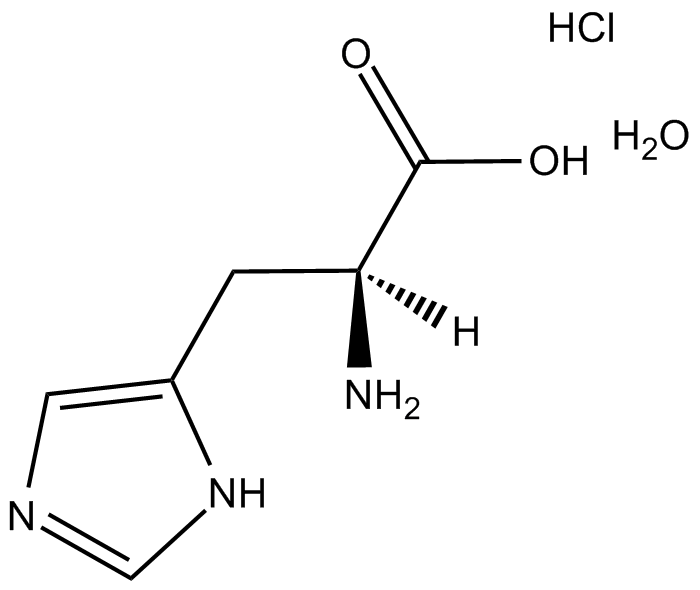 M1488 L-Histidine monohydrochloride monohydrateSummary: An endogenous metabolite used for metabolic disease research and cellular immune regulation.
 -
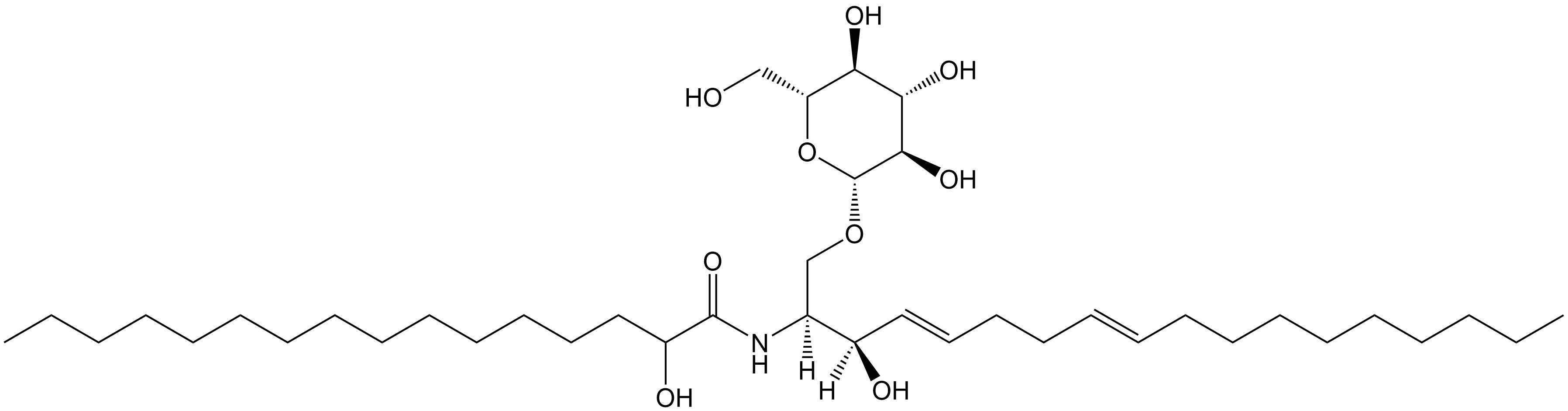 C8809 Glucosylceramide, plantSummary: A sphingolipid
 -
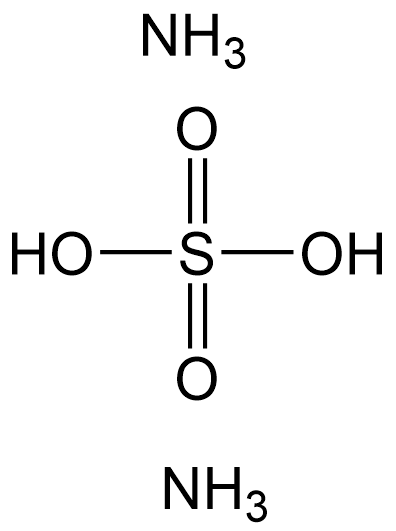 C8768 Ammonium sulfateSummary: Ammonium sulfate is a laboratory-grade inorganic sulfate salt used for protein precipitation and fractionation in molecular biology, protein biochemistry, immunology, and plant research.
 -
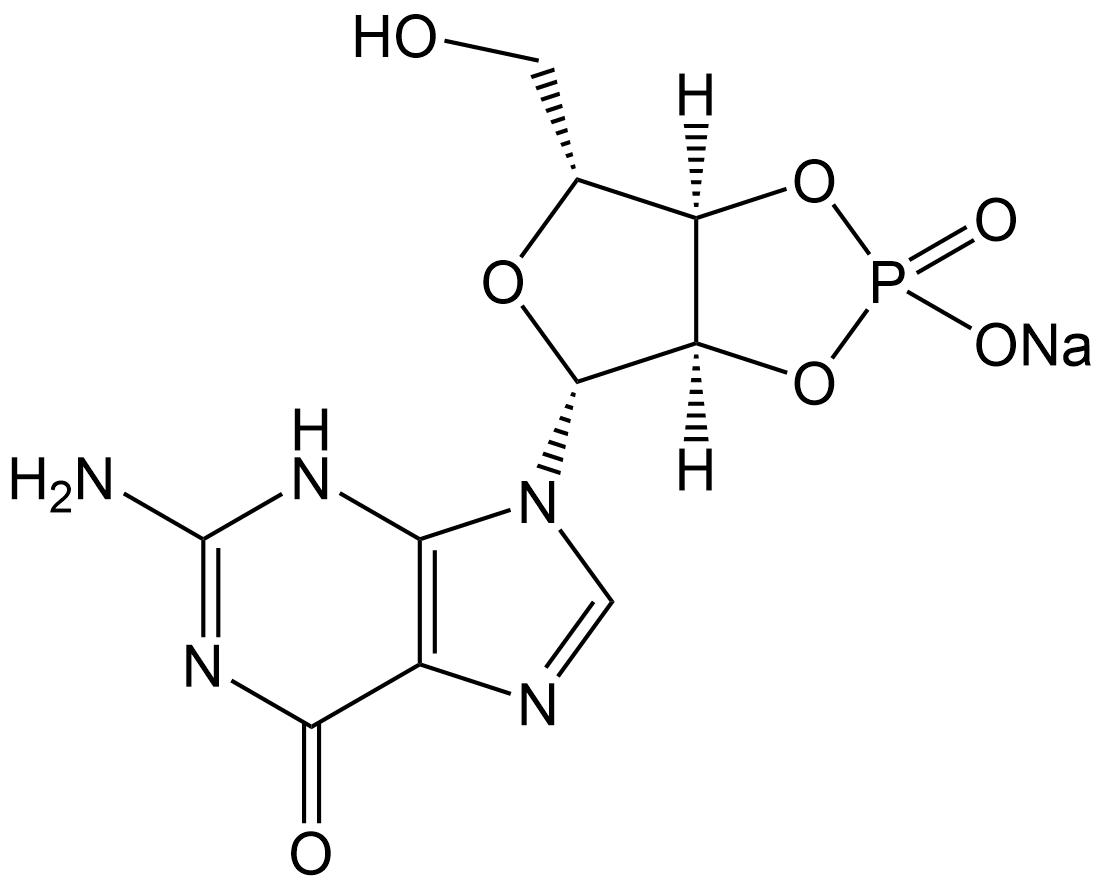 C8985 2',3'-cGMP sodiumSummary: An intermediate metabolite of RNA cleavage by the Bacillus pumilus RNase binase
 -
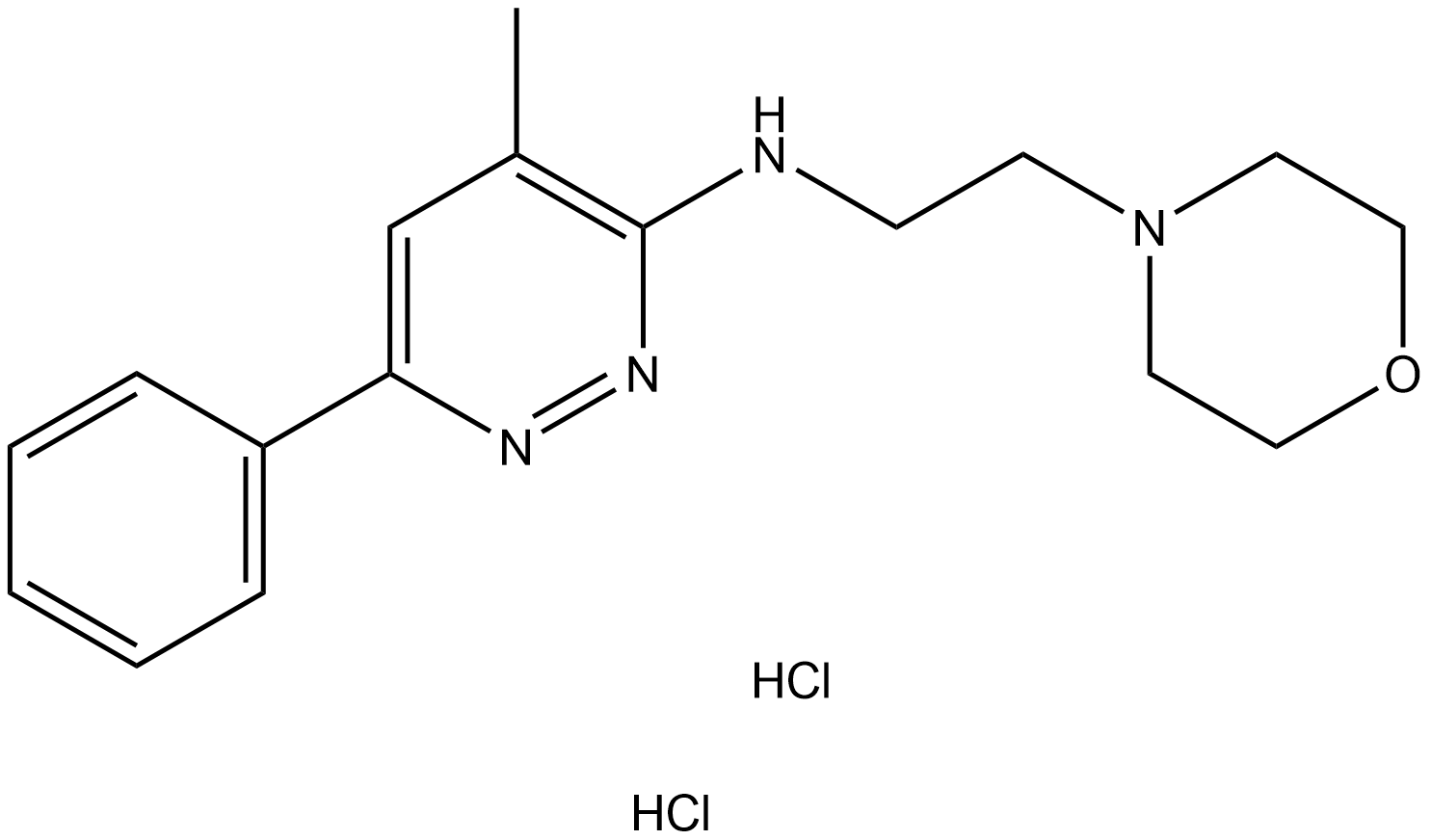 C8886 Minaprine dihydrochlorideSummary: Minaprine dihydrochloride is a psychotropic aminoaminopyridazine derivative that modulates monoaminergic neurotransmission and is utilized in neuropharmacology and central nervous system mechanism studies.