


Metabolism
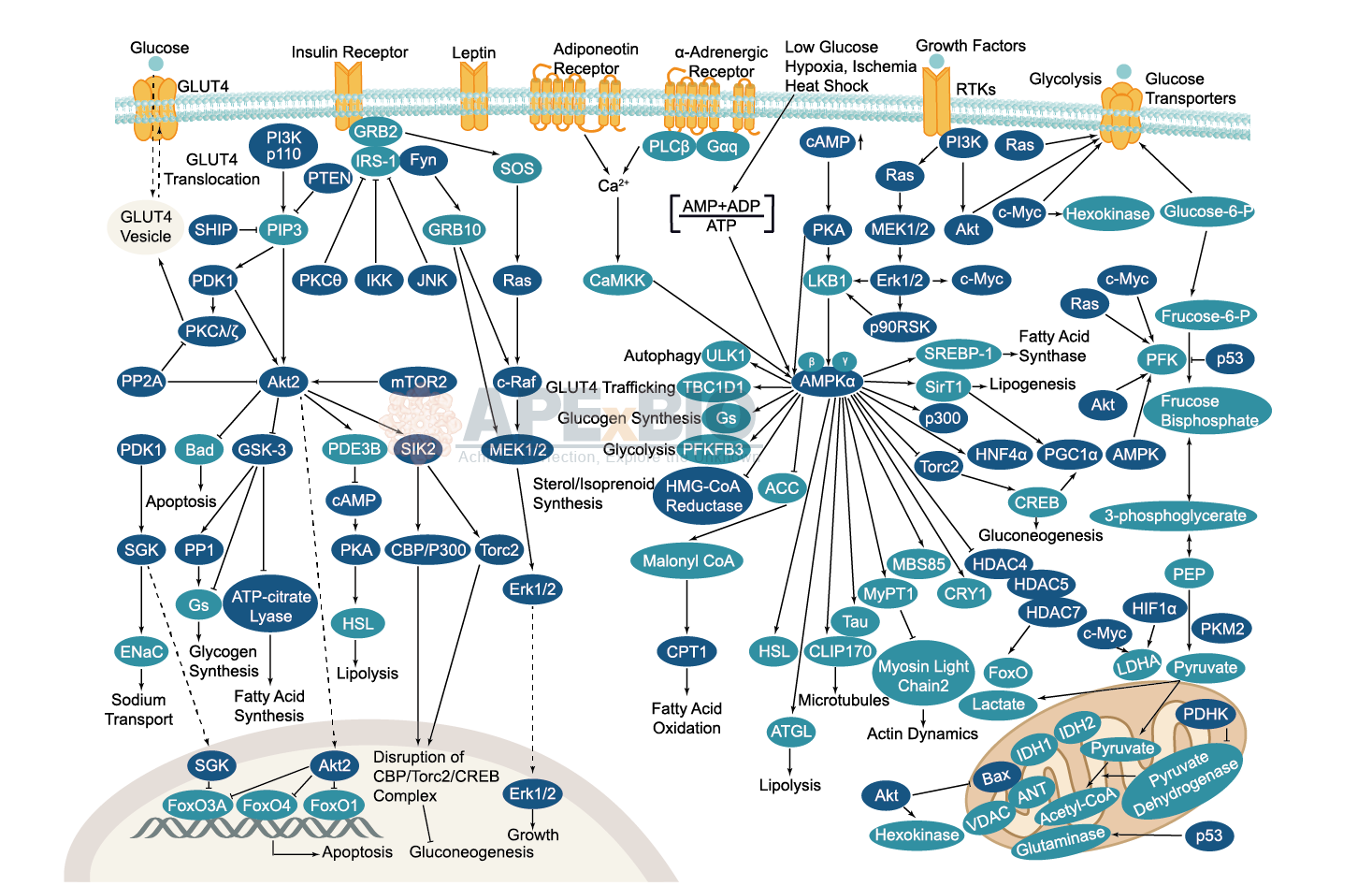
Serine/threonine kinase AMPK upregulates glucose uptake by promoting the expression and function of glucose transporters. AMPK is activated by increased AMP/ATP ratio, resulting from cellular and environmental stress, e.g. low glucose, heat shock, hypoxia and ischemia. AMPK activation positively modulates signaling transductions that refill ATP levels. Moreover, it also stimulates catabolic processes such as fatty acid oxidation and glycolysis through inhibition of ACC and activation of PFK2. AMPK negatively regulates various proteins which are important to ATP-consuming mechanisms, e.g. mTORC2, glycogen synthase, SREBP-1, and TSC2, causing the downregulation/inhibition of gluconeogenesis and glycogen, lipid and protein synthesis.
-
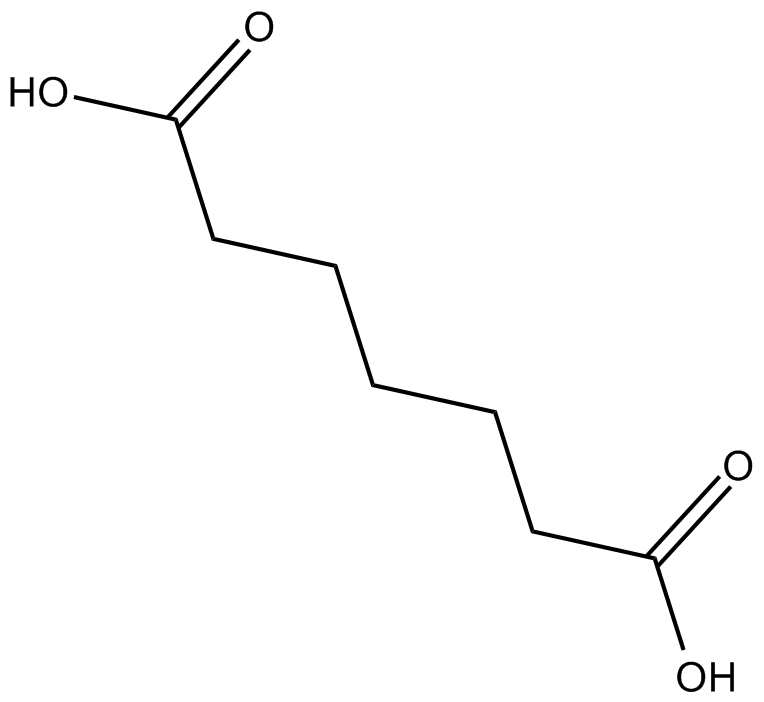 M1283 pimelateSummary: An organic compound that can be used for lysine biosynthesis and corneal disease research.
 -
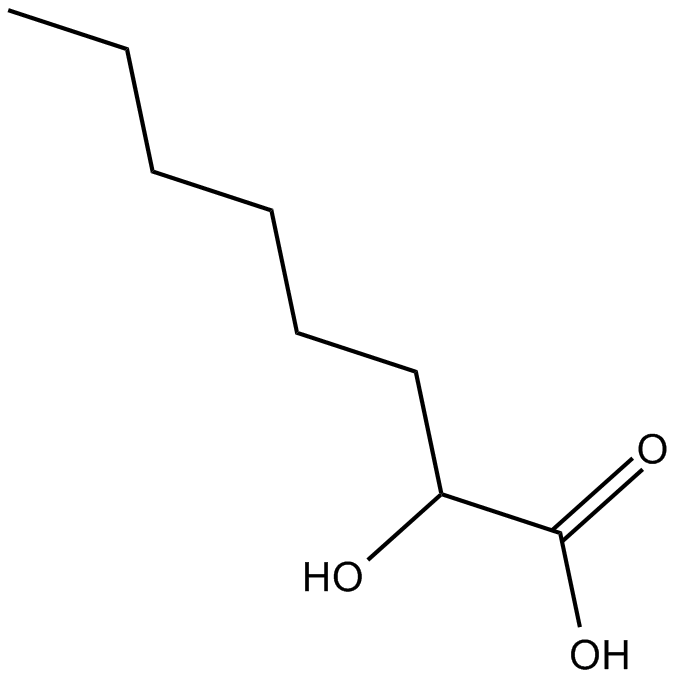 M1295 2-hydroxyoctanoateSummary: A medium-chain acyl-CoA synthetase inhibitor for lipid metabolism mechanism research.
 -
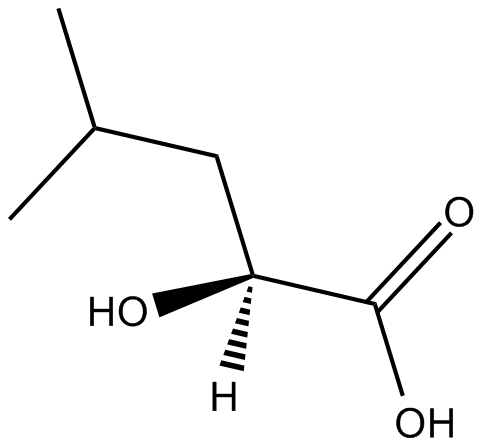 M1299 alpha-hydroxyisocaproateSummary: A bioactive compound used to study enzyme mechanisms and signaling pathways.
 -
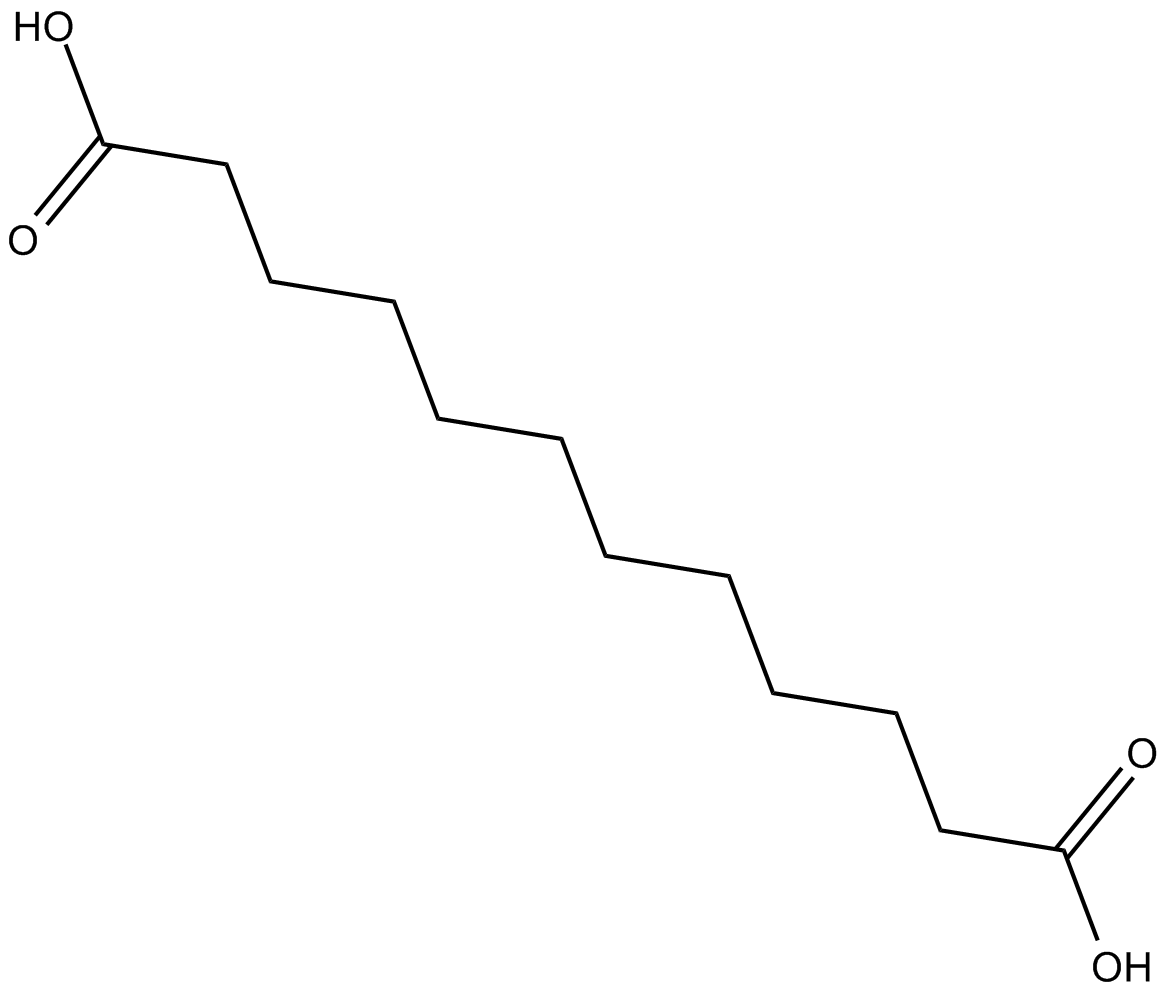 M1308 dodecanedioateSummary: A metabolic regulator for metabolic disease research.
 -
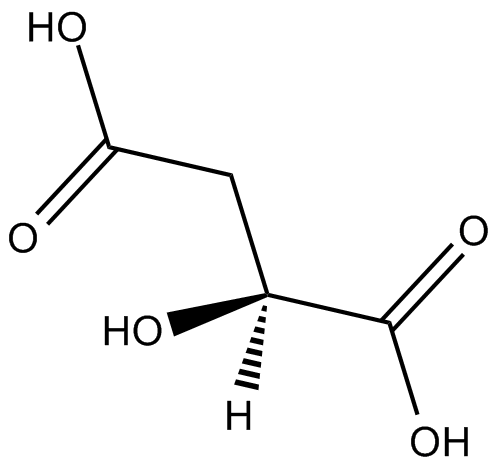 M1314 malateSummary: A biochemical reagent used for research on metabolic pathways and enzyme activity.
 -
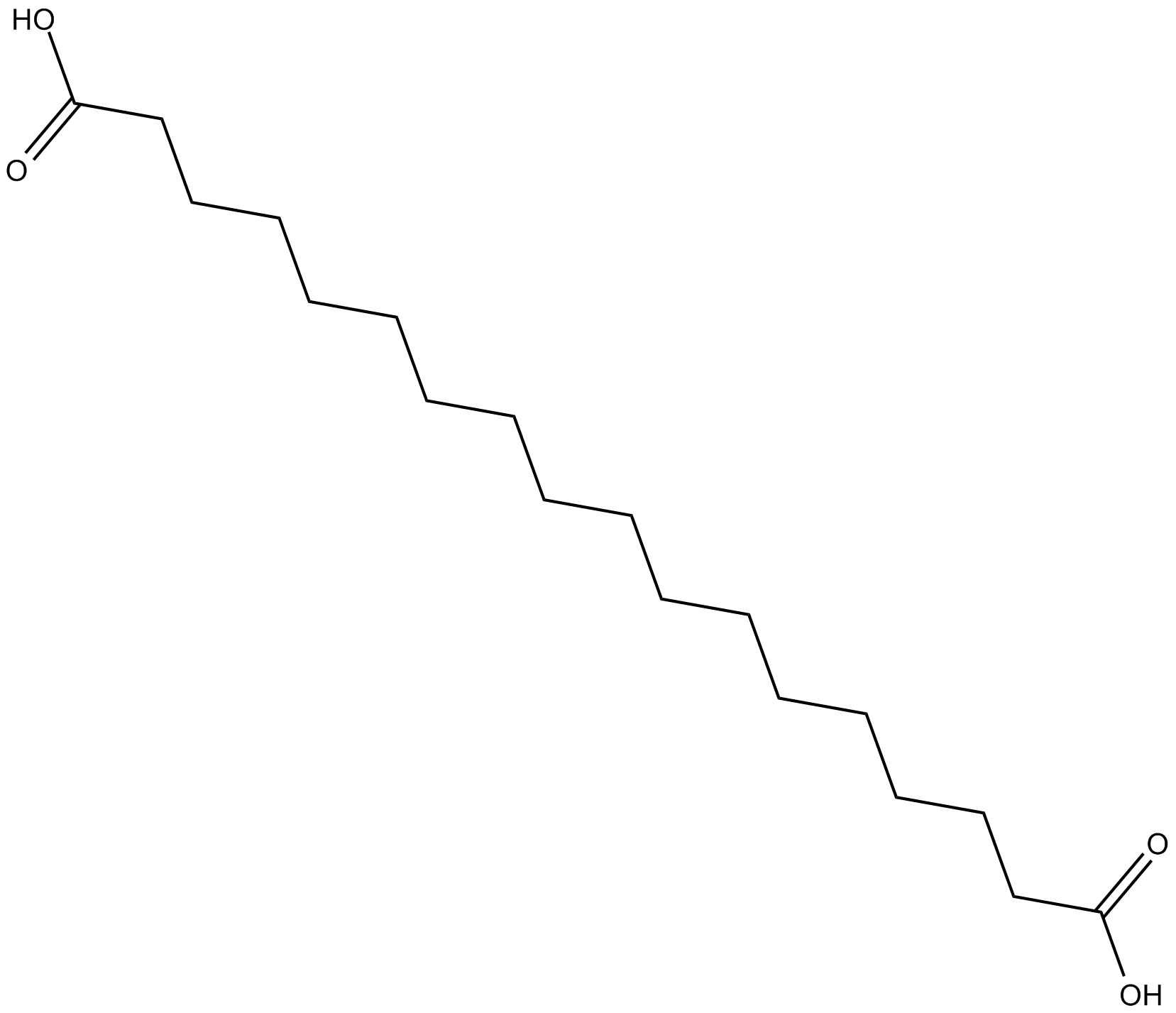 M1320 octadecanedioateSummary: Natural long-chain dicarboxylic acid, a potential biomarker of lipid metabolism disorders.
 -
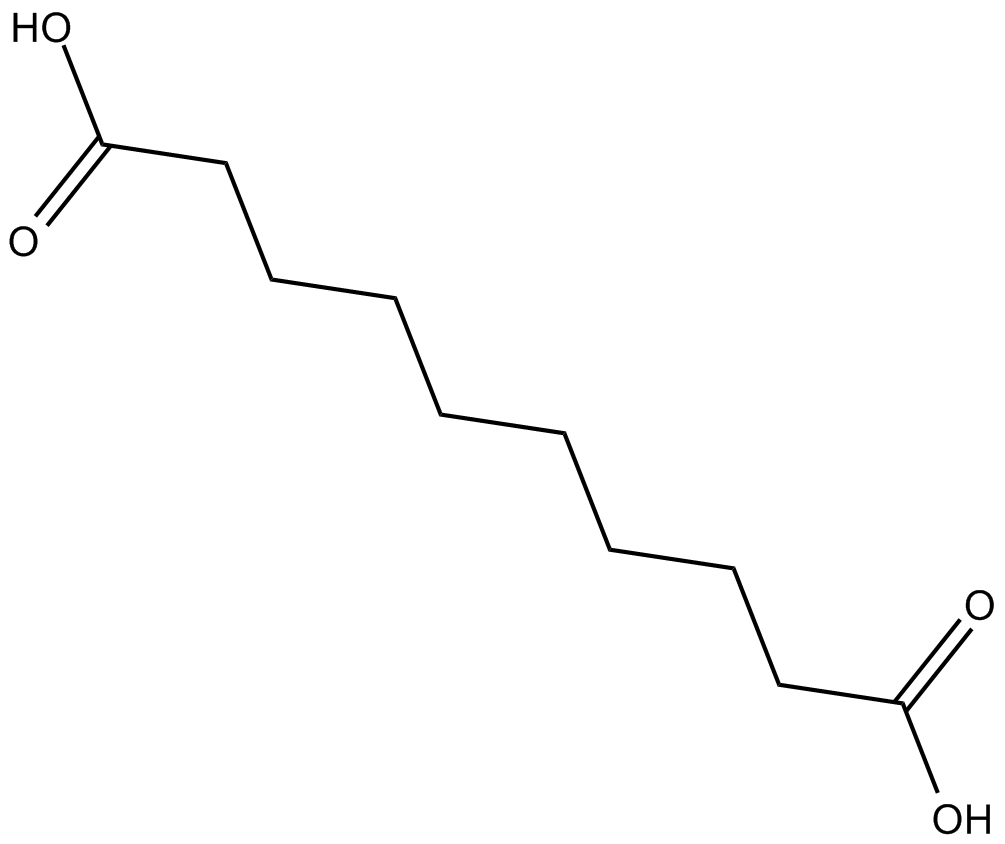 M1325 sebacate (decanedioate)Summary: Medium-chain fatty acids associated with disorders involving defects in carnitine metabolism and medium-chain acyl-CoA metabolism.
 -
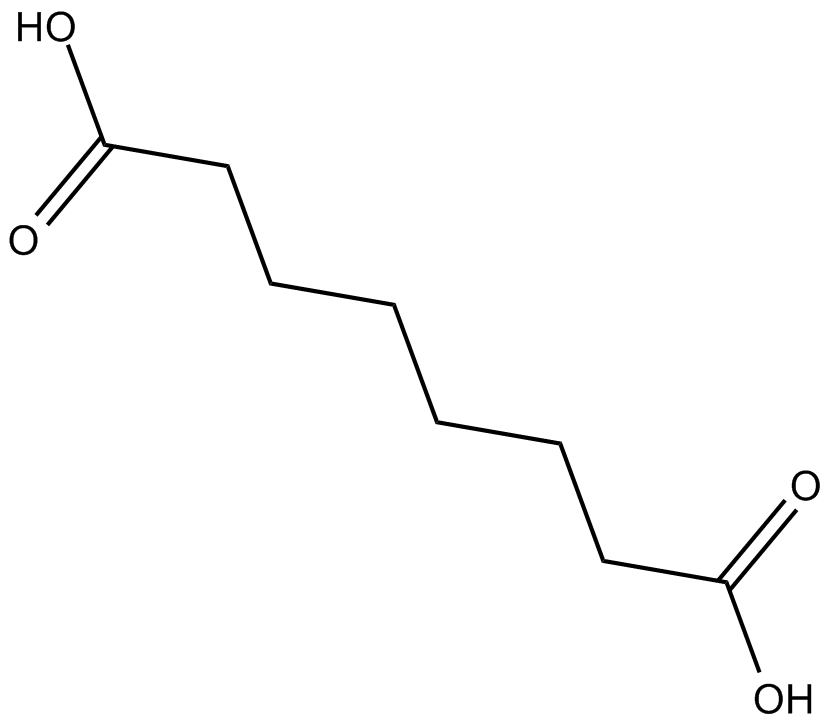 M1327 suberate (octanedioate)Summary: A biomarker associated with abnormalities in fatty acid oxidation and carnitine metabolism.
 -
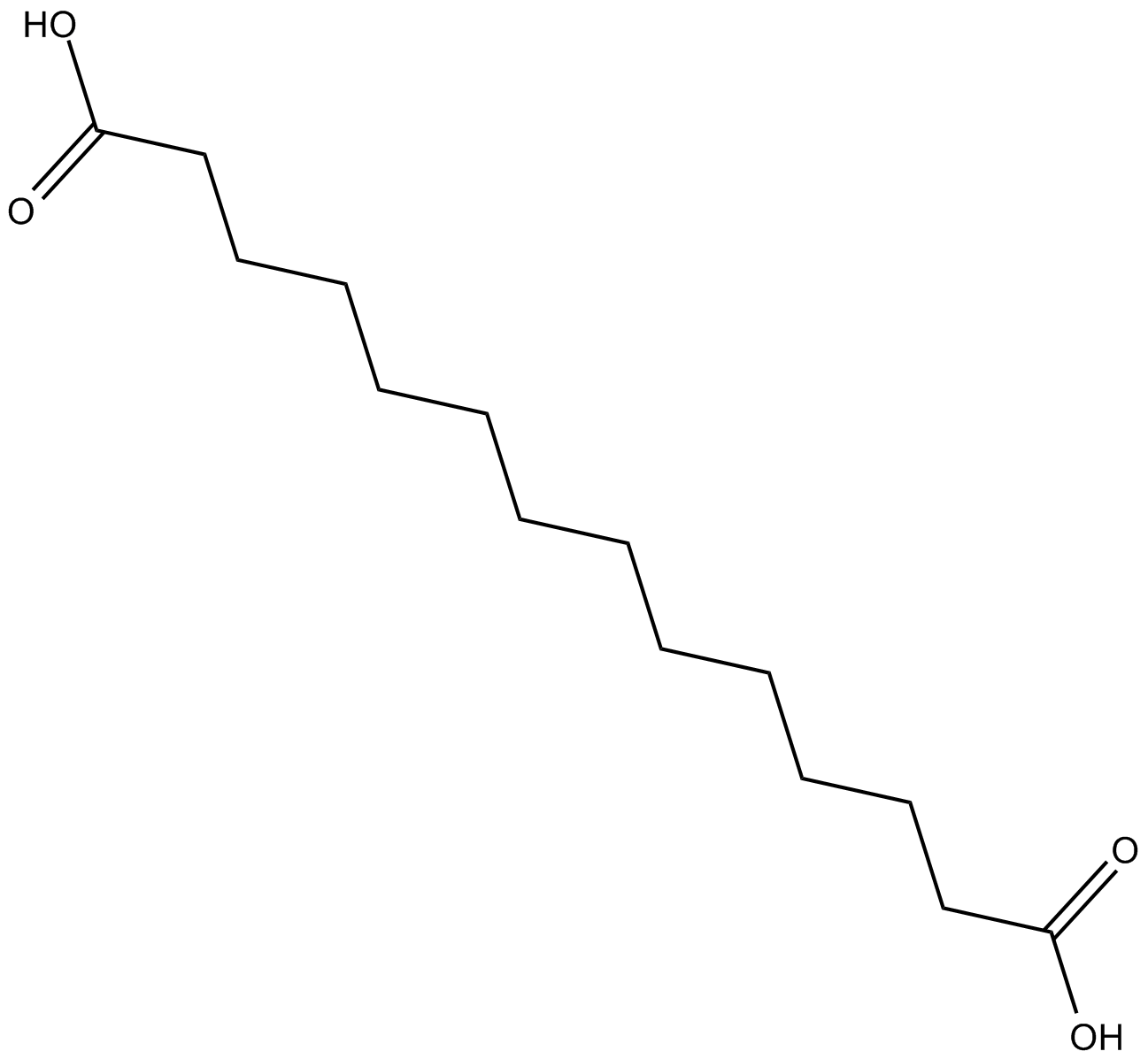 M1328 tetradecanedioateSummary: An endogenous long-chain fatty dicarboxylic acid involved in lipid metabolism and OATP transport function.
 -
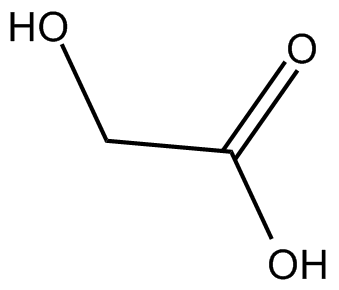 M1354 glycolate (hydroxyacetate)Summary: A compound that can inhibit tyrosinase activity and reduce melanin production.