


Metabolism
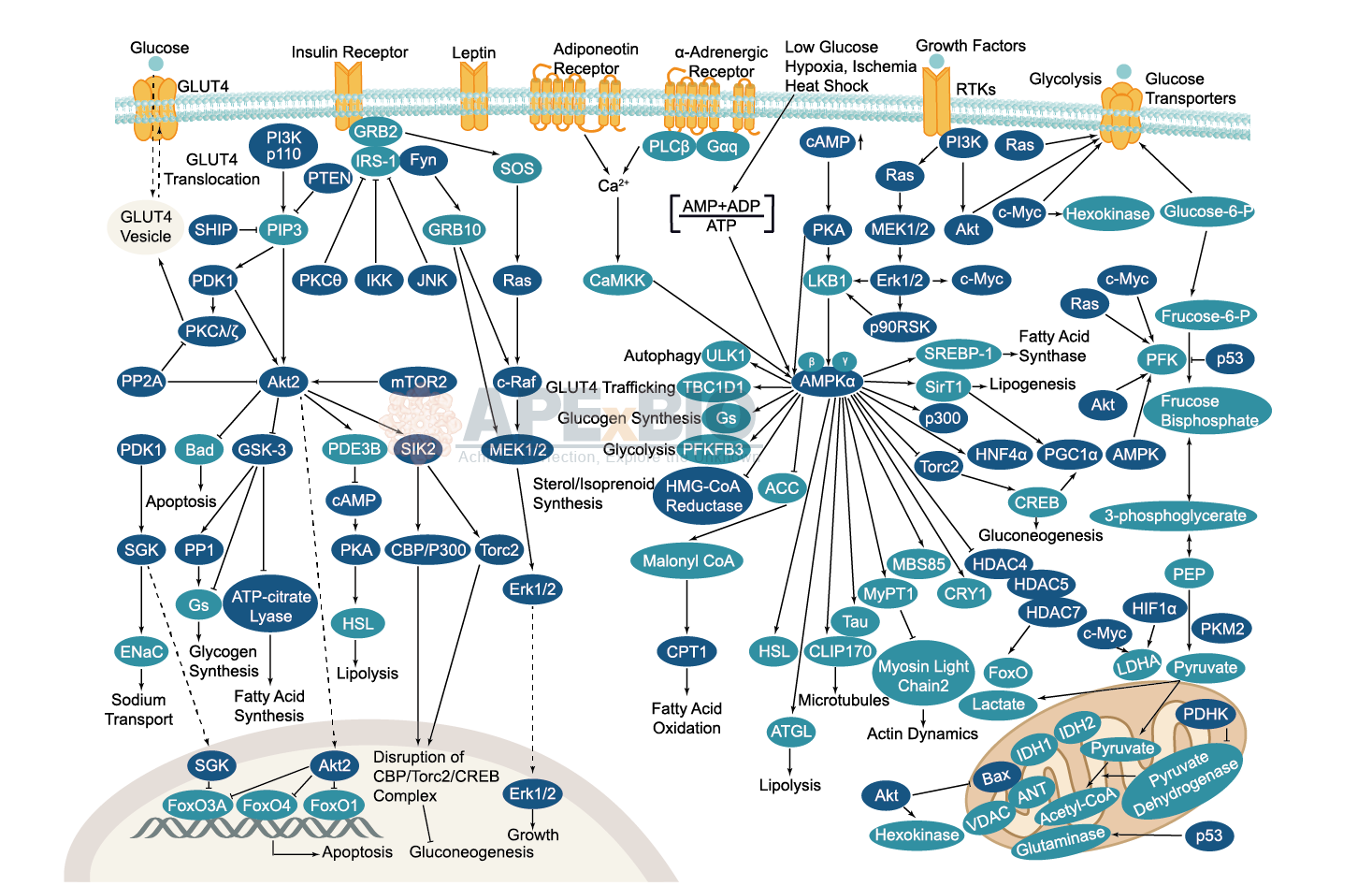
Serine/threonine kinase AMPK upregulates glucose uptake by promoting the expression and function of glucose transporters. AMPK is activated by increased AMP/ATP ratio, resulting from cellular and environmental stress, e.g. low glucose, heat shock, hypoxia and ischemia. AMPK activation positively modulates signaling transductions that refill ATP levels. Moreover, it also stimulates catabolic processes such as fatty acid oxidation and glycolysis through inhibition of ACC and activation of PFK2. AMPK negatively regulates various proteins which are important to ATP-consuming mechanisms, e.g. mTORC2, glycogen synthase, SREBP-1, and TSC2, causing the downregulation/inhibition of gluconeogenesis and glycogen, lipid and protein synthesis.
-
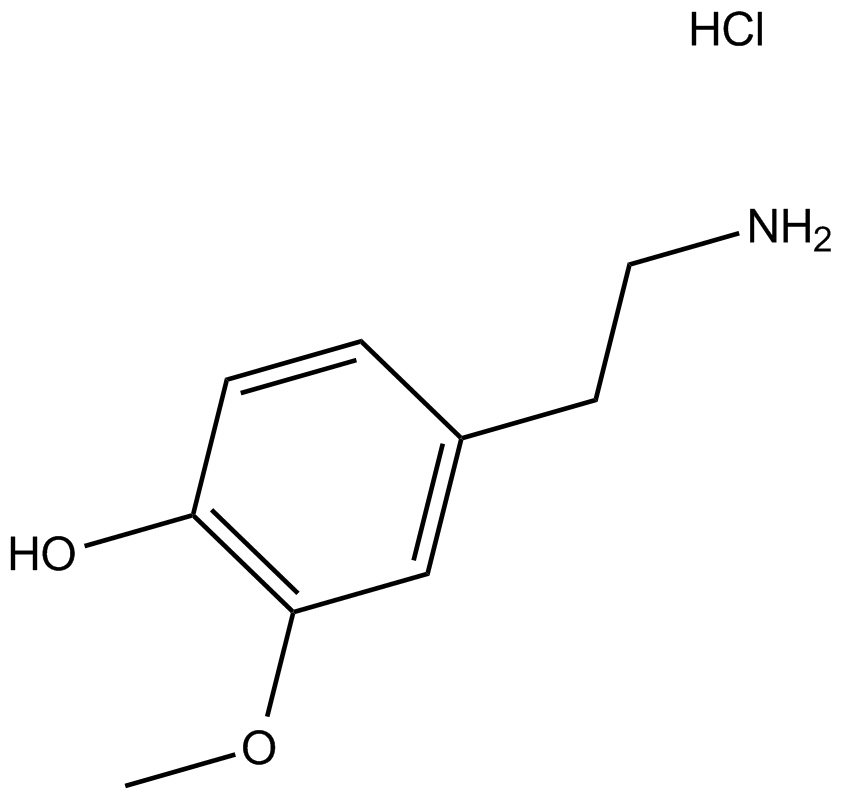 C4379 3-methoxy Tyramine (hydrochloride)Summary: For neuroscience research, a dopamine metabolite that can activate TAAR1.
 -
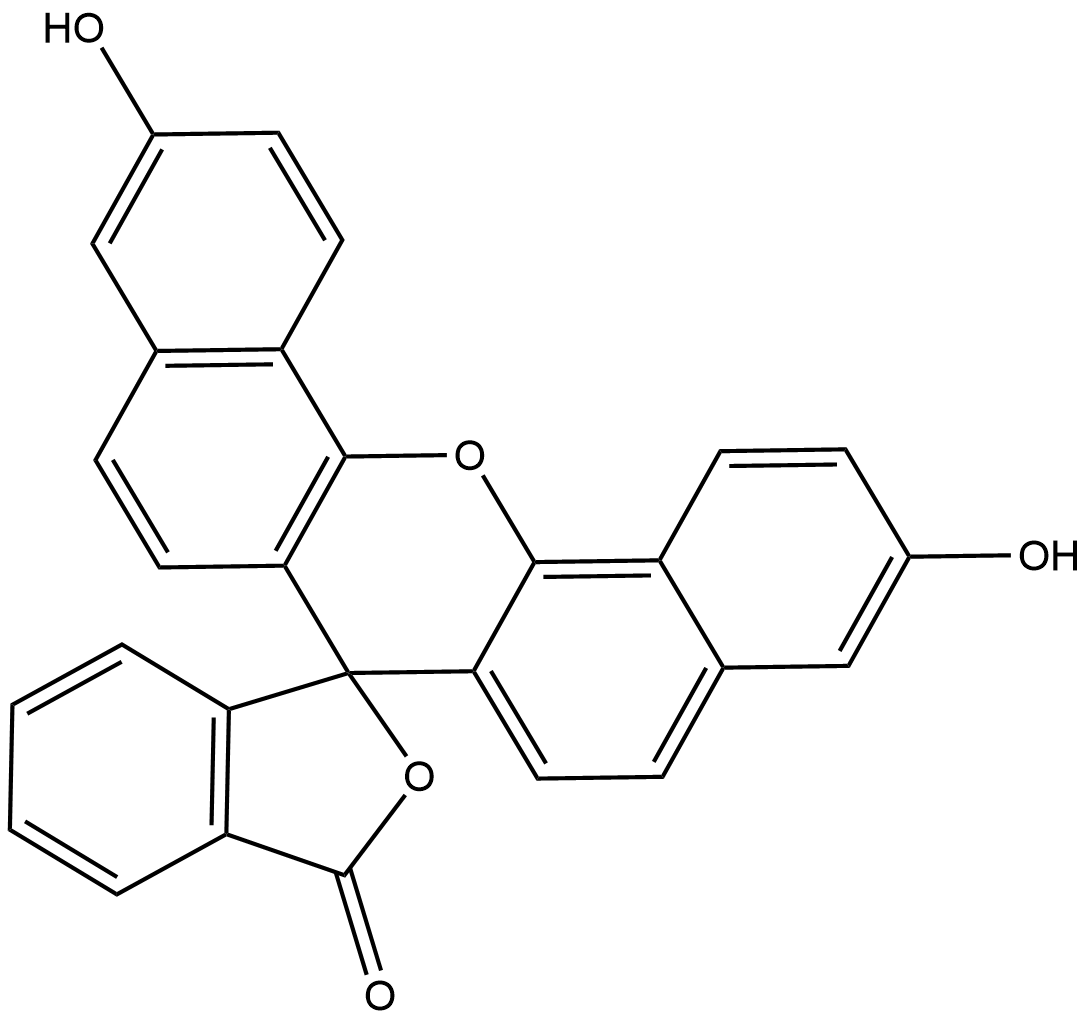 C4419 NaphthofluoresceinSummary: Inhibitor of furin
 -
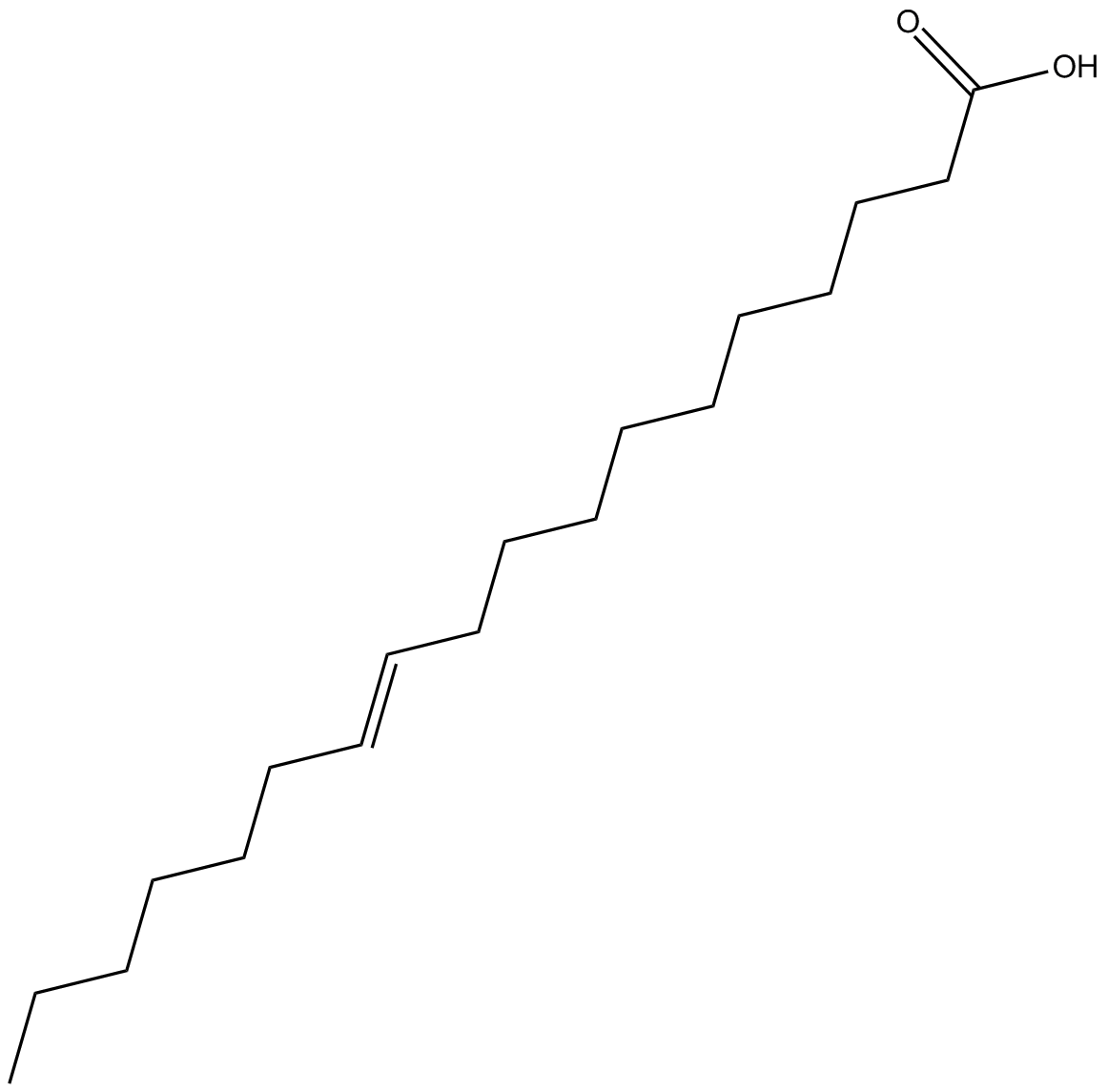 C4457 trans-Vaccenic AcidSummary: A monounsaturated fatty acid precursor that can be metabolized into conjugated linoleic acid.
 -
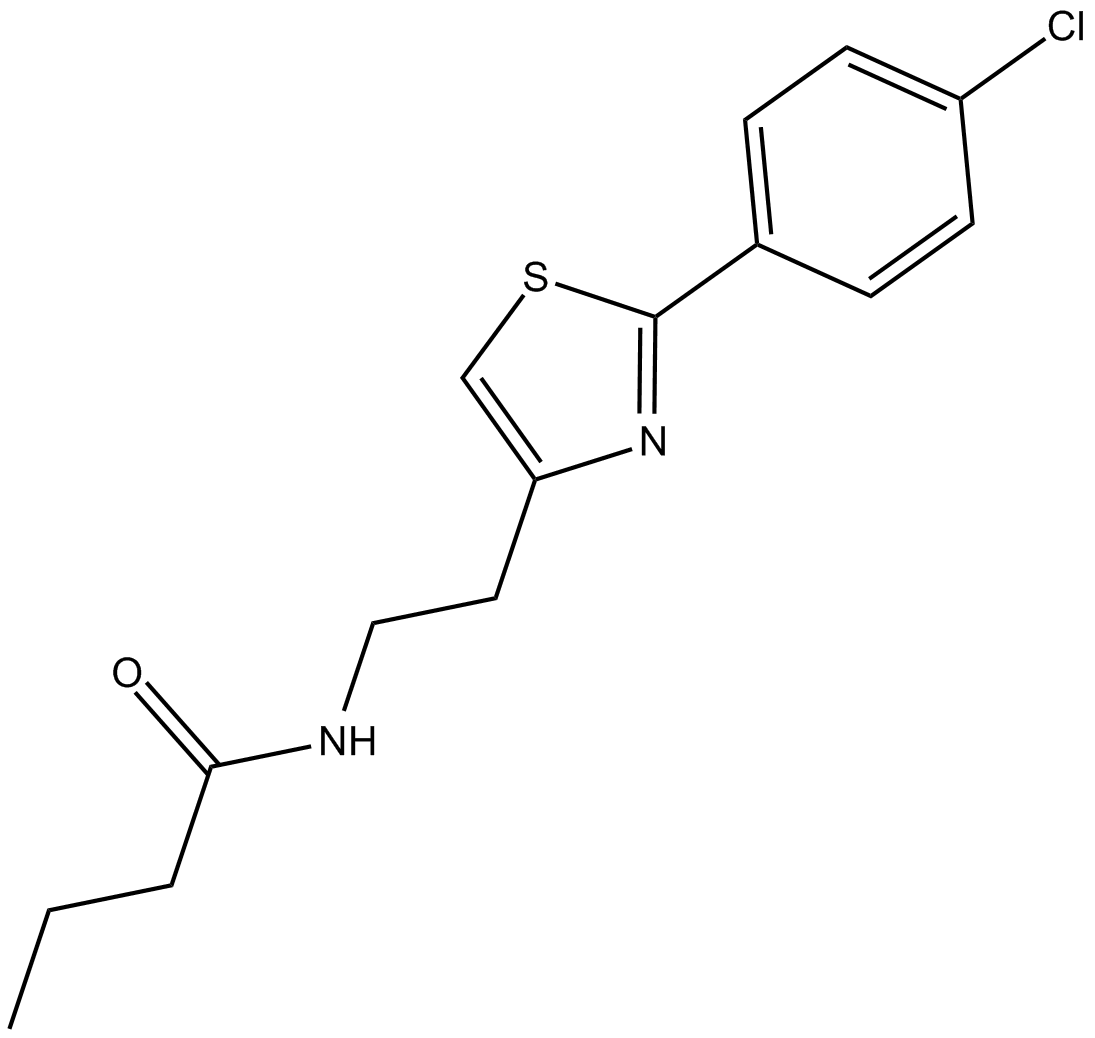 C4463 AzoramideSummary: Modulator of the unfolded protein response (UPR)
 -
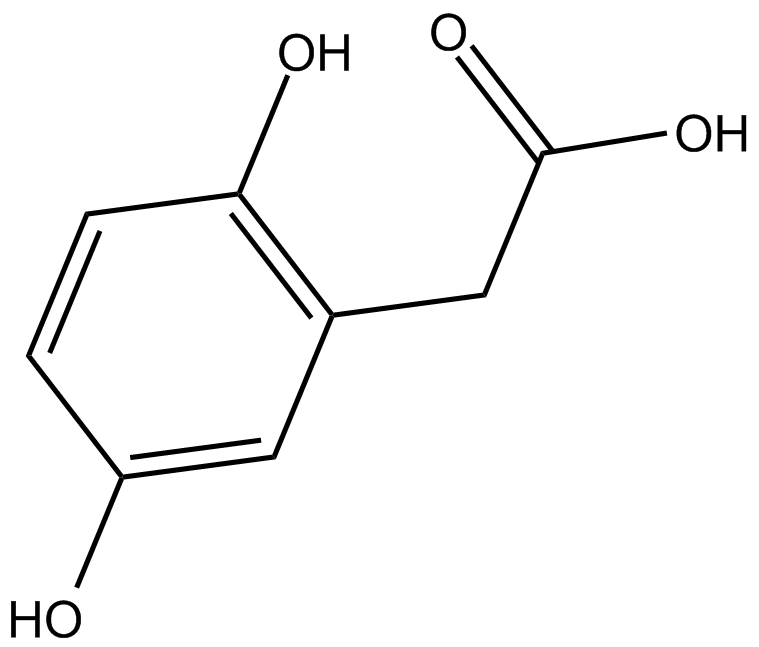 C4485 Homogentisic AcidSummary: A urinary and serum metabolic biomarker used for the diagnosis of alkaptonuria.
 -
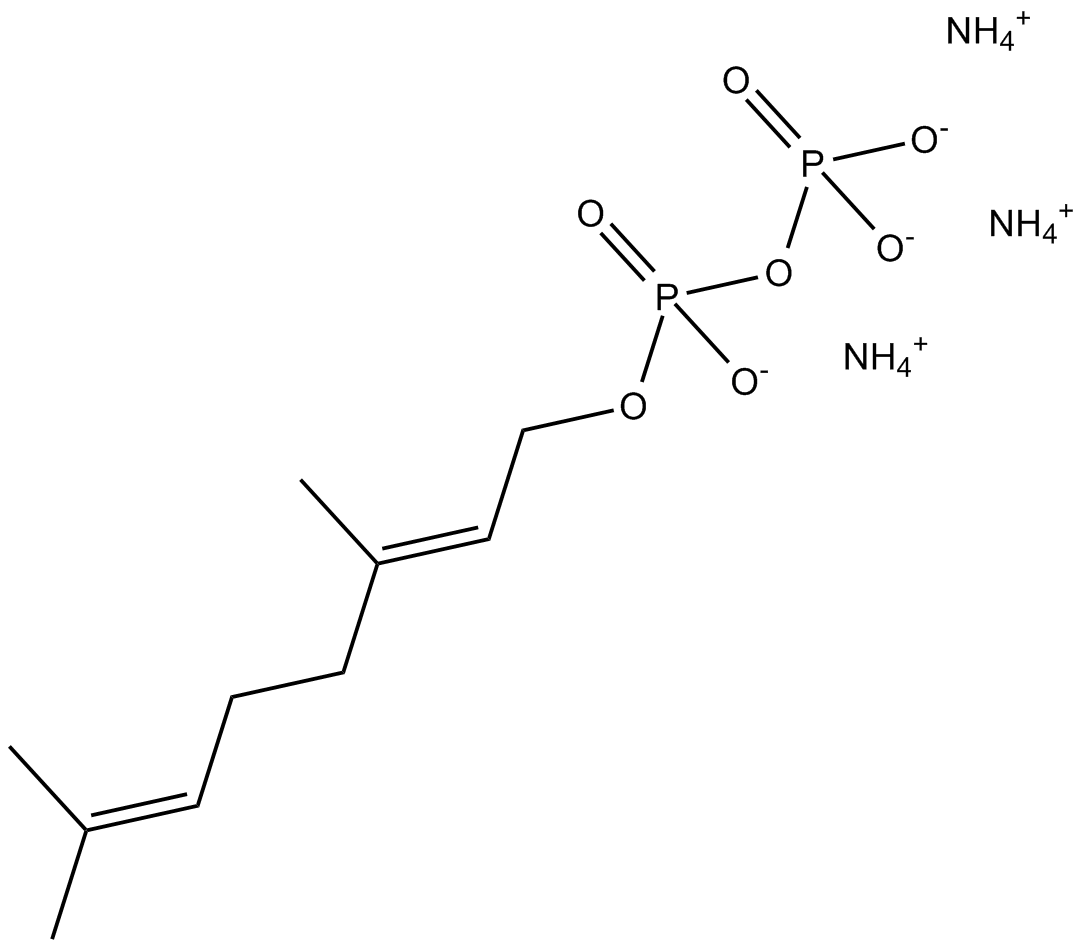 C4518 Geranyl Pyrophosphate (triammonium salt)Summary: A key intermediate in the isoprenoid metabolic pathway, involved in sterol biosynthesis.
 -
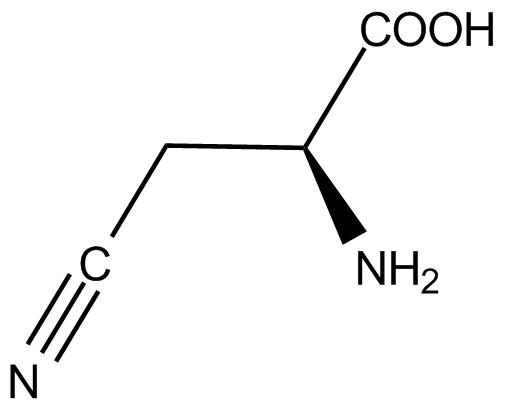 C4587 β-cyano-L-AlanineSummary: A naturally plant-derived nitrile used for research on cyanide metabolism and neuroprotective mechanisms.
 -
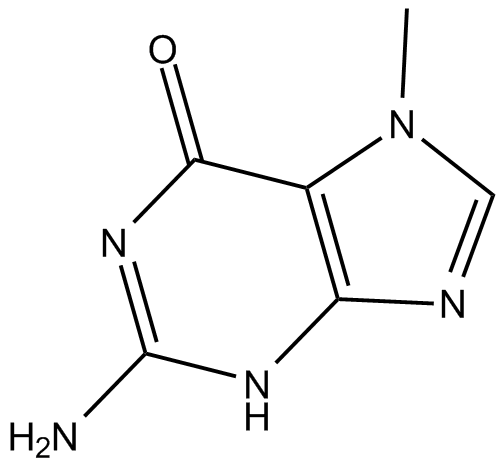 C4598 7-MethylguanineSummary: A nucleotide metabolite
 -
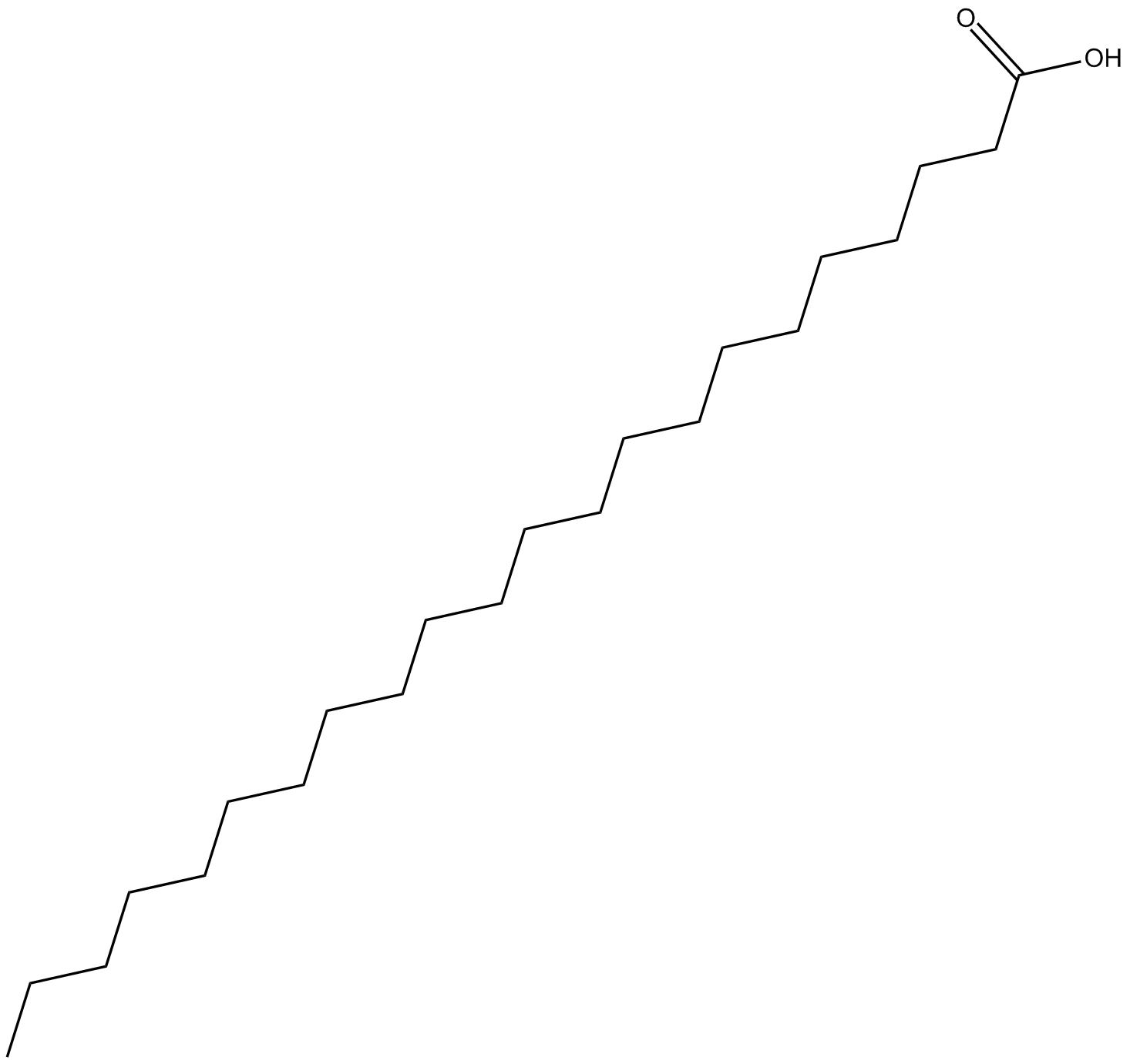 C4604 Docosanoic acidSummary: A long-chain saturated fatty acid that regulates lipid metabolism and cholesterol levels.
 -
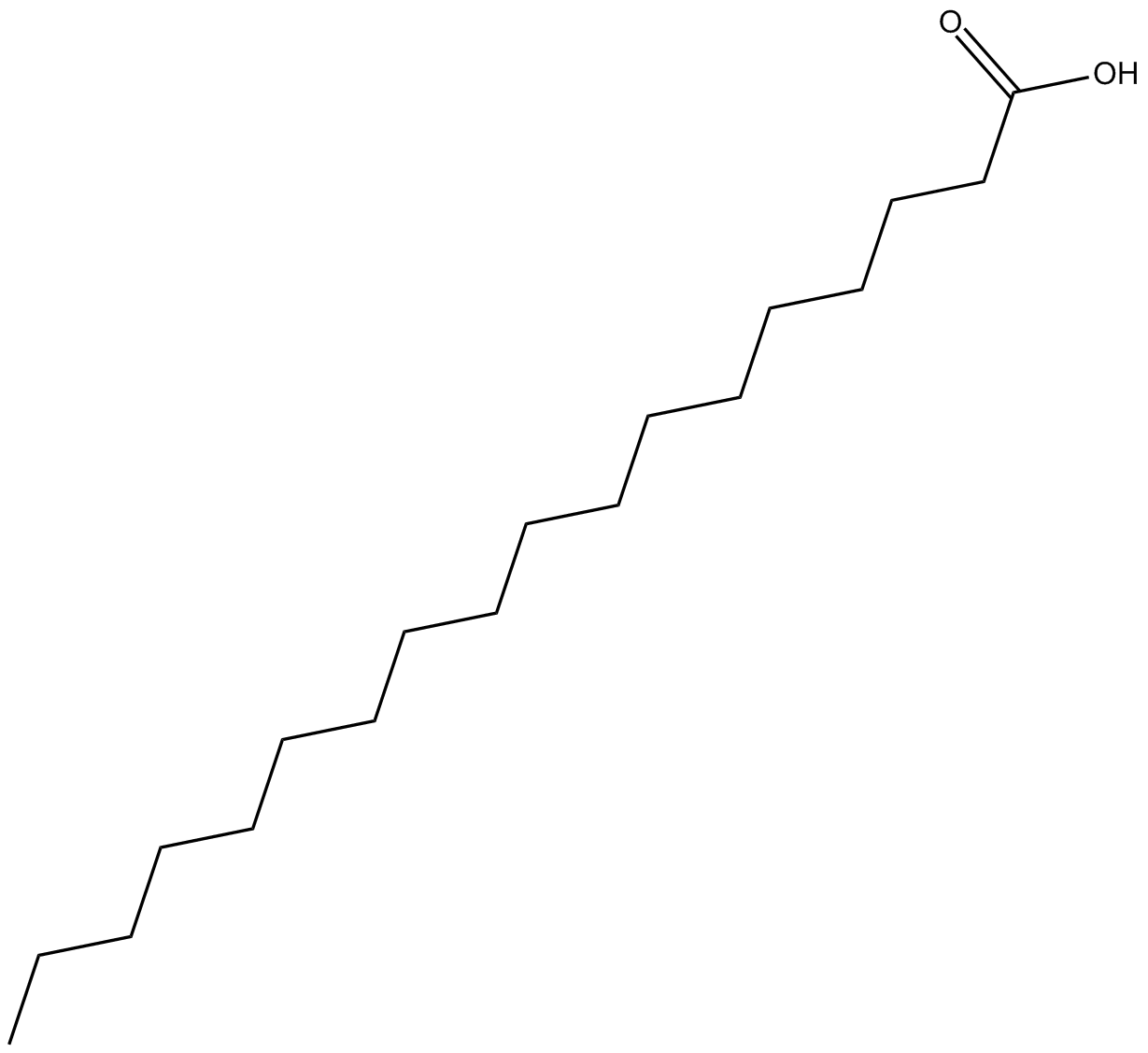 C4607 Stearic AcidSummary: A long-chain saturated fatty acid