Urocanic acid
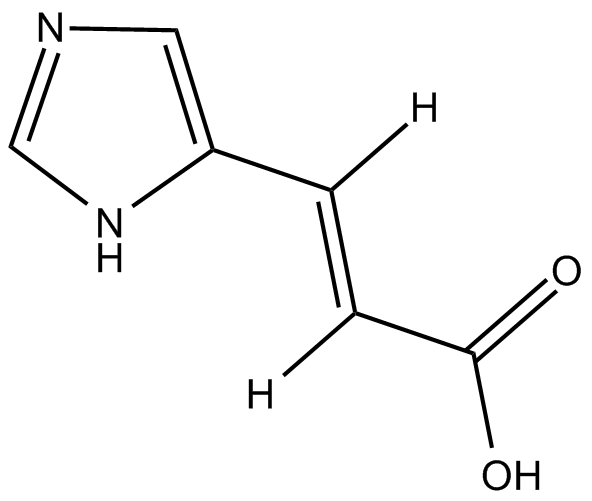
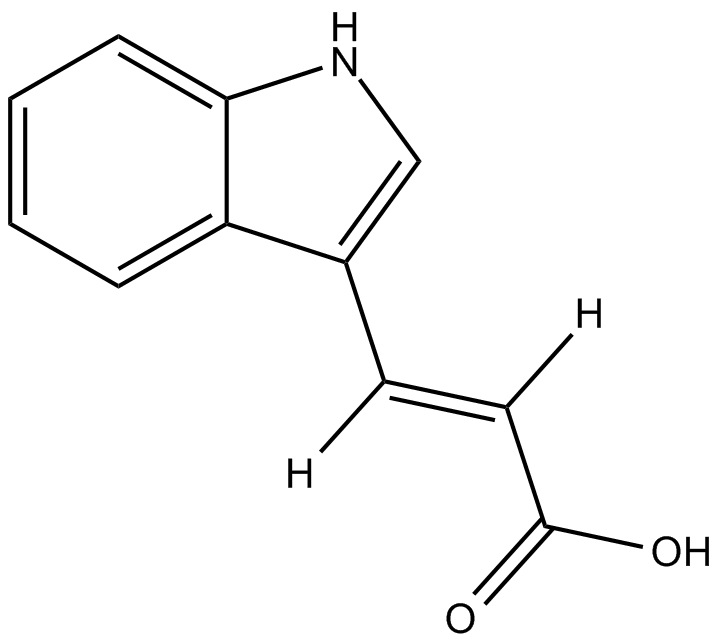
Urocanic acid (CAS No.: 104-98-3) is an imidazolyl carboxylic acid derivative naturally generated in the upper layers of mammalian skin through the enzymatic deamination of histidine, where it accumulates as a key component of the epidermal barrier and functions as a major endogenous absorber of ultraviolet radiation. This compound is widely studied in photobiology and dermatological research due to its role in mediating responses to ultraviolet exposure, including photoisomerization between trans- and cis-forms, which is associated with modulation of cellular signaling pathways related to immune regulation and oxidative stress responses. Urocanic acid has been implicated in mechanisms involving UV-induced immunomodulation, including interactions with reactive oxygen species and potential influence on cytokine expression and antigen-presenting cell activity, although its precise molecular targets remain an active area of investigation. In vitro studies typically employ concentrations in the micromolar range to examine its effects on keratinocytes, immune cells, and oxidative stress models, while in vivo studies in animal systems are used to explore its contribution to skin photoprotection and immune signaling under UV exposure. As a research reagent, urocanic acid is utilized in studies of skin physiology, photochemical processes, and the molecular basis of UV-induced cellular responses, with experimental conditions and dosing parameters varying according to specific study designs and objectives.
| Physical Appearance | Solid |
| Storage | -20°C |
| M.Wt | 138.12 |
| Cas No. | 104-98-3 |
| Formula | C6H6N2O2 |
| Solubility | insoluble in EtOH; insoluble in H2O; ≥41.7 mg/mL in DMSO |
| Chemical Name | (E)-3-(1H-imidazol-5-yl)acrylic acid |
| Canonical SMILES | O=C(O)/C([H])=C([H])/C1=CN=CN1 |
| Shipping Condition | Small Molecules with Blue Ice, Modified Nucleotides with Dry Ice. |
| General tips | We do not recommend long-term storage for the solution, please use it up soon. |