


Metabolism
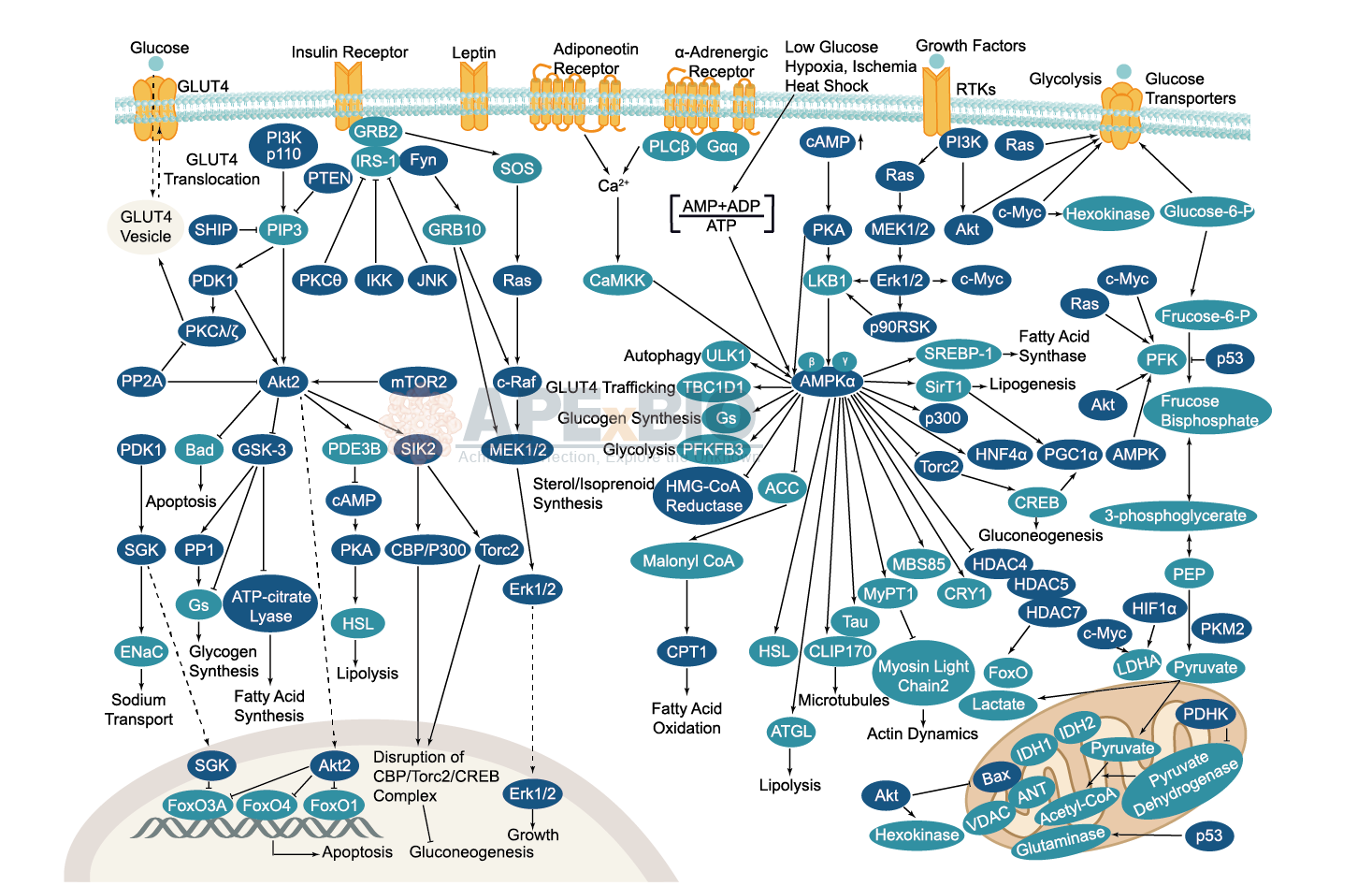
Serine/threonine kinase AMPK upregulates glucose uptake by promoting the expression and function of glucose transporters. AMPK is activated by increased AMP/ATP ratio, resulting from cellular and environmental stress, e.g. low glucose, heat shock, hypoxia and ischemia. AMPK activation positively modulates signaling transductions that refill ATP levels. Moreover, it also stimulates catabolic processes such as fatty acid oxidation and glycolysis through inhibition of ACC and activation of PFK2. AMPK negatively regulates various proteins which are important to ATP-consuming mechanisms, e.g. mTORC2, glycogen synthase, SREBP-1, and TSC2, causing the downregulation/inhibition of gluconeogenesis and glycogen, lipid and protein synthesis.
-
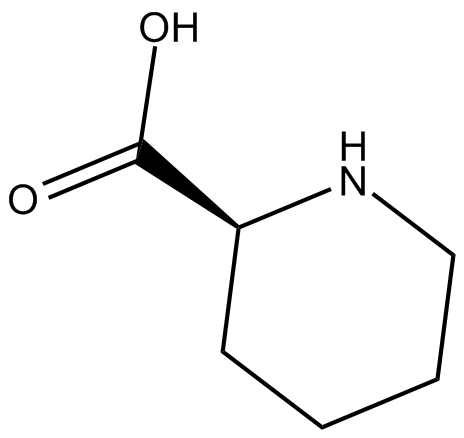 C6354 D(+)-Pipecolinic acidSummary: An intermediate metabolite in lysine metabolism in mammals and a chiral synthetic precursor.
 -
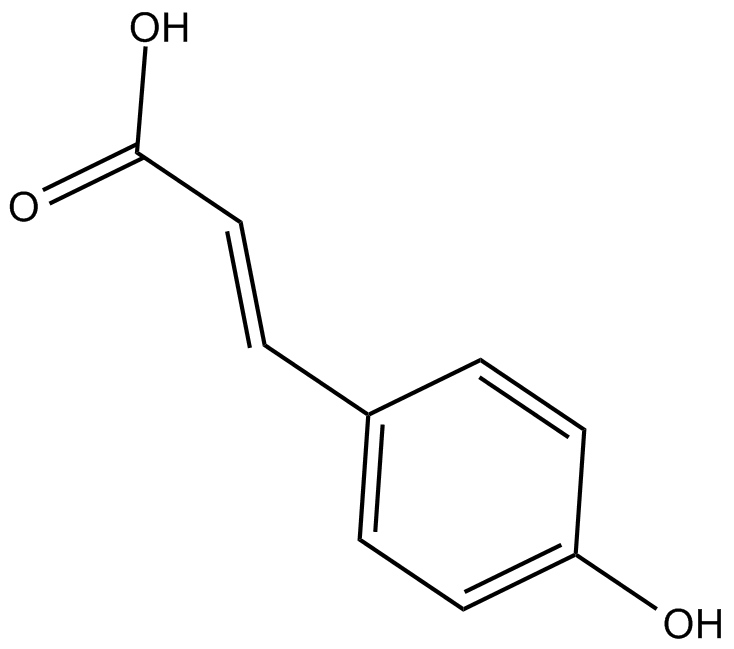 C6357 p-Hydroxy-cinnamic acidSummary: An edible phenolic compound that can inhibit platelet activity.
 -
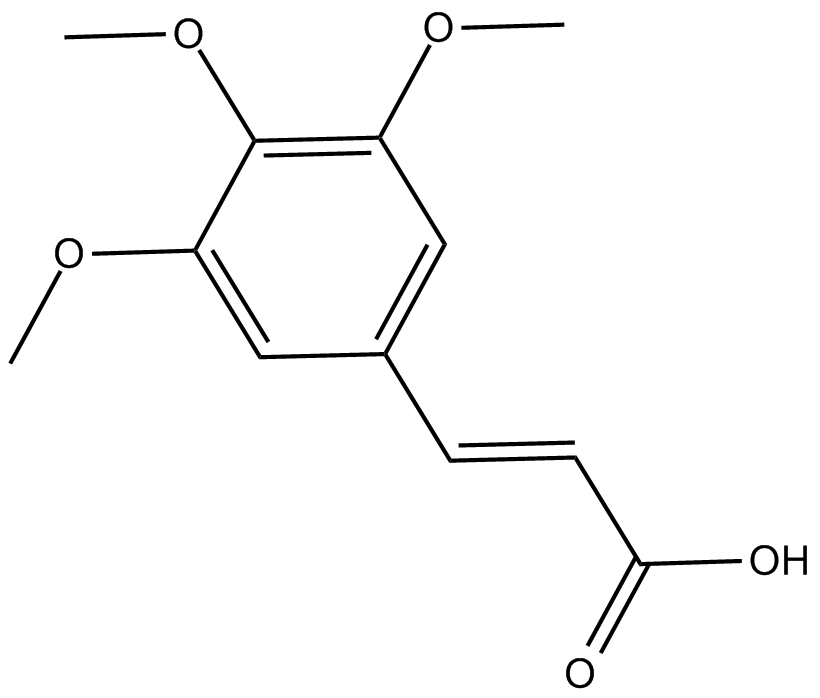 C6360 3,4,5-Trimethoxycinnamic acidSummary: A compound with anti-stress effects that can prolong animal sleep time.
 -
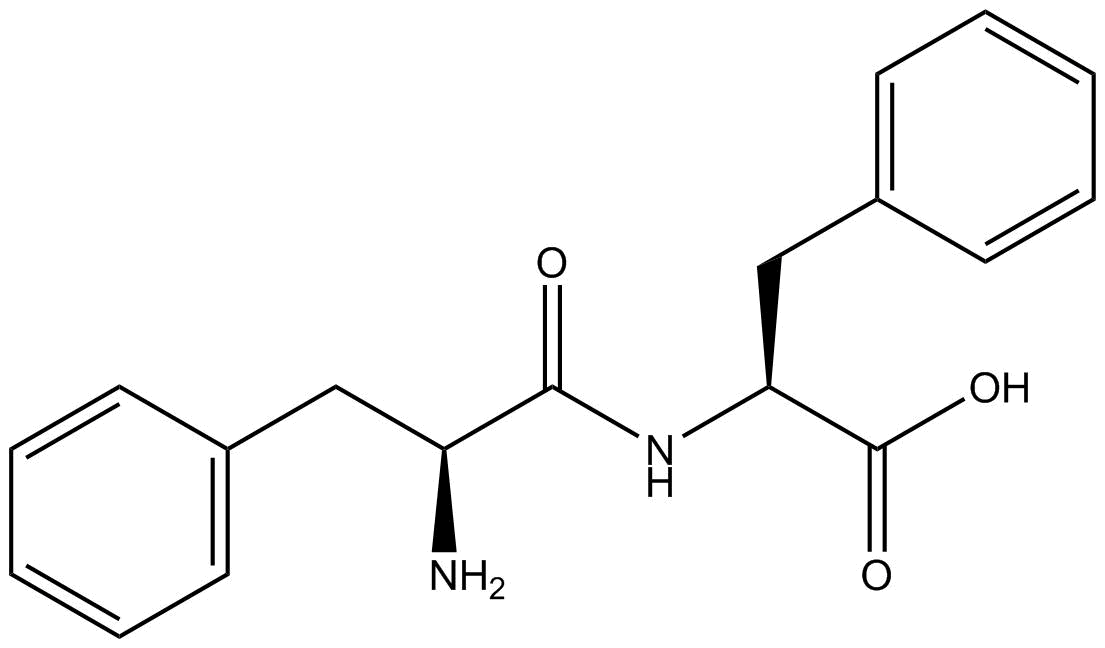 C6549 H-Phe-Phe-OHSummary: A dipeptide experimental reagent with specific inhibitory capability.
 -
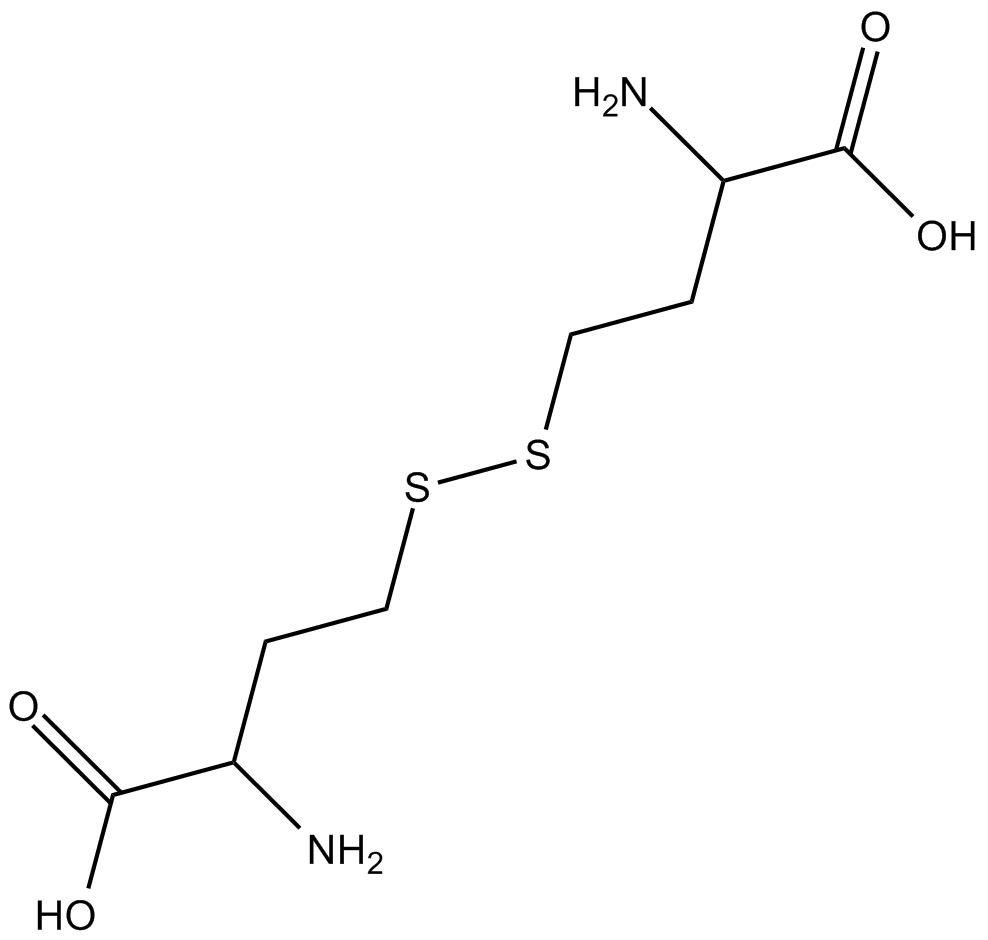 C6909 DL-HomocystineSummary: A homocysteine dimer linked by a disulfide bond, used for psychiatric disorder research.
 -
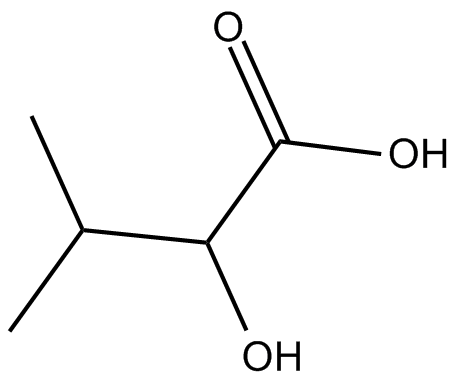 M1030 2-Hydroxy-3-methylbutanoic acidSummary: A structural analog used to investigate GHB receptor binding and metabolic pathways.
 -
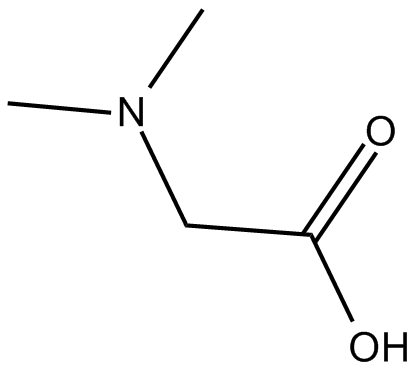 M1041 N-MethylsarcosineSummary: Amino acid building blocks for protein synthesis.
 -
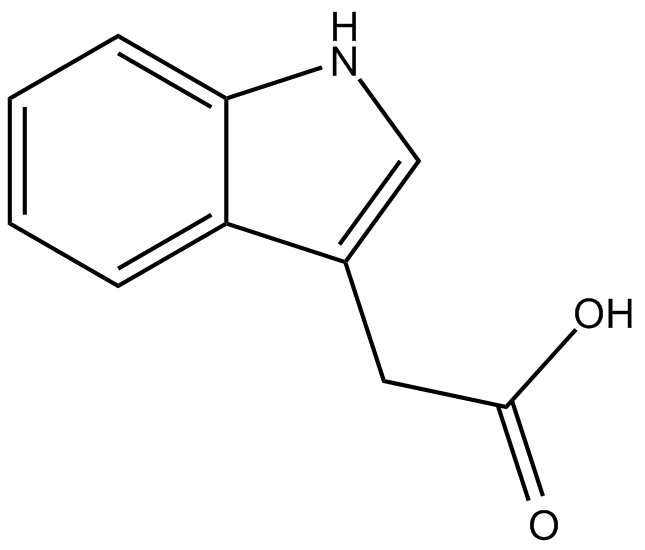 M1045 3-Indoleacetic acid1 CitationSummary: A growth regulator that can promote plant cell differentiation and organ formation.
 -
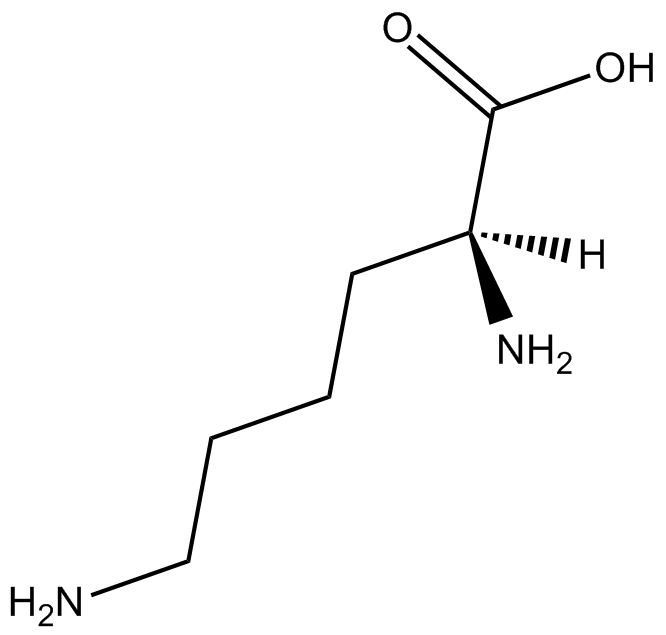 M1051 L-LysineSummary: An essential amino acid with anti-HSV infection activity, promotes calcium absorption, and improves metabolism.
 -
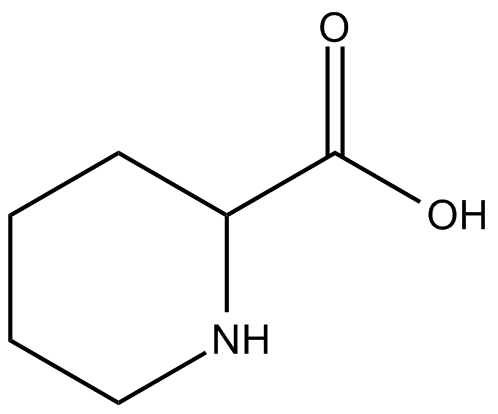 M1059 Pipecolic acidSummary: A lysine metabolite, an important precursor for microbial secondary metabolism, and a ferroptosis inhibitor.