


glycolate (hydroxyacetate)
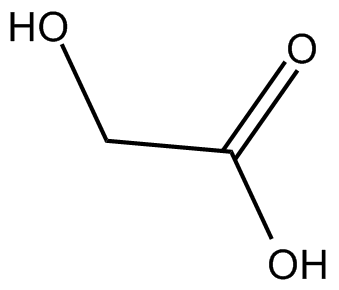
glycolate (hydroxyacetate) (CAS No.: 79-14-1) is a prototypical member of the alpha hydroxy acid class of organic compounds, characterized by the presence of a hydroxyl group adjacent to a carboxylic acid moiety, and is widely utilized in biochemical and cellular research as a small-molecule modulator of metabolic and enzymatic processes. This compound has been identified as an inhibitor of tyrosinase, a key copper-containing oxidase involved in melanin biosynthesis, thereby providing a useful tool for investigating melanogenesis pathways and pigment-related cellular responses. In vitro studies indicate that glycolate can modulate enzyme activity and cellular pigmentation processes typically within the low micromolar to millimolar concentration range, depending on assay conditions and cell type. Its physicochemical simplicity and well-characterized reactivity also make it relevant for studying alpha hydroxy acid-mediated effects on cellular turnover, differentiation, and extracellular matrix remodeling in controlled experimental systems. Glycolate is commonly applied in cell-based assays and biochemical enzyme studies to probe oxidative processes, metabolic flux, and skin-related cellular models, with experimental concentrations and exposure conditions tailored to specific research objectives and model systems.
| Physical Appearance | Solid |
| Storage | -20°C |
| M.Wt | 76.05 |
| Cas No. | 79-14-1 |
| Formula | C2H4O3 |
| Solubility | ≥28.8 mg/mL in EtOH with ultrasonic; ≥48.3 mg/mL in H2O; ≥53.5 mg/mL in DMSO |
| Chemical Name | 2-hydroxyacetic acid |
| Canonical SMILES | OCC(O)=O |
| Shipping Condition | Small Molecules with Blue Ice, Modified Nucleotides with Dry Ice. |
| General tips | We do not recommend long-term storage for the solution, please use it up soon. |