oxalate
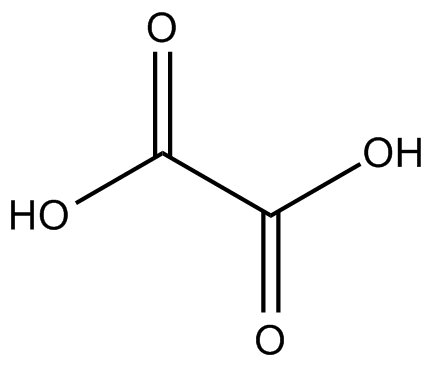
oxalate (CAS No.: 144-62-7) is a small endogenous dicarboxylate widely distributed in plants and generated in mammalian systems as a metabolic end product of glyoxylic acid and ascorbic acid pathways, where it is not further metabolized and is primarily eliminated via renal excretion. As a chemically reactive organic acid with reducing properties, oxalate is commonly employed as an analytical reagent and redox-active component in biochemical assays. In biomedical research, it is frequently utilized to model oxalate-associated cellular stress, including oxidative stress and mitochondrial dysfunction, particularly in renal epithelial cell systems, where it can influence pathways related to reactive oxygen species generation, calcium handling, and crystal–cell interactions. Although it does not act through a single defined receptor target, oxalate is known to modulate signaling cascades associated with inflammation and cellular injury, including pathways linked to oxidative damage and apoptotic responses. In vitro studies typically examine its biological effects across low micromolar to millimolar concentration ranges depending on the experimental context, while in vivo models are used to investigate oxalate handling, deposition, and tissue responses under controlled exposure conditions. Experimental concentrations or dosing regimens vary according to specific study designs and objectives, particularly in nephrology, toxicology, and metabolic research settings.
| Physical Appearance | A solid |
| Storage | -20°C |
| M.Wt | 90.03 |
| Cas No. | 144-62-7 |
| Formula | C2H2O4 |
| Solubility | ≥21.2 mg/mL in H2O; ≥21.6 mg/mL in DMSO; ≥25.6 mg/mL in EtOH |
| Chemical Name | oxalic acid |
| Canonical SMILES | OC(C(O)=O)=O |
| Shipping Condition | Small Molecules with Blue Ice, Modified Nucleotides with Dry Ice. |
| General tips | We do not recommend long-term storage for the solution, please use it up soon. |