


Membrane Transporter/Ion Channel
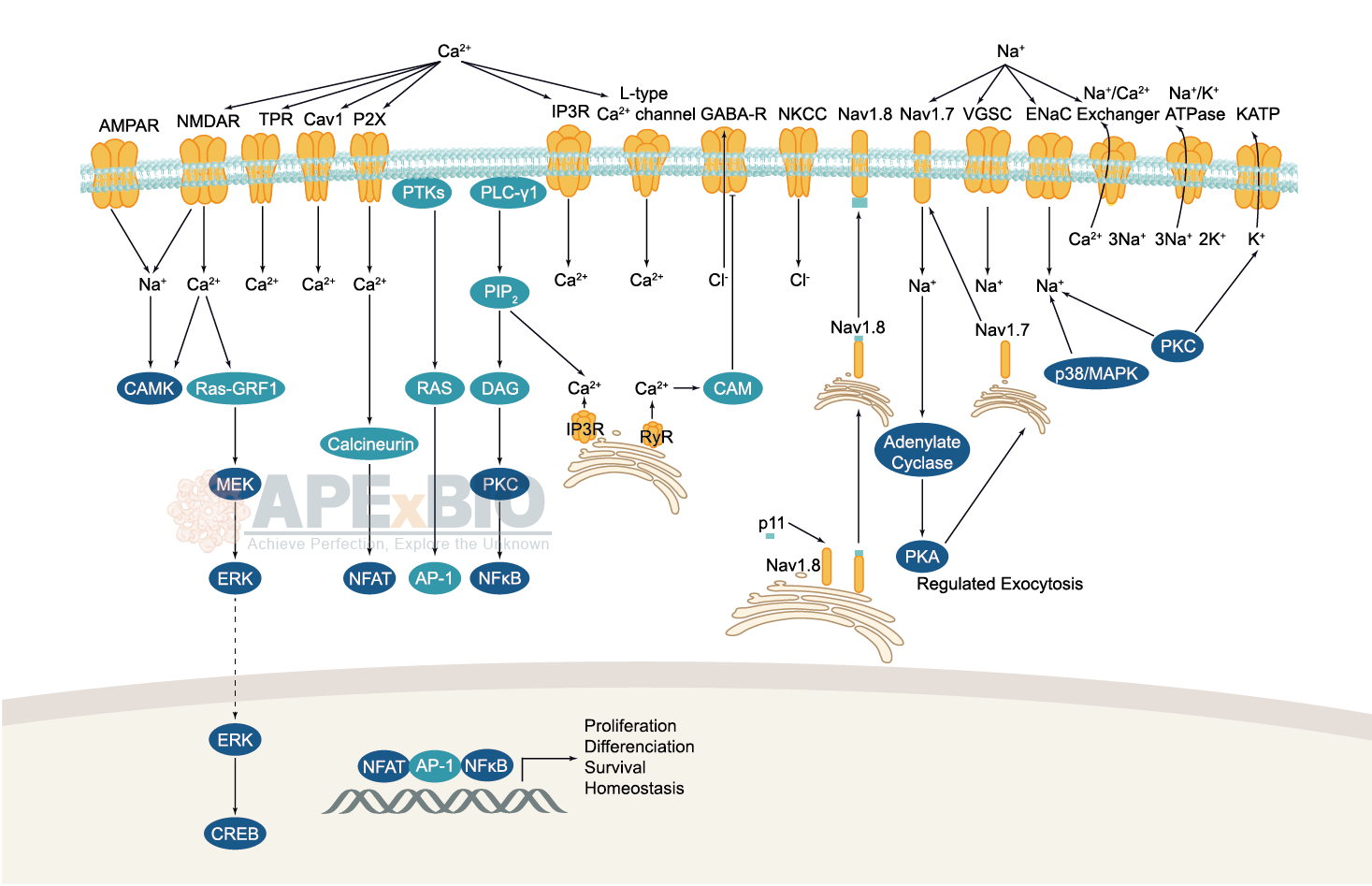
Membrane Transporters mediate the movement of ions and molecules via binding and moving the substance across the membrane. There are two main actions of transporter: facilitated diffusion (passive transport) and active transport. Membrane transporters which bind the hydrolysis of ATP to the transport of target molecules are referred to as ATPases. For instance, Na+,K+-ATPases or Na+,K+-pumps are responsible for the transport of Na+ out of and K+ into cells.
Ion channels are pore-forming membrane proteins which allow the flow of ions across the membrane. The ion channels can be broadly grouped into six families including calcium channels, chloride channels, potassium channels, sodium channels, gap junction proteins and porins. Not all ion channels are gated, such as certain type of K+ and Cl– channels, transient receptor potential superfamily of cation channels, the ryanodine receptors and the IP3 receptors, but most Na+, K+, Ca2+ and some Cl– channels are all gated by voltage. Ligand-gated channels are regulated in response to ligand binding (e.g. neurotransmitters signaling). These ligand-gated neurotransmitter receptors are known as ionotropic receptors. Various neurotransmitters couple to ionotropic receptors such as glutamate, acetylcholine, glycine, GABA, and serotonin.
-
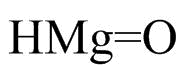 C6161 Magnesium oxideSummary: An alkaline oxide that regulates the acid–base environment and replenishes magnesium ion concentration.
 -
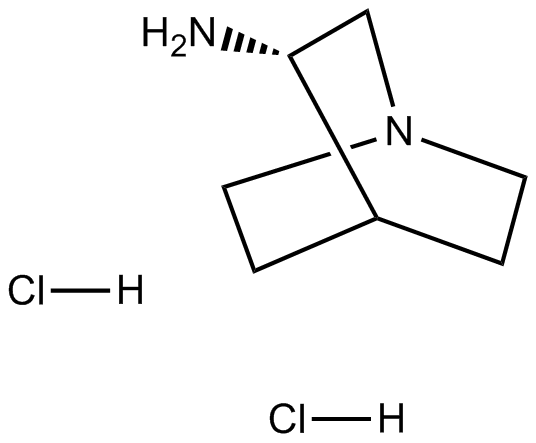 C6188 (S)-3-Aminoquinuclidine dihydrochlorideSummary: A chiral quaternary cyclic amine compound, an intermediate, used for neuroscience and receptor research.
 -
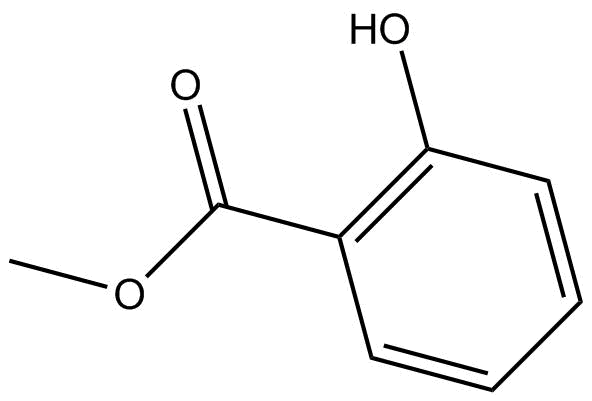 C6190 Methyl salicylateSummary: An aromatic anti-inflammatory analgesic with COX inhibitory activity.
 -
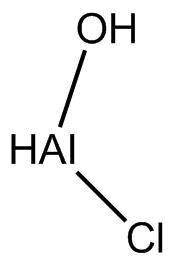 C6193 Aluminum chlorohydrateSummary: Aluminum-based polymer, commonly used in antiperspirant research and skin biosafety evaluation.
 -
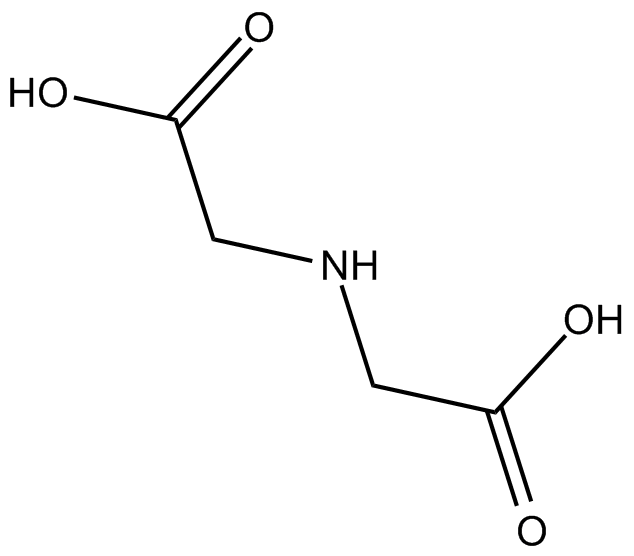 C6273 Iminodiacetic acidSummary: A chelating agent used to remove toxic metal ions from water.
 -
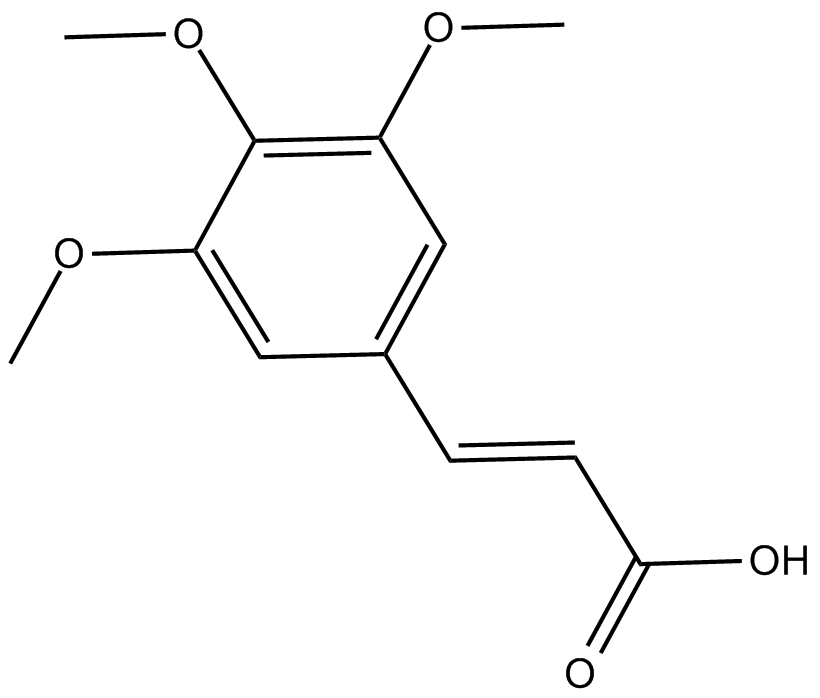 C6360 3,4,5-Trimethoxycinnamic acidSummary: A compound with anti-stress effects that can prolong animal sleep time.
 -
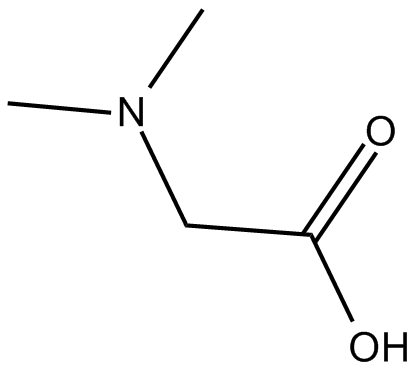 M1041 N-MethylsarcosineSummary: Amino acid building blocks for protein synthesis.
 -
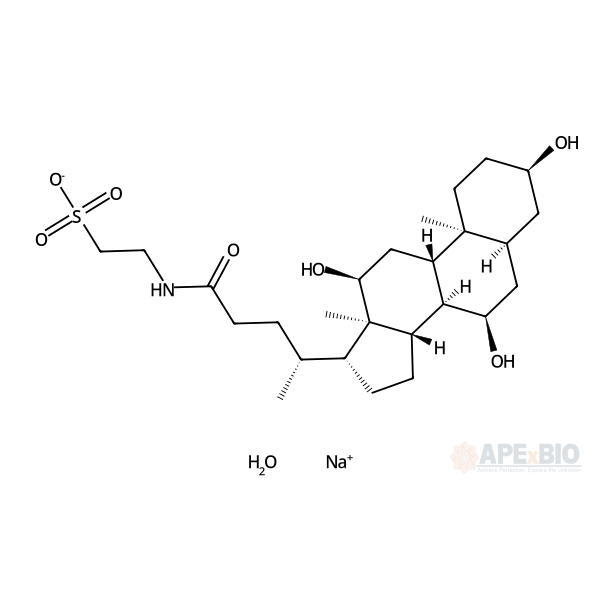 M1062 Taurine and hypotaurinemetabolismSummary: Bile acid derivative, promotes lipid emulsification and absorption, supports lipase-mediated degradation.
 -
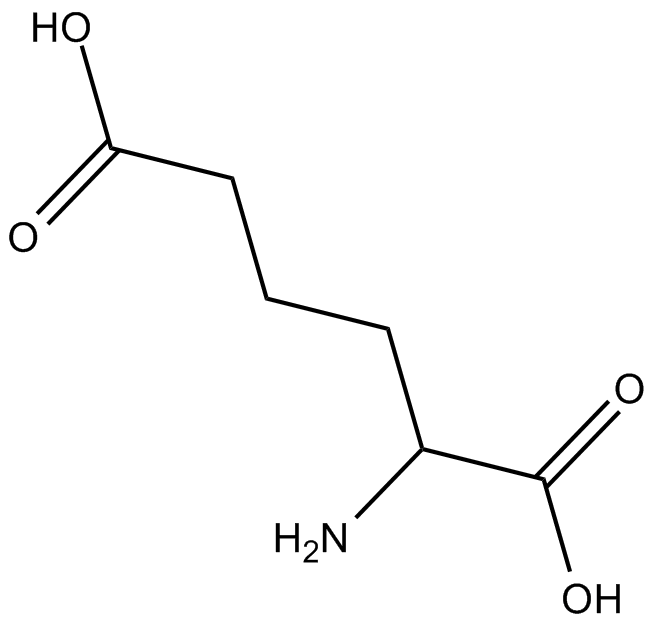 M1080 Aminoadipic acidSummary: An intermediate used to study the metabolic mechanisms of lysine and glucopurine.
 -
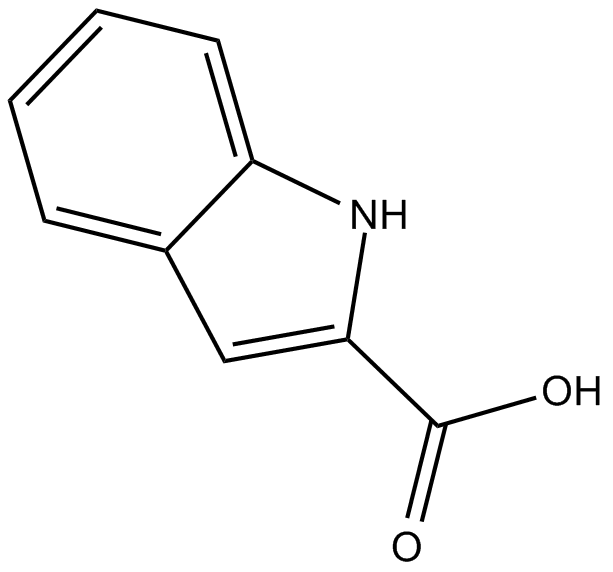 M1133 Indole-2-carboxylic acidSummary: Has lipid peroxidation and competitive NMDA receptor inhibitory activity.