


Aluminum chlorohydrate
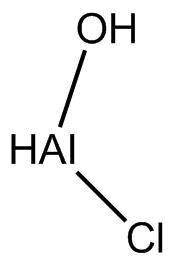
Aluminum chlorohydrate (CAS No.: 1327-41-9) is a water-soluble polymeric aluminum complex characterized by hydroxy-bridged multinuclear species and is widely utilized as a model compound in dermatological and biochemical research. It is primarily classified as an inorganic polymeric salt and is extensively studied for its ability to interact with protein substrates, particularly within eccrine gland ducts, where it forms insoluble protein–metal aggregates that can transiently obstruct fluid secretion pathways. This protein-binding and precipitation behavior provides a useful experimental framework for investigating metal–protein interactions, epithelial barrier modulation, and localized occlusion phenomena in skin-related models. Although it does not act through classical receptor-mediated signaling pathways, its mechanism involves physicochemical interactions with biomacromolecules, influencing protein conformation and aggregation states. In vitro studies typically examine its effects on keratinocytes, reconstructed epidermal systems, or ex vivo skin tissues, with activity observed across concentration ranges tailored to experimental design, often spanning low micromolar to higher exposure levels depending on formulation and assay conditions. Aluminum chlorohydrate is also employed in studies assessing the biocompatibility and safety profiles of aluminum-based compounds, as well as in the development and optimization of topical delivery systems, making it a relevant tool in pharmaceutical and toxicological research contexts focused on skin physiology and metal ion interactions.
| Physical Appearance | A solid |
| Storage | -20°C |
| M.Wt | 79.44 |
| Cas No. | 1327-41-9 |
| Formula | AlClHO |
| Solubility | Soluble in DMSO |
| Canonical SMILES | O[*](Cl)I |
| Shipping Condition | Small Molecules with Blue Ice, Modified Nucleotides with Dry Ice. |
| General tips | We do not recommend long-term storage for the solution, please use it up soon. |