


Membrane Transporter/Ion Channel
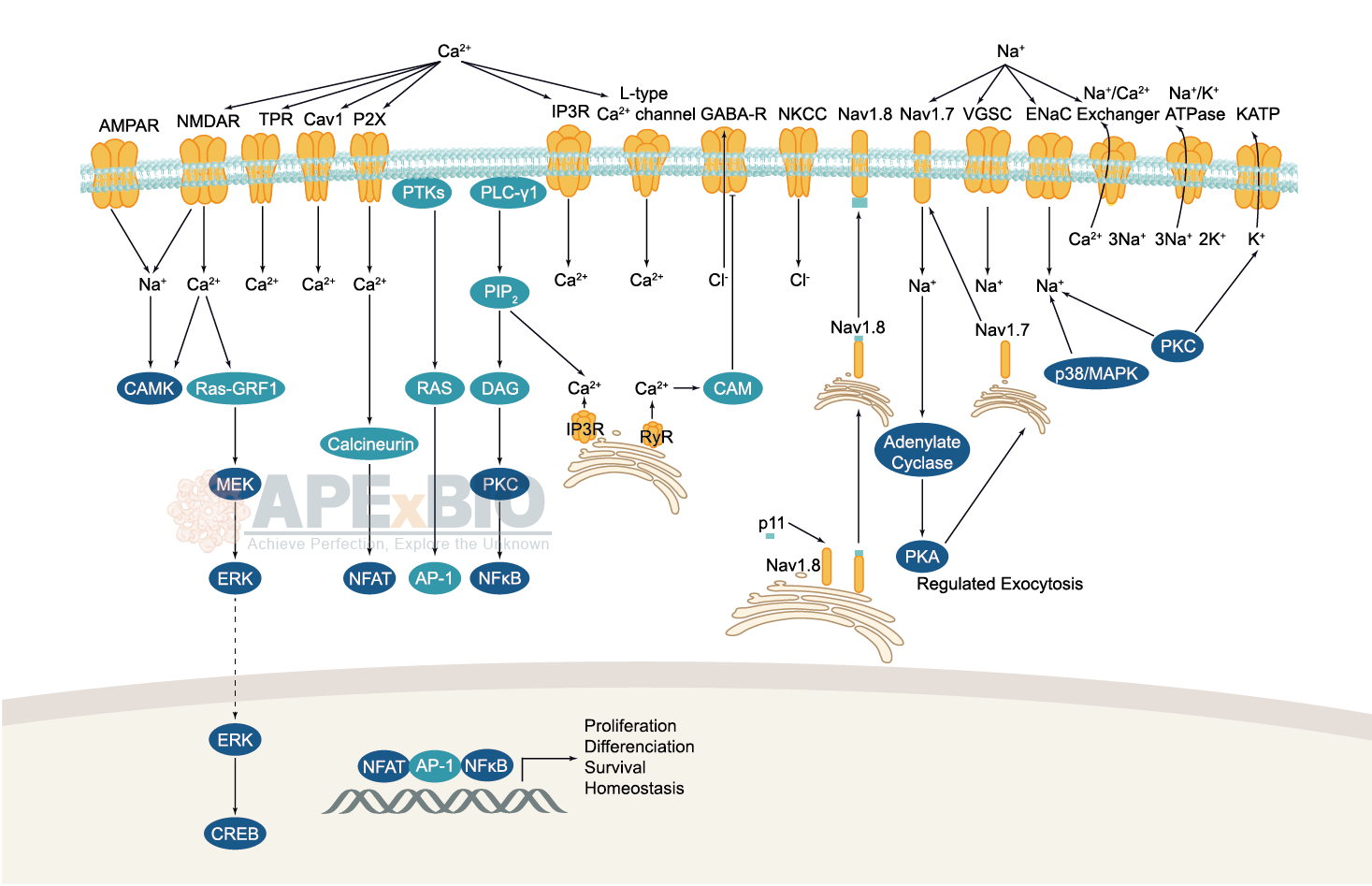
Membrane Transporters mediate the movement of ions and molecules via binding and moving the substance across the membrane. There are two main actions of transporter: facilitated diffusion (passive transport) and active transport. Membrane transporters which bind the hydrolysis of ATP to the transport of target molecules are referred to as ATPases. For instance, Na+,K+-ATPases or Na+,K+-pumps are responsible for the transport of Na+ out of and K+ into cells.
Ion channels are pore-forming membrane proteins which allow the flow of ions across the membrane. The ion channels can be broadly grouped into six families including calcium channels, chloride channels, potassium channels, sodium channels, gap junction proteins and porins. Not all ion channels are gated, such as certain type of K+ and Cl– channels, transient receptor potential superfamily of cation channels, the ryanodine receptors and the IP3 receptors, but most Na+, K+, Ca2+ and some Cl– channels are all gated by voltage. Ligand-gated channels are regulated in response to ligand binding (e.g. neurotransmitters signaling). These ligand-gated neurotransmitter receptors are known as ionotropic receptors. Various neurotransmitters couple to ionotropic receptors such as glutamate, acetylcholine, glycine, GABA, and serotonin.
-
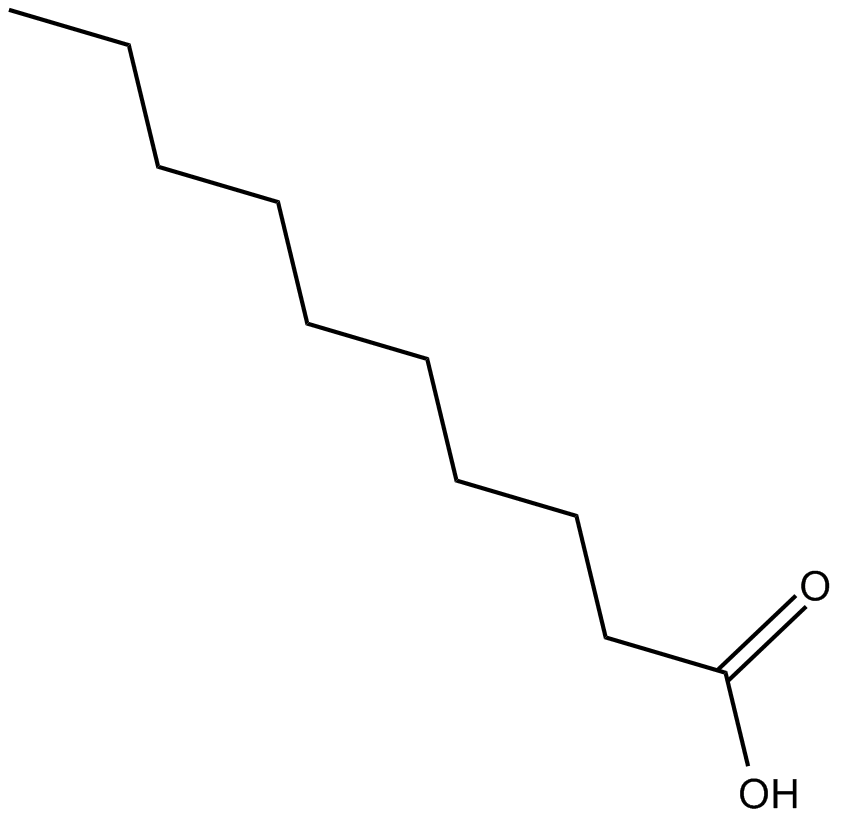 M1303 caprate (10:0)Summary: A fatty acid with anti-epileptic activity and the ability to inhibit liver cancer cells.
 -
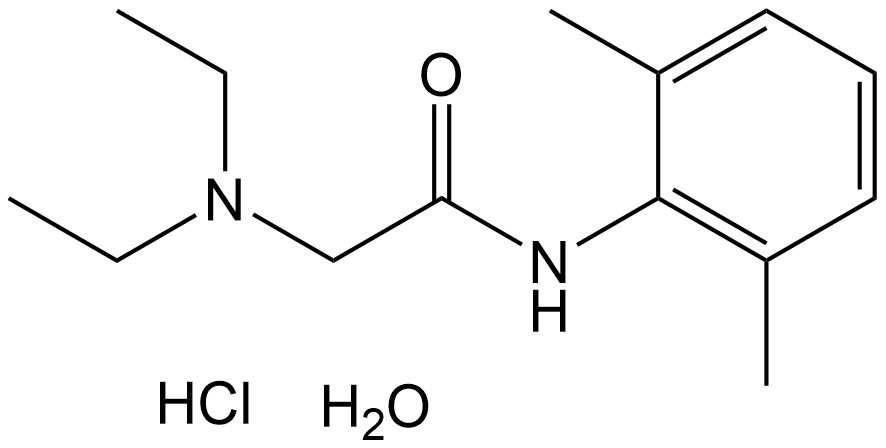 C8814 Lidocaine hydrochloride hydrateSummary: A research-use reagent for studying local anesthetics and antiarrhythmic agents
 -
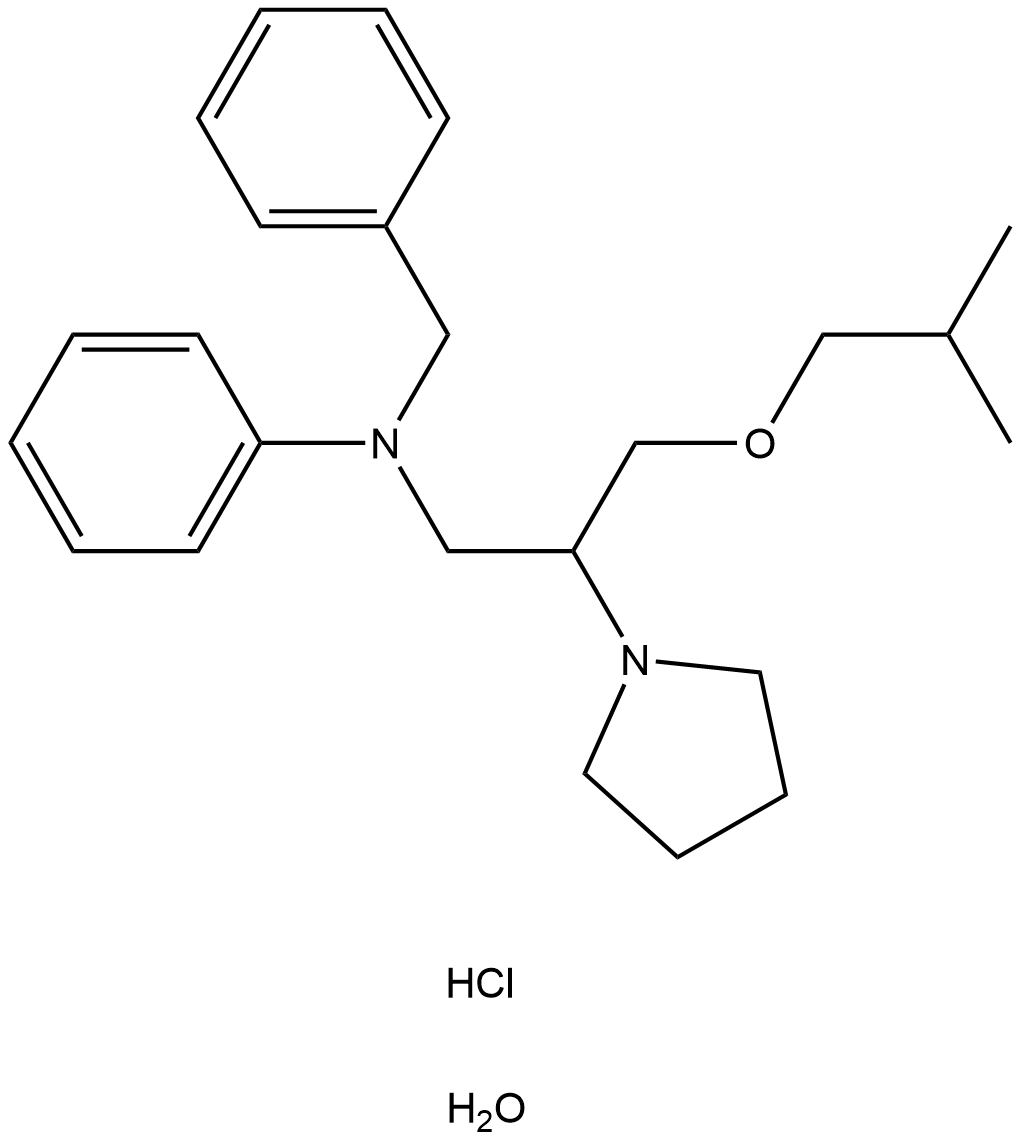 C8774 Bepridil hydrochloride hydrateSummary: Bepridil hydrochloride hydrate is a small-molecule, non-selective calcium-channel inhibitor and multi-ion-channel modulator used in cardiovascular and ion-transport research.
 -
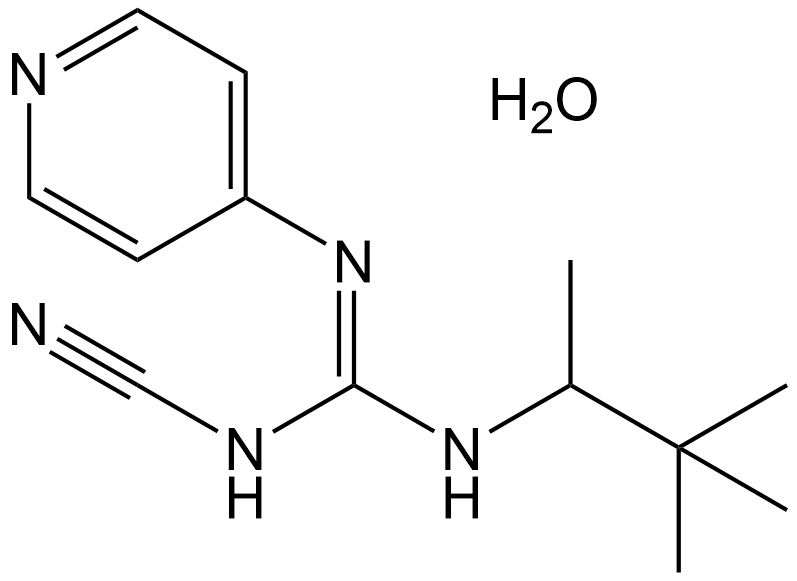 C8792 Pinacidil monohydrateSummary: Pinacidil monohydrate is a small-molecule ATP-sensitive potassium channel opener used to investigate KATP-mediated membrane excitability, vascular smooth muscle relaxation, and cardiovascular pharmacology.
 -
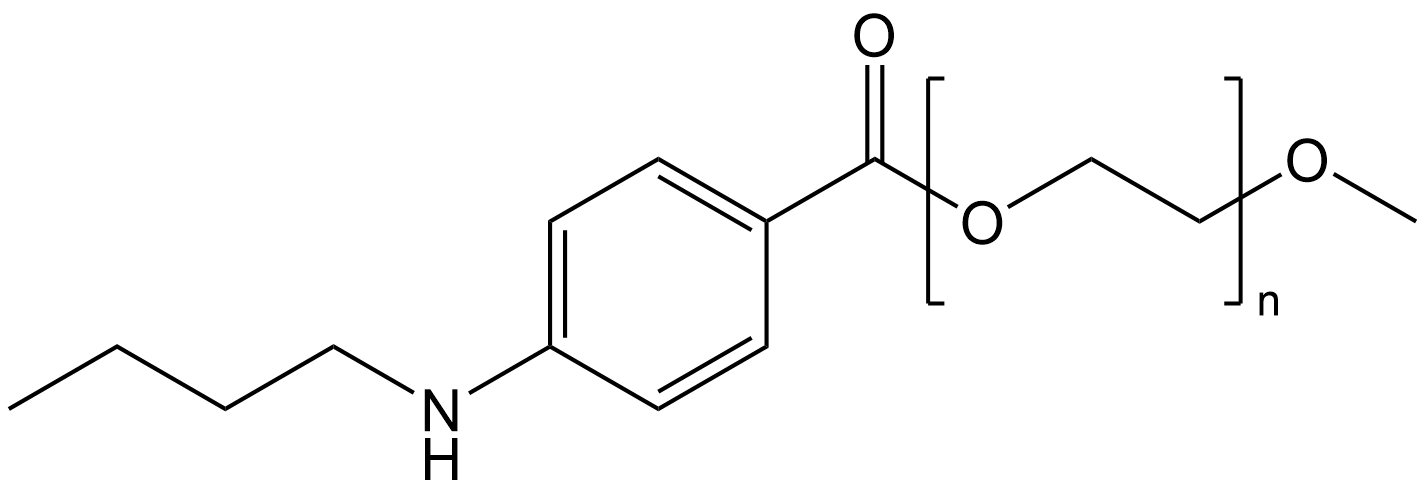 C8794 Benzonatate (PEGn)Summary: Benzonatate (PEGn) is a synthetic local anesthetic-like sodium channel blocker used to investigate peripheral sensory neurobiology, airway reflex pharmacology, and ion channel modulation.
 -
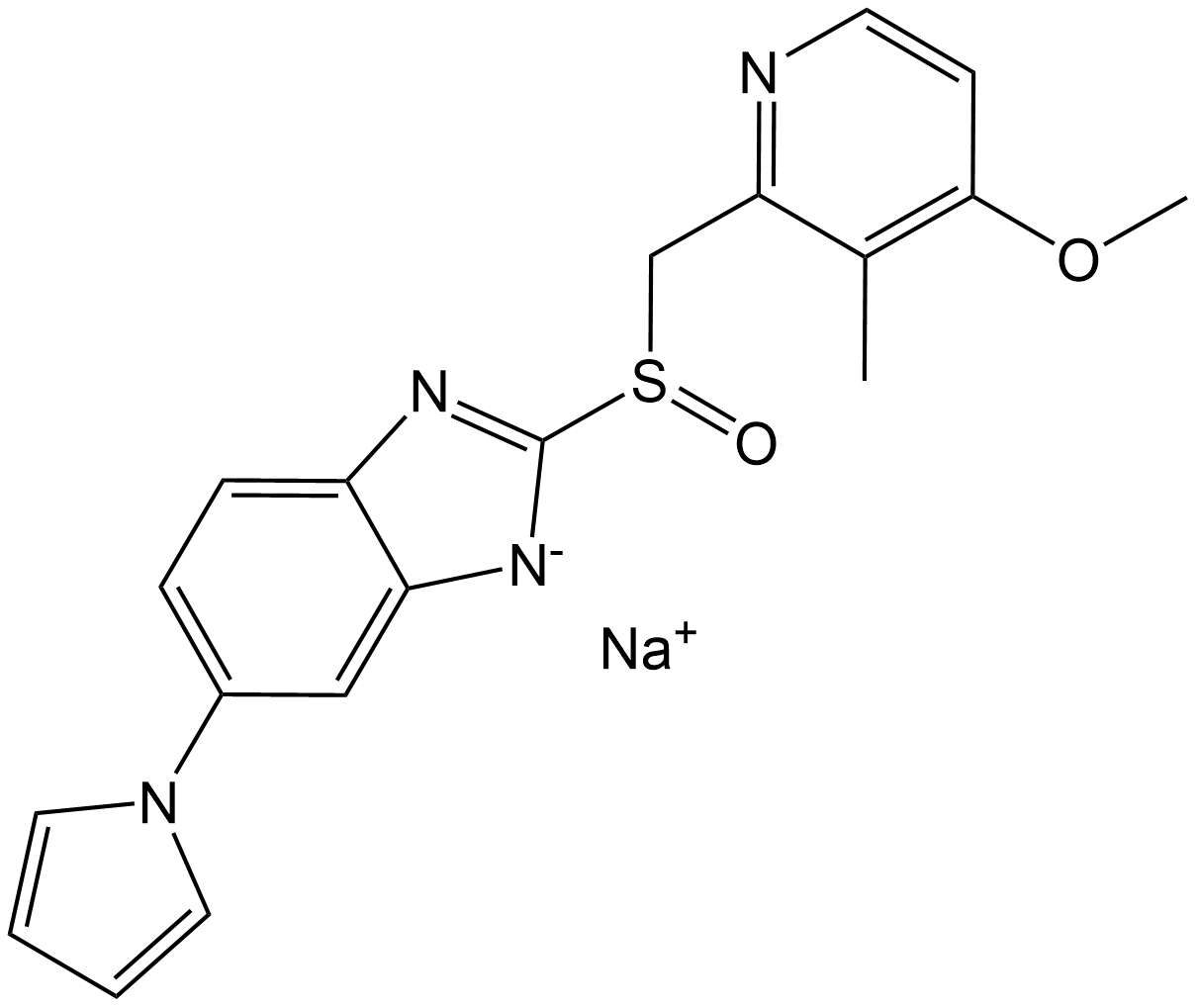 C8804 Ilaprazole sodiumSummary: Ilaprazole sodium is a benzimidazole-derived proton pump inhibitor targeting gastric H+/K+-ATPase and TOPK, utilized in gastric acid biology, epithelial physiology, and oncology research.
 -
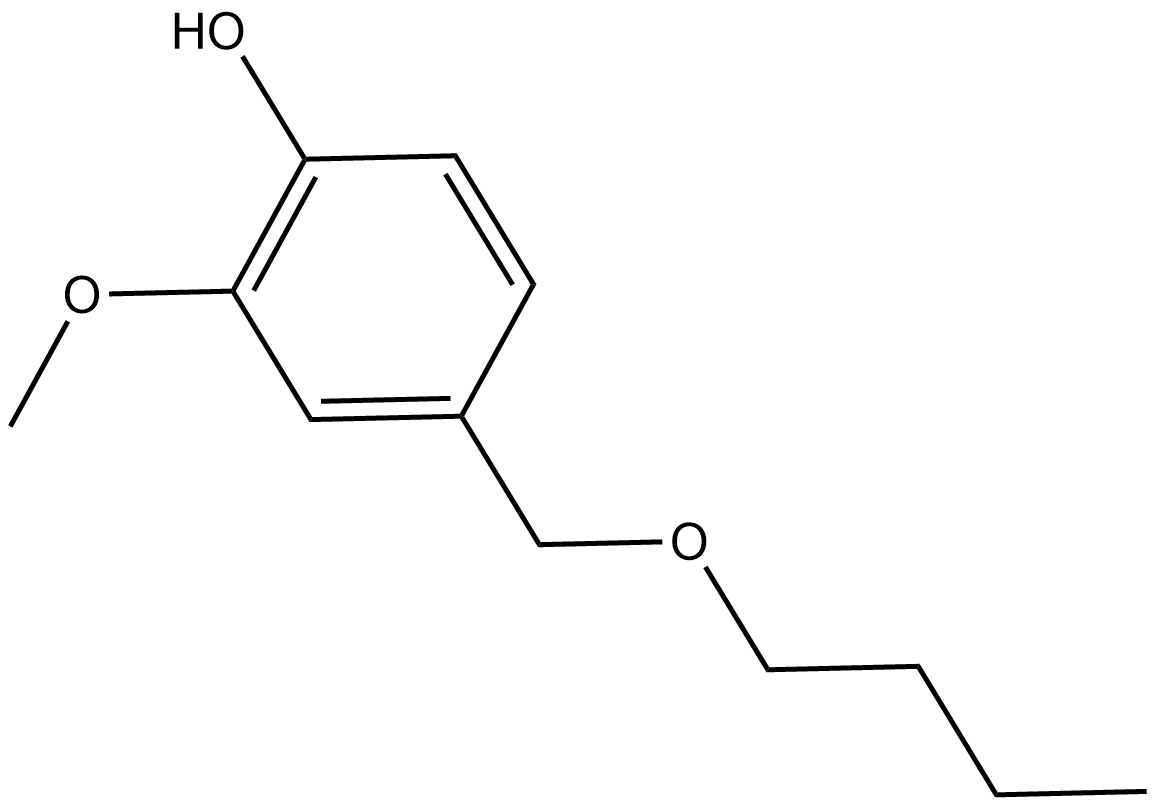 C8826 Vanillyl Butyl EtherSummary: Vanillyl Butyl Ether is a vanilloid analog that activates TRPV1 signaling and is utilized in sensory neurobiology and thermoreception mechanism research.
 -
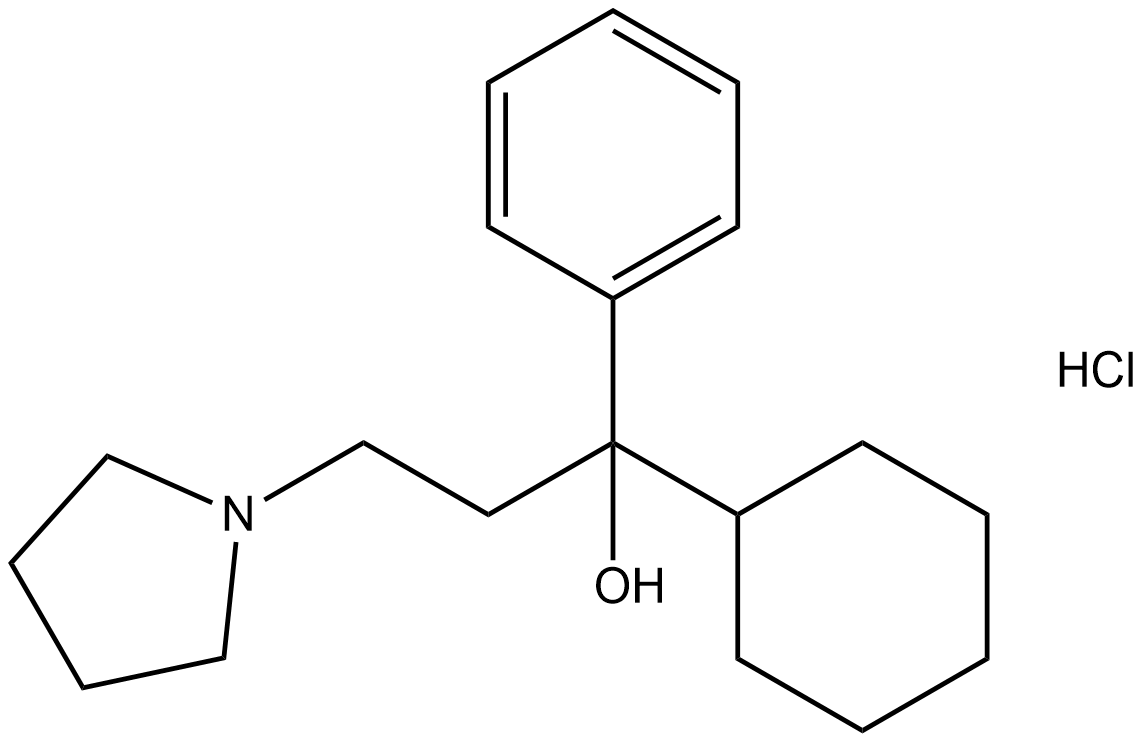 C8832 Procyclidine HClSummary: Procyclidine HCl is a synthetic anticholinergic muscarinic receptor antagonist used as a pharmacological probe in cholinergic signaling and neuropharmacology research.
 -
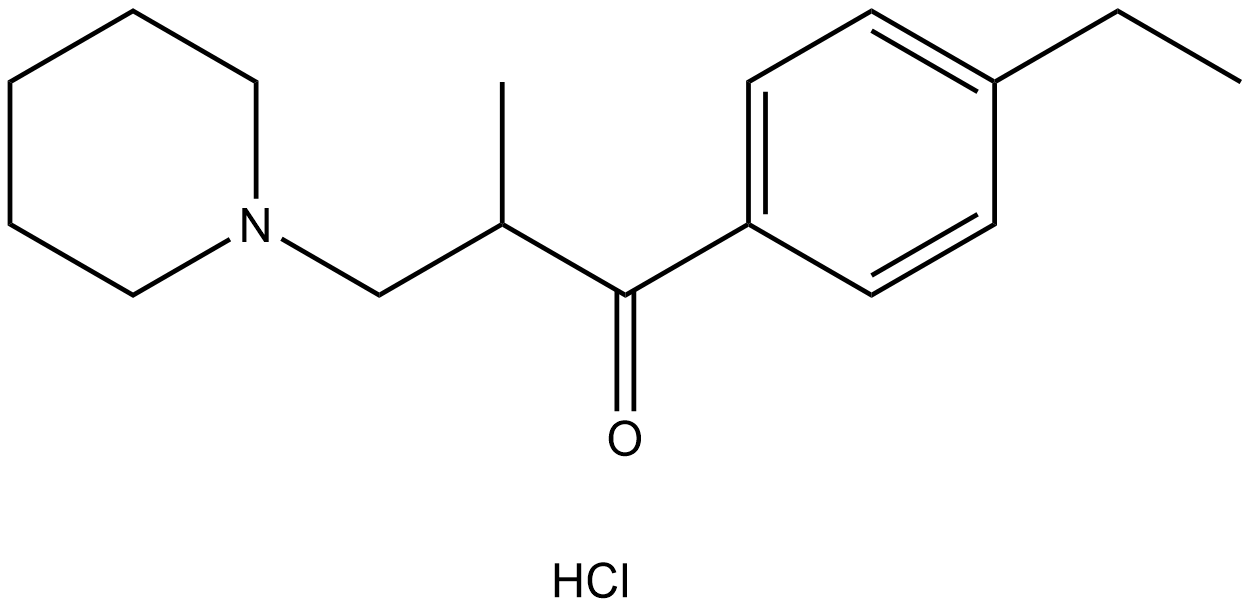 C8846 Eperisone hydrochlorideSummary: Eperisone hydrochloride is a centrally acting antispasmodic compound modulating spinal polysynaptic reflex pathways, widely utilized in neuropharmacology and neuromuscular signaling research.
 -
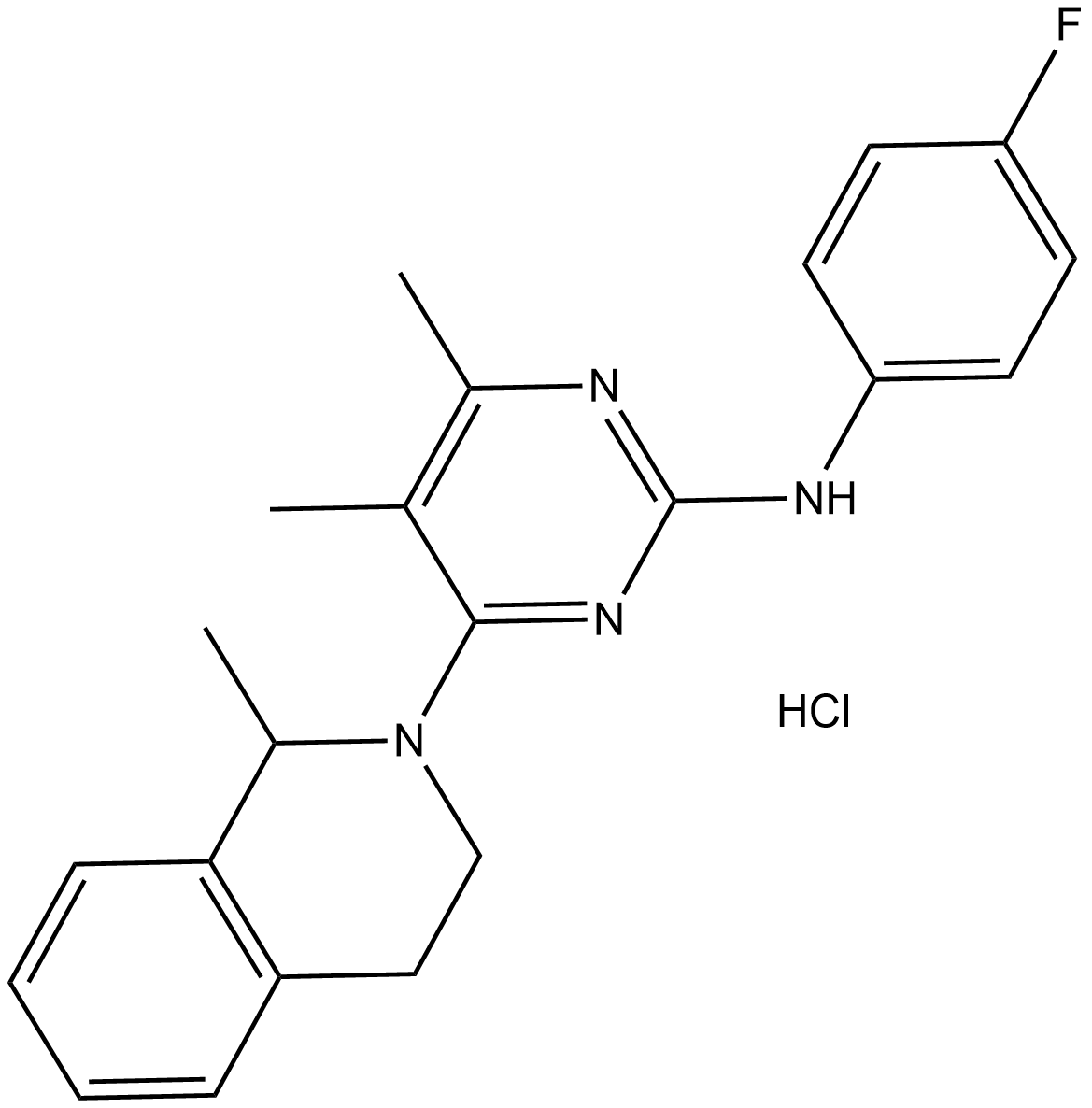 C8852 Revaprazan HydrochlorideSummary: Revaprazan Hydrochloride is a potassium-competitive acid blocker targeting gastric H?/K?-ATPase, utilized as a pharmacological tool in gastrointestinal physiology and acid-secretion research.