


Membrane Transporter/Ion Channel
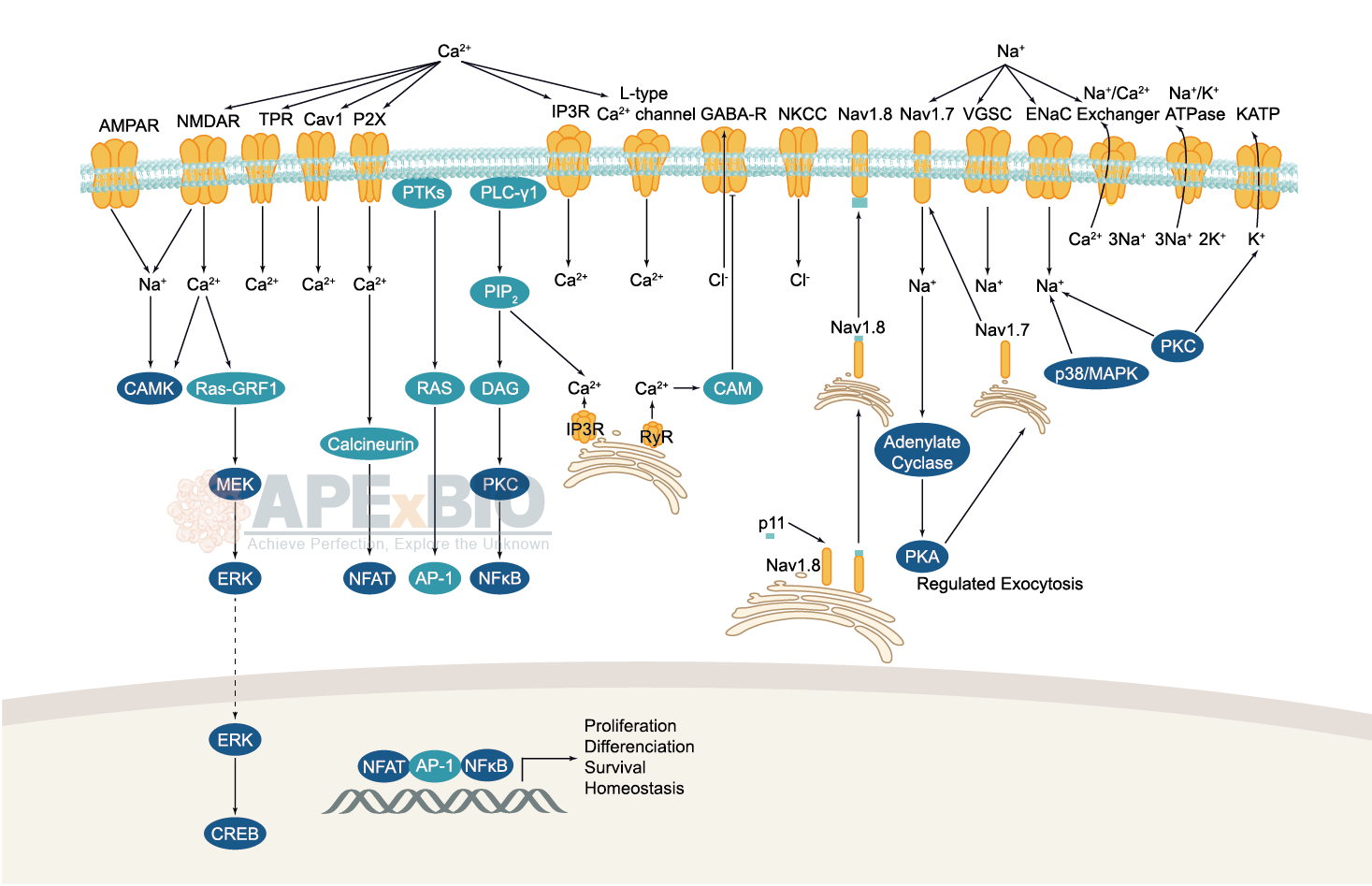
Membrane Transporters mediate the movement of ions and molecules via binding and moving the substance across the membrane. There are two main actions of transporter: facilitated diffusion (passive transport) and active transport. Membrane transporters which bind the hydrolysis of ATP to the transport of target molecules are referred to as ATPases. For instance, Na+,K+-ATPases or Na+,K+-pumps are responsible for the transport of Na+ out of and K+ into cells.
Ion channels are pore-forming membrane proteins which allow the flow of ions across the membrane. The ion channels can be broadly grouped into six families including calcium channels, chloride channels, potassium channels, sodium channels, gap junction proteins and porins. Not all ion channels are gated, such as certain type of K+ and Cl– channels, transient receptor potential superfamily of cation channels, the ryanodine receptors and the IP3 receptors, but most Na+, K+, Ca2+ and some Cl– channels are all gated by voltage. Ligand-gated channels are regulated in response to ligand binding (e.g. neurotransmitters signaling). These ligand-gated neurotransmitter receptors are known as ionotropic receptors. Various neurotransmitters couple to ionotropic receptors such as glutamate, acetylcholine, glycine, GABA, and serotonin.
-
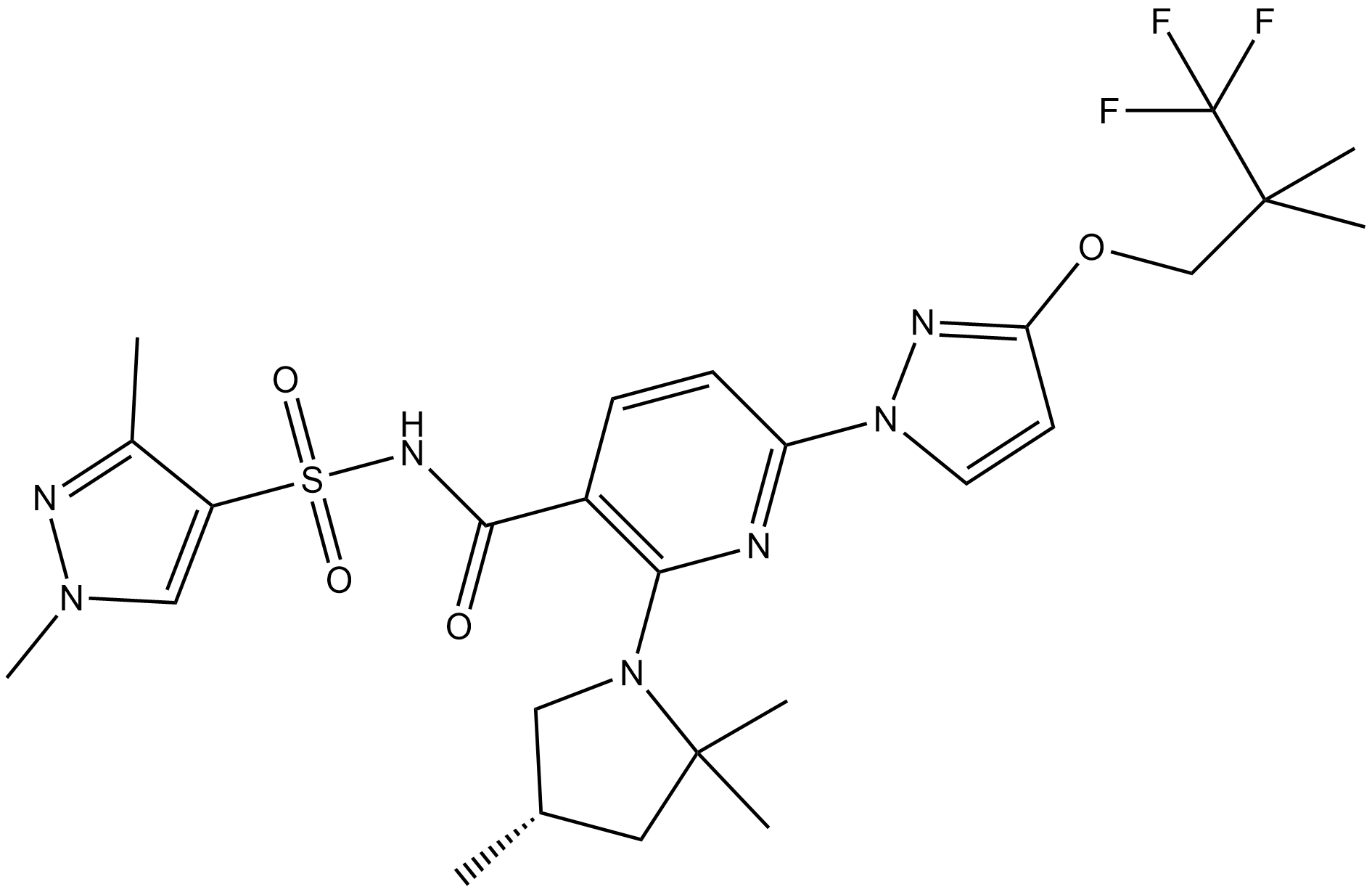 C8980 Elexacaftor (VX-445)Summary: Elexacaftor (VX-445; CAS 2216712-66-0) is a CFTR corrector modulating F508del-CFTR processing and trafficking, widely utilized in cystic fibrosis mechanism and ion-channel biology research.
 -
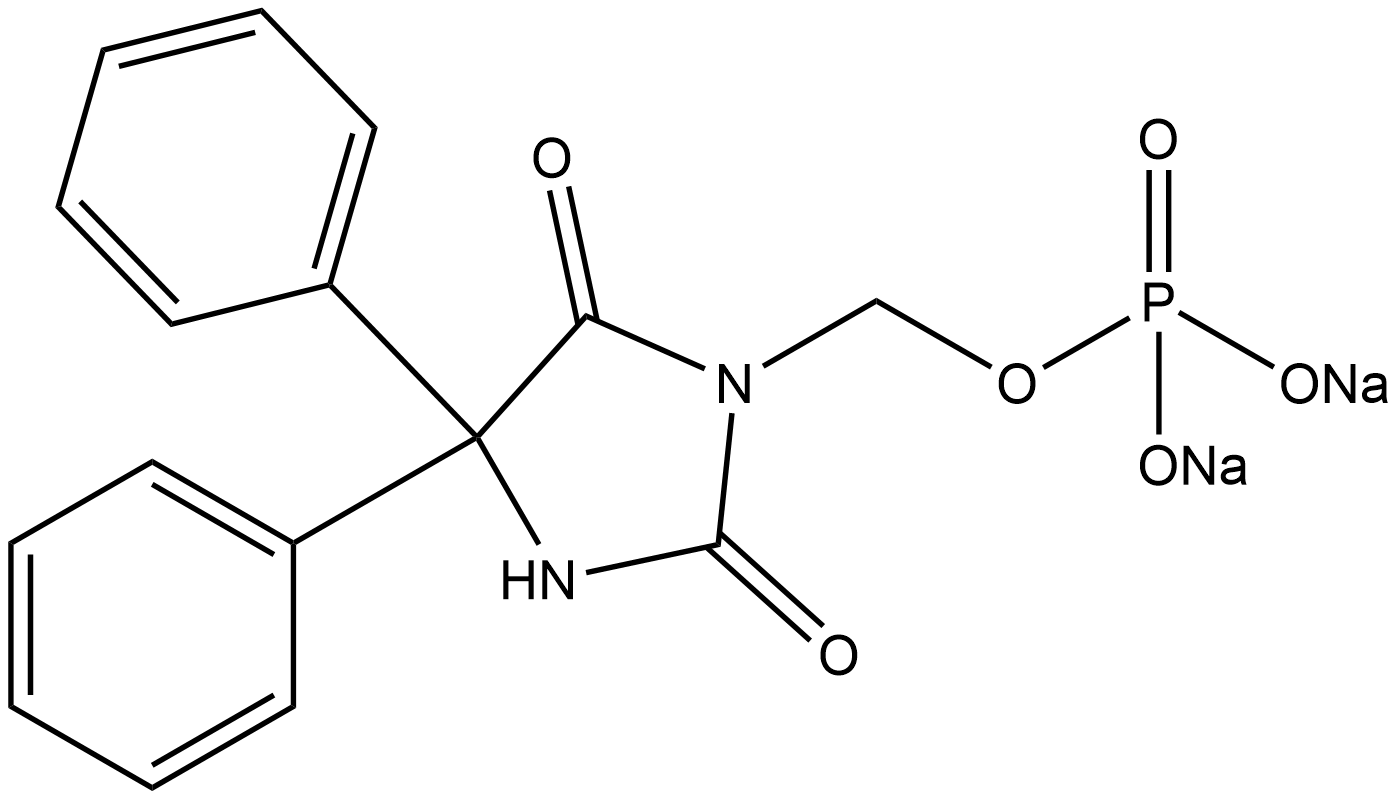 C9020 Fosphenytoin (disodium)Summary: Fosphenytoin (disodium) is a water-soluble phenytoin prodrug modulating voltage-gated sodium channels, widely utilized in neuropharmacology and neuronal excitability research.
 -
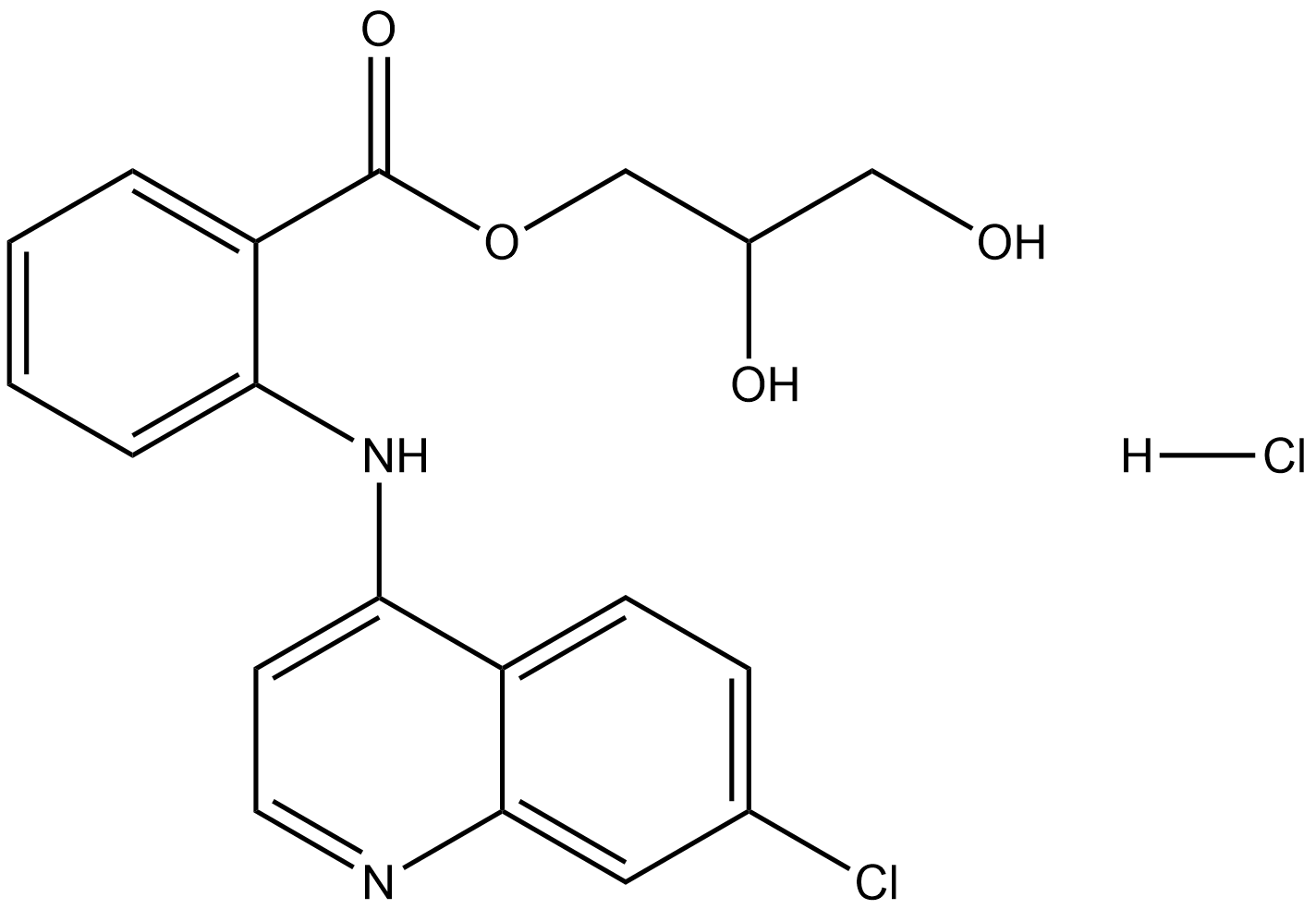 C9022 Glafenine HClSummary: Glafenine HCl is a fenamate-derived nonsteroidal anti-inflammatory compound used as a pharmacological tool in cyclooxygenase signaling and inflammation-related biochemical research.
 -
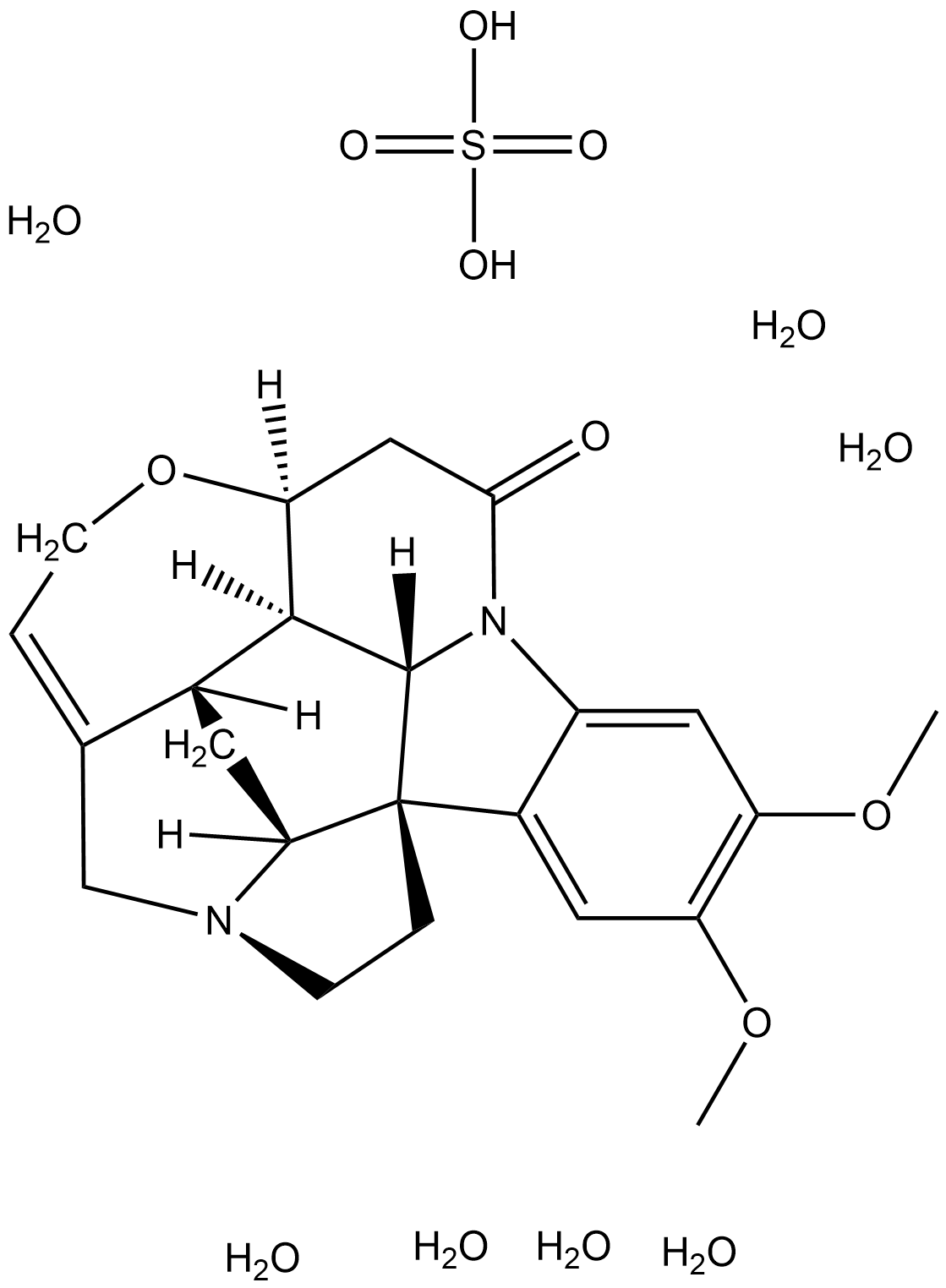 C9033 Brucine sulfate heptahydrateSummary: Brucine sulfate heptahydrate is a strychnos alkaloid and glycine receptor antagonist used as a biochemical probe in neuropharmacology and receptor signaling research.
 -
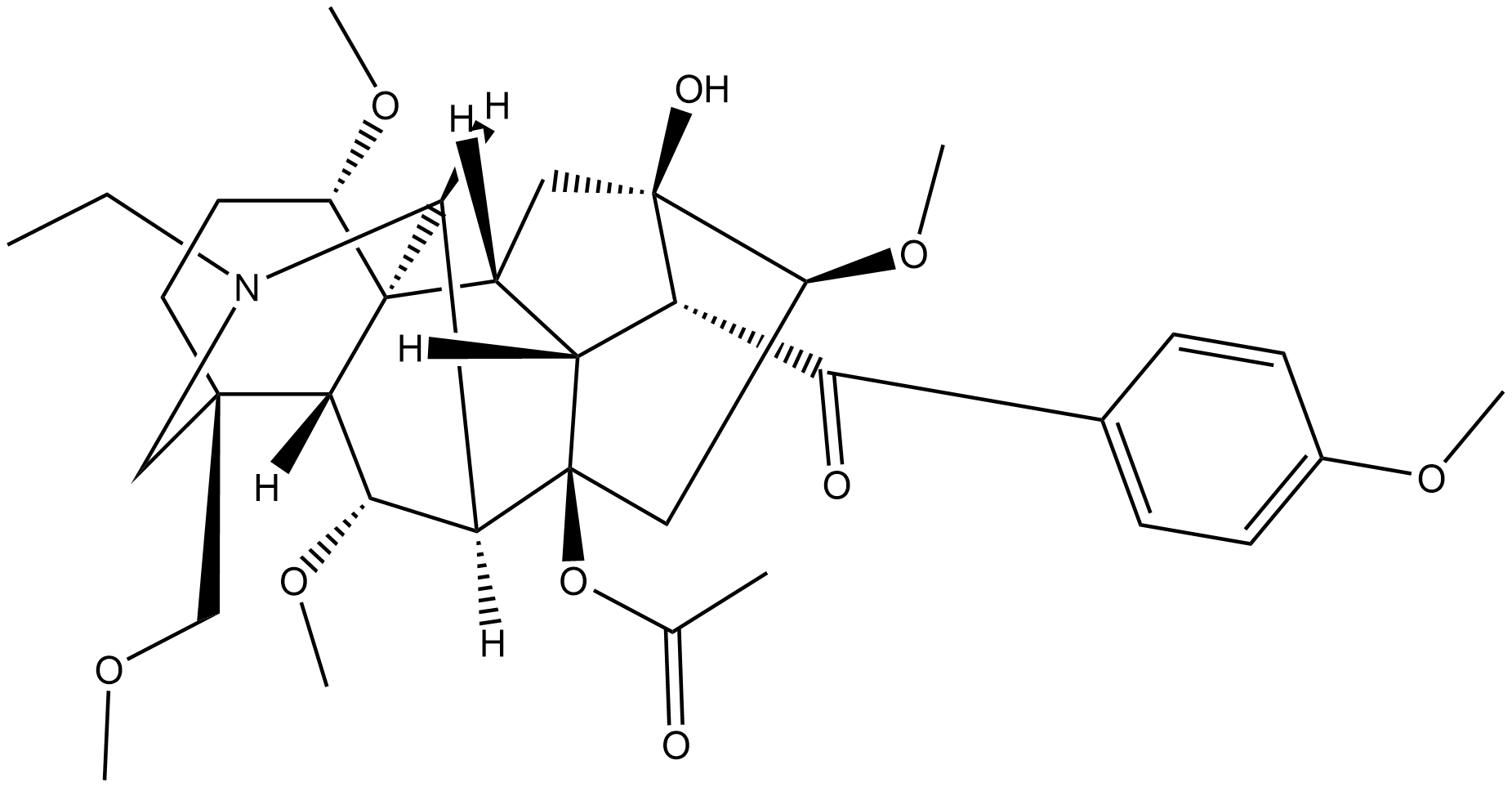 N2908 Bulleyaconi cine ASummary: Bulleyaconi cine A is a diterpenoid alkaloid investigated for modulation of voltage-gated sodium channels in neuropharmacology and pain-signaling mechanism research.
 -
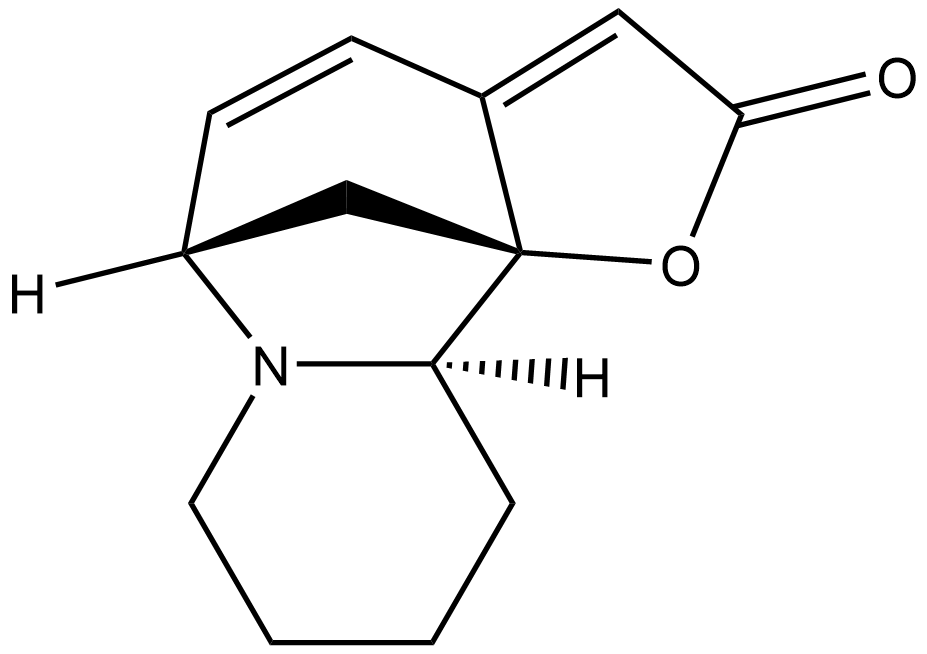 N2910 SecurinineSummary: Securinine is a plant-derived GABA_A receptor antagonist modulating inhibitory neurotransmission, widely utilized as a pharmacological probe in neuropharmacology and synaptic signaling research.
 -
 BA8418 CrocetinSummary: Crocetin (Transcrocetin) is extracted from saffron.
 -
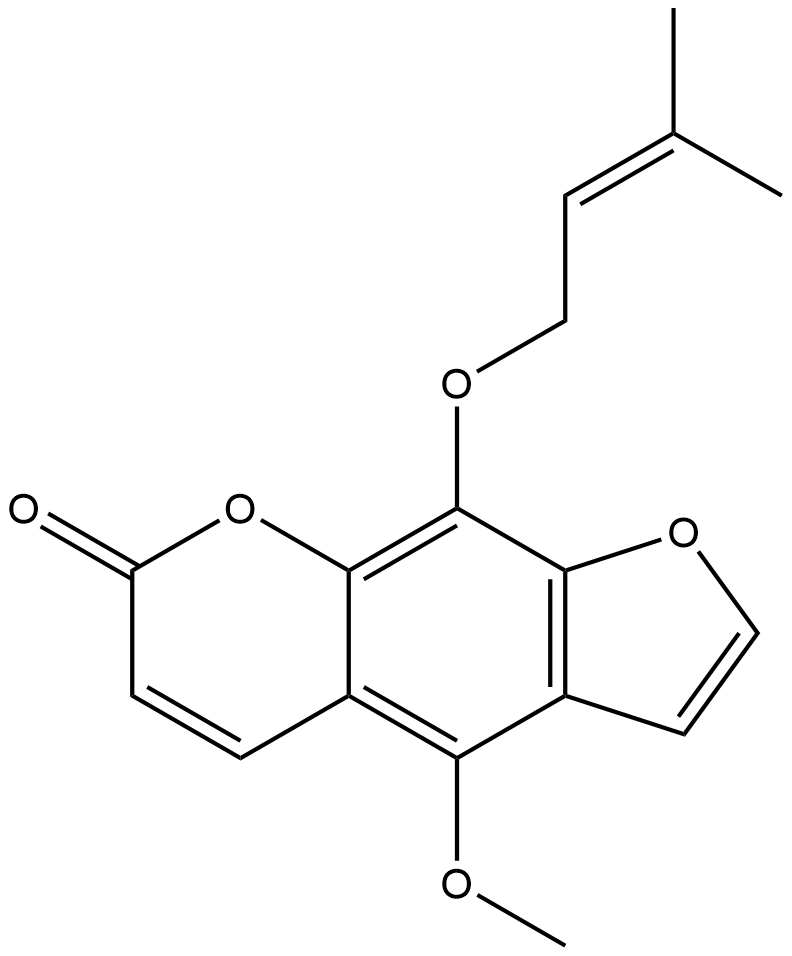 BA8685 PhellopterinSummary: An orally active furocoumarin that acts as a partial agonist of central benzodiazepine receptors, with anti-inflammatory activity via SIRT1 upregulation
 -
BA3536 ElobixibatSummary: Elobixibat (A3309; AZD7806) is an orally effective inhibitor with values of 0.53 nM (human IBAT), 0.13 nM (mouse IBAT), and 5.8 nM (canine IBAT), respectively.
-
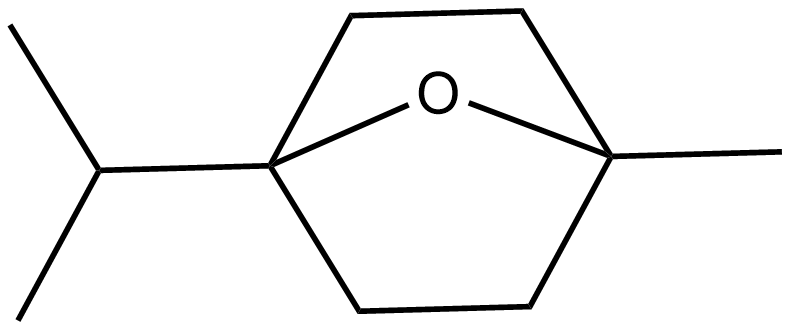 N2917 1,4-CineoleSummary: 1,4-Cineole is a monoterpene oxide investigated for modulating inflammatory and oxidative stress signaling pathways in pharmacology, toxicology, and cellular mechanism research.