Indole-2-carboxylic acid
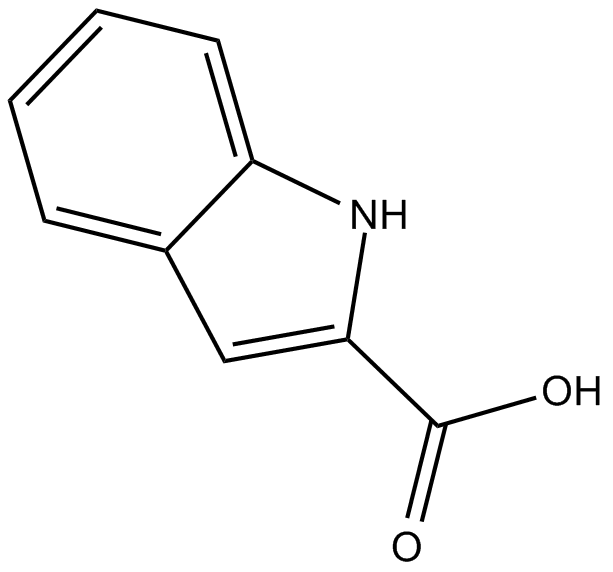





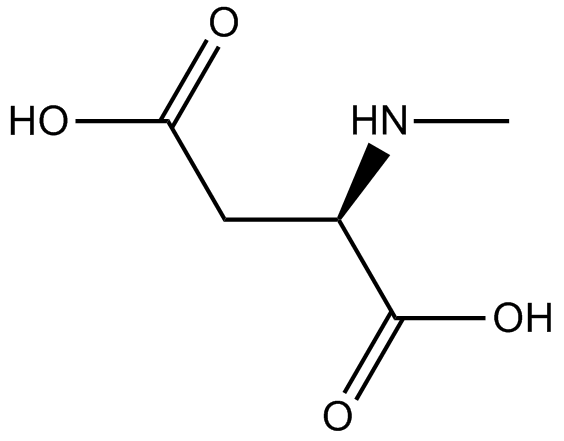
Indole-2-carboxylic acid (CAS No.: 1477-50-5) is an indole-derived small molecule widely utilized in biochemical and pharmacological research as a multi-target modulator of neuronal signaling and viral enzyme activity. It functions as a competitive antagonist at the glycine co-agonist site of the N-methyl-D-aspartate receptor, selectively inhibiting glycine-mediated potentiation of receptor currents and thereby providing a valuable tool for dissecting excitatory neurotransmission and receptor regulation mechanisms. In parallel, this compound exhibits inhibitory activity against HIV-1 integrase, where it interferes with strand transfer processes through coordination with active-site metal ions and interactions within hydrophobic regions of the enzyme, supporting its use in mechanistic studies of viral DNA integration. Indole-2-carboxylic acid has also been associated with antioxidant effects, including suppression of lipid peroxidation, making it relevant for investigating oxidative stress and neuronal injury pathways. Its in vitro activity is typically observed in the low micromolar range, consistent with modulation of receptor-ligand interactions and enzyme function. Consequently, it is frequently employed in cellular and biochemical assay systems to study excitotoxicity, neurodegeneration-related signaling, and antiviral target validation, with experimental concentrations adjusted according to specific model systems and study objectives.
| Physical Appearance | Solid |
| Storage | -20°C |
| M.Wt | 161.16 |
| Cas No. | 1477-50-5 |
| Formula | C9H7NO2 |
| Solubility | ≥32 mg/mL in DMSO |
| Chemical Name | 1H-indole-2-carboxylic acid |
| Canonical SMILES | O=C(C1=CC(C=CC=C2)=C2N1)O |
| Shipping Condition | Small Molecules with Blue Ice, Modified Nucleotides with Dry Ice. |
| General tips | We do not recommend long-term storage for the solution, please use it up soon. |