


Magnesium oxide
Magnesium oxide (CAS No.: 1309-48-4) is an inorganic basic oxide widely utilized in biomedical research as a regulator of extracellular and intracellular ionic balance and pH conditions. Functionally, it acts as a source of magnesium ions, which are essential cofactors in numerous enzymatic reactions and play critical roles in cellular processes including proliferation, energy metabolism, nucleic acid synthesis, and signal transduction pathways. By modulating magnesium ion availability, Magnesium oxide indirectly influences pathways such as kinase-mediated signaling, ATP-dependent enzymatic activity, and ion channel regulation, thereby serving as a useful tool for studying magnesium-dependent cellular mechanisms and metabolic homeostasis. In vitro, its biological effects are typically observed across concentration ranges that alter ionic strength and buffering capacity rather than through direct receptor binding, with activity dependent on dissolution and local environmental conditions. It is frequently incorporated into cell culture systems to adjust medium composition or to model magnesium deficiency-associated metabolic disturbances, and is also employed in formulation research as a pH-modifying agent or excipient to investigate compound stability and delivery characteristics. Experimental concentrations and applications vary according to specific study designs, including cell-based assays and preclinical model systems aimed at elucidating magnesium-related physiological and biochemical processes.
| Physical Appearance | A solid |
| Storage | -20°C |
| M.Wt | 40.3 |
| Cas No. | 1309-48-4 |
| Formula | MgO |
| Solubility | Soluble in DMSO |
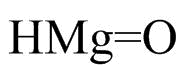
| Canonical SMILES | [HMg=O] |
| Shipping Condition | Small Molecules with Blue Ice, Modified Nucleotides with Dry Ice. |
| General tips | We do not recommend long-term storage for the solution, please use it up soon. |