


Membrane Transporter/Ion Channel
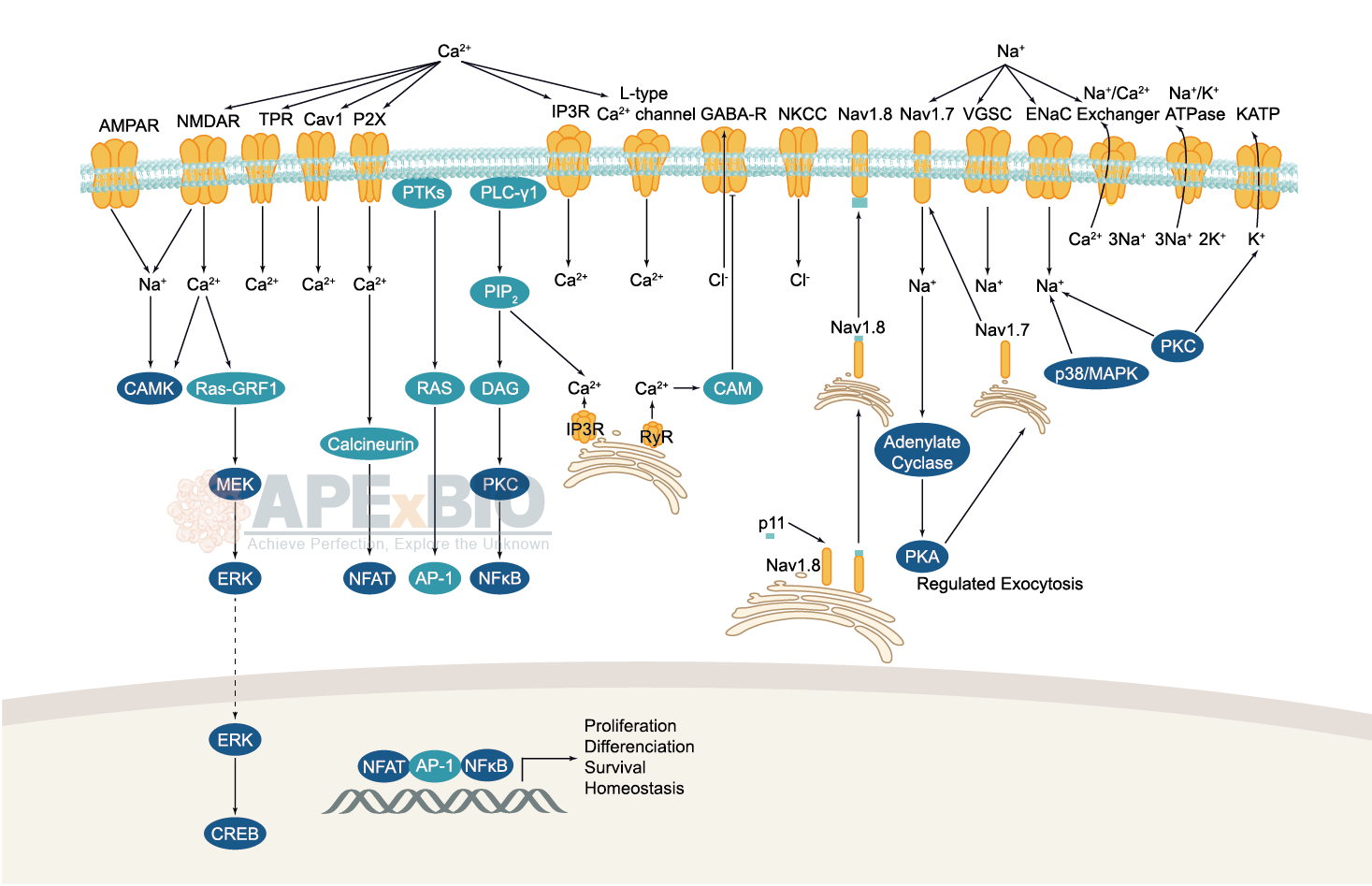
Membrane Transporters mediate the movement of ions and molecules via binding and moving the substance across the membrane. There are two main actions of transporter: facilitated diffusion (passive transport) and active transport. Membrane transporters which bind the hydrolysis of ATP to the transport of target molecules are referred to as ATPases. For instance, Na+,K+-ATPases or Na+,K+-pumps are responsible for the transport of Na+ out of and K+ into cells.
Ion channels are pore-forming membrane proteins which allow the flow of ions across the membrane. The ion channels can be broadly grouped into six families including calcium channels, chloride channels, potassium channels, sodium channels, gap junction proteins and porins. Not all ion channels are gated, such as certain type of K+ and Cl– channels, transient receptor potential superfamily of cation channels, the ryanodine receptors and the IP3 receptors, but most Na+, K+, Ca2+ and some Cl– channels are all gated by voltage. Ligand-gated channels are regulated in response to ligand binding (e.g. neurotransmitters signaling). These ligand-gated neurotransmitter receptors are known as ionotropic receptors. Various neurotransmitters couple to ionotropic receptors such as glutamate, acetylcholine, glycine, GABA, and serotonin.
-
 BA7057 LASSBio-1135Summary: LASSBio-1135 is an orally active antagonist.
 -
BA4457 ConvallatoxinSummary: Convallatoxin is a cardiac glycoside isolated from RegeletRadde.
-
BA4543 IsosteviolSummary: Isosteviol ((-)-Isosteviol) is a steviol glycoside derivative that is produced by acid-catalyzed hydrolysis of steviol glycosides.
-
BA6555 GboxinSummary: Gboxin is an oxidative phosphorylation (OXPHOS) inhibitor that targets and inhibits glioblastoma growth.
-
BA6596 NothofaginSummary: Nothofagin is a dihydrochalcone, isolated from Rudraksha.
-
BA6649 VIT-2763Summary: VIT-2763, an inhibitor of iron transport proteins with oral activity, inhibits hepcidin binding to iron transport proteins and blocks iron efflux.
-
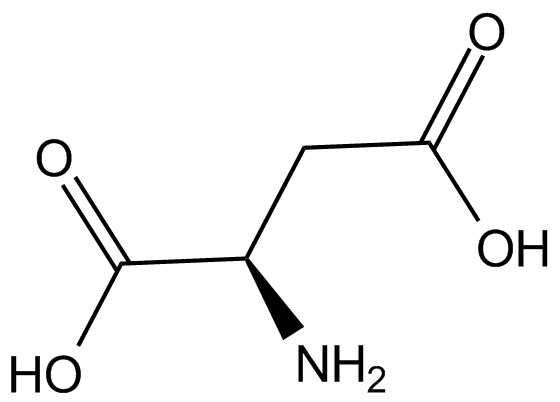 C6150 D-Aspartic acidSummary: An endogenous amino acid that regulates neurotransmission, hormone release, and inhibits cellular pyroptosis.
 -
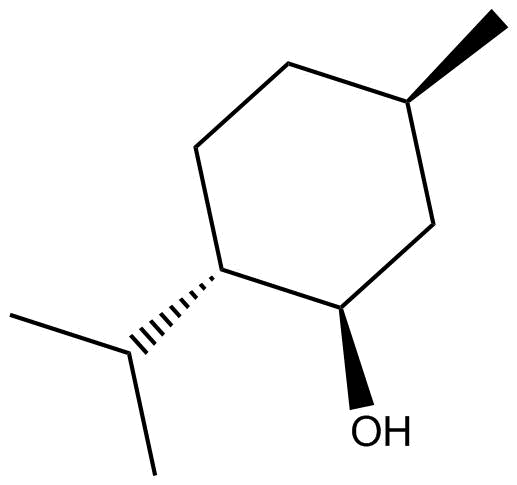 C6192 L-MentholSummary: A natural compound with a cooling sensation that can relieve minor throat discomfort.
 -
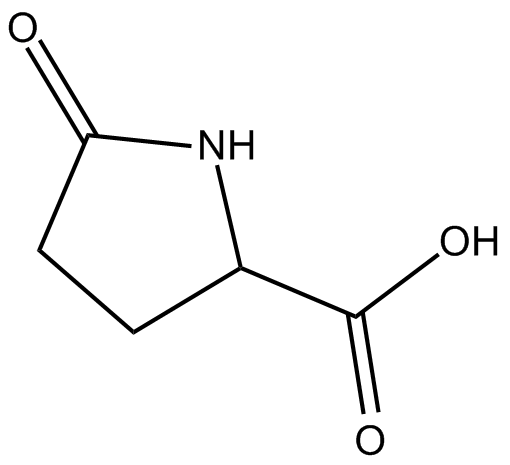 C6327 DL-Pyroglutamic acidSummary: A biomolecule capable of inactivating viruses such as hepatitis B, vaccinia, and herpes simplex.
 -
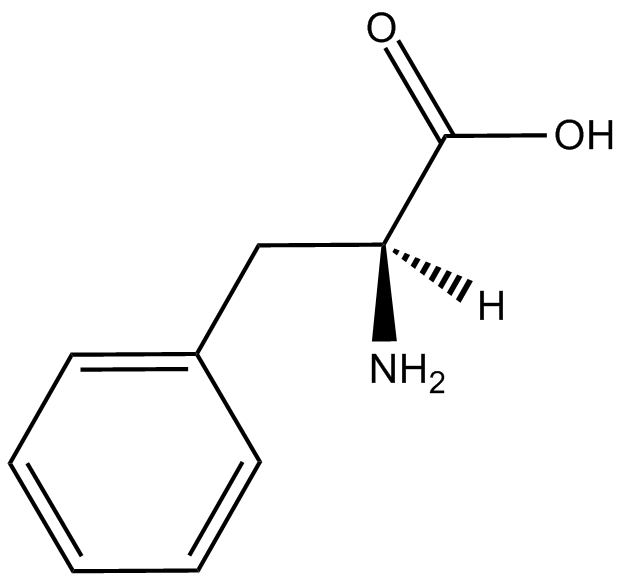 M1057 L-PhenylalanineSummary: An essential amino acid used in food flavorings, pharmaceutical production, and as a neurotransmitter precursor.