


Membrane Transporter/Ion Channel
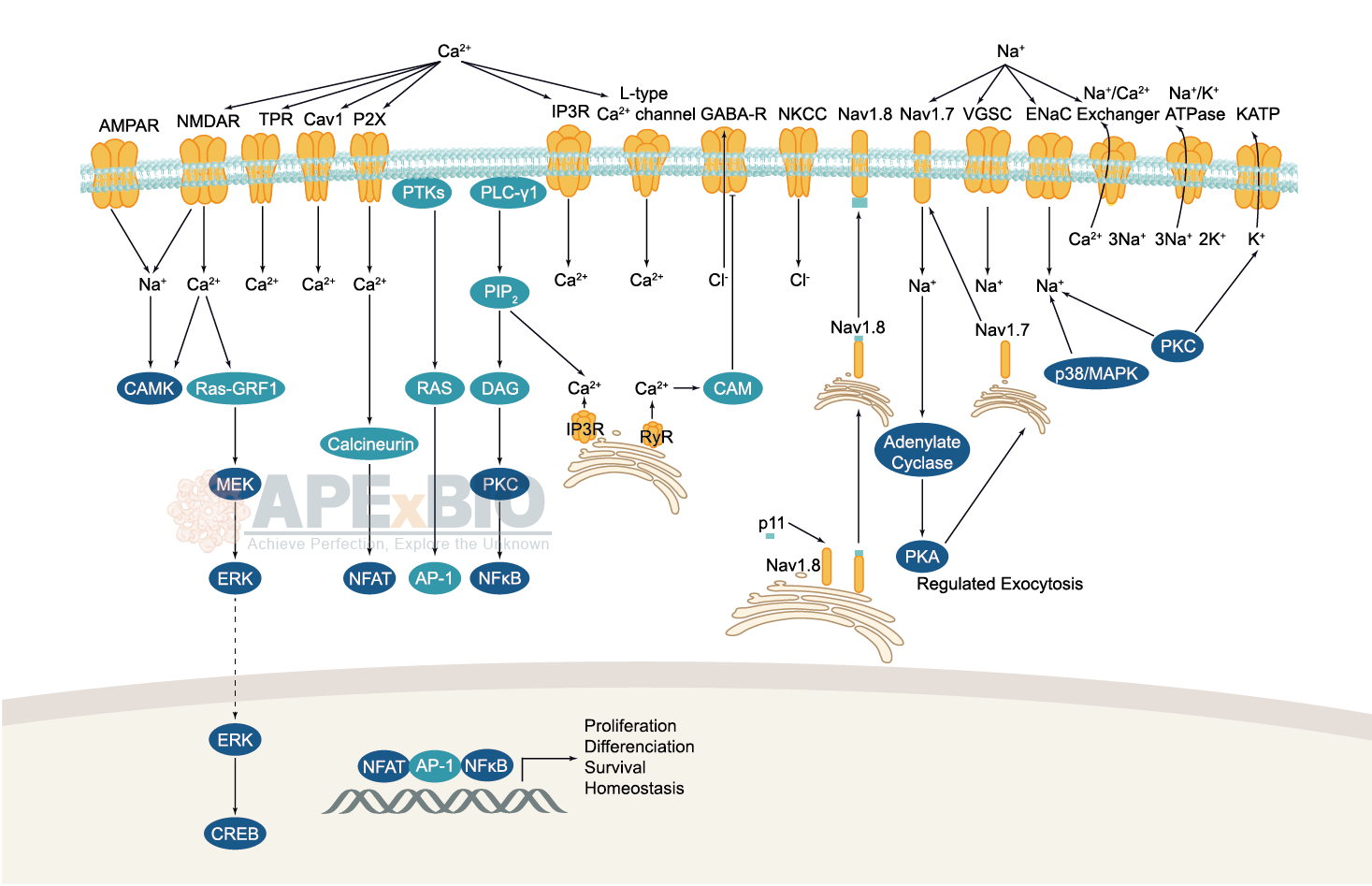
Membrane Transporters mediate the movement of ions and molecules via binding and moving the substance across the membrane. There are two main actions of transporter: facilitated diffusion (passive transport) and active transport. Membrane transporters which bind the hydrolysis of ATP to the transport of target molecules are referred to as ATPases. For instance, Na+,K+-ATPases or Na+,K+-pumps are responsible for the transport of Na+ out of and K+ into cells.
Ion channels are pore-forming membrane proteins which allow the flow of ions across the membrane. The ion channels can be broadly grouped into six families including calcium channels, chloride channels, potassium channels, sodium channels, gap junction proteins and porins. Not all ion channels are gated, such as certain type of K+ and Cl– channels, transient receptor potential superfamily of cation channels, the ryanodine receptors and the IP3 receptors, but most Na+, K+, Ca2+ and some Cl– channels are all gated by voltage. Ligand-gated channels are regulated in response to ligand binding (e.g. neurotransmitters signaling). These ligand-gated neurotransmitter receptors are known as ionotropic receptors. Various neurotransmitters couple to ionotropic receptors such as glutamate, acetylcholine, glycine, GABA, and serotonin.
-
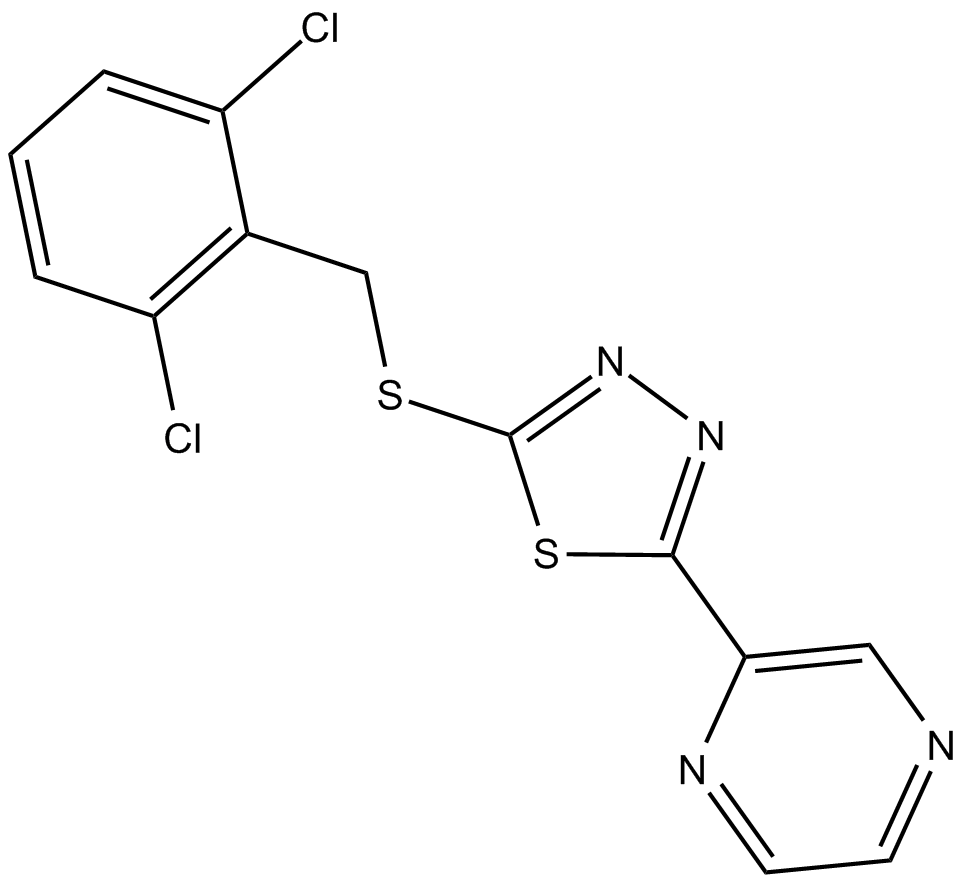 B8381 Yoda1Summary: A Piezo1 channel agonist
 -
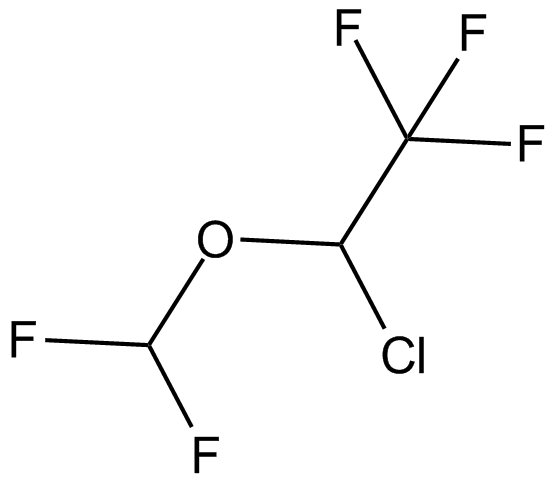 B8705 IsofluraneSummary: An inhalational anesthetic used for the induction and maintenance of general anesthesia.
 -
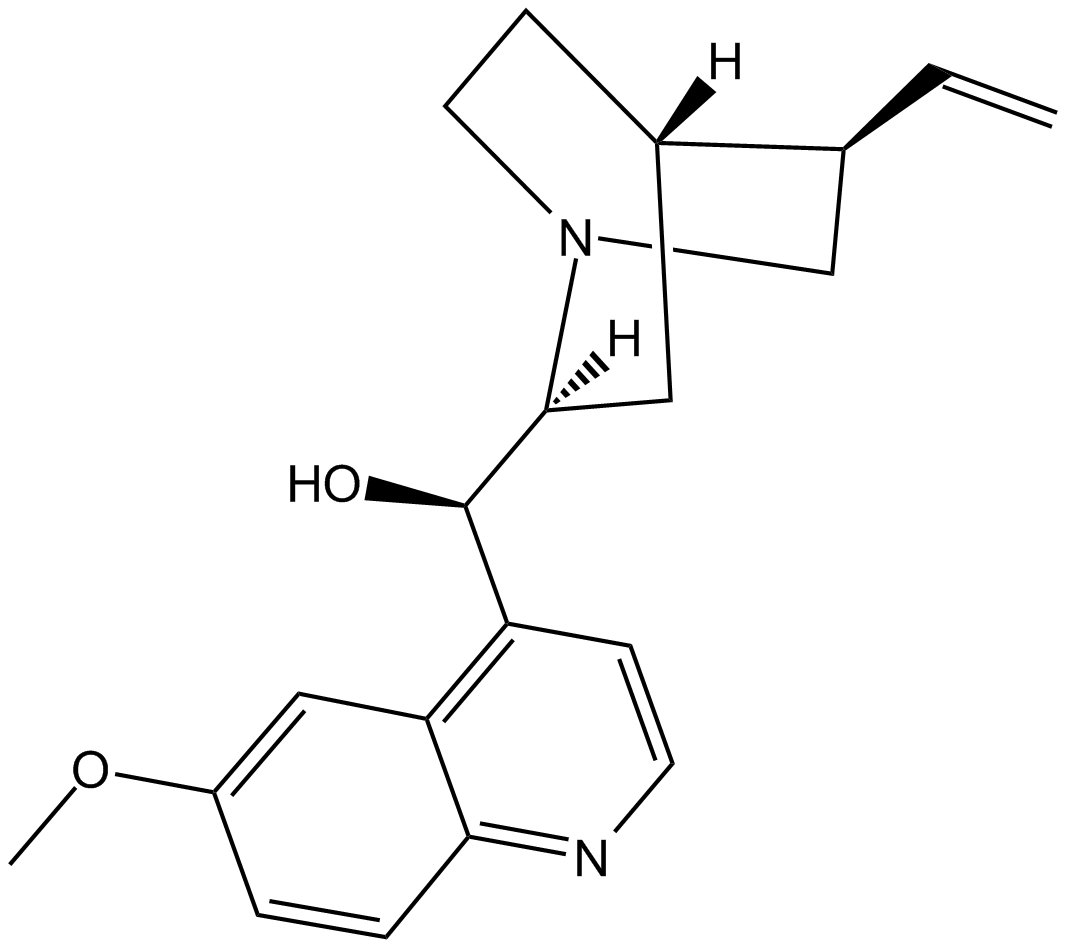 B8714 QuinineSummary: An alkaloid used to treat malaria, babesiosis, and muscle cramps.
 -
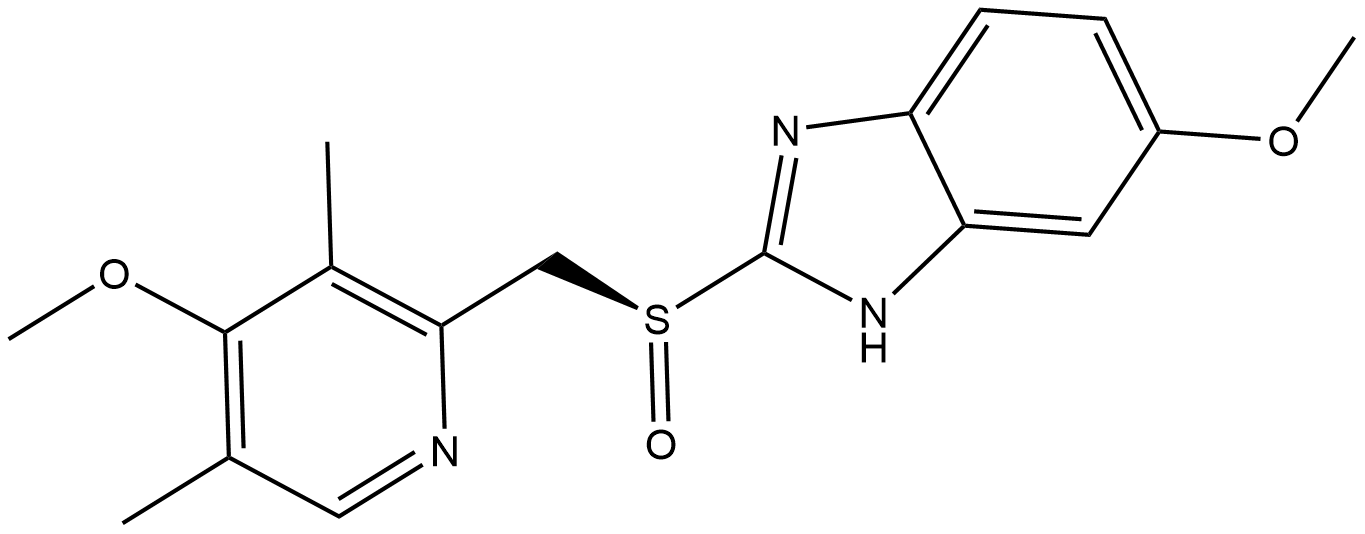 BA1285 EsomeprazoleSummary: Esomeprazole ((S)-Omeprazole) is a potent proton pump inhibitor with oral activity.
 -
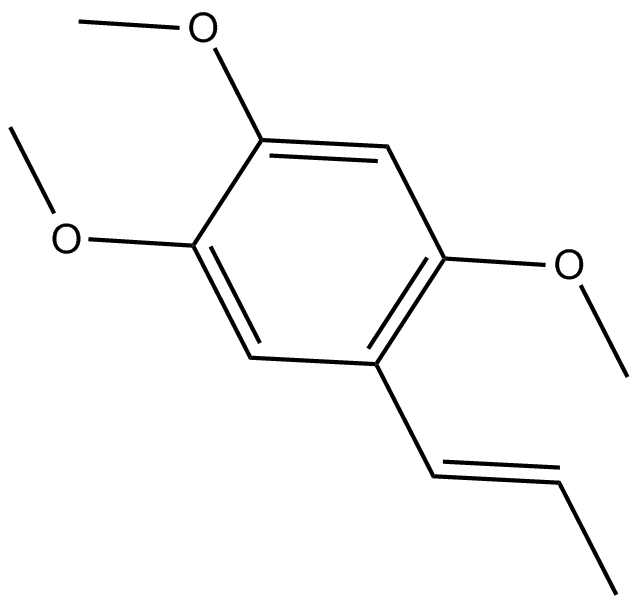 C3253 α-AsaroneSummary: A natural compound with neurotransmitter-modulating, antidepressant, and neuroprotective effects.
 -
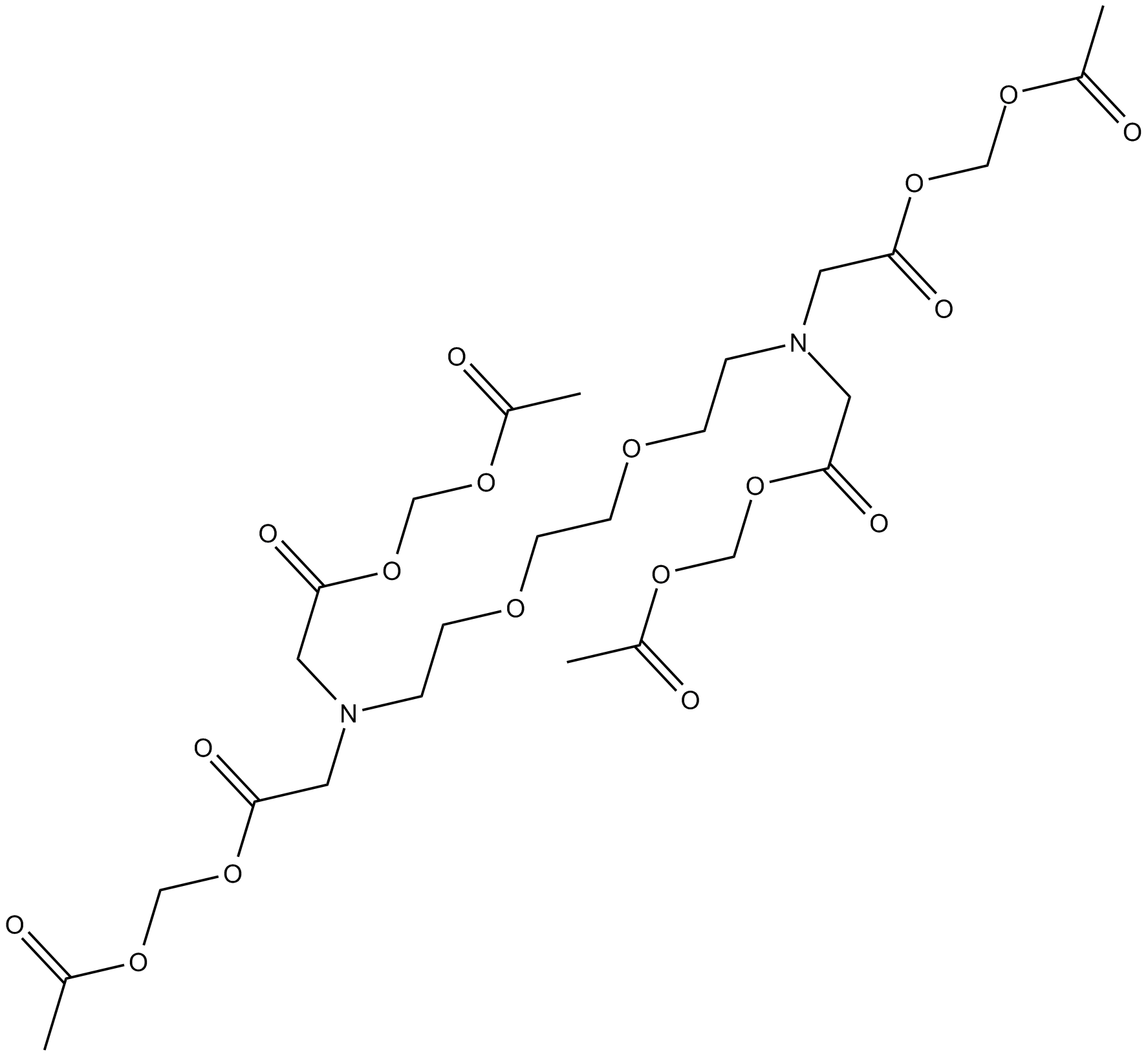 C4548 EGTA AMSummary: A calcium chelator used to regulate intracellular calcium ion concentration.
 -
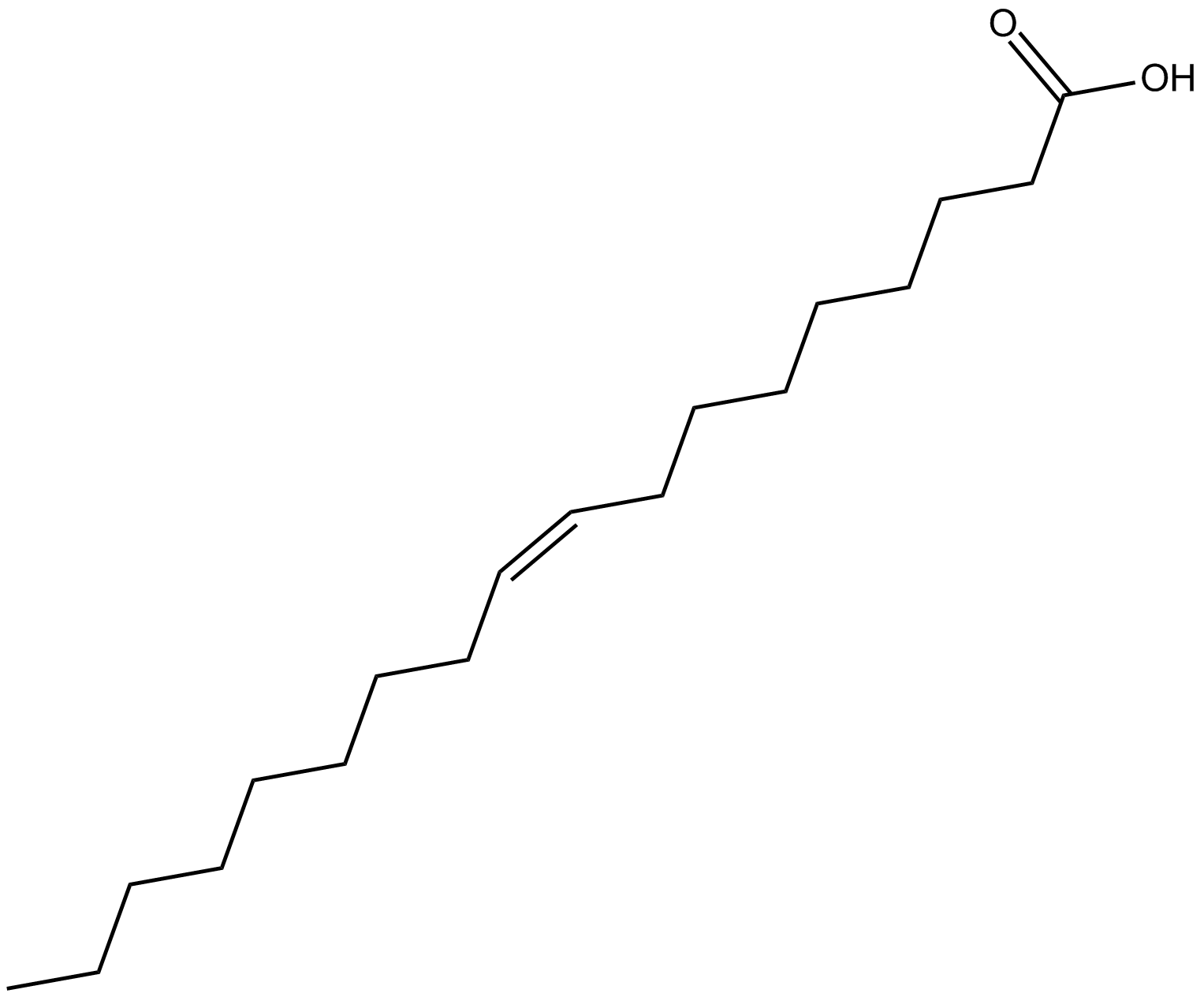 C4977 Oleic AcidSummary: A monounsaturated fatty acid
 -
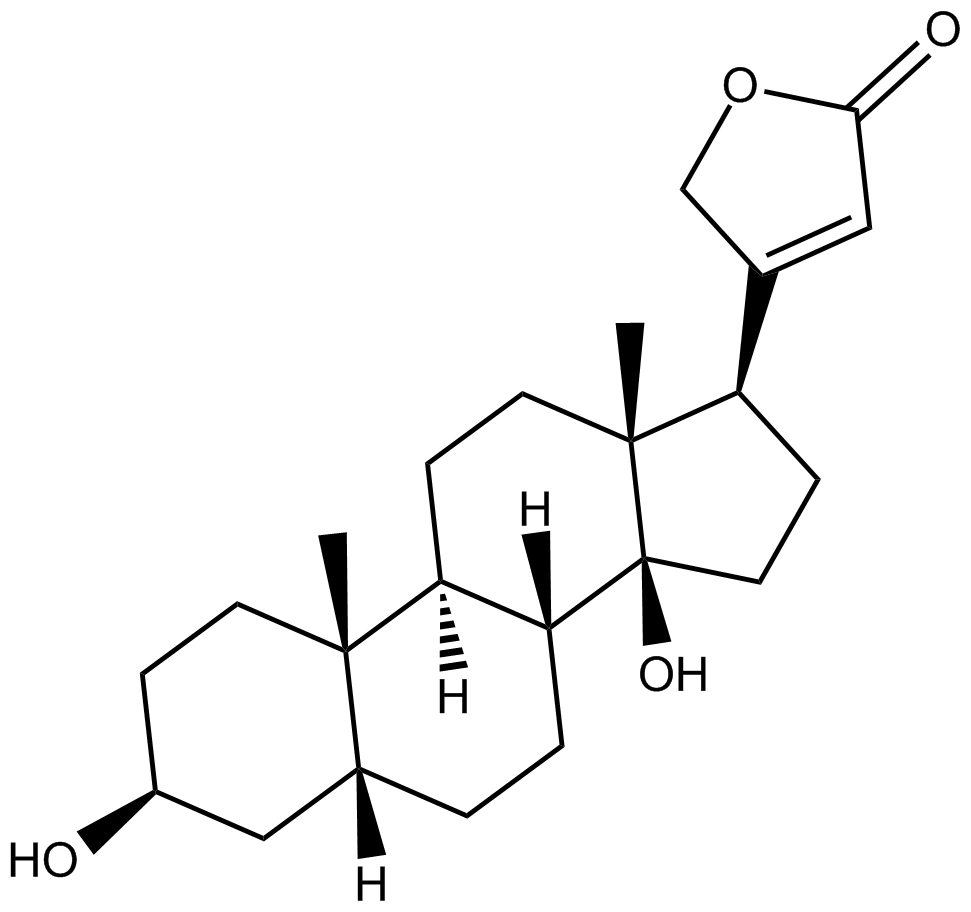 C5163 DigitoxigeninSummary: A Na+/K+ ATPase inhibitor
 -
 C8441 ZW290
 -
C8464 TWIK-1/TREK-1-IN-3