


Esomeprazole
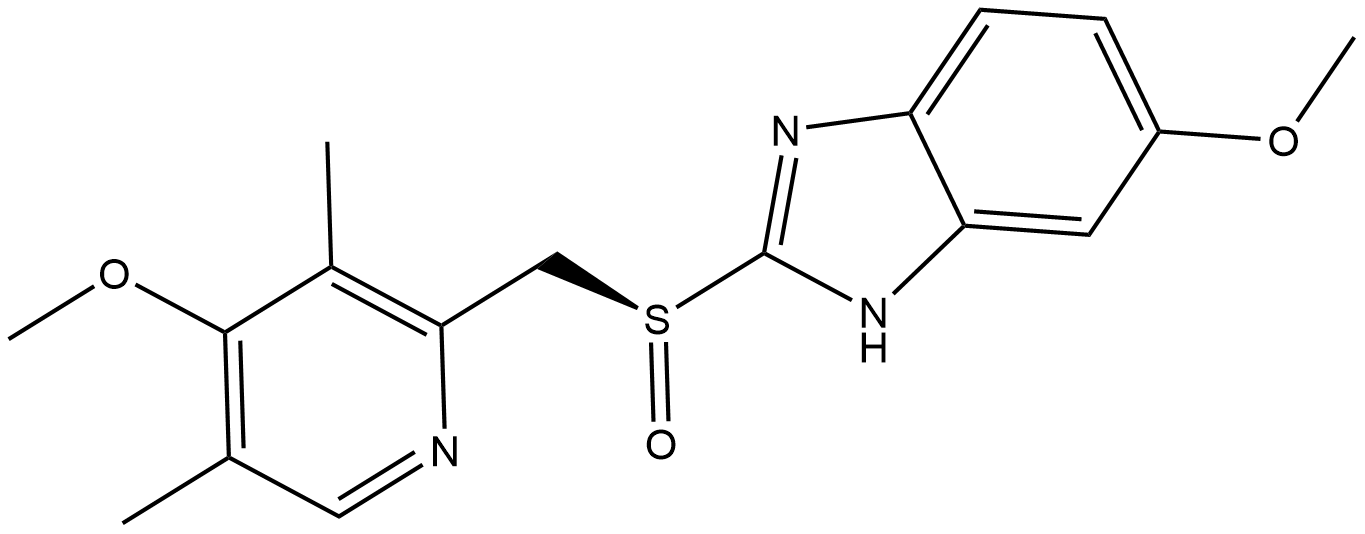
Esomeprazole (CAS No.: 119141-88-7) is a proton pump inhibitor mainly used to treat acid-related diseases such as gastroesophageal reflux disease and peptic ulcer. Its mechanism of action is to reduce gastric acid secretion by inhibiting H+/K+-ATPase in gastric parietal cells. In biomedical research, Esomeprazole has been used to study its effects on cancer cell proliferation, migration, and invasion. For example, some studies have shown that Esomeprazole can inhibit the proliferation, migration, and invasion of human cervical cancer cells SiHa and HeLa and induce apoptosis, and the mechanism may be related to inhibition of the PI3K/Akt signaling pathway. In in vitro experiments, the inhibitory effect of Esomeprazole on cancer cells is typically observed at low micromolar levels. In cell and animal models, Esomeprazole is often used to evaluate its antitumor activity and mechanism of action. The dose or concentration used in experiments usually depends on the experimental design and research objectives.
| Physical Appearance | A solid |
| Storage | -20°C |
| M.Wt | 345.42 |
| Cas No. | 119141-88-7 |
| Formula | C17H19N3O3S |
| Synonyms | (-)-Omeprazole; (S)-Omeprazole |
| Solubility | ≥53 mg/mL in DMSO; ≥51.7 mg/mL in EtOH; insoluble in H2O |
| Chemical Name | (S)-6-methoxy-2-(((4-methoxy-3,5-dimethylpyridin-2-yl)methyl)sulfinyl)-1H-benzo[d]imidazole |
| Canonical SMILES | COC1=C(C=NC(C[S@@](C2=NC3=CC=C(OC)C=C3N2)=O)=C1C)C |
| Shipping Condition | Small Molecules with Blue Ice, Modified Nucleotides with Dry Ice. |
| General tips | We do not recommend long-term storage for the solution, please use it up soon. |