


Membrane Transporter/Ion Channel
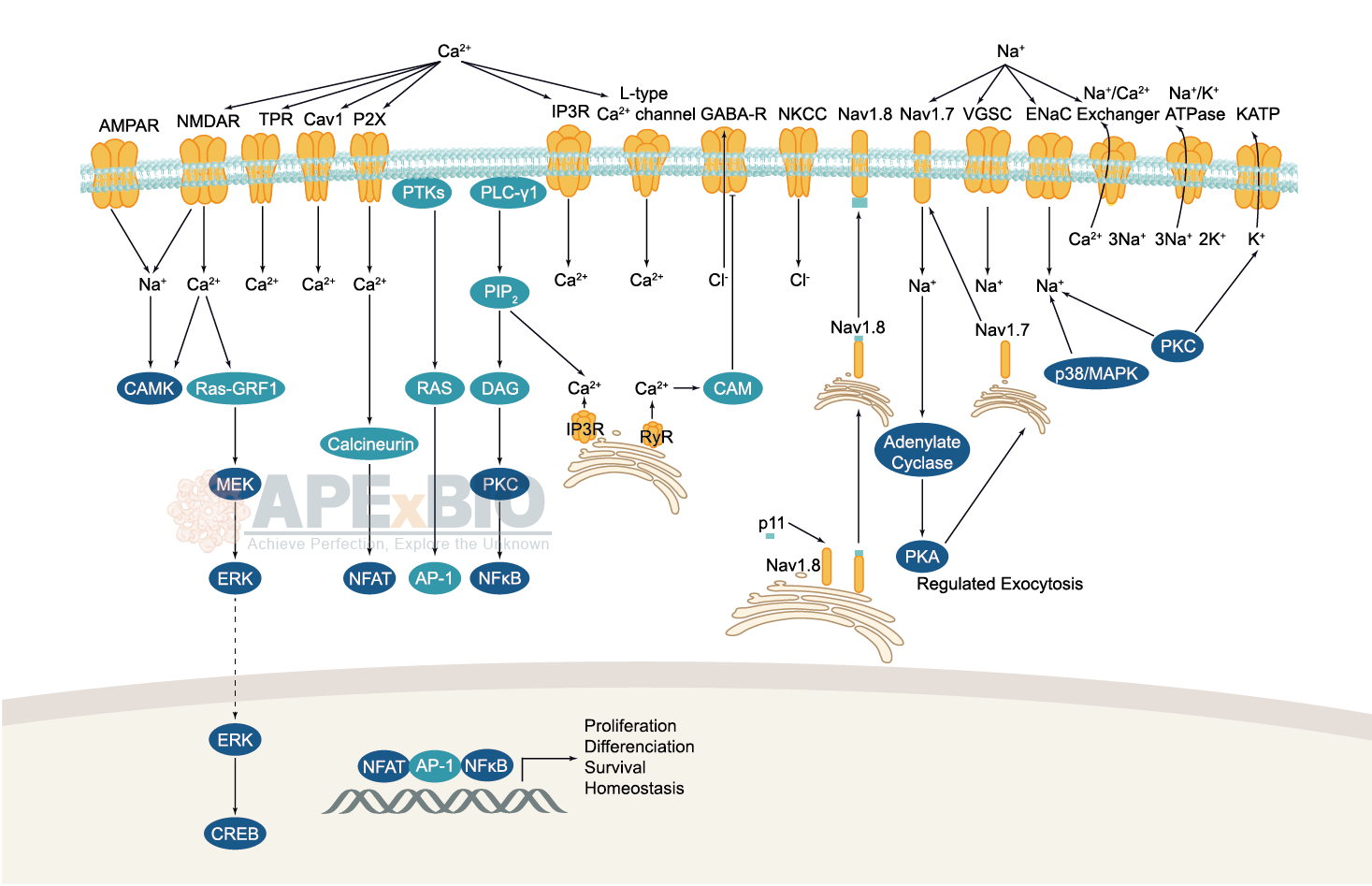
Membrane Transporters mediate the movement of ions and molecules via binding and moving the substance across the membrane. There are two main actions of transporter: facilitated diffusion (passive transport) and active transport. Membrane transporters which bind the hydrolysis of ATP to the transport of target molecules are referred to as ATPases. For instance, Na+,K+-ATPases or Na+,K+-pumps are responsible for the transport of Na+ out of and K+ into cells.
Ion channels are pore-forming membrane proteins which allow the flow of ions across the membrane. The ion channels can be broadly grouped into six families including calcium channels, chloride channels, potassium channels, sodium channels, gap junction proteins and porins. Not all ion channels are gated, such as certain type of K+ and Cl– channels, transient receptor potential superfamily of cation channels, the ryanodine receptors and the IP3 receptors, but most Na+, K+, Ca2+ and some Cl– channels are all gated by voltage. Ligand-gated channels are regulated in response to ligand binding (e.g. neurotransmitters signaling). These ligand-gated neurotransmitter receptors are known as ionotropic receptors. Various neurotransmitters couple to ionotropic receptors such as glutamate, acetylcholine, glycine, GABA, and serotonin.
-
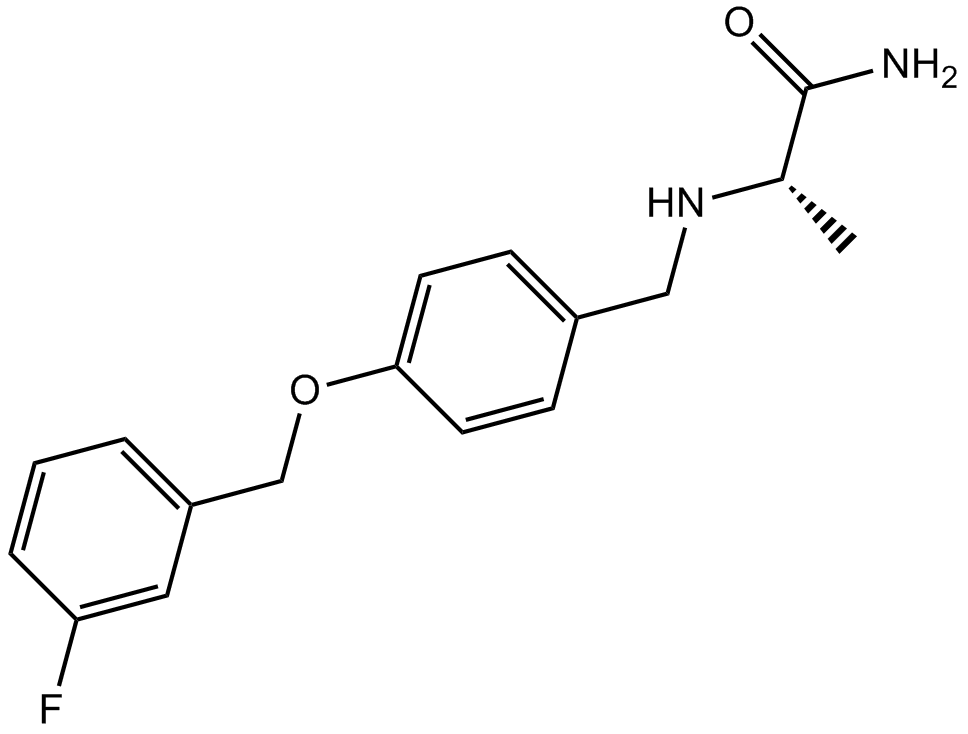 A3784 SafinamideSummary: MAO-B inhibitor
 -
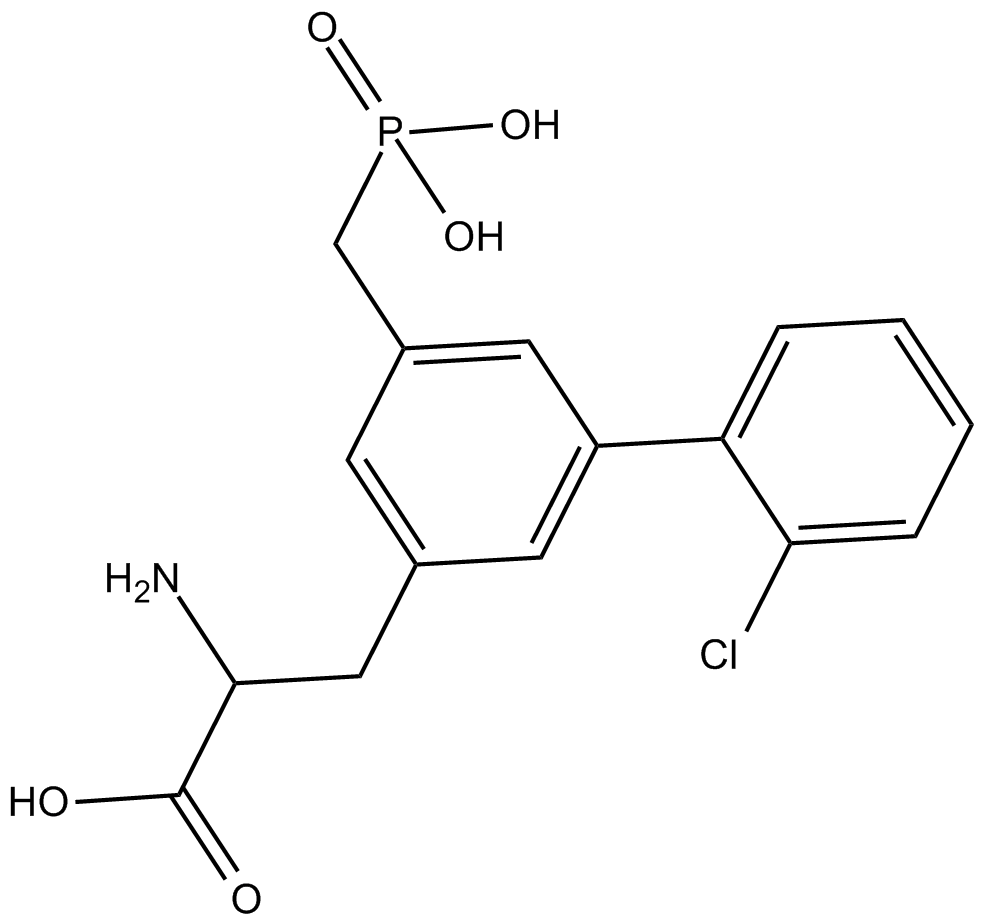 A3809 SDZ 220-581Summary: NMDA glutamate receptor subtype antagonist
 -
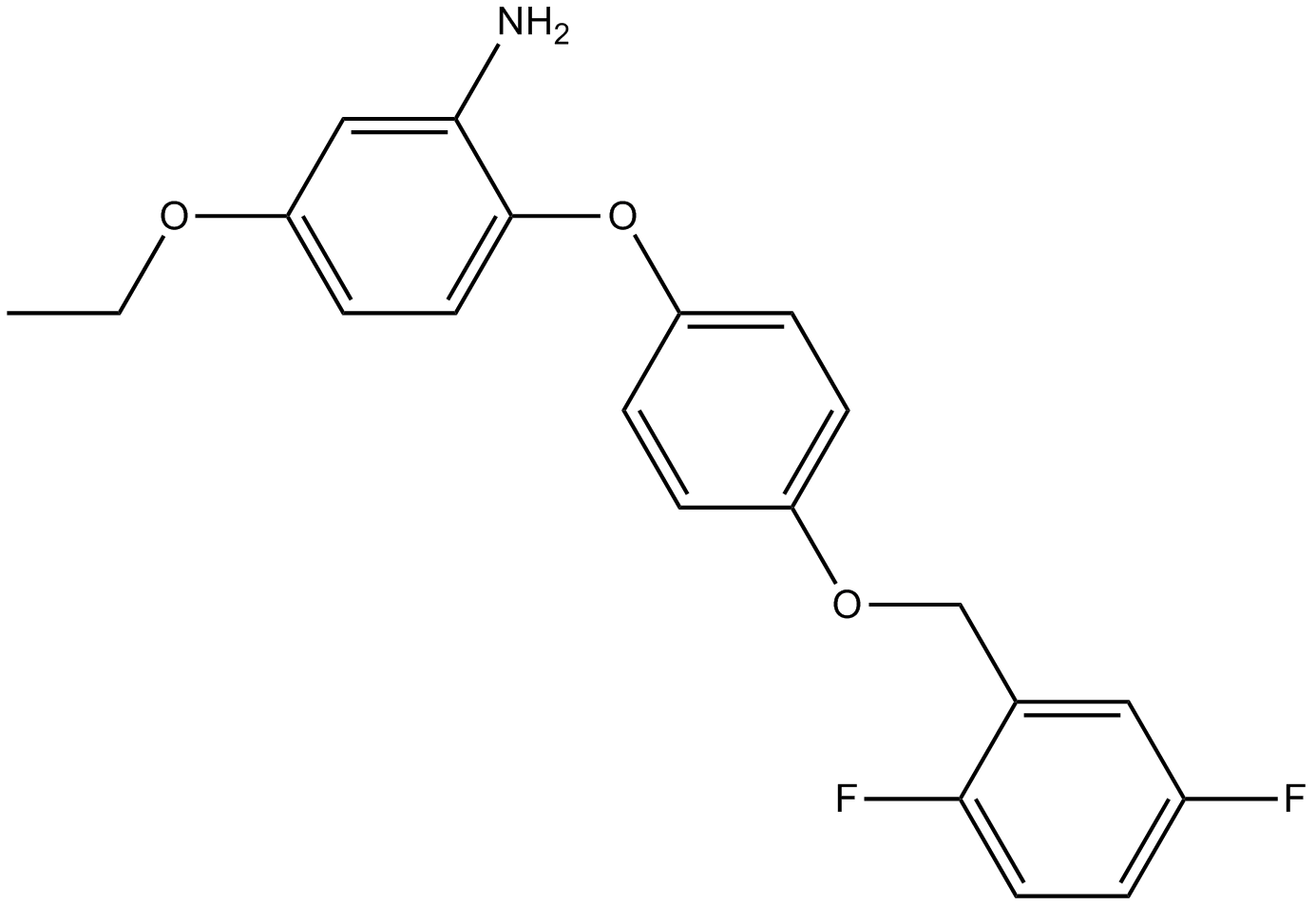 A3811 SEA04004 CitationTarget: Na /Ca2 Exchangers (NCXs)Summary: Specific inhibitor of Na+/Ca2+ exchange
 -
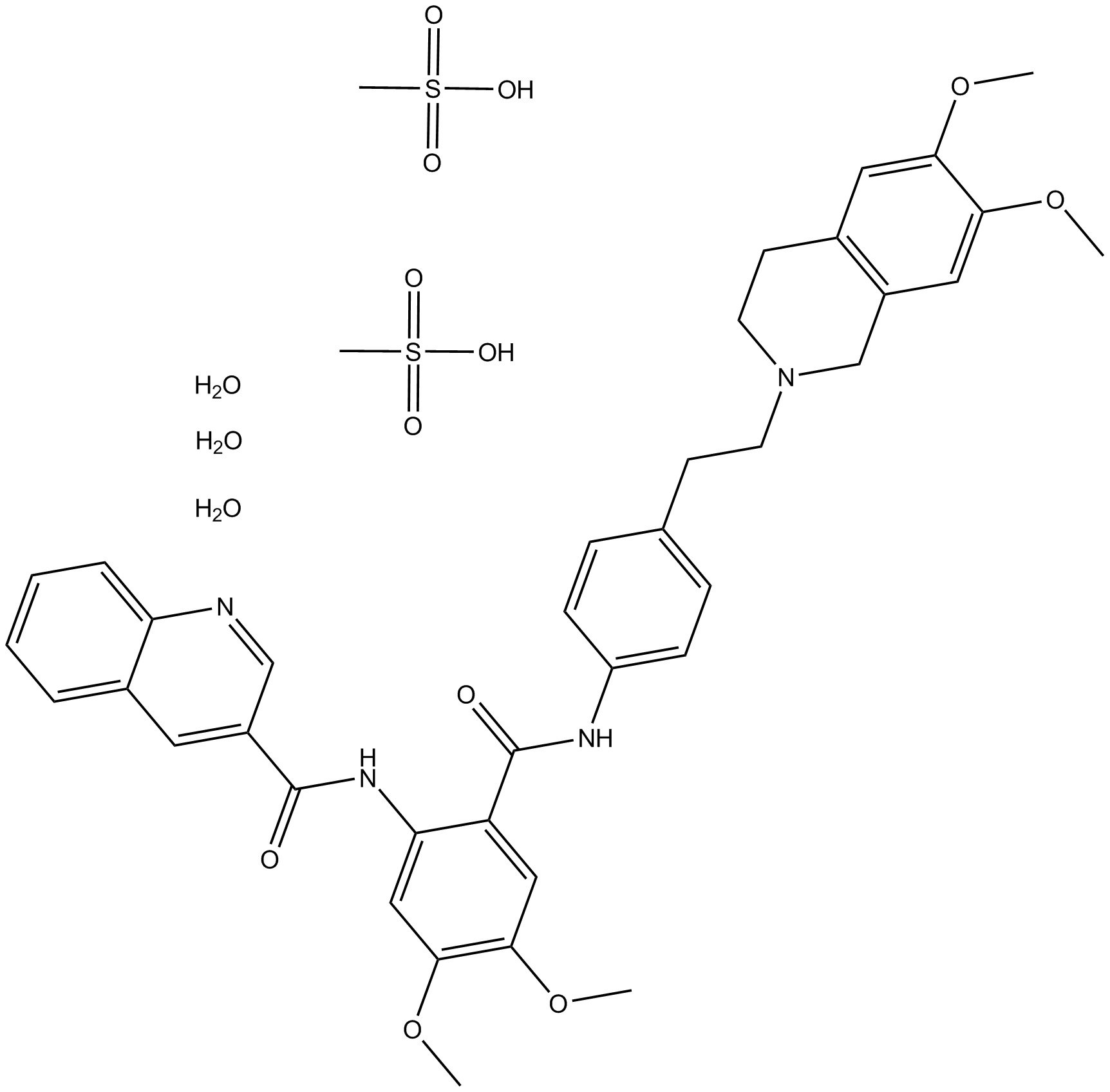 A3859 Tariquidar methanesulfonate, hydrateTarget: P-glycoprotein (P-gp)Summary: P-glycoprotein inhibitor, potent and selective
 -
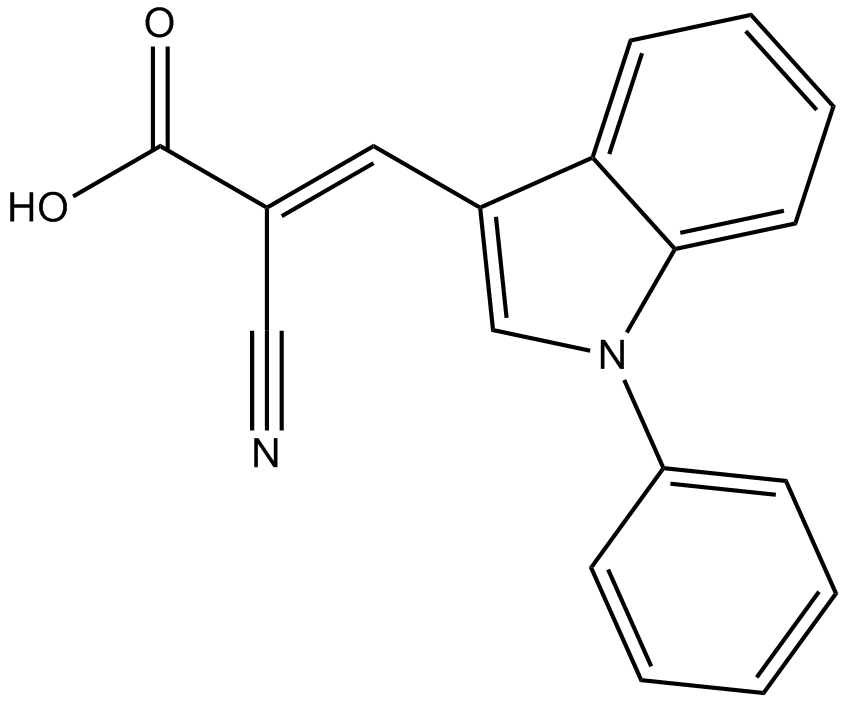 A3899 UK-50992 CitationTarget: Monocarboxylate transporters (MCTs)|mitochondrial pyruvate carrier (MPC)Summary: MCTs and MPC inhibitor
 -
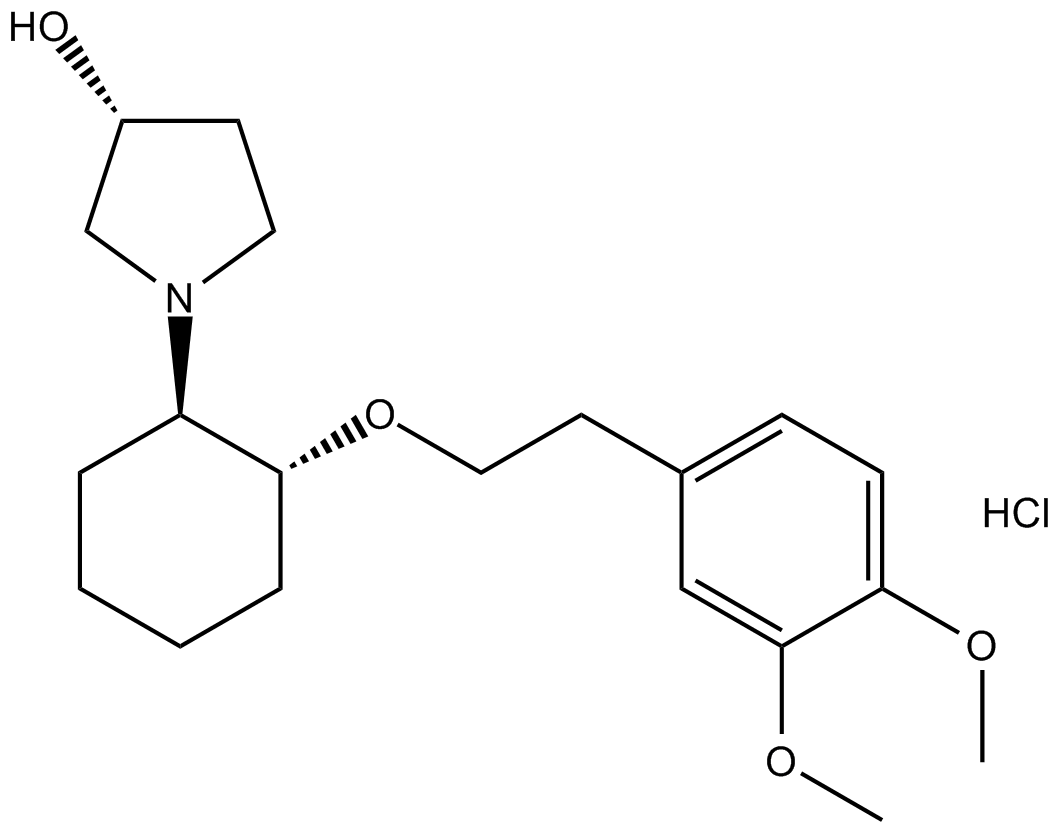 A3915 Vernakalant HydrochlorideSummary: Ion channel blocker, investigational antiarrhythmic agent
 -
 BA2768 Amiloride2 CitationSummary: Amiloride (MK-870) is an inhibitor of epithelial sodium channels and urokinase-type fibrinogen activator receptors.
 -
BA2851 DeltamethrinSummary: Deltamethrin (Decamethrin) is a synthetic pyrethroid insecticide with oral activity.
-
BA2855 FasentinSummary: Fasentin is a potent glucose uptake inhibitor that inhibits transport proteins.
-
BA3536 ElobixibatSummary: Elobixibat (A3309; AZD7806) is an orally effective inhibitor with values of 0.53 nM (human IBAT), 0.13 nM (mouse IBAT), and 5.8 nM (canine IBAT), respectively.