


Apoptosis
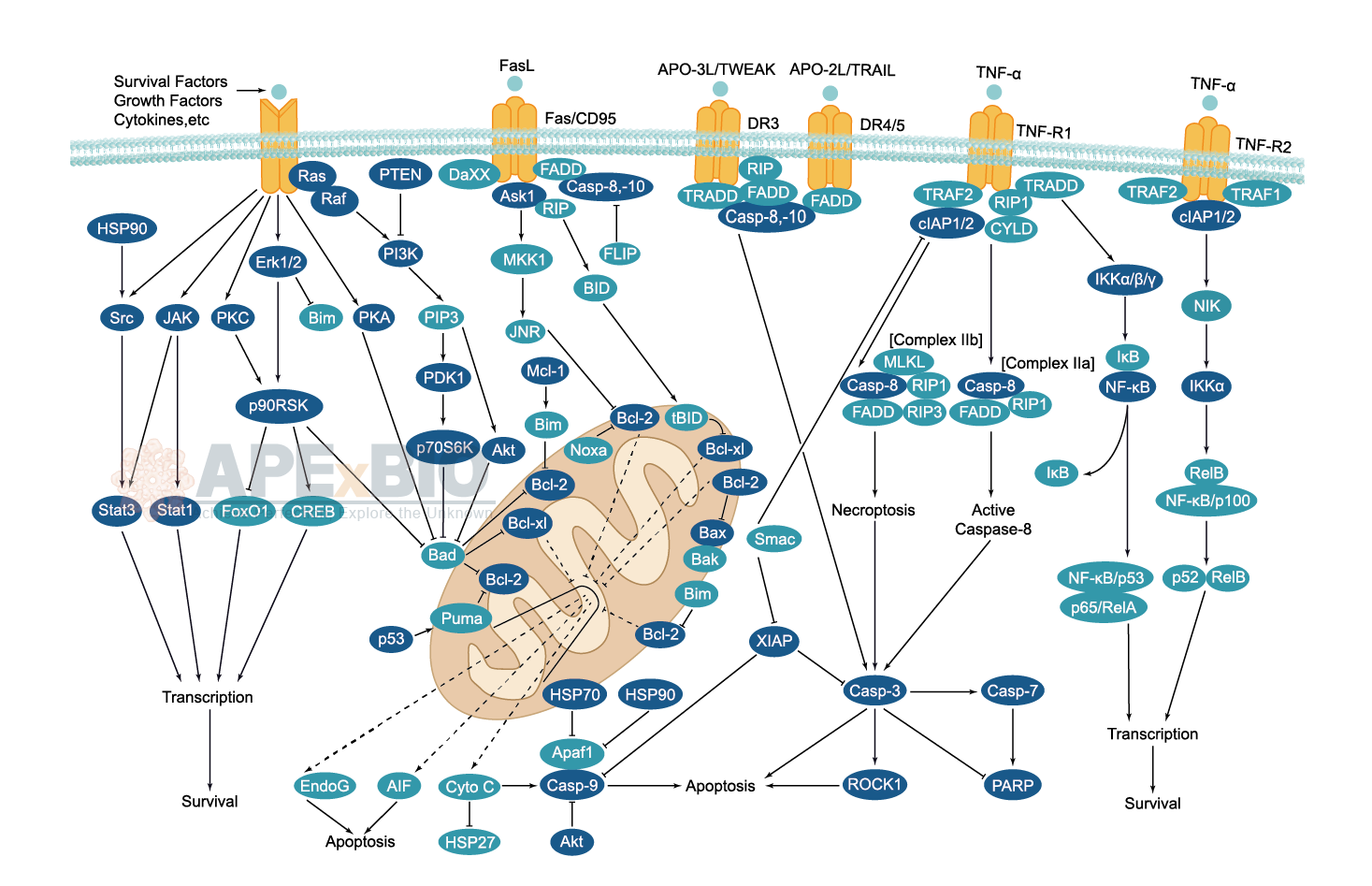
Apoptosis, also known as programmed cell death, is rigorously controlled process of cell death that leads to phagocytosis of unwanted cell. It is triggered after sufficient cellular damage and activated through extrinsic or intrinsic pathways. The intrinsic pathway is mainly occurs via release of cytochrome c from the mitochondria and regulates mitochondrial outer membrane permeabilization by Bcl-2 family proteins. The extrinsic pathway is induced by ligand binding to death receptor, such as Fas, TNFαR, DR3, DR4, and DR5. Caspases then cleave target proteins and nuclear lamins to promote DNA degradation, resulting apoptotic cells undergo phagocytosis. In addition, p53 has the ability to activate intrinsic and extrinsic pathways of apoptosis by inducing transcription of several proteins like Puma, Bid, Bax, TRAIL-R2, and CD95.
Some Inhibitors of apoptosis proteins (IAPs), such as XIAP/BIRC4 and Bruce/BIRC6, can block casapse activity through direct binding, while other IAPs, such as cIAP1/BIRC2, cIAP2/BIRC3, act as ubiquitin ligases that target caspases for ubiquitin-mediated degradation. Apoptosis is essential for growth, development and aging in multicellular organisms. Any alterations or abnormalities occurring in apoptotic processes contribute to development of human diseases, including cancer.
-
 BA2793 9-ING-41Summary: 9-ING-41 (Elraglusib) is a maleimide-based ATP-competitive and selective inhibitor of glycogen synthase kinase-3β.
 -
BA2794 ON1231320Summary: ON1231320 is a highly specific polo-like kinase 2 inhibitor.
-
BA2795 1G244Summary: 1G244 was a potent inhibitor at 12 nM and 84 nM, respectively, but did not inhibit DPPIV and DPPII.
-
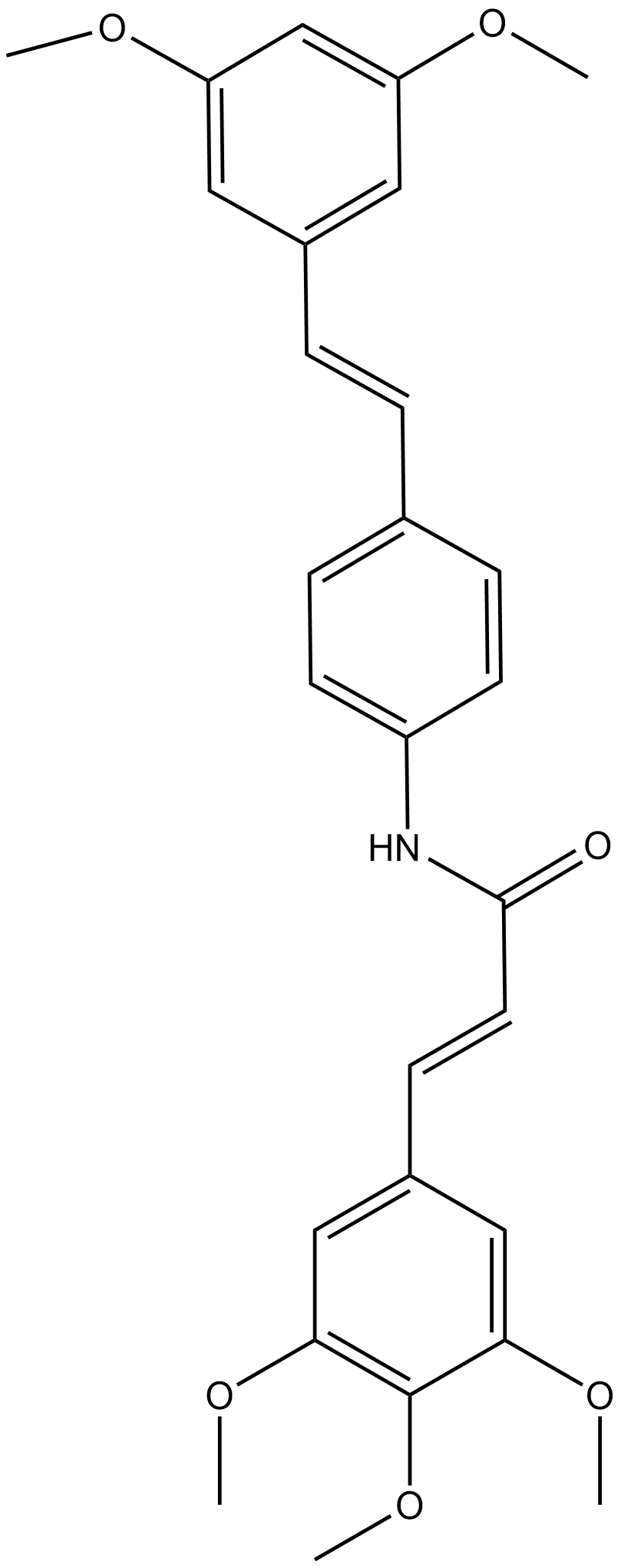 BA2797 STAT3-IN-1Summary: STAT3-IN-1 is a potent, selective, and orally effective inhibitor with values of 1.82 μM and 2.14 μM in HT29 and MDA-MB231 cells, respectively.
 -
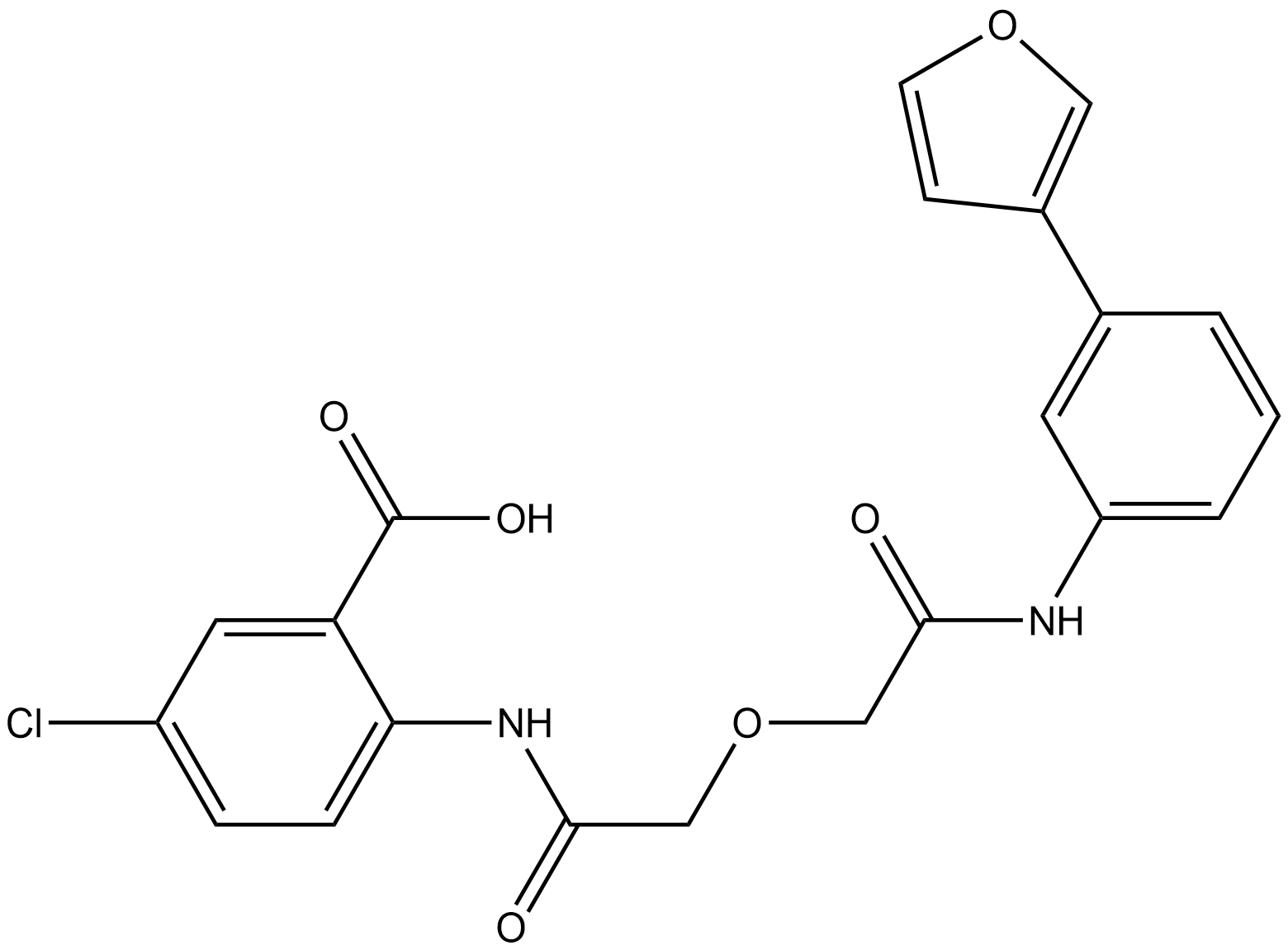 BA2798 TM5441Summary: TM5441, an orally bioavailable inhibitor of fibrinogen activator inhibitor-1, inhibited several cancer cell lines with values ranging from 13.9 to 51.1 μM and induced intrinsic cell death in several human cancer cells.
 -
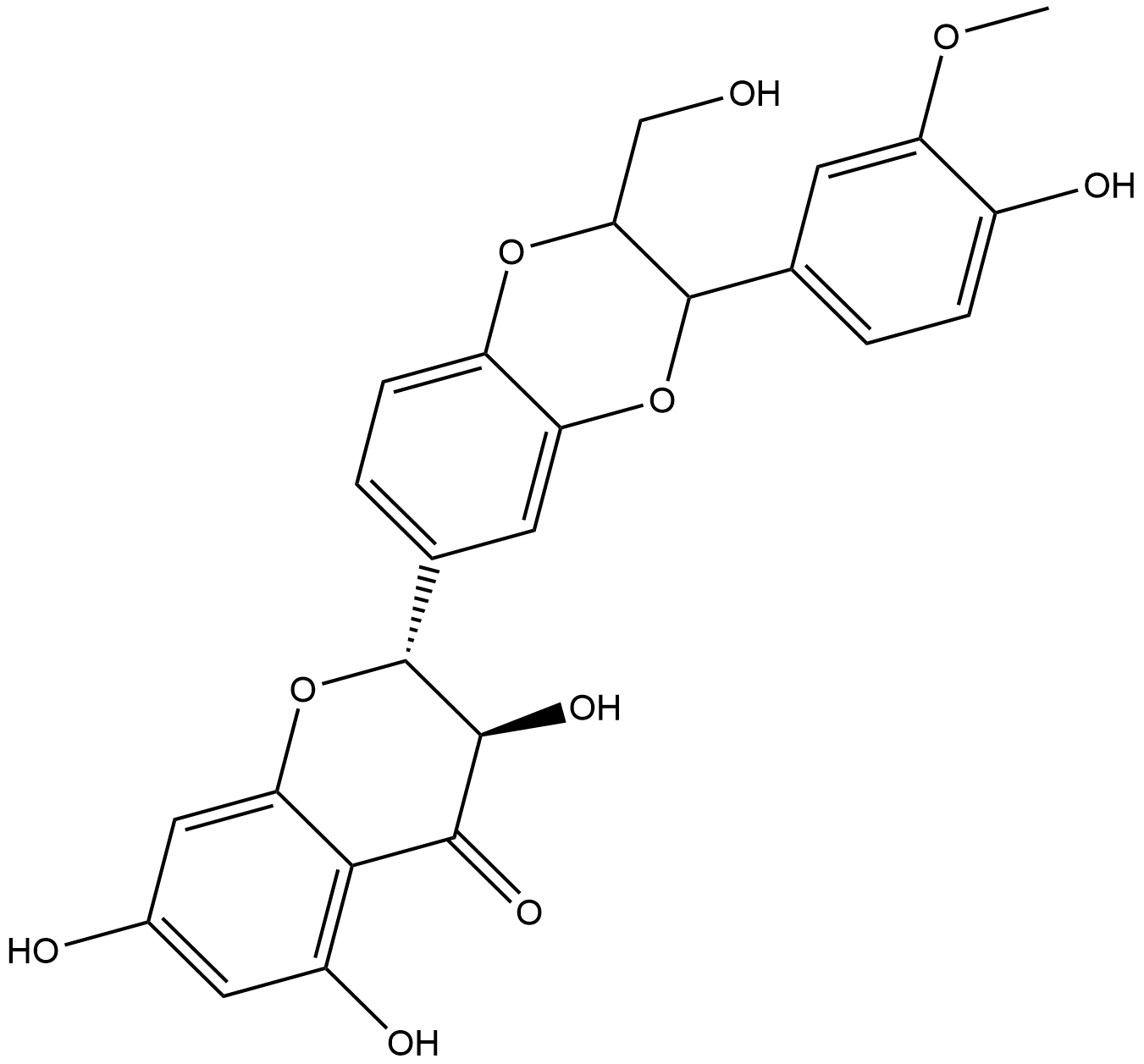 BA2799 SilybinSummary: Silybin is a flavin oligosaccharide isolated from grass thistle seeds.
 -
BA2800 PI-273Summary: PI-273 is the first reversible and specific phosphatidylinositol 4-kinase inhibitor.
-
BA2801 3-HydroxykynurenineSummary: 3-Hydroxykynurenine, a tryptophan metabolite, is a potential endogenous neurotoxin with elevated expression levels in several neurodegenerative diseases.
-
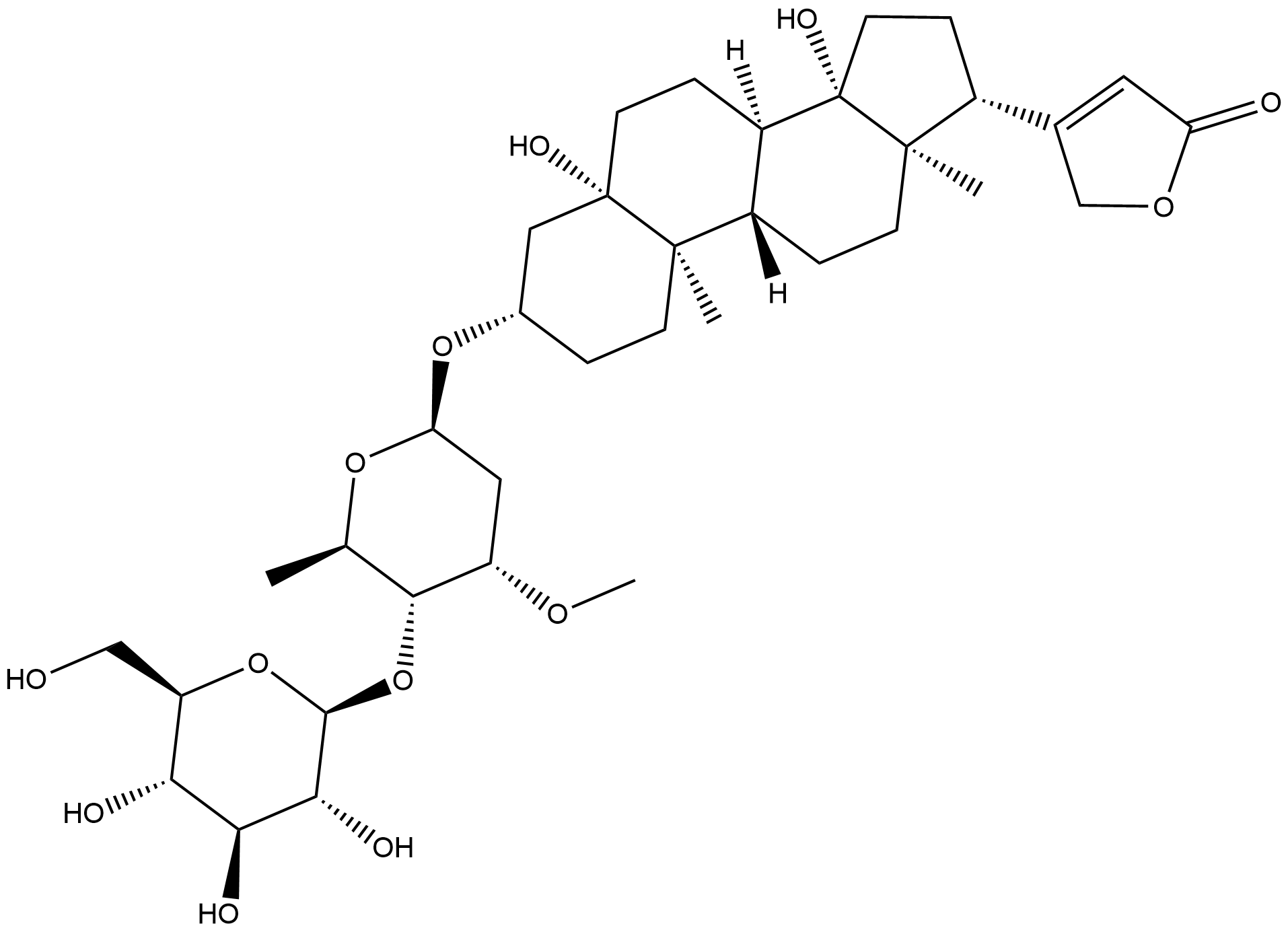 BA2802 PeriplocinSummary: Periplocin is a class of cardiotonic steroids isolated from shunga bark.
 -
BA2803 GGTI-2418Summary: GGTI-2418 is a potent, competitive and selective inhibitor of geranylgeranyltransferase I. It is a potent, competitive and selective inhibitor of geranylgeranyltransferase I.