


Anti-infection
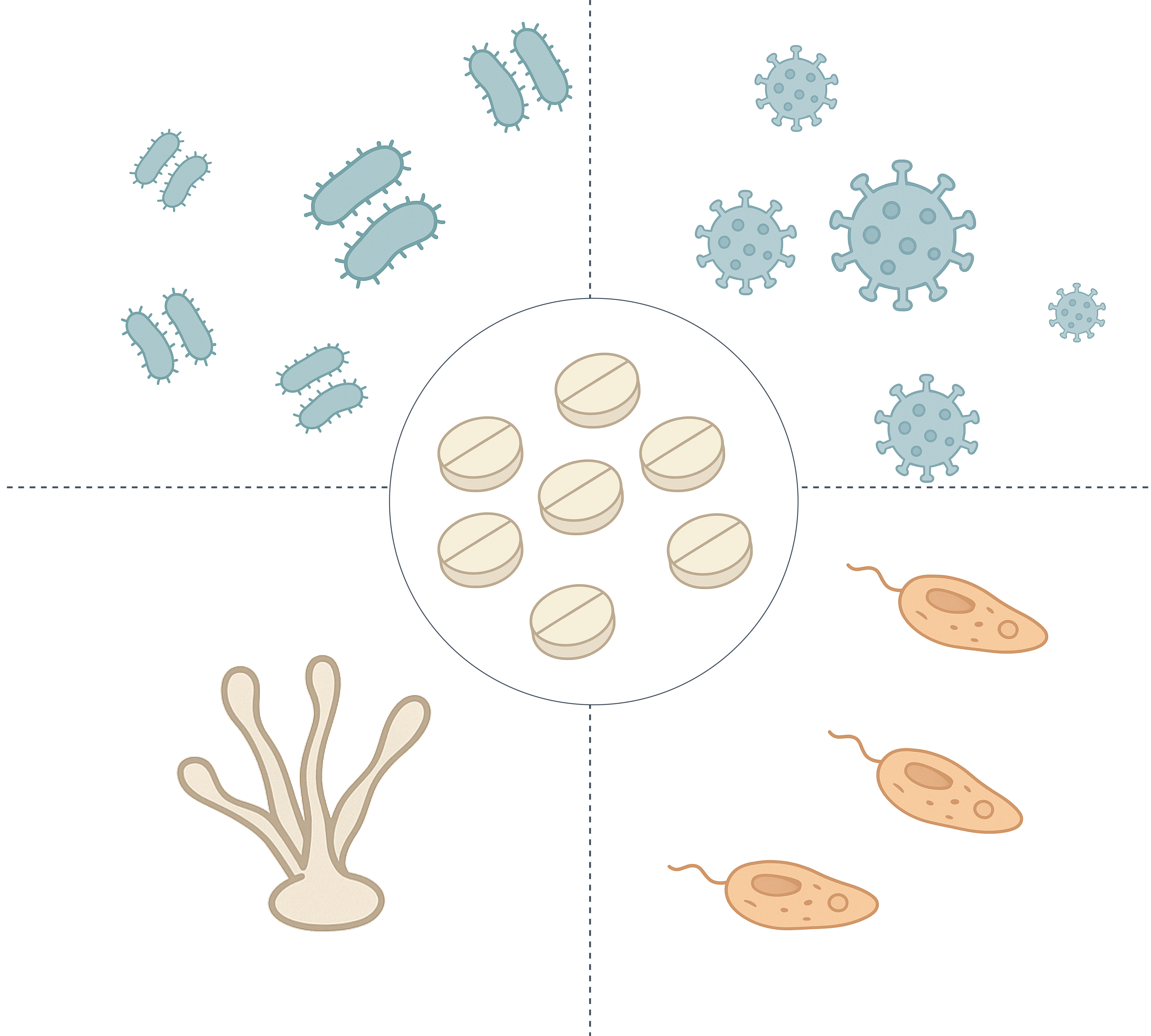
Anti-infectives are agents that eliminate or inhibit the spread of infectious organisms, encompassing antibiotics, antifungals, antivirals, and antiprotozoals.
Antibiotics are a class of antimicrobial agents specifically designed to target bacterial pathogens. They exert their effects by interfering with essential bacterial processes such as cell wall synthesis, protein synthesis, nucleic acid replication, and metabolic pathways, thereby either inhibiting bacterial growth or inducing bacterial death.
Antifungals are antimicrobial agents employed to combat fungal infections (mycoses) in humans and animals. Common antifungal classes include azoles, polyenes, echinocandins, and allylamines, which function by disrupting unique fungal structures or pathways, such as the synthesis or integrity of ergosterol-containing cell membranes and β-glucan-based cell walls, or by interfering with nucleic acid or protein synthesis.
Antivirals are compounds developed to inhibit the replication and spread of viruses within host organisms. Antivirals typically act by blocking viral entry, genome replication, protein processing, or virion assembly and release. Representative examples include nucleoside analogs, protease inhibitors, and neuraminidase inhibitors.
Antiprotozoals are drugs used to treat infections caused by protozoan parasites, including malaria, amebiasis, giardiasis, and trypanosomiasis. They act through a variety of mechanisms, including inhibition of nucleic acid synthesis, interference with mitochondrial function, and disruption of heme detoxification pathways in susceptible parasites.
-
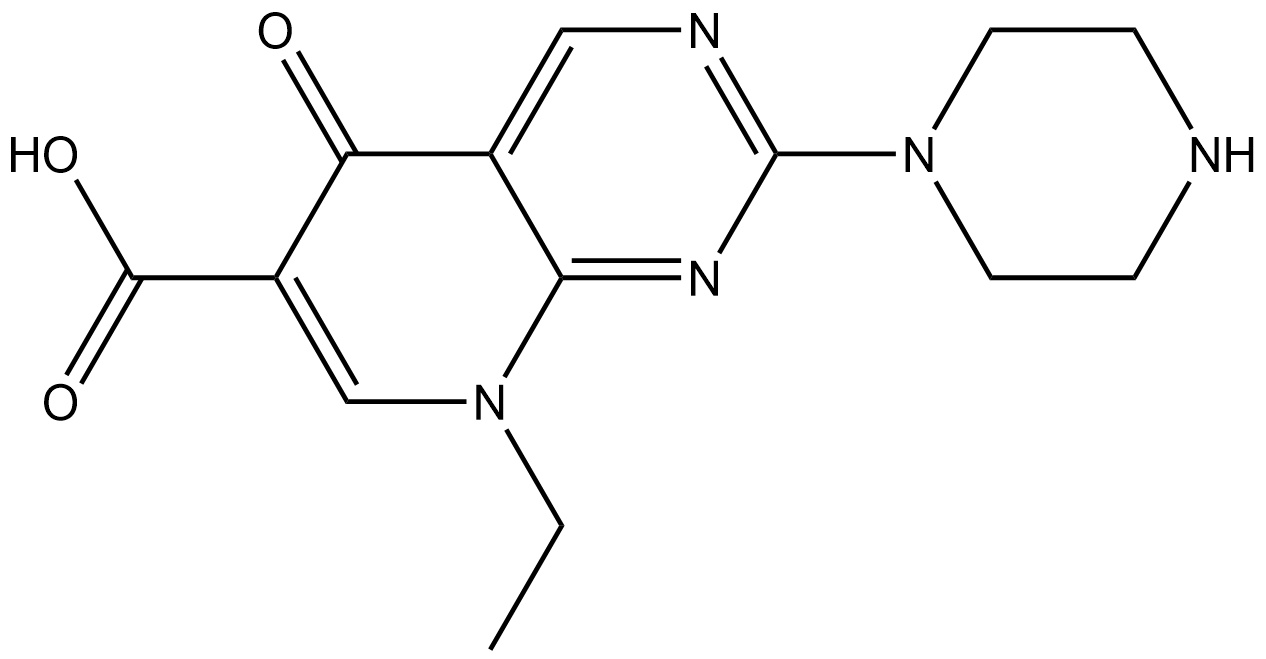 C9002 Pipemidic acidSummary: Pipemidic acid is a quinolone antibacterial that inhibits bacterial DNA gyrase and topoisomerase II, widely utilized in microbiology and antimicrobial resistance research.
 -
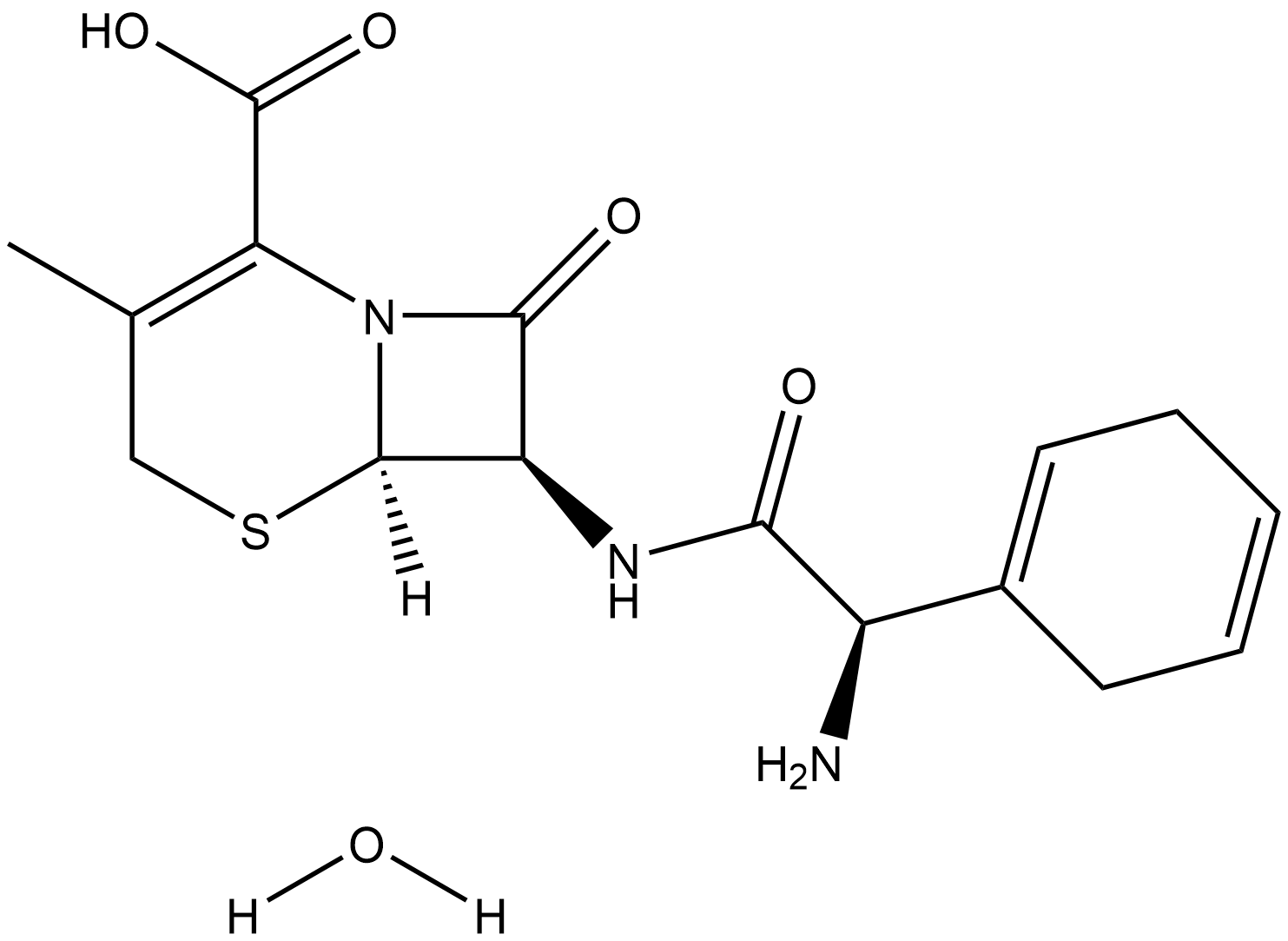 C9004 Cephradine monohydrateSummary: Cephradine monohydrate is a first-generation cephalosporin β-lactam compound that inhibits bacterial cell wall synthesis and is utilized in microbiology and antibiotic resistance research.
 -
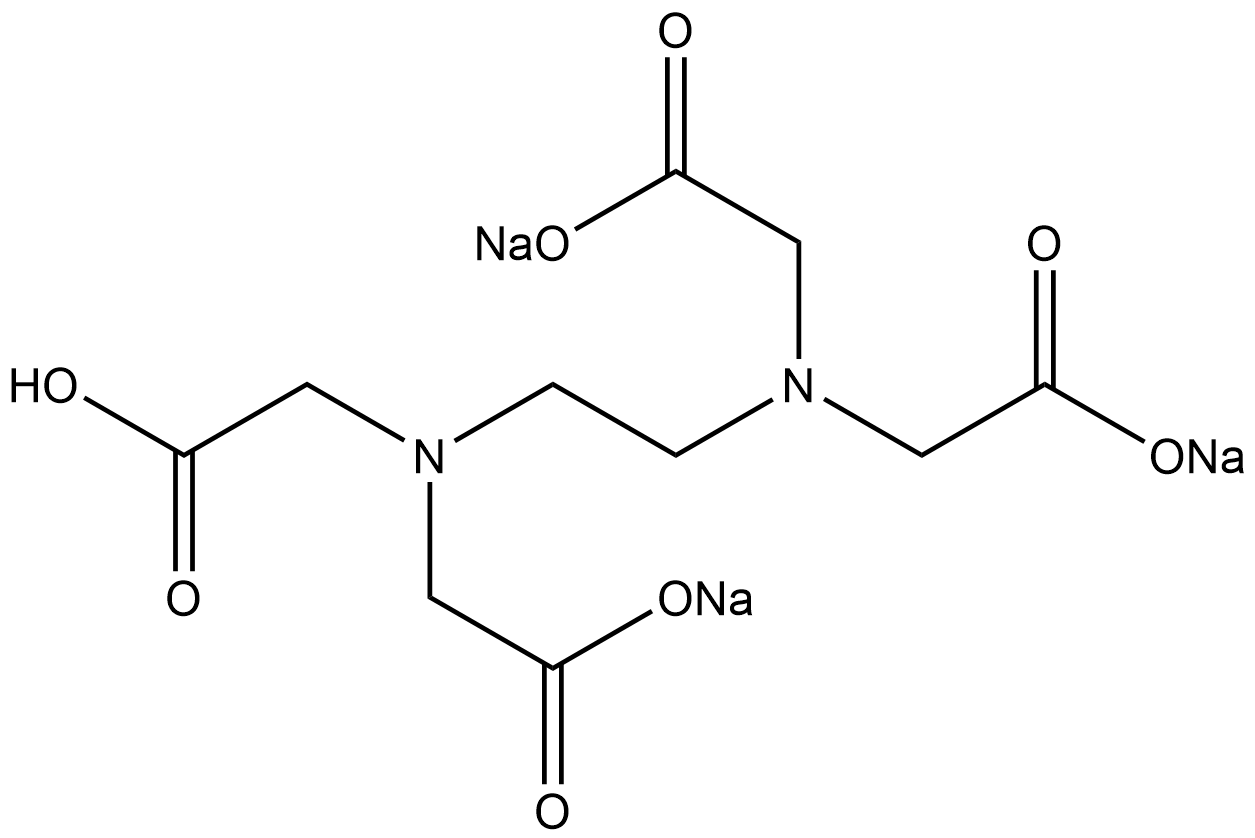 C9005 Edetate TrisodiumSummary: Edetate trisodium is a tricarboxylate chelating agent that sequesters divalent metal ions and is utilized in biochemical and molecular biology research.
 -
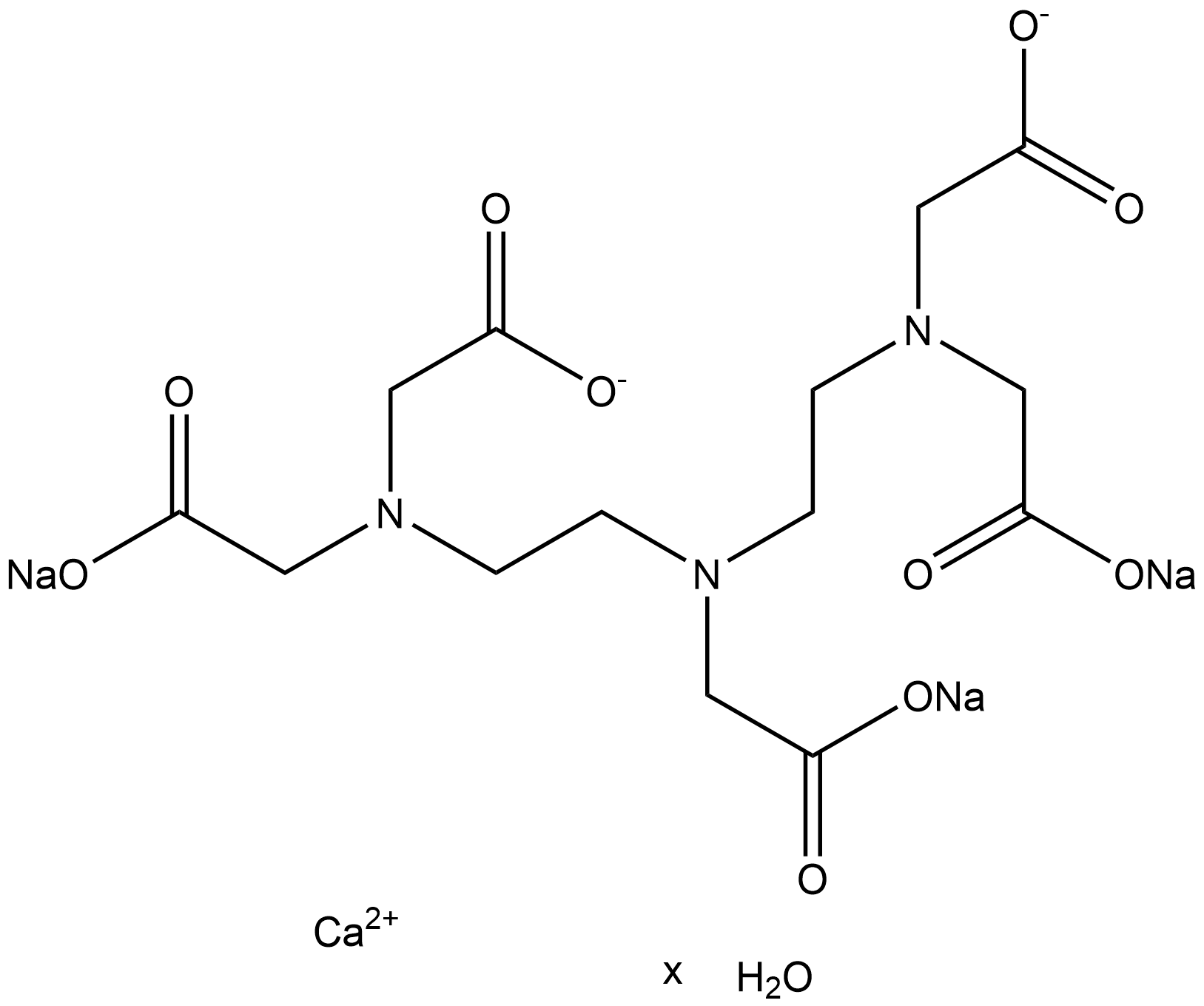 C9006 pentetate calcium trisodium hydrateSummary: Pentetate calcium trisodium hydrate is a metal-chelating aminopolycarboxylate complex used to investigate radionuclide coordination chemistry and metal ion sequestration in radiochemical research.
 -
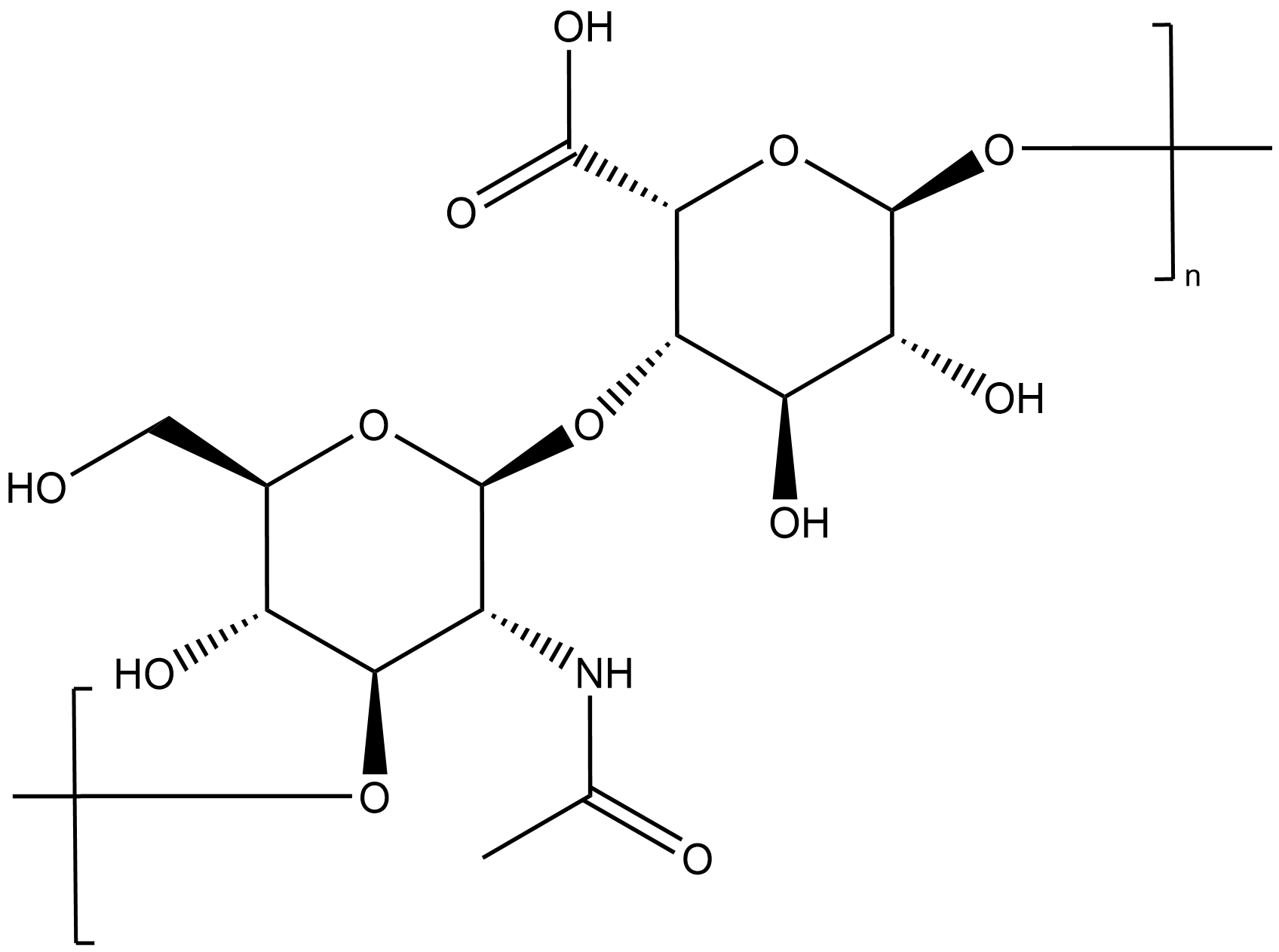 C9013 Hyaluronic acidSummary: Hyaluronic acid is a high-molecular-weight glycosaminoglycan targeting extracellular matrix and CD44-mediated signaling, widely utilized in cell biology, biomaterials, and tissue engineering research.
 -
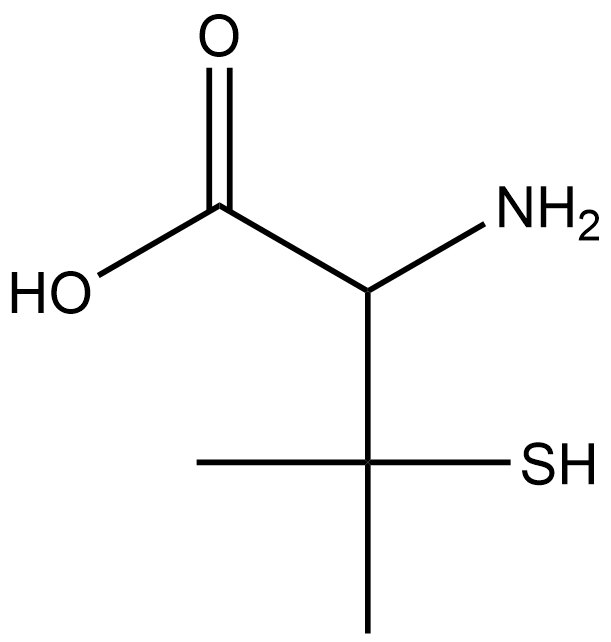 C9016 DL-PenicillamineSummary: DL-Penicillamine is a thiol-containing amino acid derivative and metal-chelating reagent used to investigate metal-dependent biochemical pathways in life sciences research.
 -
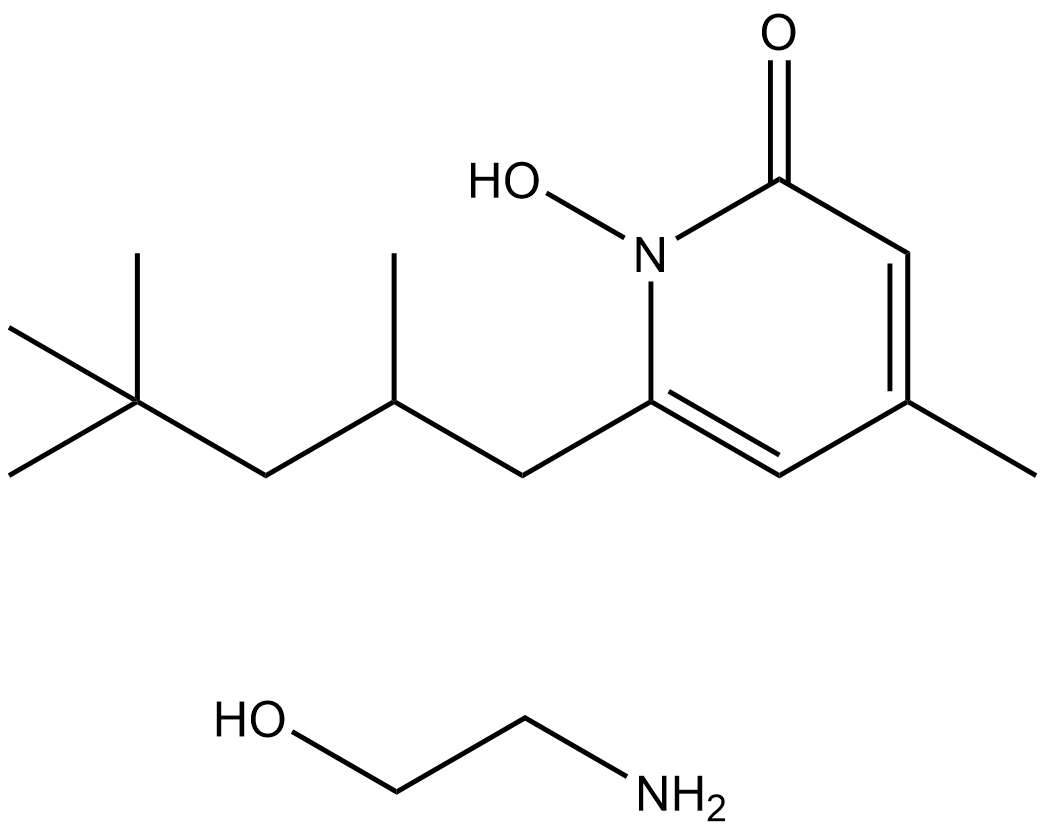 C9028 Piroctone OlamineSummary: Piroctone Olamine is a hydroxamic acid derivative with antifungal activity, targeting membrane integrity pathways and used in microbiology and fungal cell biology research.
 -
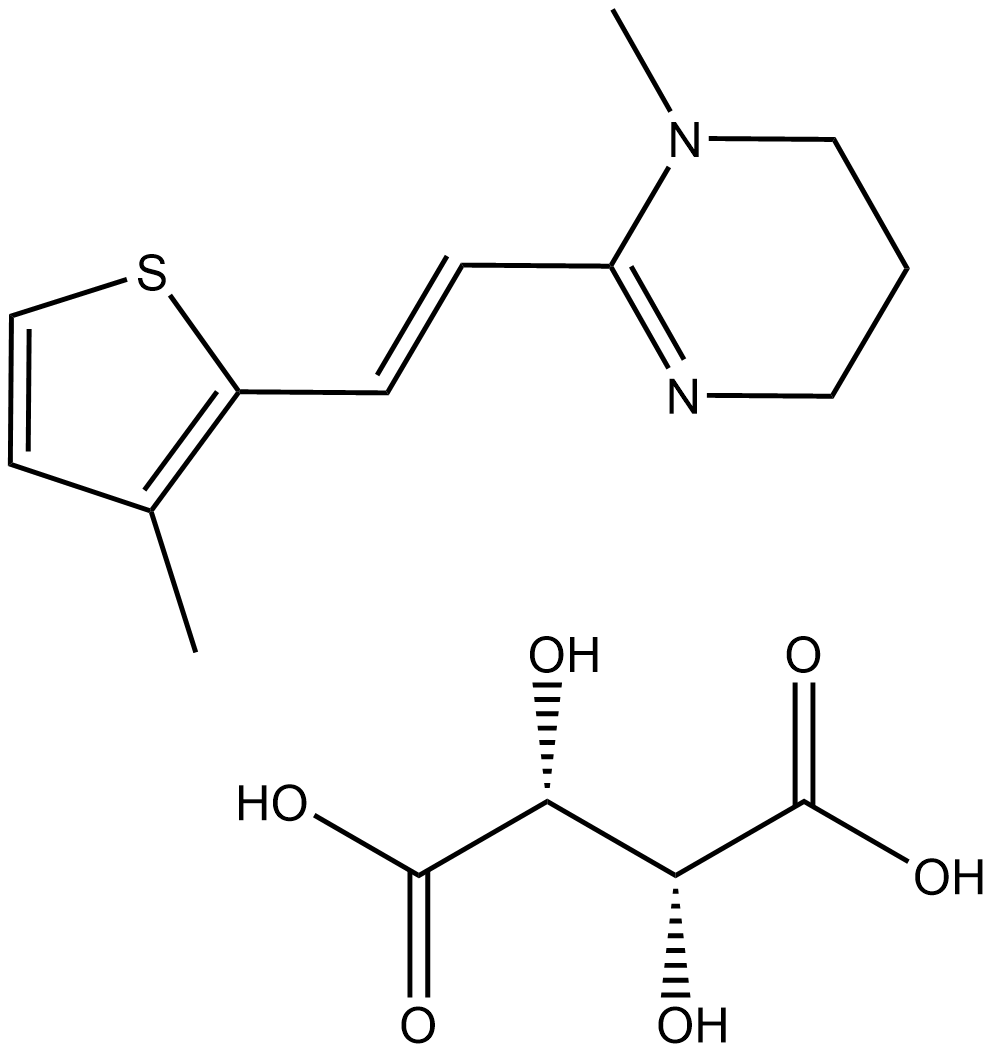 C9031 Morantel tartrateSummary: Morantel tartrate is a tetrahydropyrimidine cholinergic agonist targeting nematode nicotinic acetylcholine receptors, widely used in antiparasitic pharmacology and helminth neuromuscular signaling research.
 -
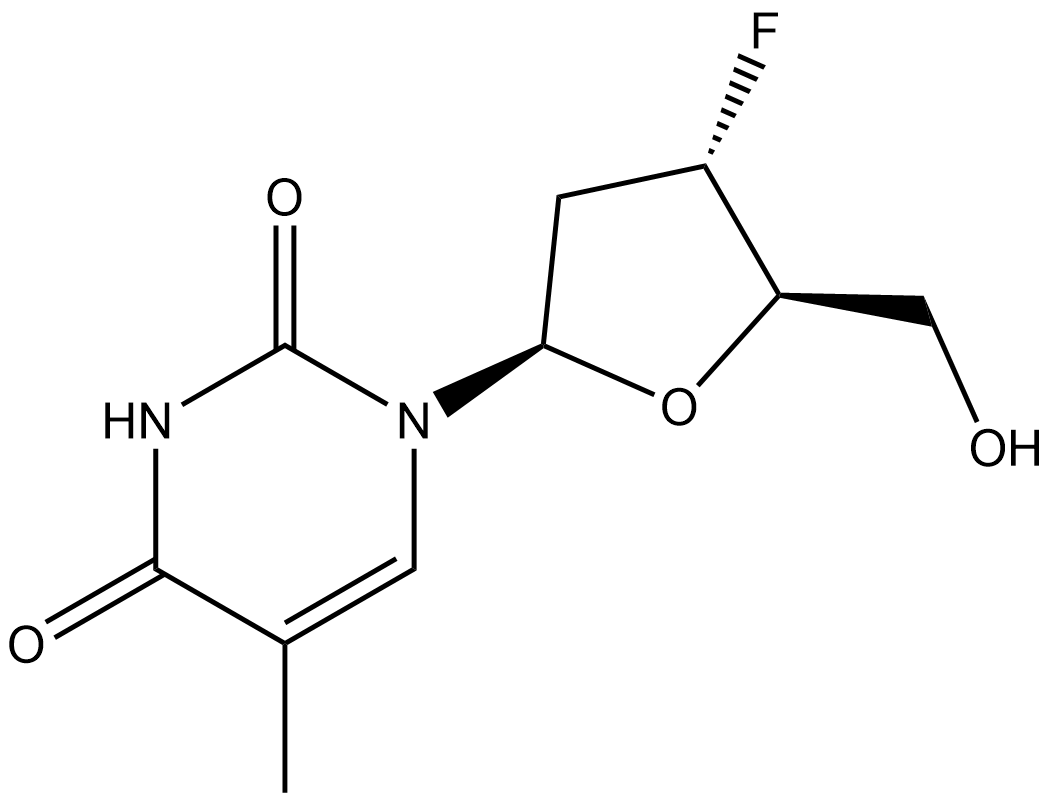 C9037 3'-Fluoro-3'-deoxythymidine (Alovudine)Summary: 3'-Fluoro-3'-deoxythymidine (Alovudine) is a fluorinated thymidine nucleoside analog that inhibits reverse transcriptase and is utilized in antiviral mechanism and nucleoside metabolism research.
 -
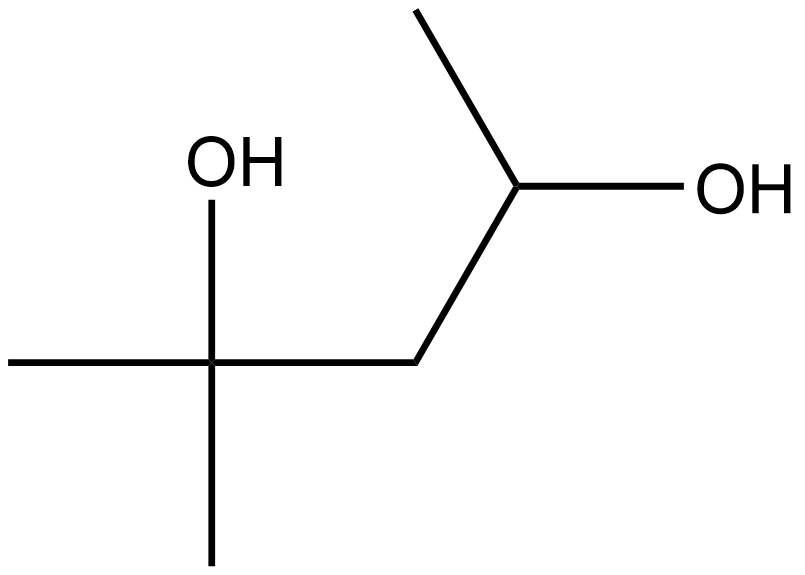 C9039 Hexylene glycolSummary: Hexylene glycol (CAS 107-41-5) is a branched aliphatic diol solvent used in formulation chemistry and physicochemical method development for life sciences research.