


Anti-infection
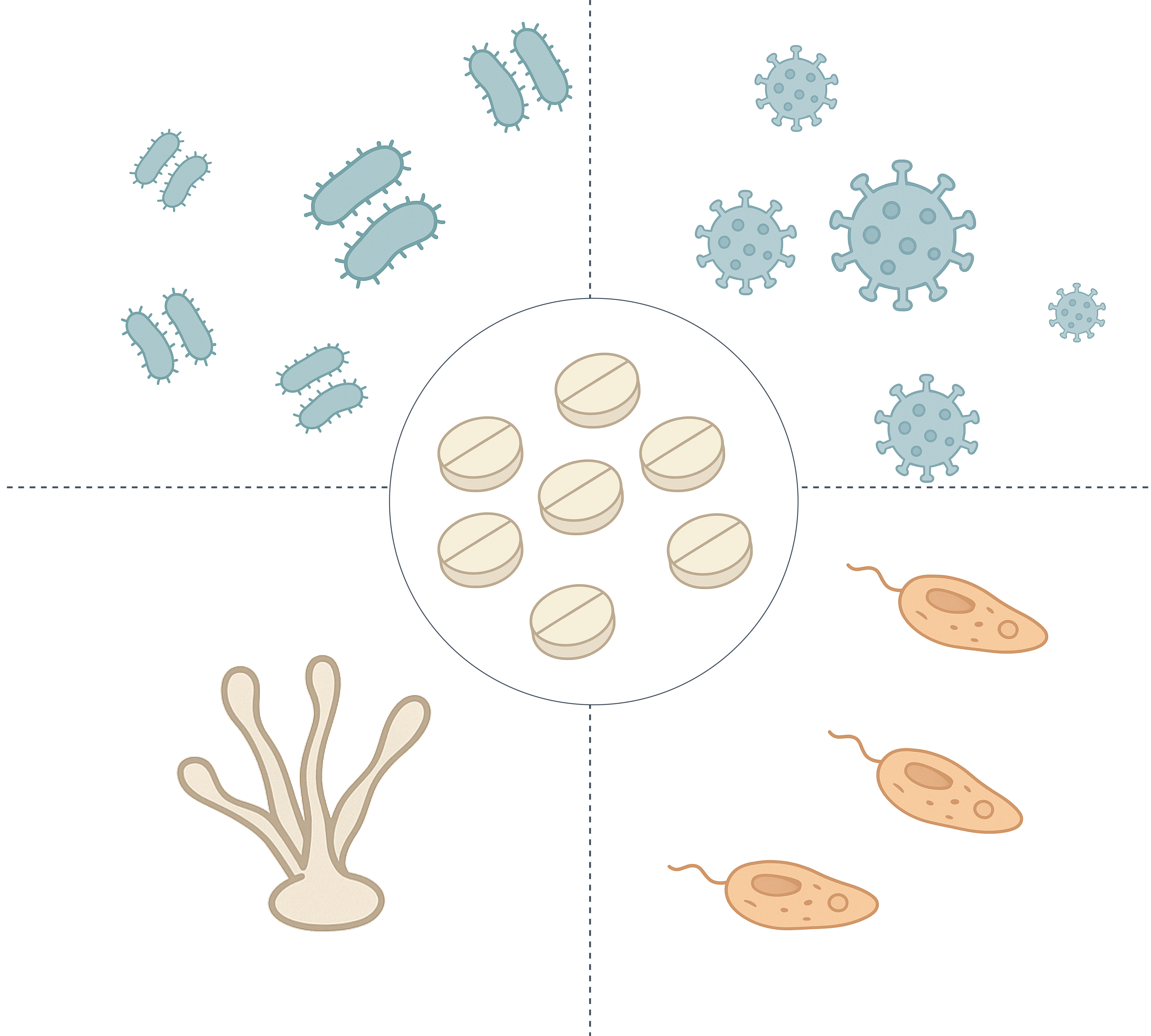
Anti-infectives are agents that eliminate or inhibit the spread of infectious organisms, encompassing antibiotics, antifungals, antivirals, and antiprotozoals.
Antibiotics are a class of antimicrobial agents specifically designed to target bacterial pathogens. They exert their effects by interfering with essential bacterial processes such as cell wall synthesis, protein synthesis, nucleic acid replication, and metabolic pathways, thereby either inhibiting bacterial growth or inducing bacterial death.
Antifungals are antimicrobial agents employed to combat fungal infections (mycoses) in humans and animals. Common antifungal classes include azoles, polyenes, echinocandins, and allylamines, which function by disrupting unique fungal structures or pathways, such as the synthesis or integrity of ergosterol-containing cell membranes and β-glucan-based cell walls, or by interfering with nucleic acid or protein synthesis.
Antivirals are compounds developed to inhibit the replication and spread of viruses within host organisms. Antivirals typically act by blocking viral entry, genome replication, protein processing, or virion assembly and release. Representative examples include nucleoside analogs, protease inhibitors, and neuraminidase inhibitors.
Antiprotozoals are drugs used to treat infections caused by protozoan parasites, including malaria, amebiasis, giardiasis, and trypanosomiasis. They act through a variety of mechanisms, including inhibition of nucleic acid synthesis, interference with mitochondrial function, and disruption of heme detoxification pathways in susceptible parasites.
-
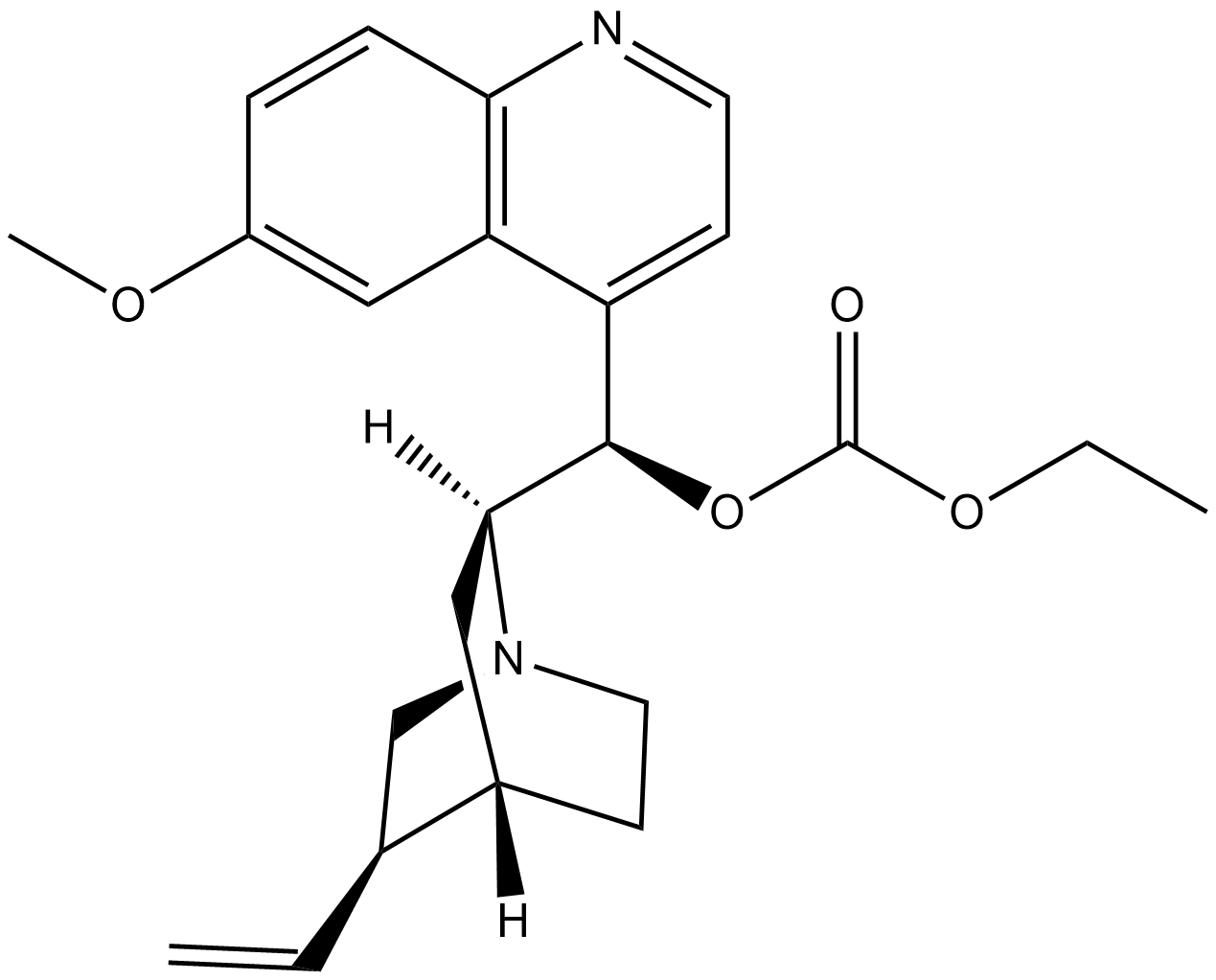 C9042 EuquinineSummary: Euquinine is a quinine-derived alkaloid compound used as an analytical reference standard in chemical characterization and pharmacognosy-related life sciences research.
 -
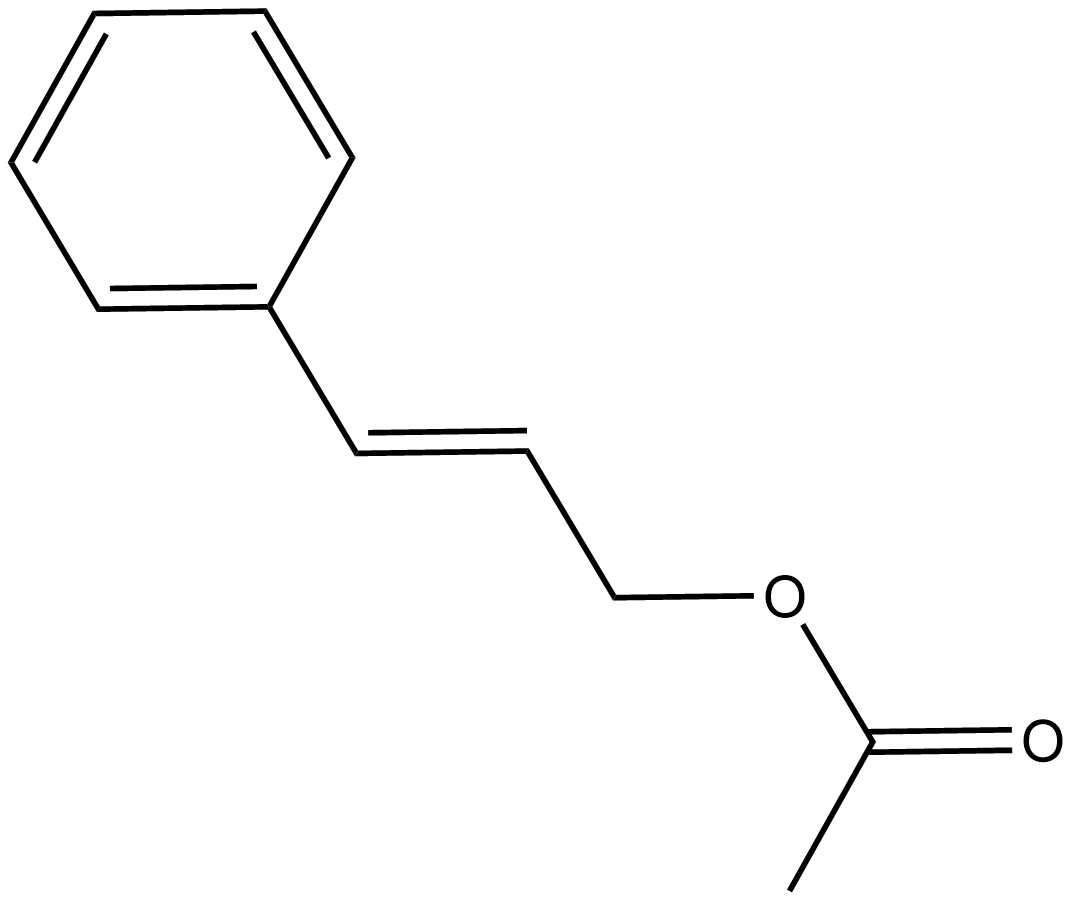 N2918 Cinnamyl acetateSummary: Cinnamyl acetate is an aromatic ester compound used as a reference standard in flavor chemistry, olfactory signaling, and metabolic pathway research.
 -
 N2924 Methyl cinnamateSummary: Methyl cinnamate is a phenylpropanoid ester used as a bioactive small molecule in studies of oxidative stress, inflammation signaling, and antimicrobial mechanisms.
 -
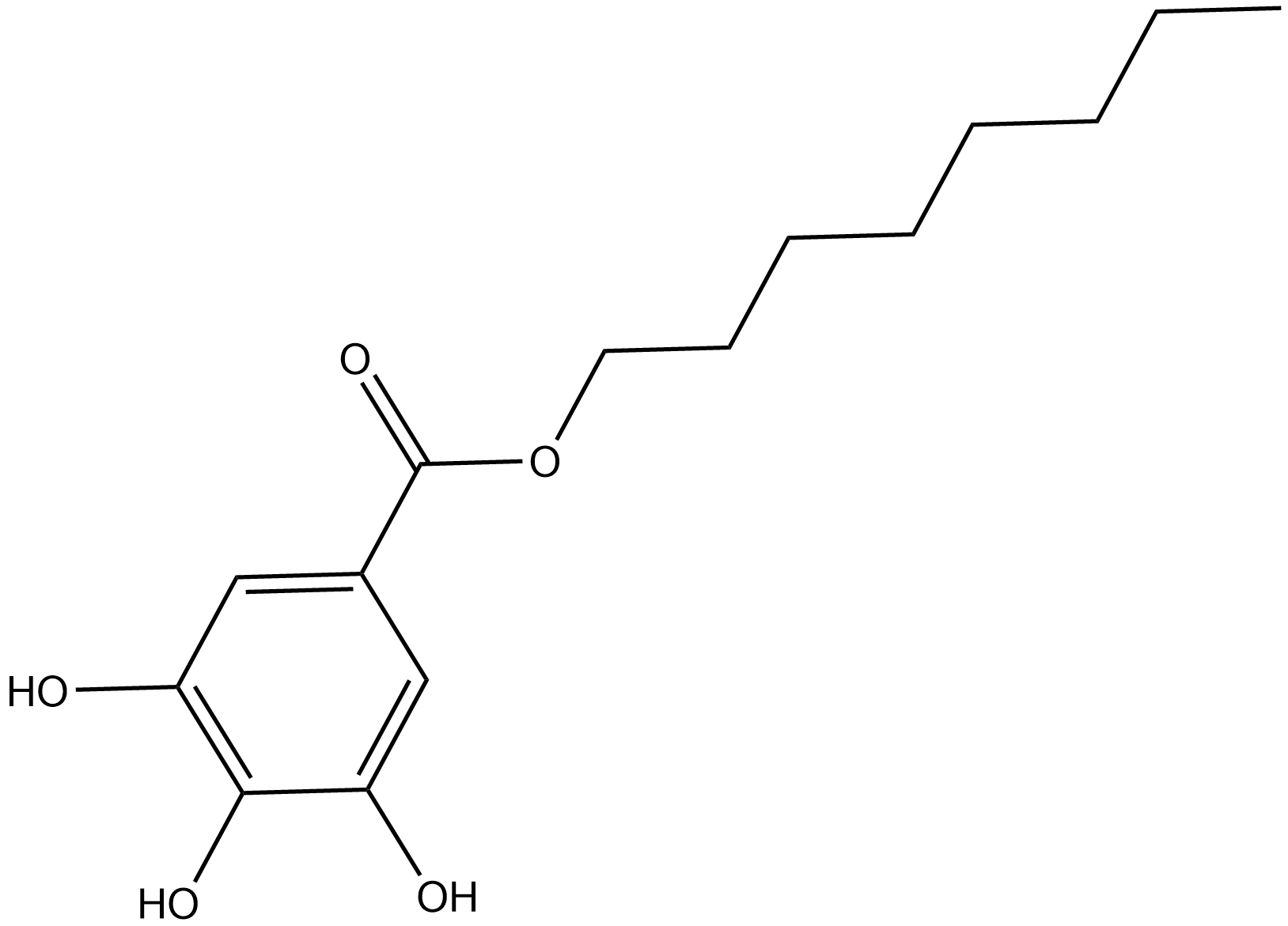 N2925 Octyl gallateSummary: Octyl gallate is a lipophilic phenolic antioxidant and radical scavenger used to investigate oxidative stress mechanisms, lipid peroxidation, and redox-related cellular pathways.
 -
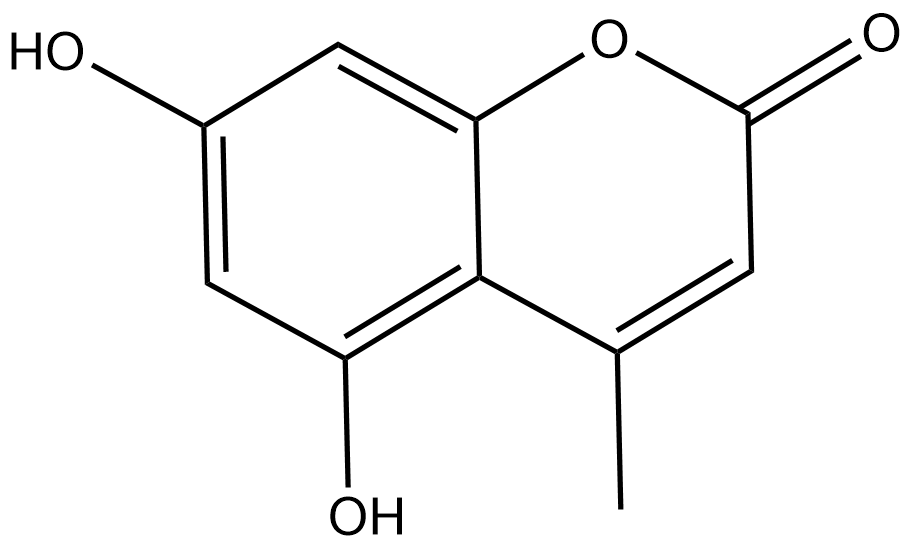 N2926 5,7-Dihydroxy-4-methylcoumarinSummary: 5,7-Dihydroxy-4-methylcoumarin is a hydroxylated coumarin derivative used as a chemical probe for studying oxidative stress pathways and enzyme-mediated metabolism in biochemical research.
 -
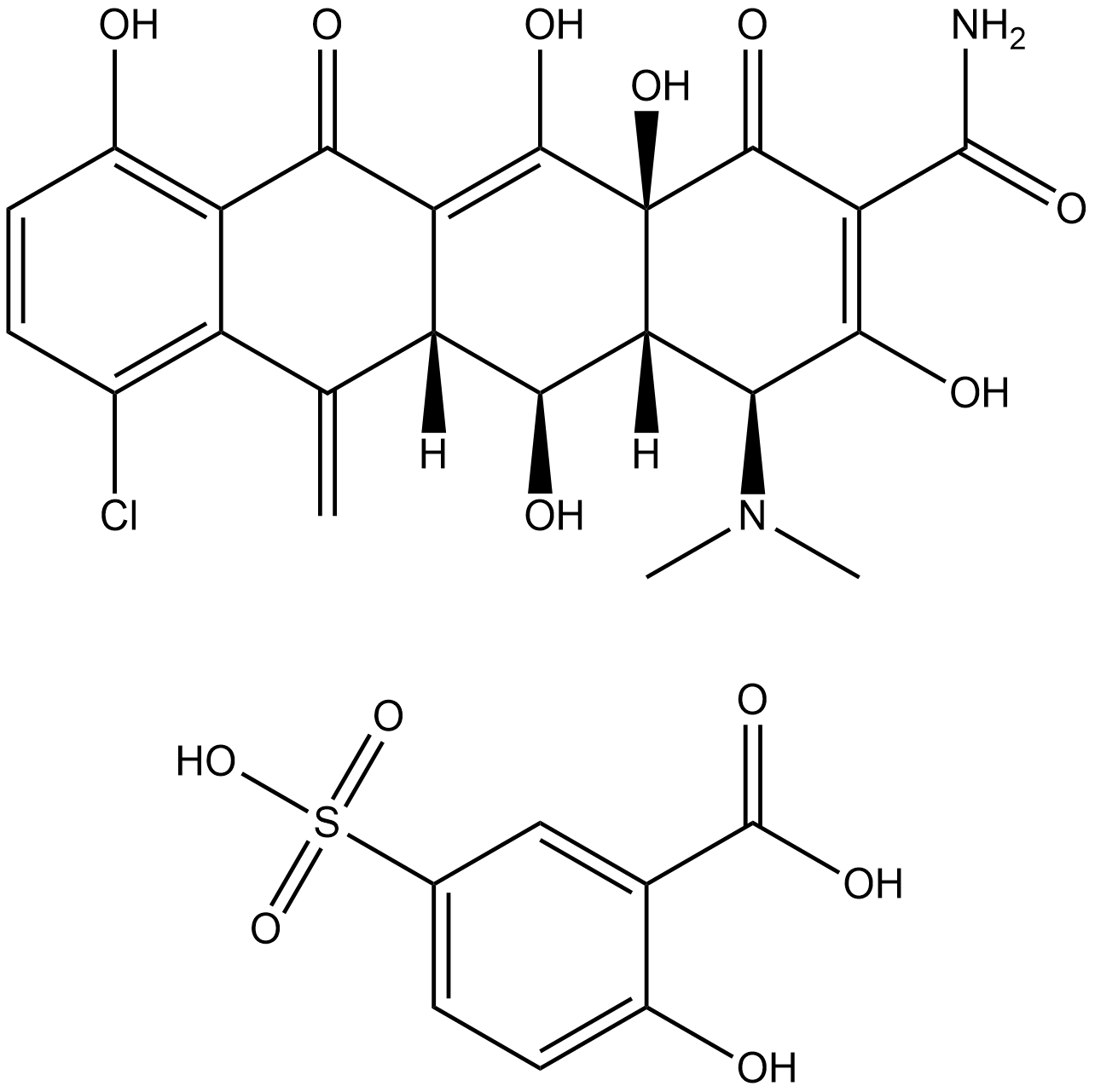 N2930 Meclocycline SulfosalicylateSummary: Meclocycline Sulfosalicylate is a tetracycline-class antibacterial compound that inhibits bacterial protein synthesis via 30S ribosomal subunit binding, widely used in microbiology and resistance research.
 -
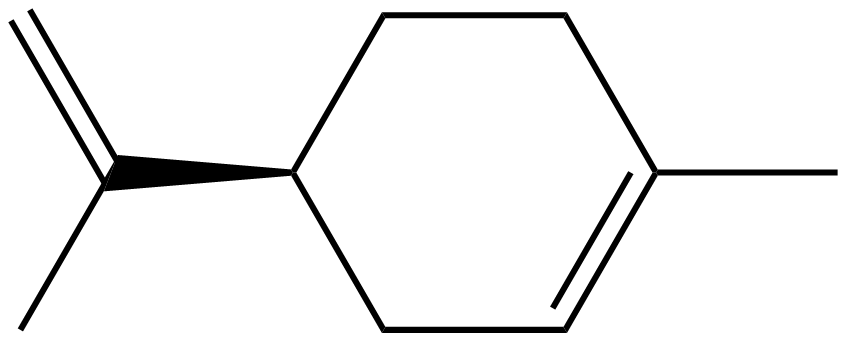 N2933 (S)-(?)-LimoneneSummary: (S)-(?)-Limonene is a monoterpene hydrocarbon that modulates oxidative stress and inflammatory signaling pathways, and is utilized in biochemical, pharmacological, and natural product research.
 -
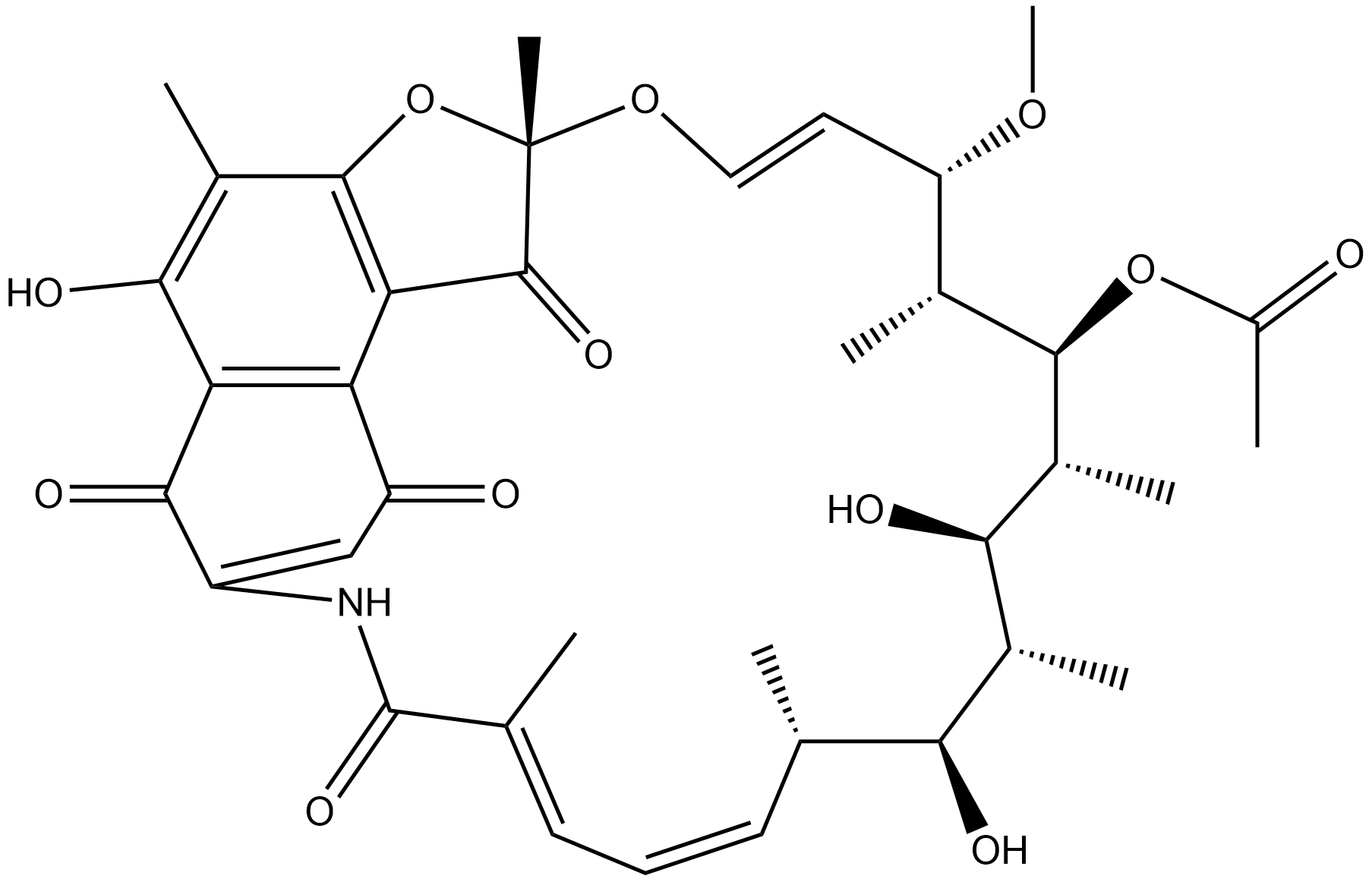 N2940 Rifamycin SSummary: Rifamycin S is an ansamycin antibiotic that inhibits bacterial DNA-dependent RNA polymerase, widely utilized in microbiology and antimicrobial resistance mechanism research.
 -
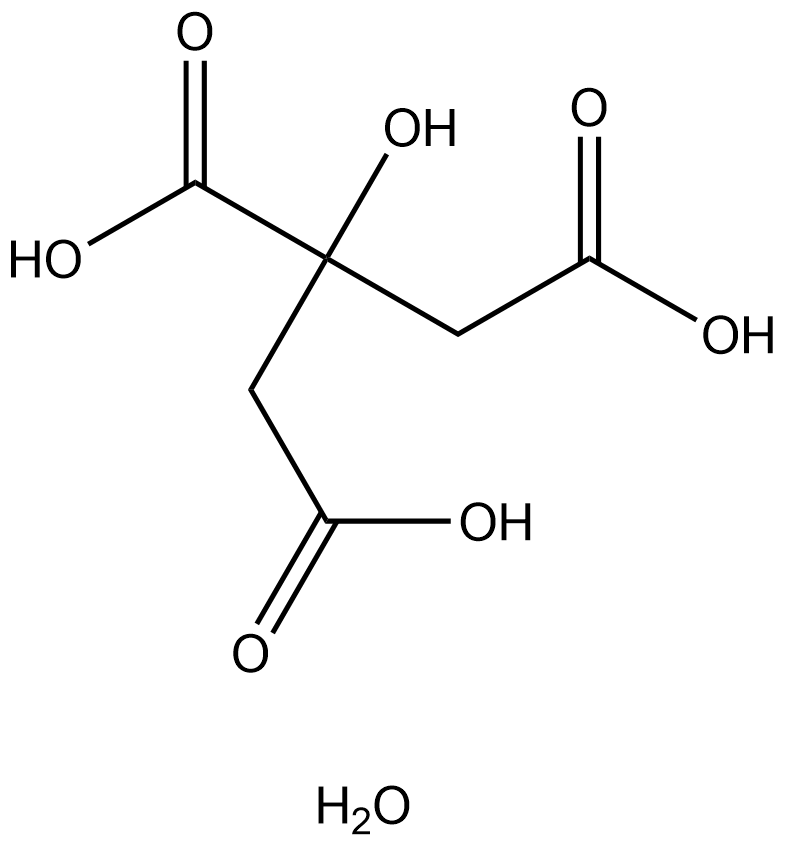 N2942 Citric acid hydrateSummary: Citric acid hydrate is a tricarboxylic acid metabolite modulating cellular energy metabolism pathways and widely utilized in biochemical, metabolic, and cell culture research.
 -
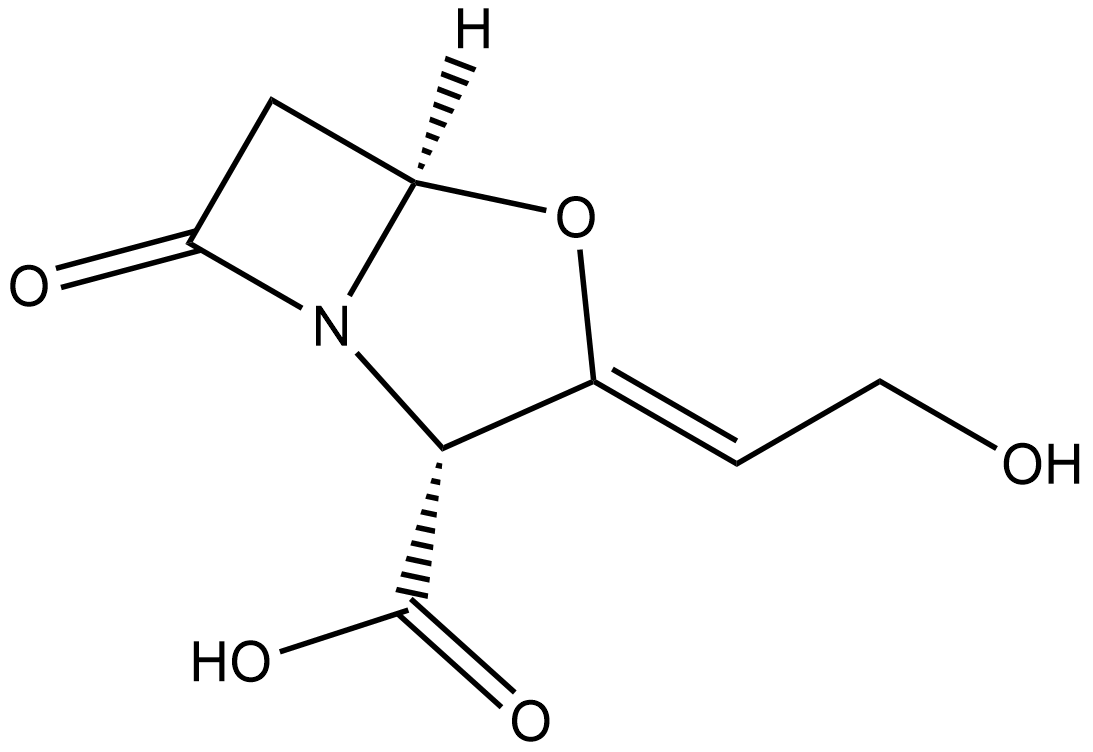 N2943 Clavulanic acidSummary: Clavulanic acid is a β-lactamase inhibitor targeting bacterial serine β-lactamases, widely utilized in antimicrobial resistance mechanism studies and antibiotic potentiation research.