


Anti-infection
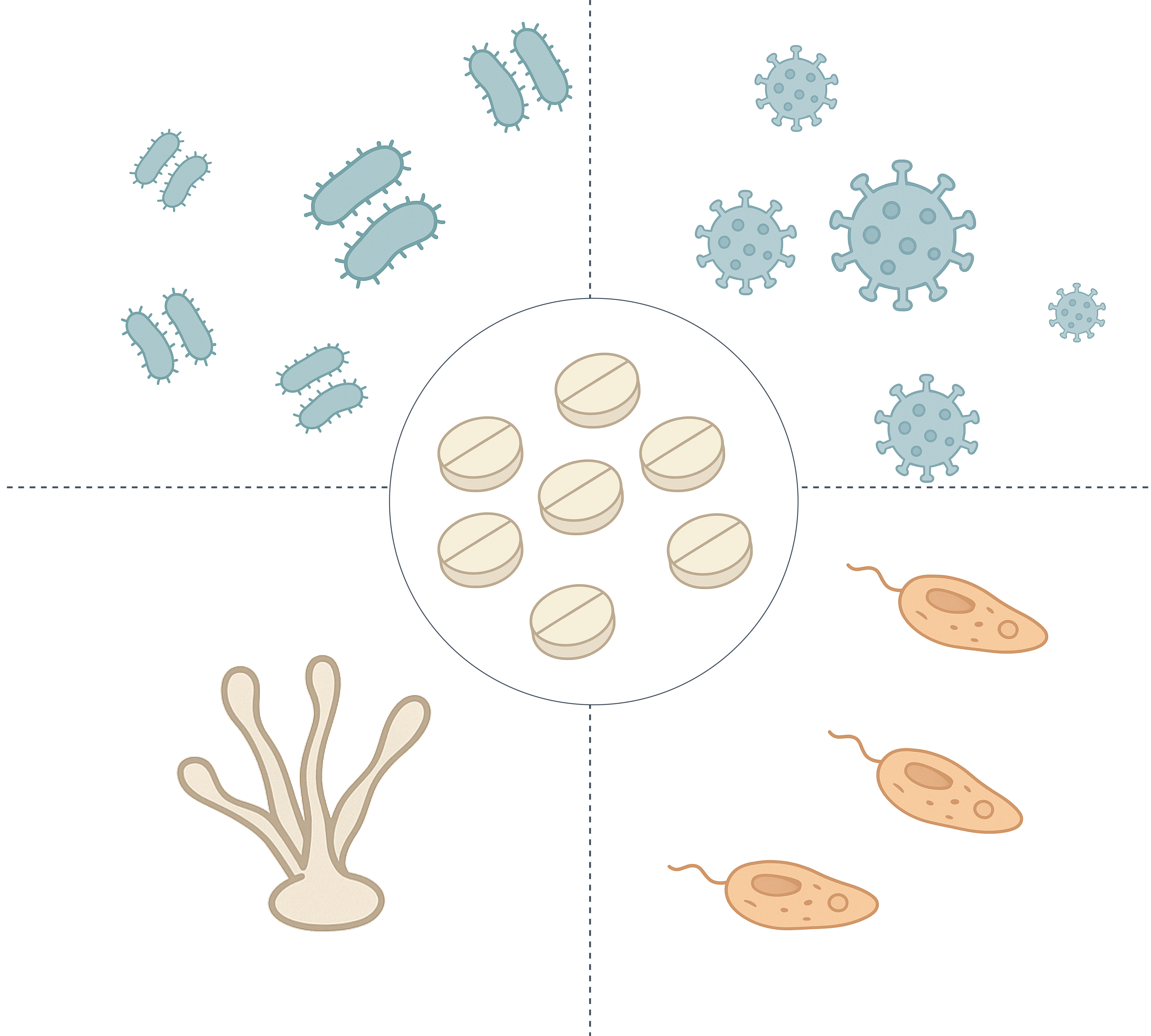
Anti-infectives are agents that eliminate or inhibit the spread of infectious organisms, encompassing antibiotics, antifungals, antivirals, and antiprotozoals.
Antibiotics are a class of antimicrobial agents specifically designed to target bacterial pathogens. They exert their effects by interfering with essential bacterial processes such as cell wall synthesis, protein synthesis, nucleic acid replication, and metabolic pathways, thereby either inhibiting bacterial growth or inducing bacterial death.
Antifungals are antimicrobial agents employed to combat fungal infections (mycoses) in humans and animals. Common antifungal classes include azoles, polyenes, echinocandins, and allylamines, which function by disrupting unique fungal structures or pathways, such as the synthesis or integrity of ergosterol-containing cell membranes and β-glucan-based cell walls, or by interfering with nucleic acid or protein synthesis.
Antivirals are compounds developed to inhibit the replication and spread of viruses within host organisms. Antivirals typically act by blocking viral entry, genome replication, protein processing, or virion assembly and release. Representative examples include nucleoside analogs, protease inhibitors, and neuraminidase inhibitors.
Antiprotozoals are drugs used to treat infections caused by protozoan parasites, including malaria, amebiasis, giardiasis, and trypanosomiasis. They act through a variety of mechanisms, including inhibition of nucleic acid synthesis, interference with mitochondrial function, and disruption of heme detoxification pathways in susceptible parasites.
-
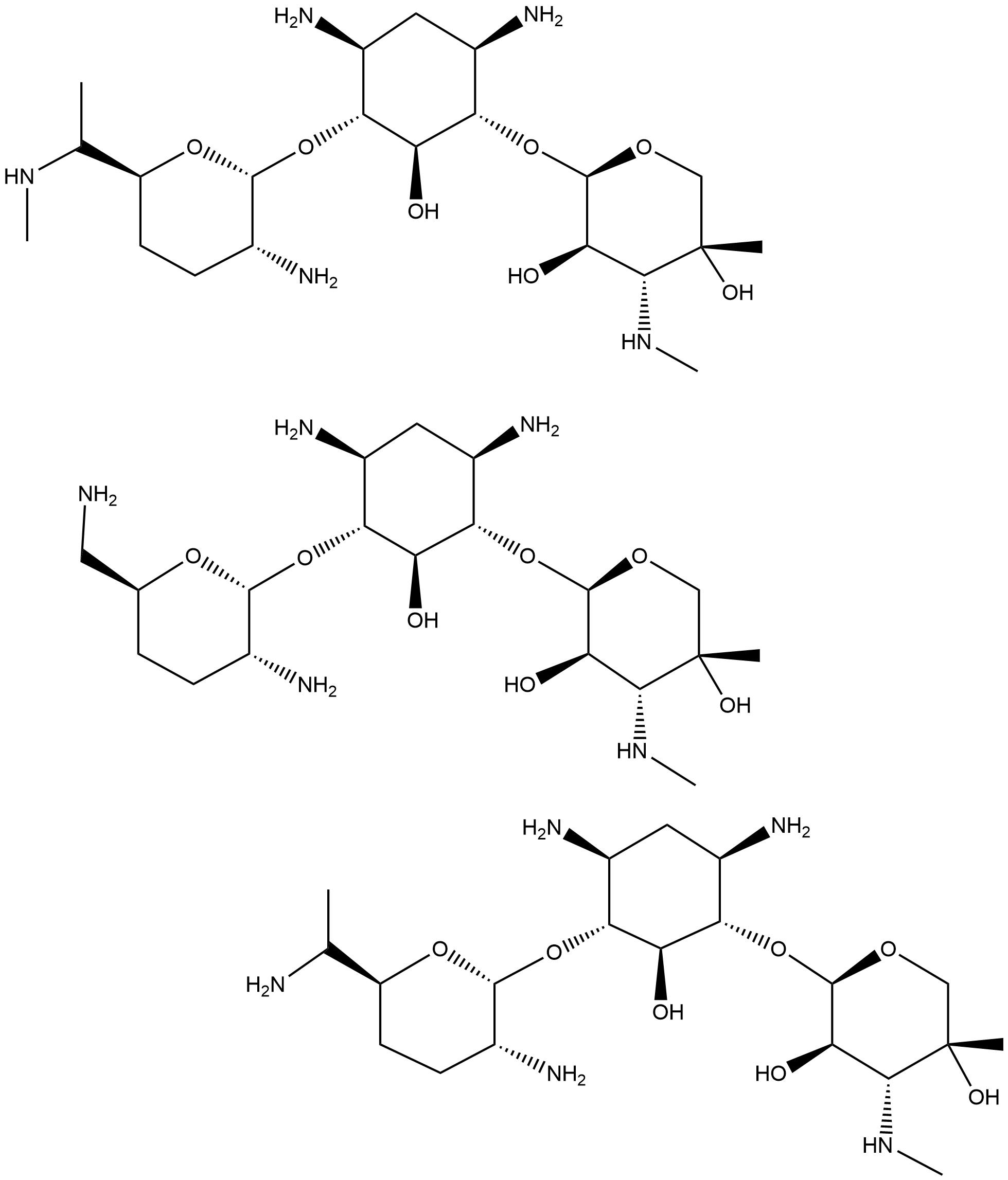 N2947 GentamicinSummary: Gentamicin is an aminoglycoside antibiotic that targets bacterial ribosomal protein synthesis and is widely utilized in microbiology, molecular biology, and cell culture contamination-control research.
 -
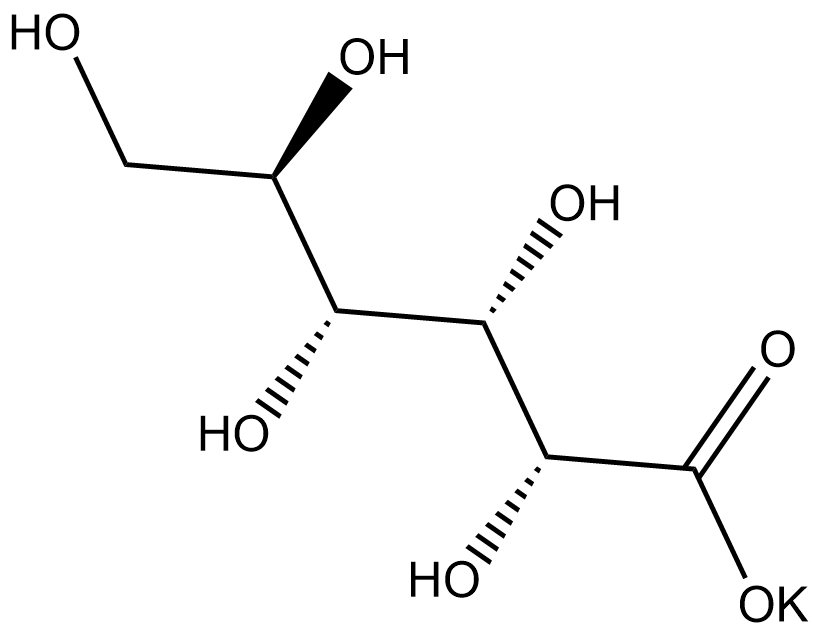 N2948 Potassium D-gluconateSummary: Potassium D-gluconate is a potassium salt of D-gluconic acid used as an ionic strength modifier and potassium source in biochemical and cell culture research.
 -
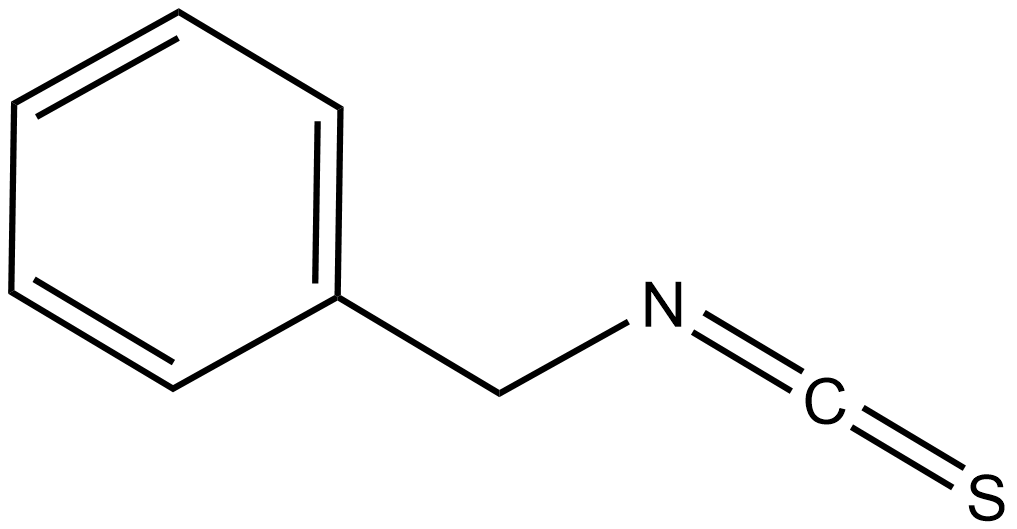 N2949 Benzyl isothiocyanateSummary: Benzyl isothiocyanate is a naturally occurring isothiocyanate that modulates phase II detoxification and apoptosis-related signaling, widely utilized in cancer chemoprevention research.
 -
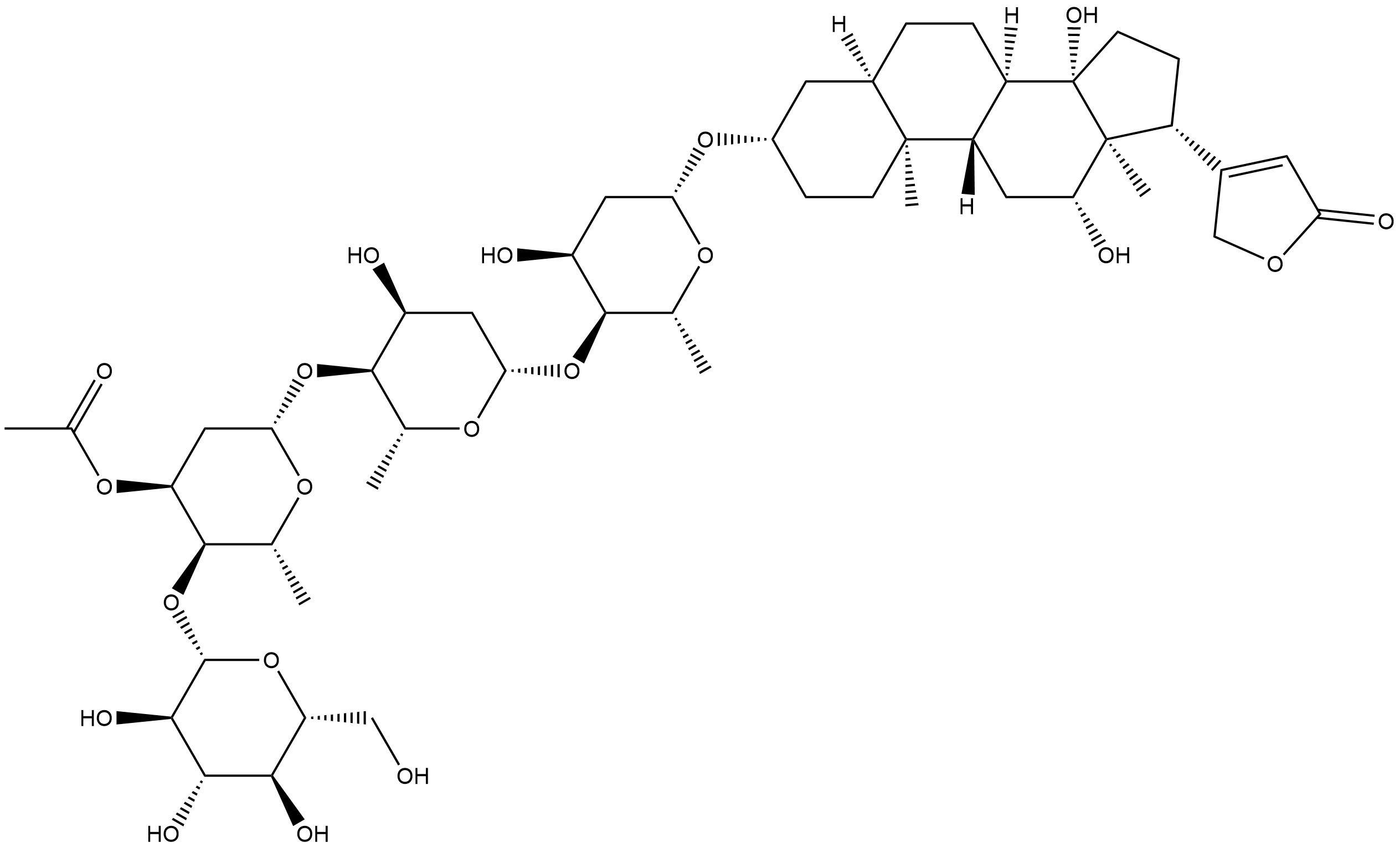 N2951 Lanatoside CSummary: Lanatoside C is a cardiac glycoside and Na⁺/K⁺⁺-ATPase modulator used to investigate ion-transport signaling and cell physiology in pharmacological research.
 -
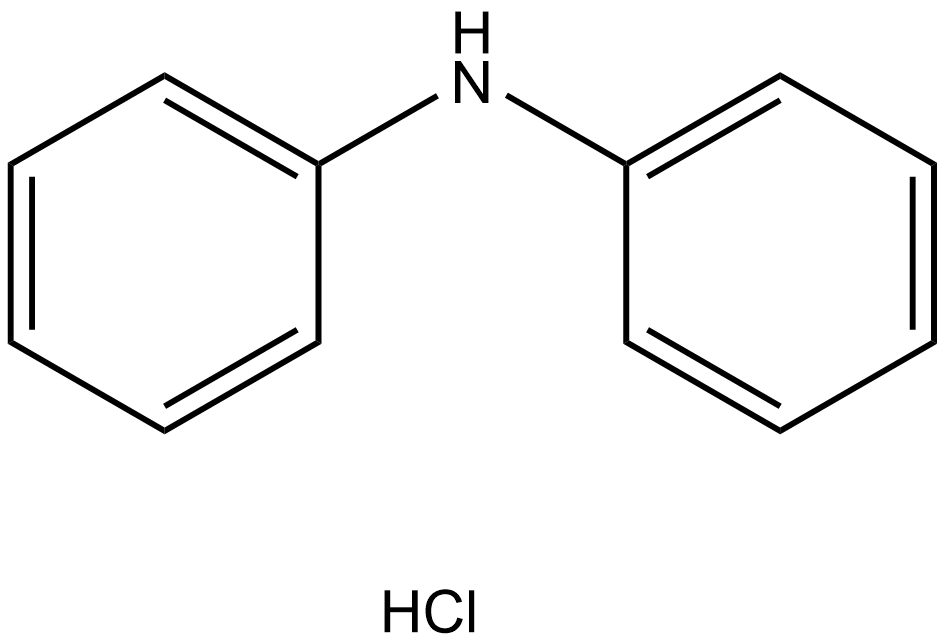 N2953 Diphenylamine HydrochlorideSummary: Diphenylamine Hydrochloride is an aromatic amine derivative used as a redox-reactive reagent for oxidative stress assays and analytical chemistry research applications.
 -
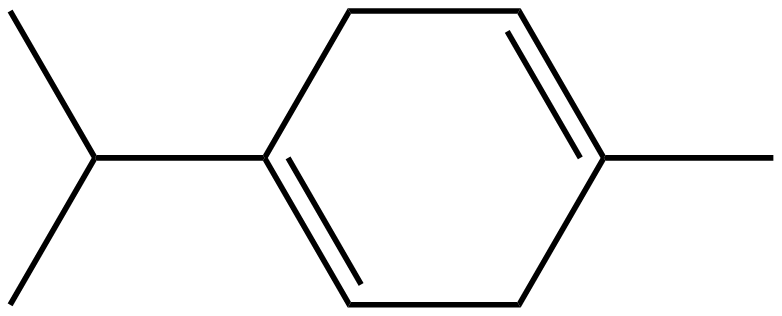 N2962 γ-TerpineneSummary: γ-Terpinene (CAS 99-85-4) is a monoterpene hydrocarbon used as a reference compound in oxidative stress, natural products, and analytical chemistry research.
 -
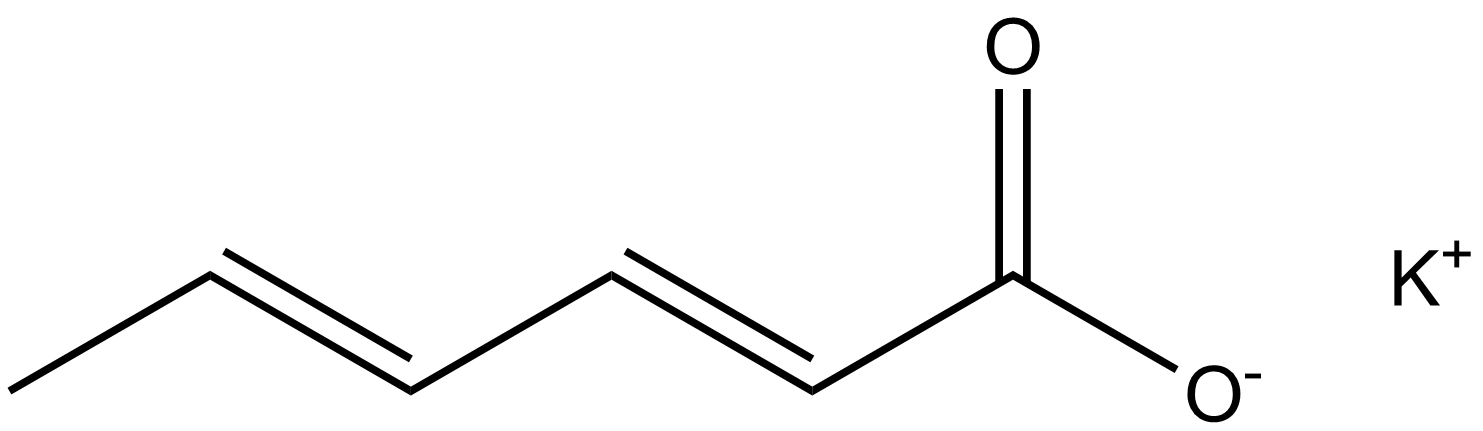 N2963 Potassium sorbateSummary: Potassium sorbate is a food-grade preservative and unsaturated fatty acid salt that inhibits microbial growth, widely utilized in microbiology and formulation stability research.
 -
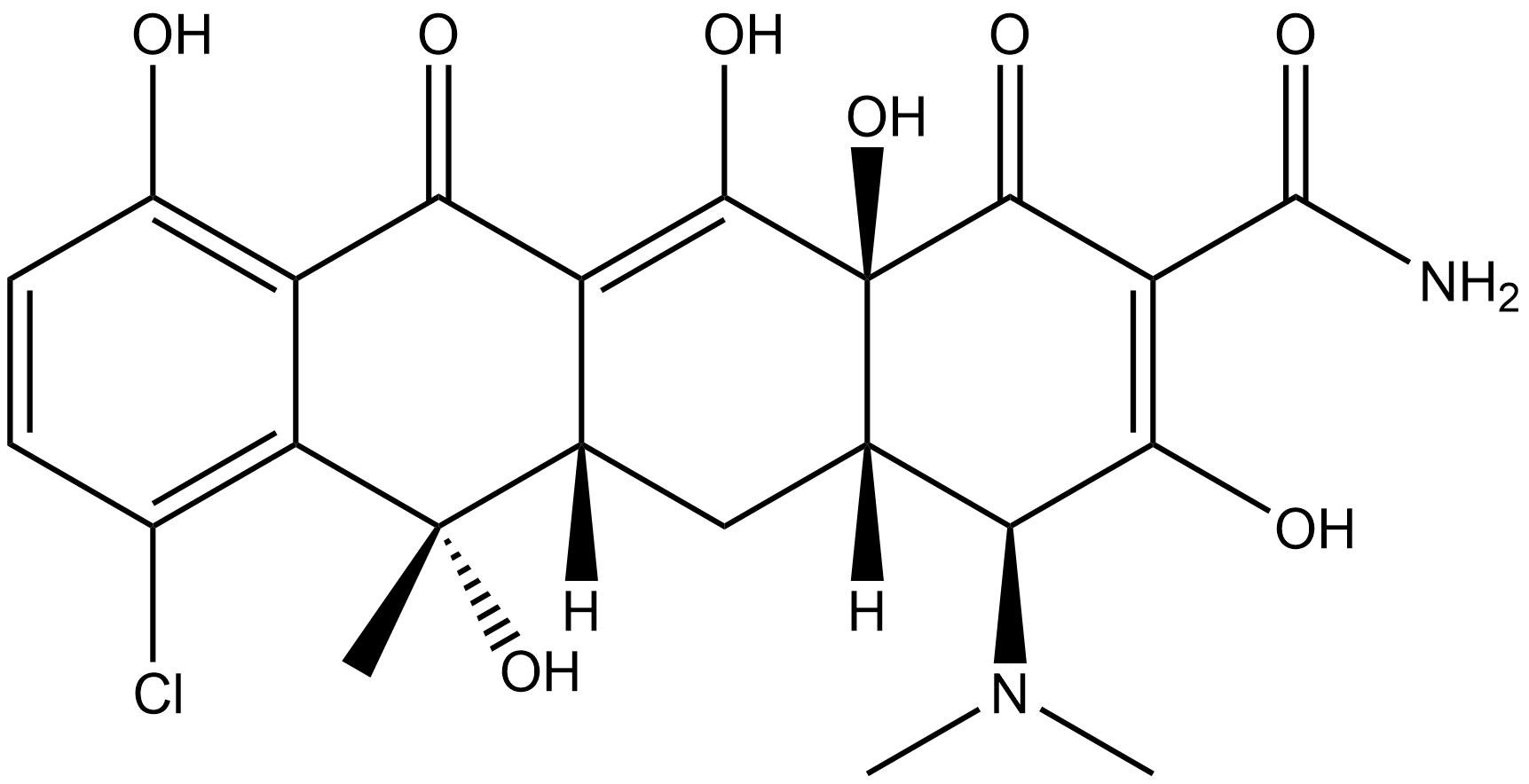 B8613 ChlorotetracyclineSummary: Chlorotetracycline is a broad-spectrum tetracycline-class antibiotic that inhibits bacterial protein synthesis via 30S ribosomal binding, widely utilized in microbiology and antimicrobial resistance research.
 -
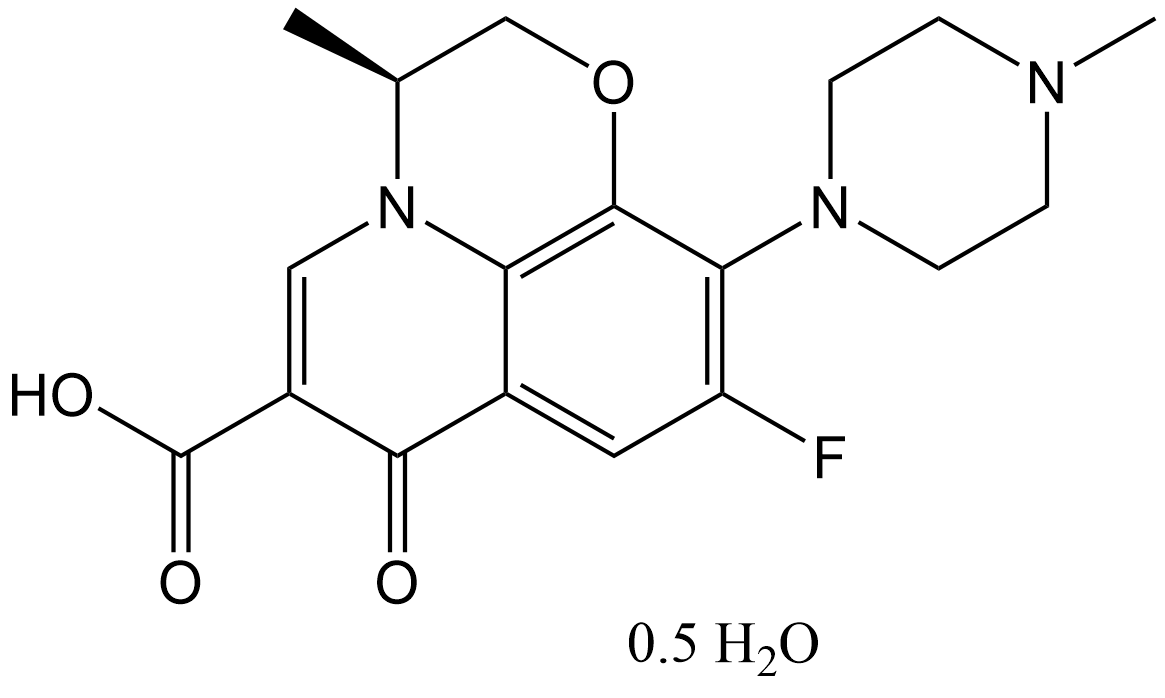 N2897 Levofloxacin hemihydrateSummary: A broad-spectrum third-generation fluoroquinolone antibiotic that targets bacterial DNA gyrase and topoisomerase IV.
 -
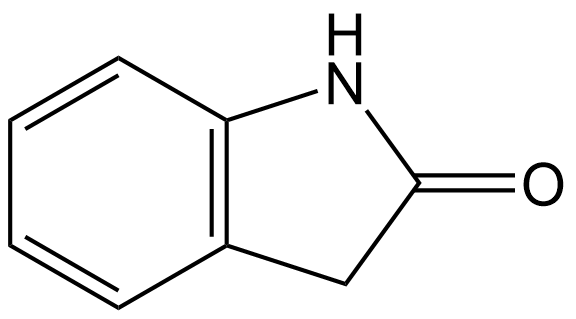 B8654 OxindoleSummary: An aromatic heterocyclic compound used for the synthesis of kinase inhibitor derivatives.