


Anti-infection
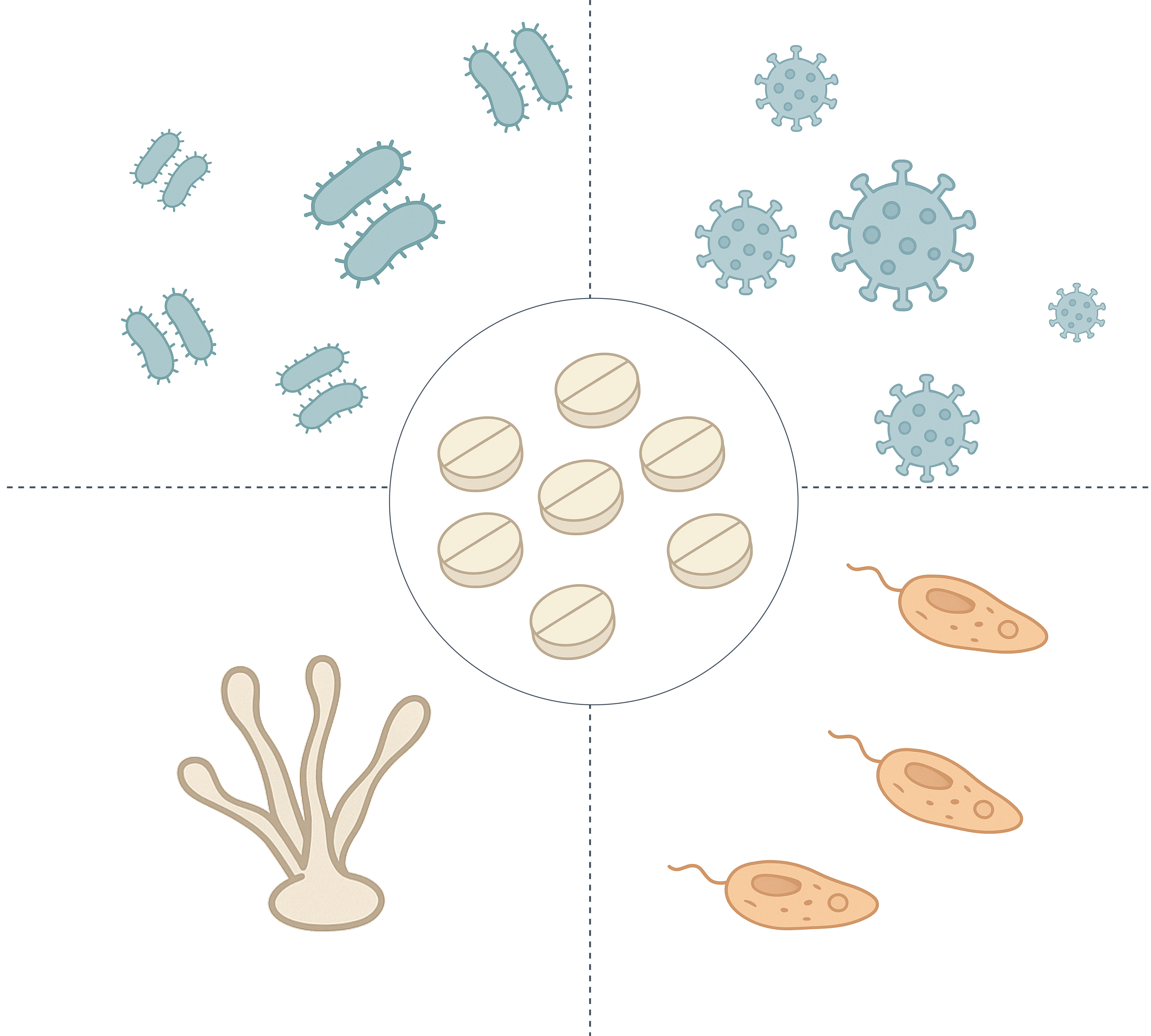
Anti-infectives are agents that eliminate or inhibit the spread of infectious organisms, encompassing antibiotics, antifungals, antivirals, and antiprotozoals.
Antibiotics are a class of antimicrobial agents specifically designed to target bacterial pathogens. They exert their effects by interfering with essential bacterial processes such as cell wall synthesis, protein synthesis, nucleic acid replication, and metabolic pathways, thereby either inhibiting bacterial growth or inducing bacterial death.
Antifungals are antimicrobial agents employed to combat fungal infections (mycoses) in humans and animals. Common antifungal classes include azoles, polyenes, echinocandins, and allylamines, which function by disrupting unique fungal structures or pathways, such as the synthesis or integrity of ergosterol-containing cell membranes and β-glucan-based cell walls, or by interfering with nucleic acid or protein synthesis.
Antivirals are compounds developed to inhibit the replication and spread of viruses within host organisms. Antivirals typically act by blocking viral entry, genome replication, protein processing, or virion assembly and release. Representative examples include nucleoside analogs, protease inhibitors, and neuraminidase inhibitors.
Antiprotozoals are drugs used to treat infections caused by protozoan parasites, including malaria, amebiasis, giardiasis, and trypanosomiasis. They act through a variety of mechanisms, including inhibition of nucleic acid synthesis, interference with mitochondrial function, and disruption of heme detoxification pathways in susceptible parasites.
-
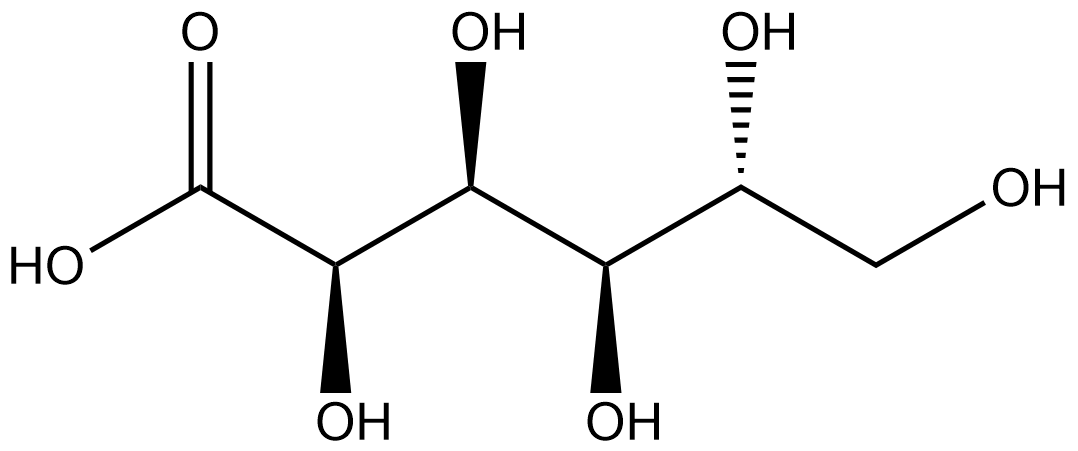 C8940 D-Gluconic acid (50% w/w in H2O)Summary: D-Gluconic acid (50% w/w in H2O) is a sugar acid metabolite used as a chelating and pH-modulating reagent in biochemical analysis, microbial metabolism, and enzymology research.
 -
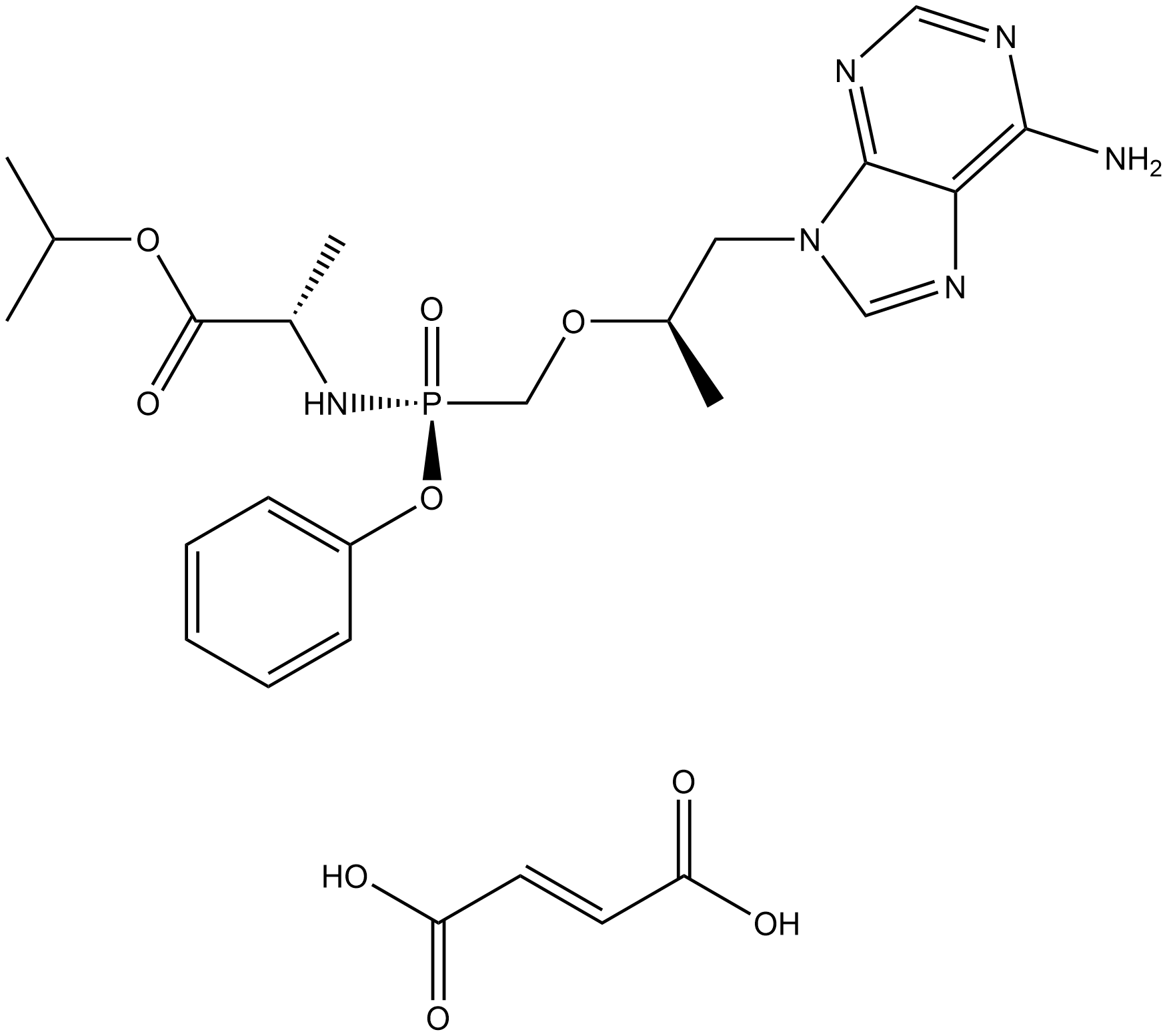 C8942 Tenofovir alafenamide hemifumarateSummary: Tenofovir alafenamide hemifumarate is a phosphonamidate prodrug of tenofovir, acting on HIV-1 reverse transcriptase and utilized in antiviral mechanism and resistance research.
 -
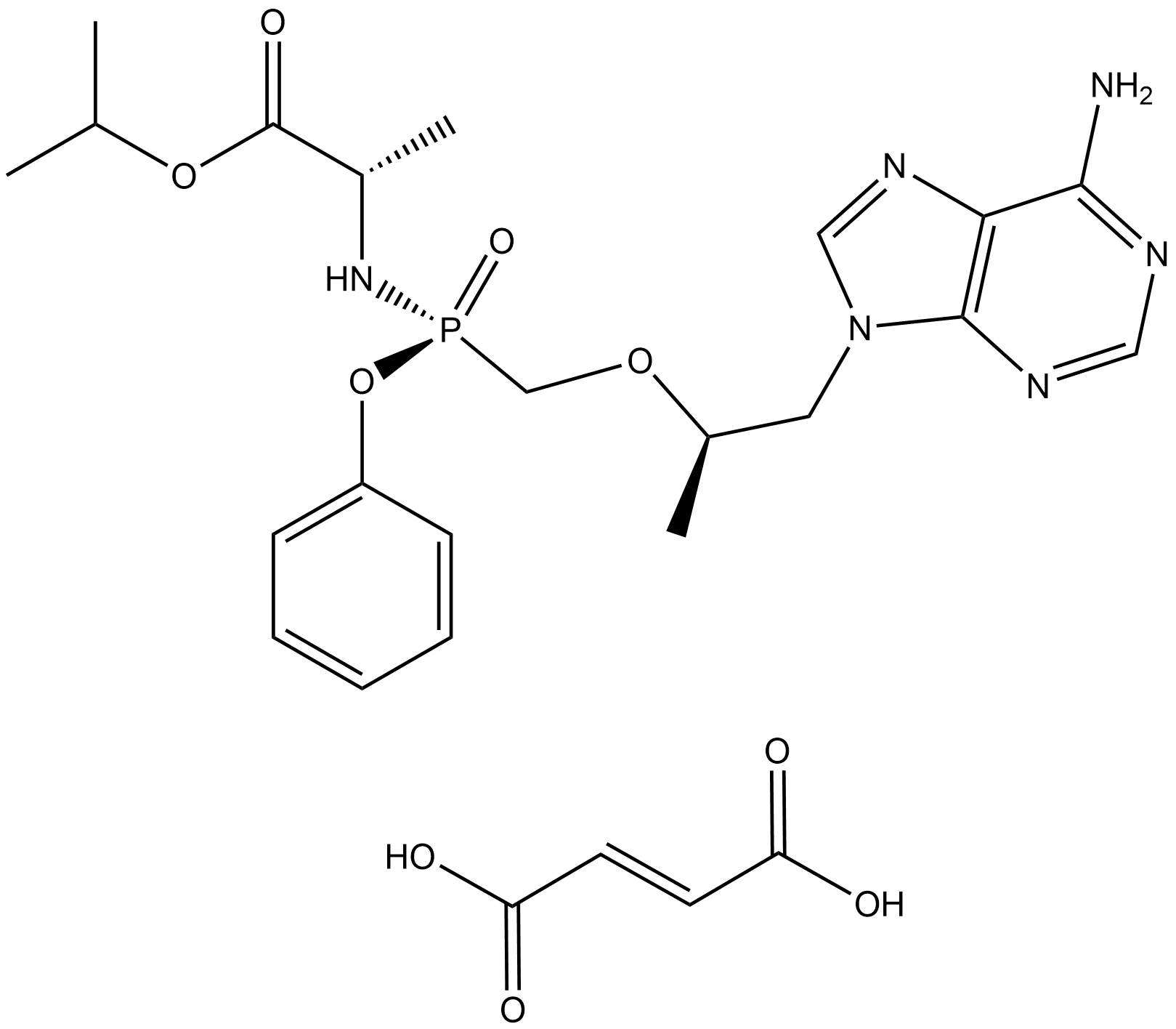 C8943 Tenofovir alafenamide fumarateSummary: Tenofovir alafenamide fumarate is a phosphonamidate nucleotide prodrug and reverse transcriptase inhibitor employed in antiviral mechanism studies and nucleoside analog research.
 -
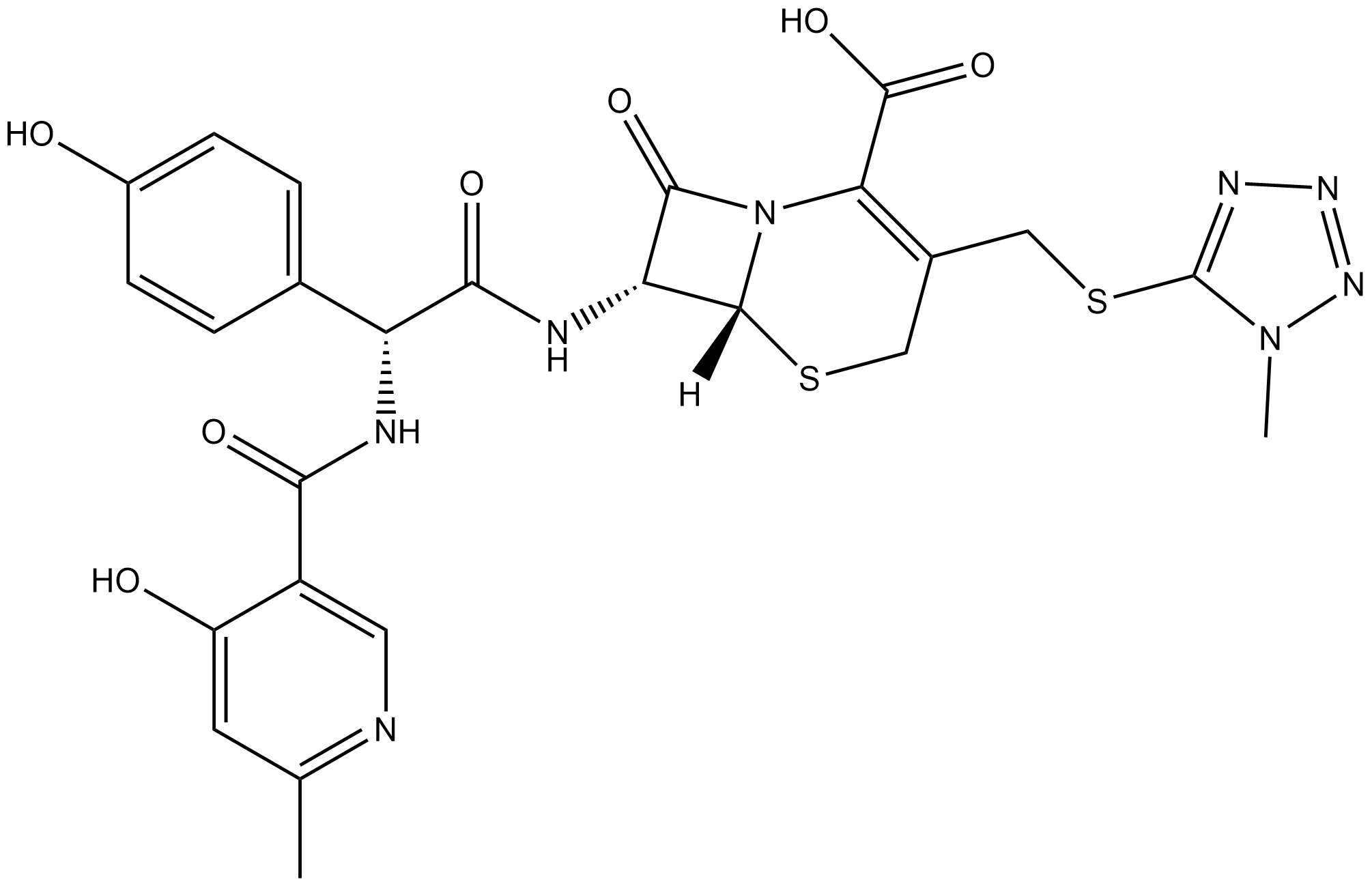 C8948 CefpiramideSummary: Cefpiramide is a third-generation cephalosporin β-lactam compound that inhibits bacterial cell wall peptidoglycan synthesis, widely utilized in antimicrobial and resistance mechanism research.
 -
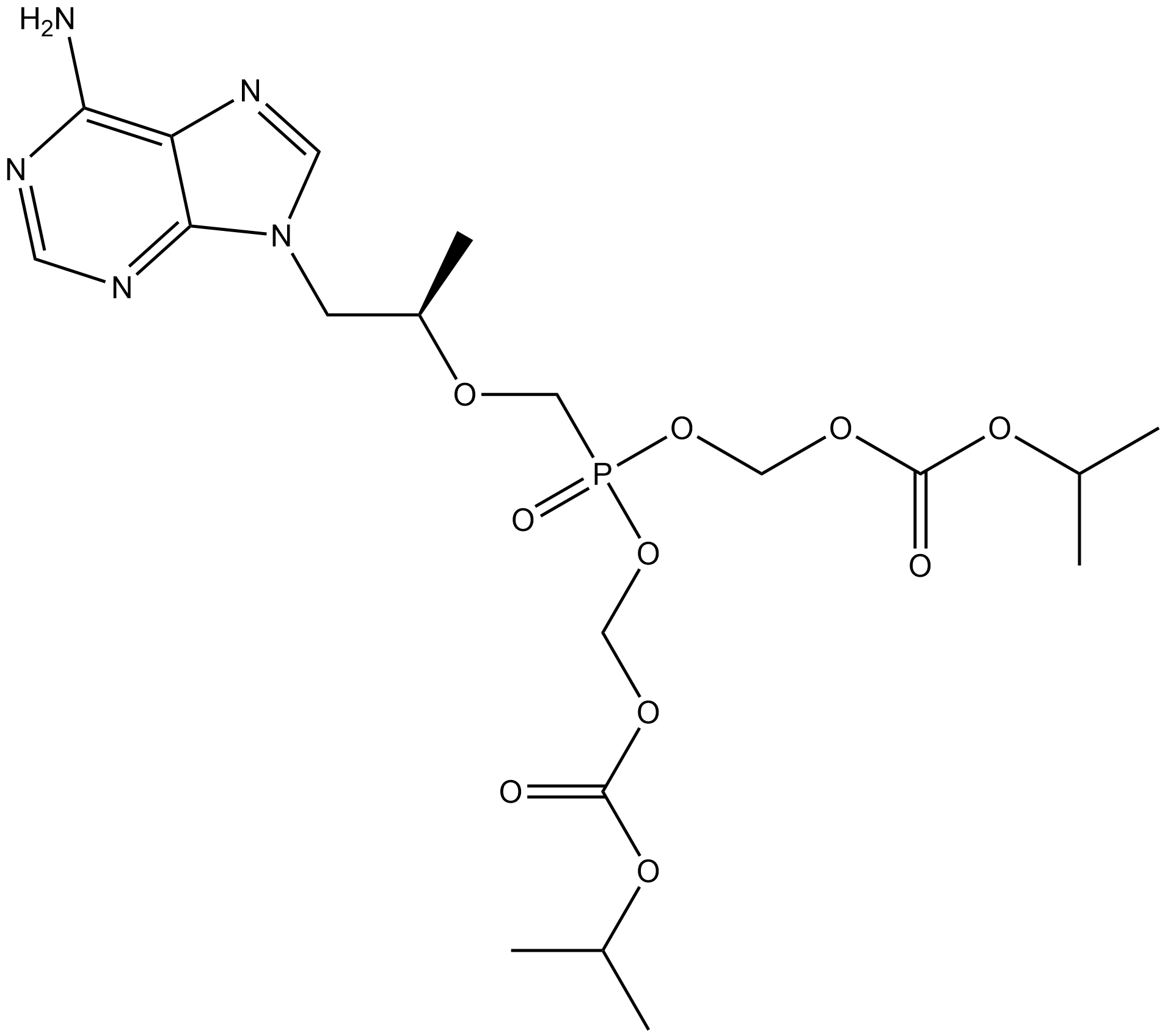 C8955 Tenofovir DisoproxilSummary: Tenofovir Disoproxil is a nucleotide reverse transcriptase inhibitor prodrug targeting viral reverse transcriptase, widely utilized in antiviral mechanism studies and virology research.
 -
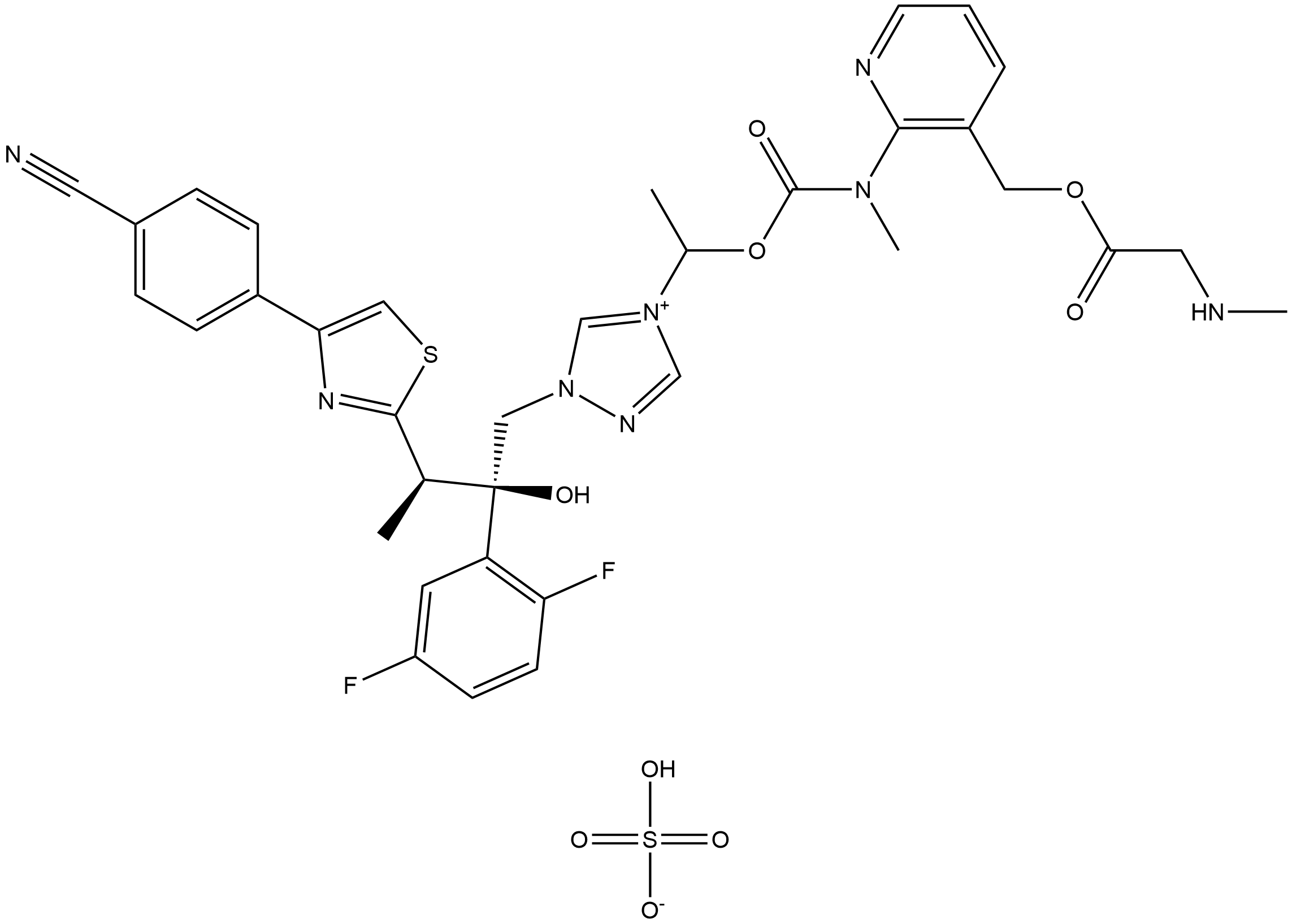 C8967 Isavuconazonium sulfateSummary: Isavuconazonium sulfate is a triazole prodrug that inhibits fungal CYP51-mediated ergosterol biosynthesis, widely utilized in antifungal mechanism and resistance research.
 -
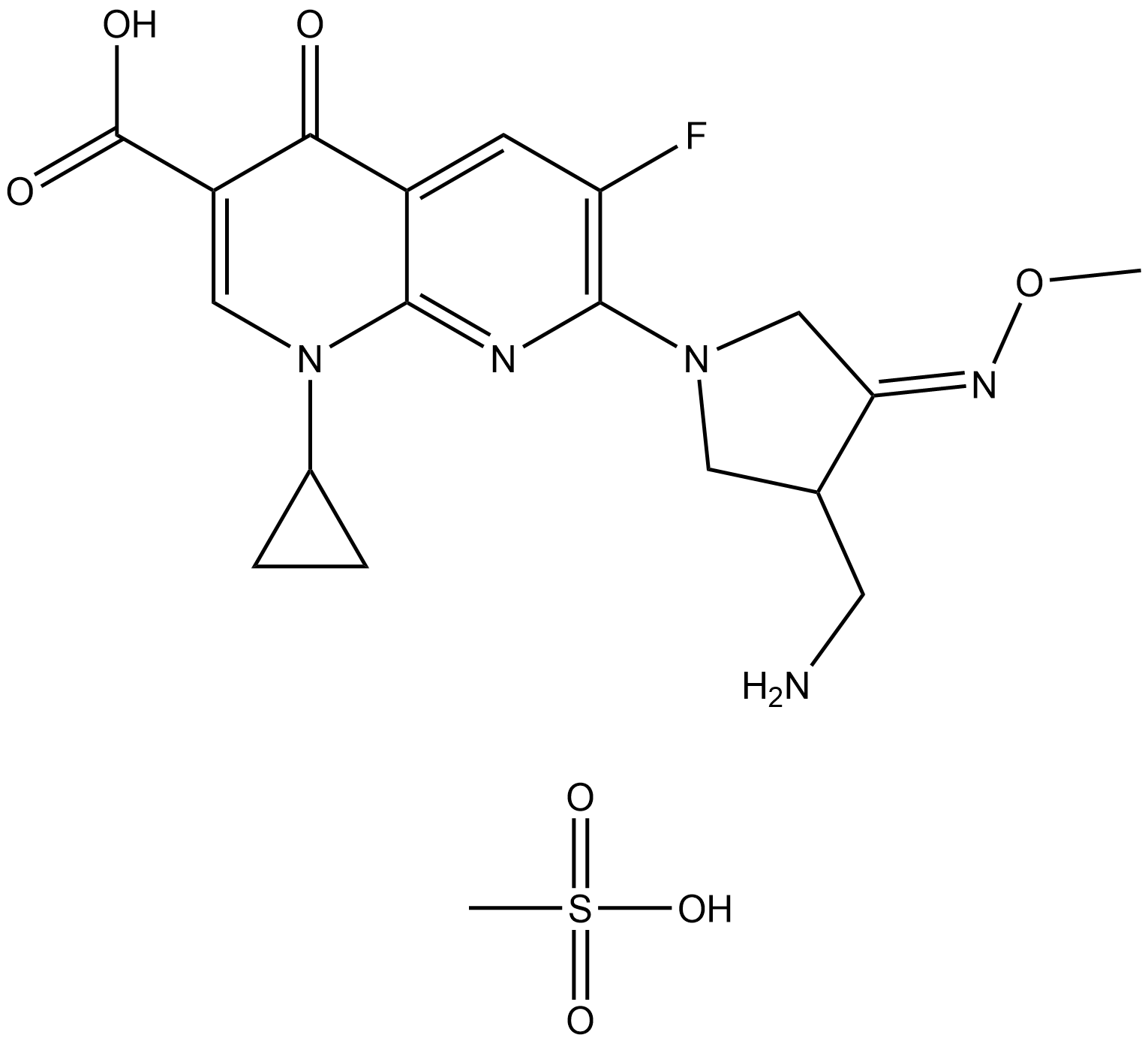 C8970 Gemifloxacin mesylateSummary: Gemifloxacin mesylate is a fluoroquinolone antibacterial agent targeting DNA gyrase and topoisomerase IV, widely utilized in microbiology and bacterial resistance mechanism research.
 -
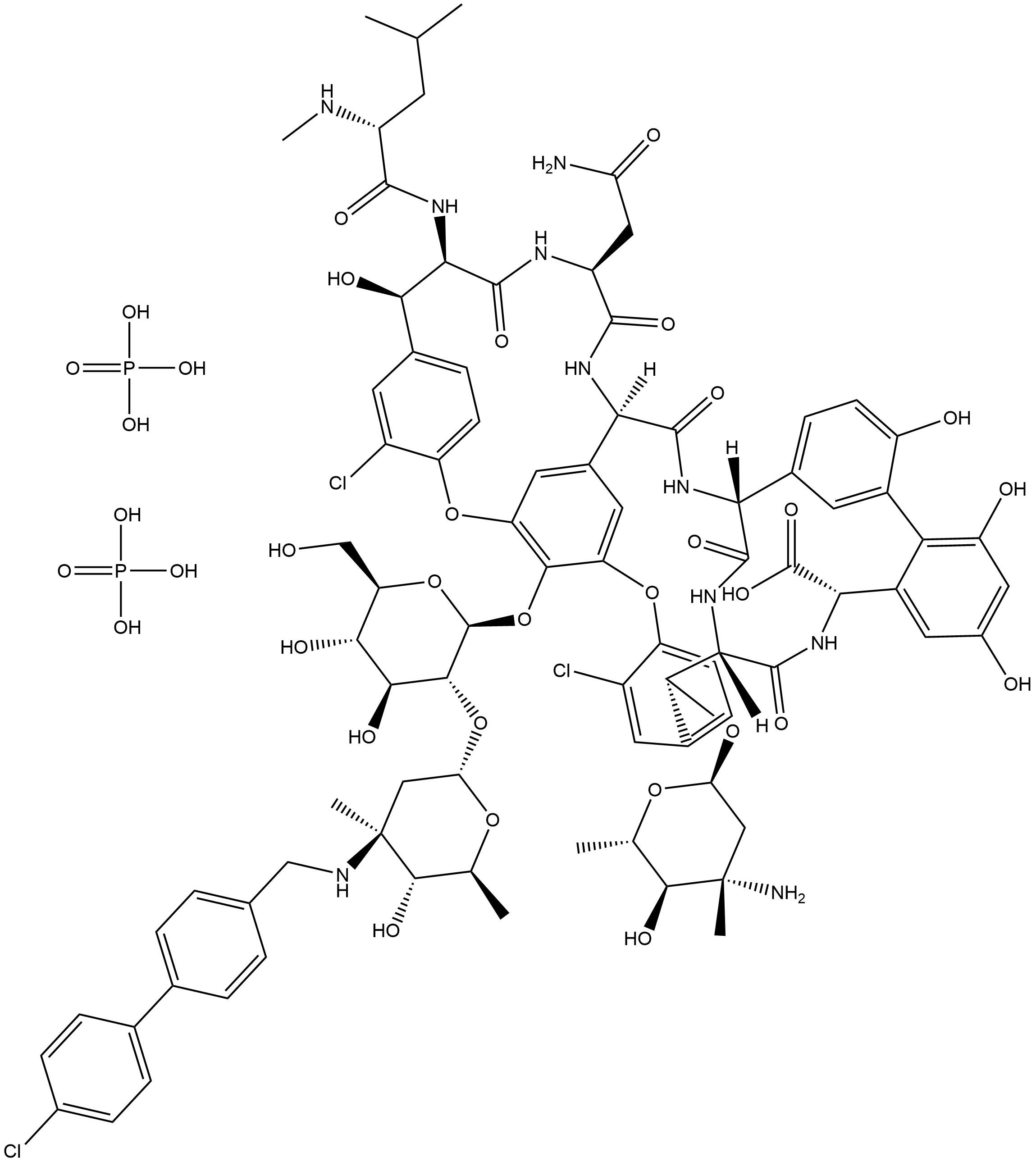 C8971 Oritavancin DiphosphateSummary: Oritavancin diphosphate is a semisynthetic lipoglycopeptide antibacterial agent targeting Gram-positive cell wall synthesis, widely utilized in microbiology and antimicrobial resistance mechanism research.
 -
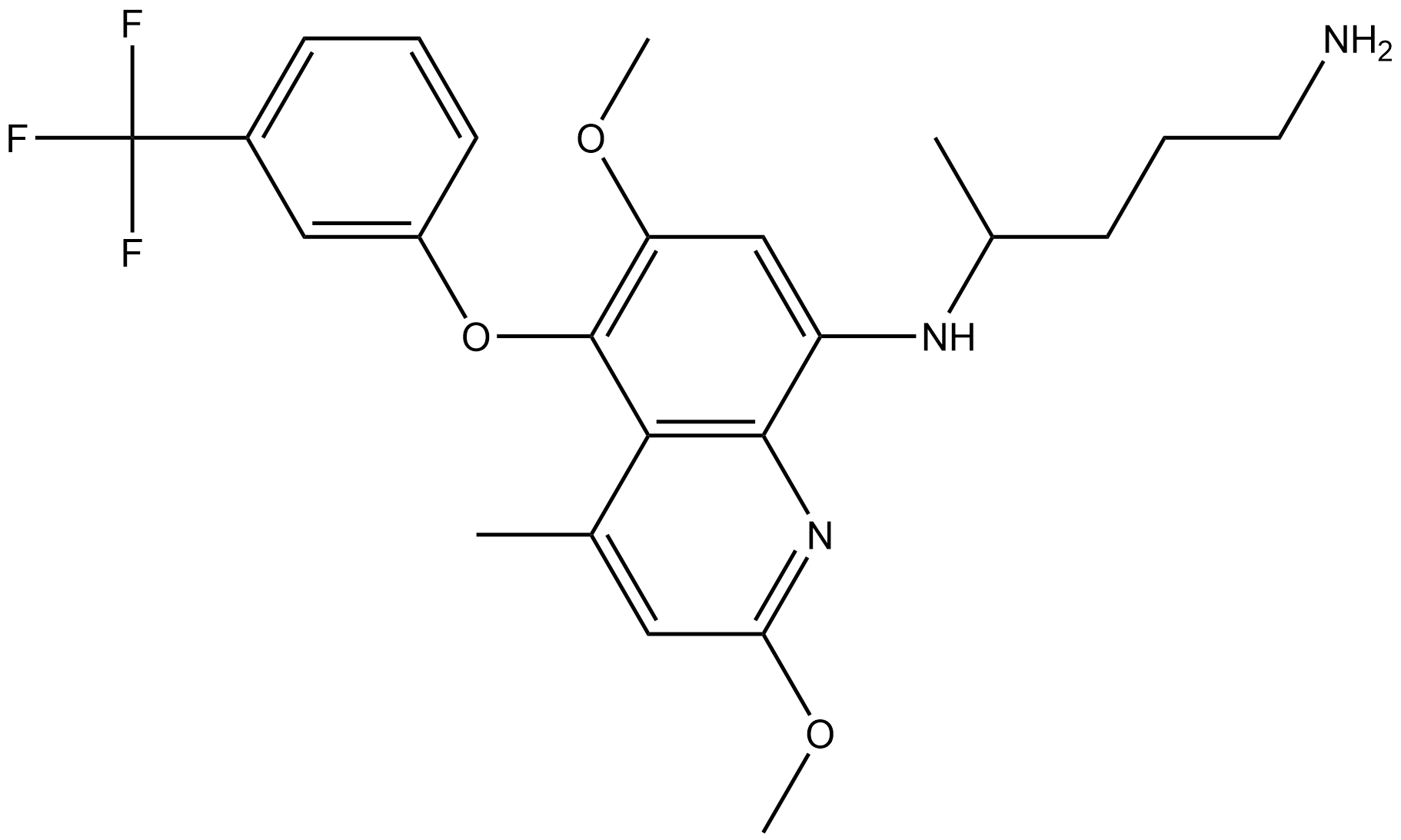 C8983 TafenoquineSummary: Tafenoquine is an 8-aminoquinoline antimalarial compound targeting Plasmodium mitochondrial function, widely utilized as a chemical probe in parasitology and antiplasmodial mechanism-of-action research.
 -
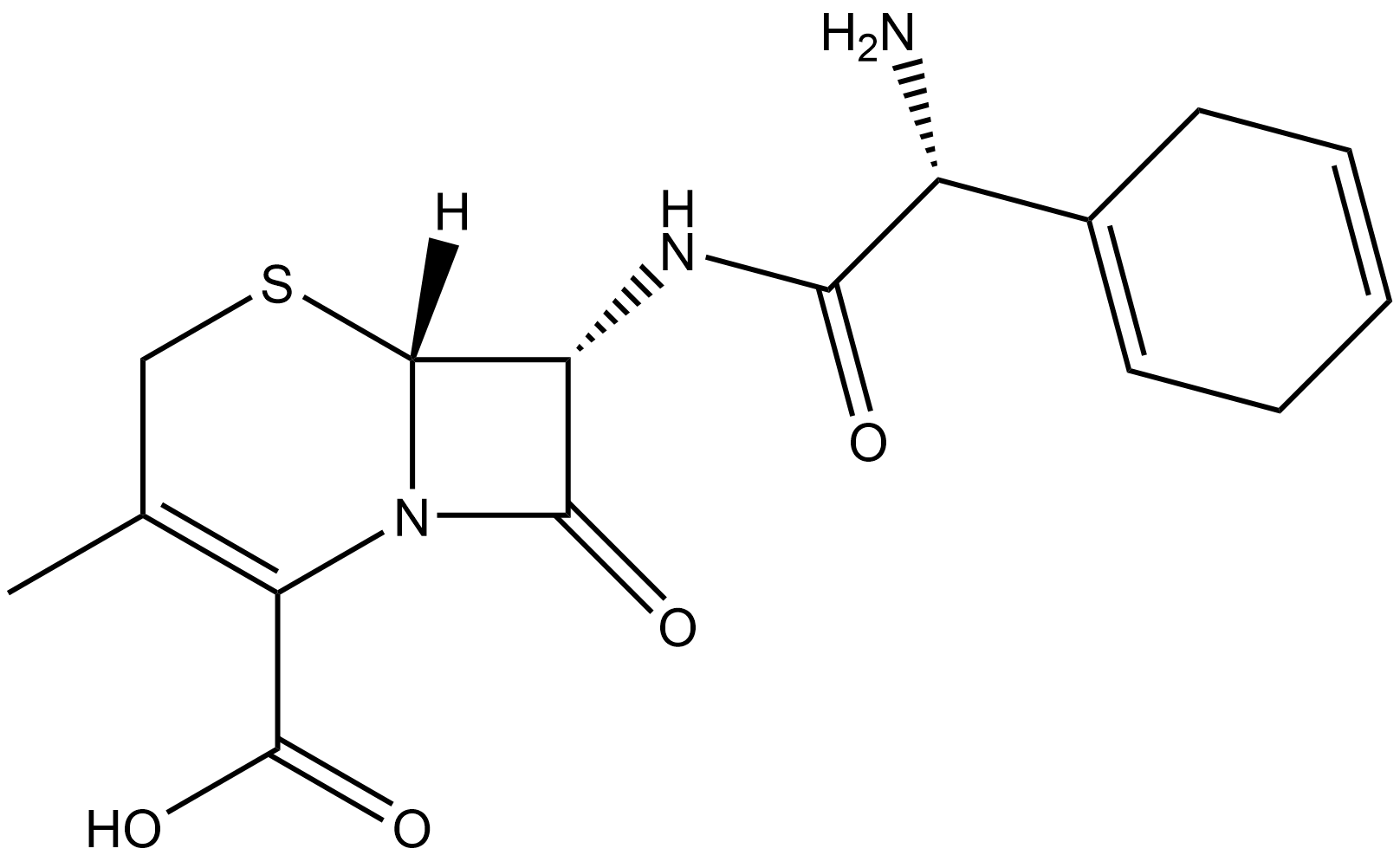 C8999 CefradineSummary: Cefradine is a first-generation cephalosporin β-lactam antibiotic that inhibits bacterial cell wall synthesis and is utilized in microbiology and antimicrobial resistance research.