


Anti-infection
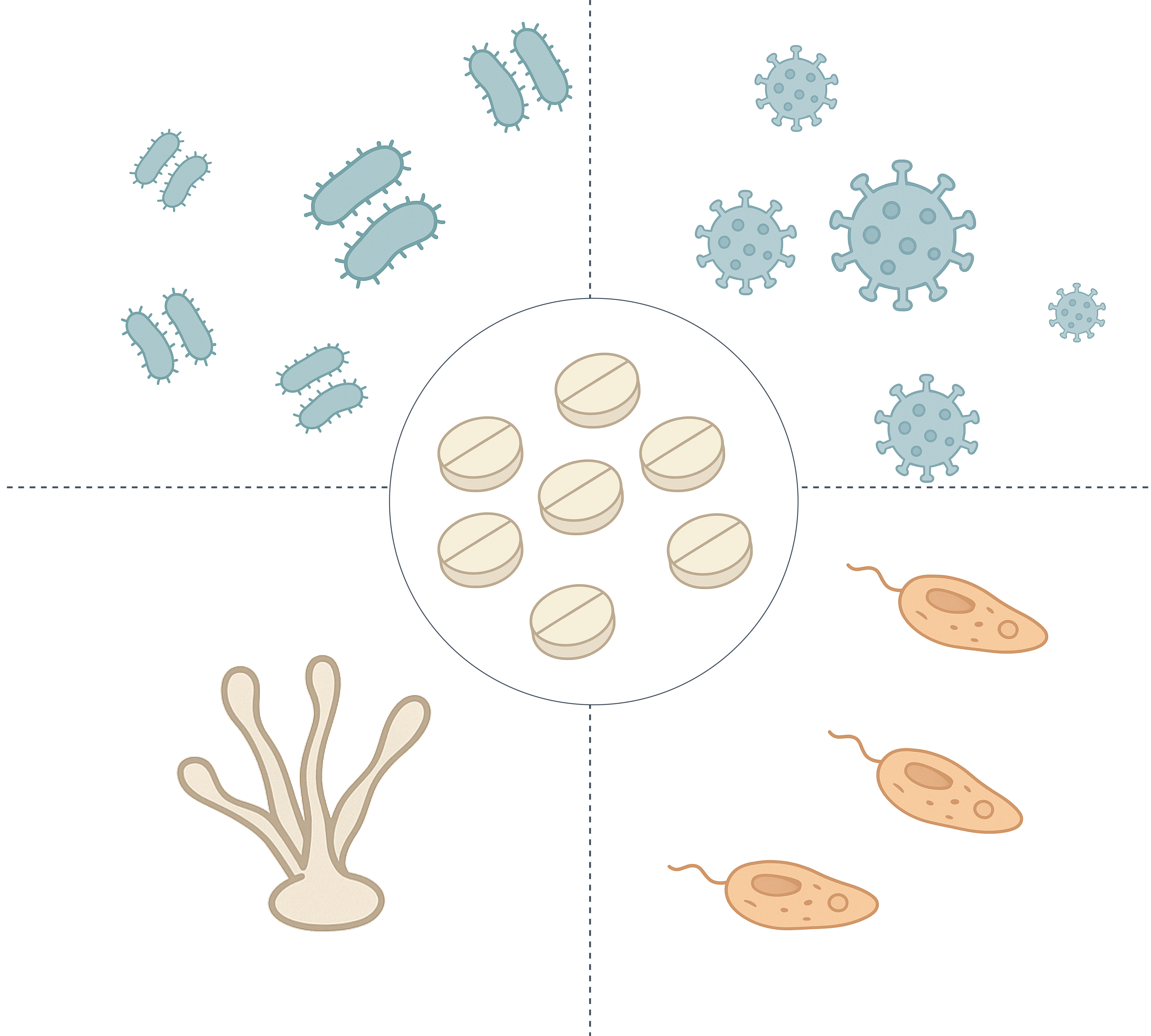
Anti-infectives are agents that eliminate or inhibit the spread of infectious organisms, encompassing antibiotics, antifungals, antivirals, and antiprotozoals.
Antibiotics are a class of antimicrobial agents specifically designed to target bacterial pathogens. They exert their effects by interfering with essential bacterial processes such as cell wall synthesis, protein synthesis, nucleic acid replication, and metabolic pathways, thereby either inhibiting bacterial growth or inducing bacterial death.
Antifungals are antimicrobial agents employed to combat fungal infections (mycoses) in humans and animals. Common antifungal classes include azoles, polyenes, echinocandins, and allylamines, which function by disrupting unique fungal structures or pathways, such as the synthesis or integrity of ergosterol-containing cell membranes and β-glucan-based cell walls, or by interfering with nucleic acid or protein synthesis.
Antivirals are compounds developed to inhibit the replication and spread of viruses within host organisms. Antivirals typically act by blocking viral entry, genome replication, protein processing, or virion assembly and release. Representative examples include nucleoside analogs, protease inhibitors, and neuraminidase inhibitors.
Antiprotozoals are drugs used to treat infections caused by protozoan parasites, including malaria, amebiasis, giardiasis, and trypanosomiasis. They act through a variety of mechanisms, including inhibition of nucleic acid synthesis, interference with mitochondrial function, and disruption of heme detoxification pathways in susceptible parasites.
-
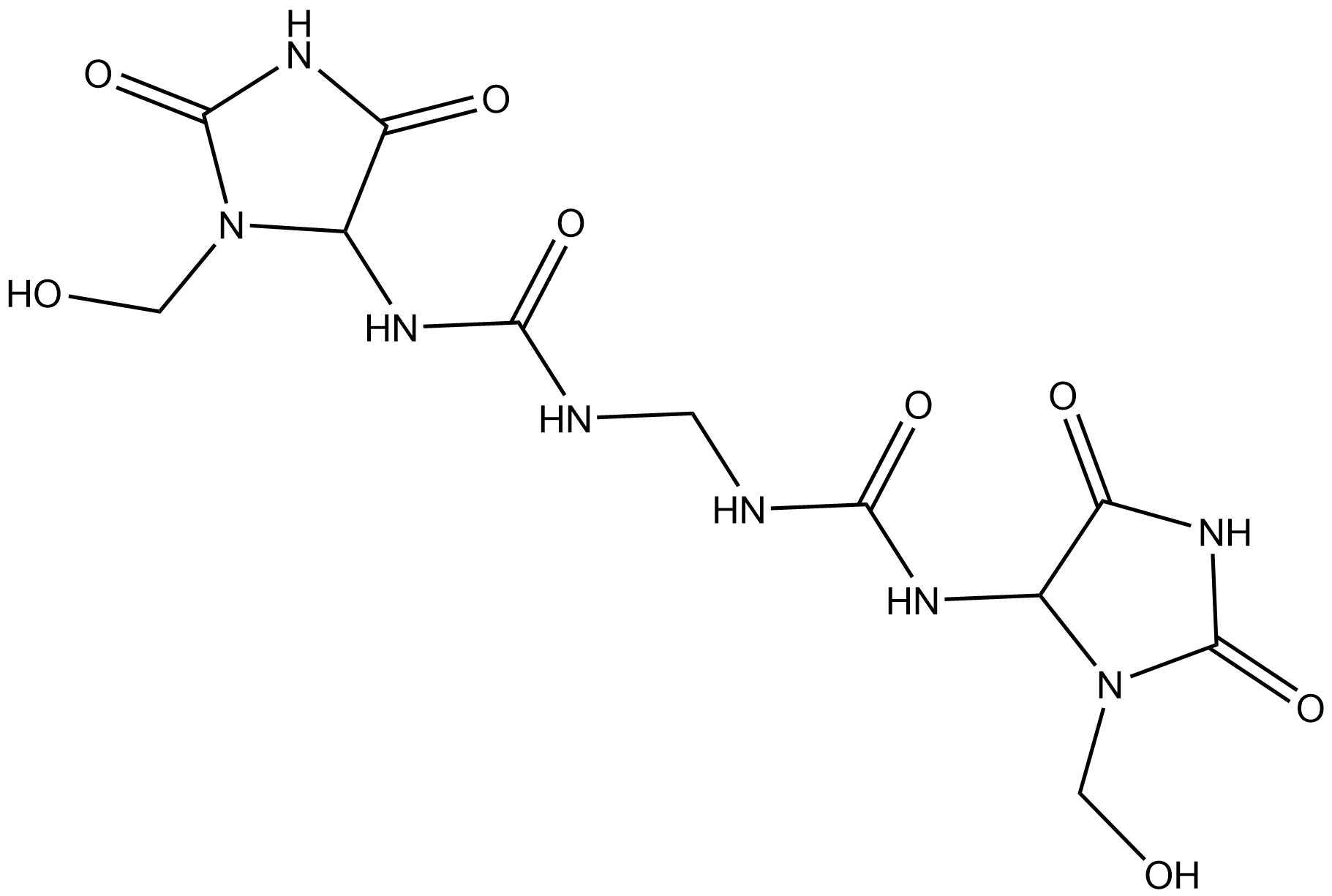 C8857 Imidazolidinyl UreaSummary: Imidazolidinyl Urea is a formaldehyde-releasing antimicrobial preservative utilized as a model compound in microbiology, formulation stability, and preservative efficacy research.
 -
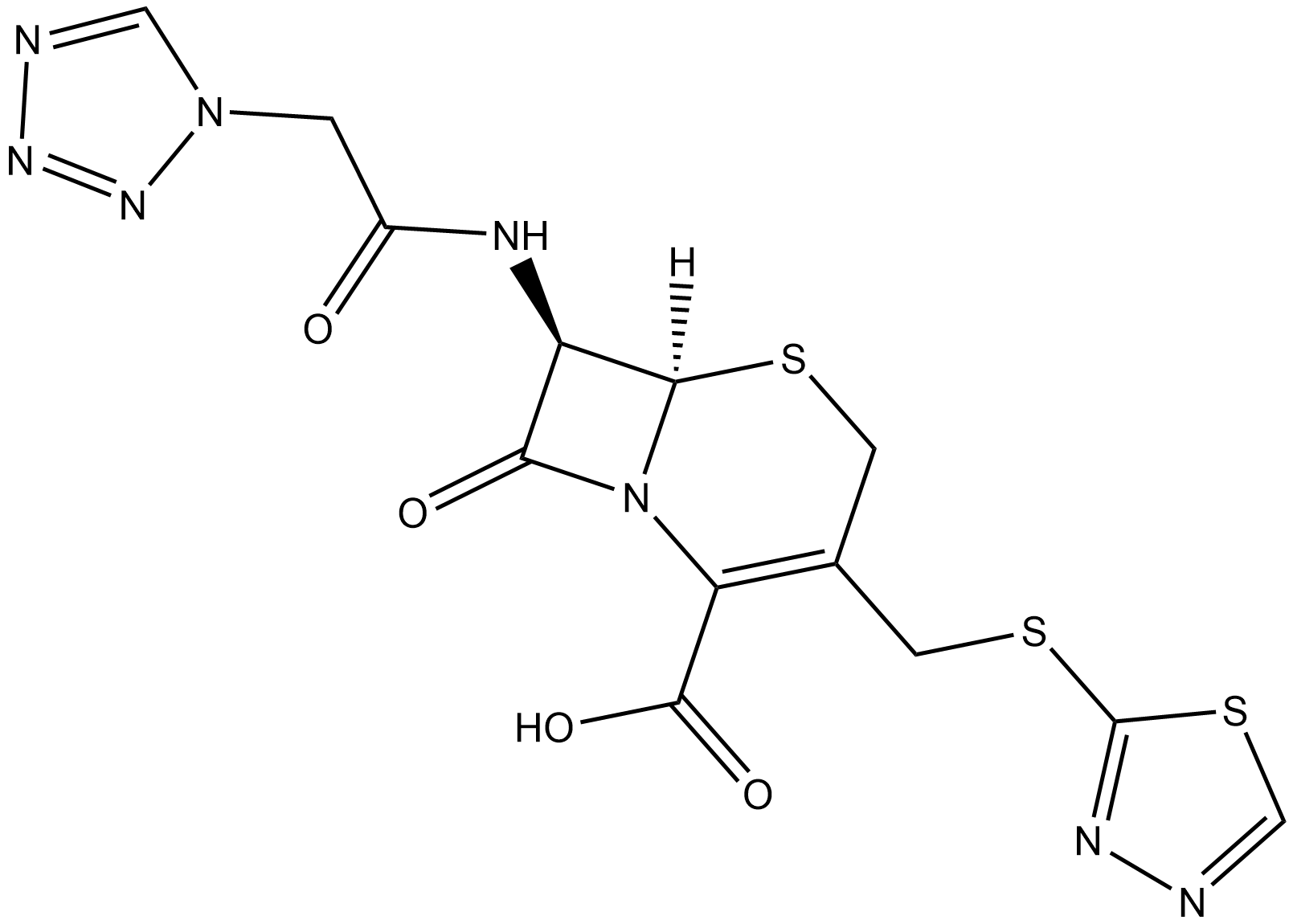 C8862 CeftezoleSummary: Ceftezole is a first-generation cephalosporin β-lactam antibiotic that inhibits bacterial cell-wall peptidoglycan synthesis, widely utilized in microbiology and antibacterial resistance research.
 -
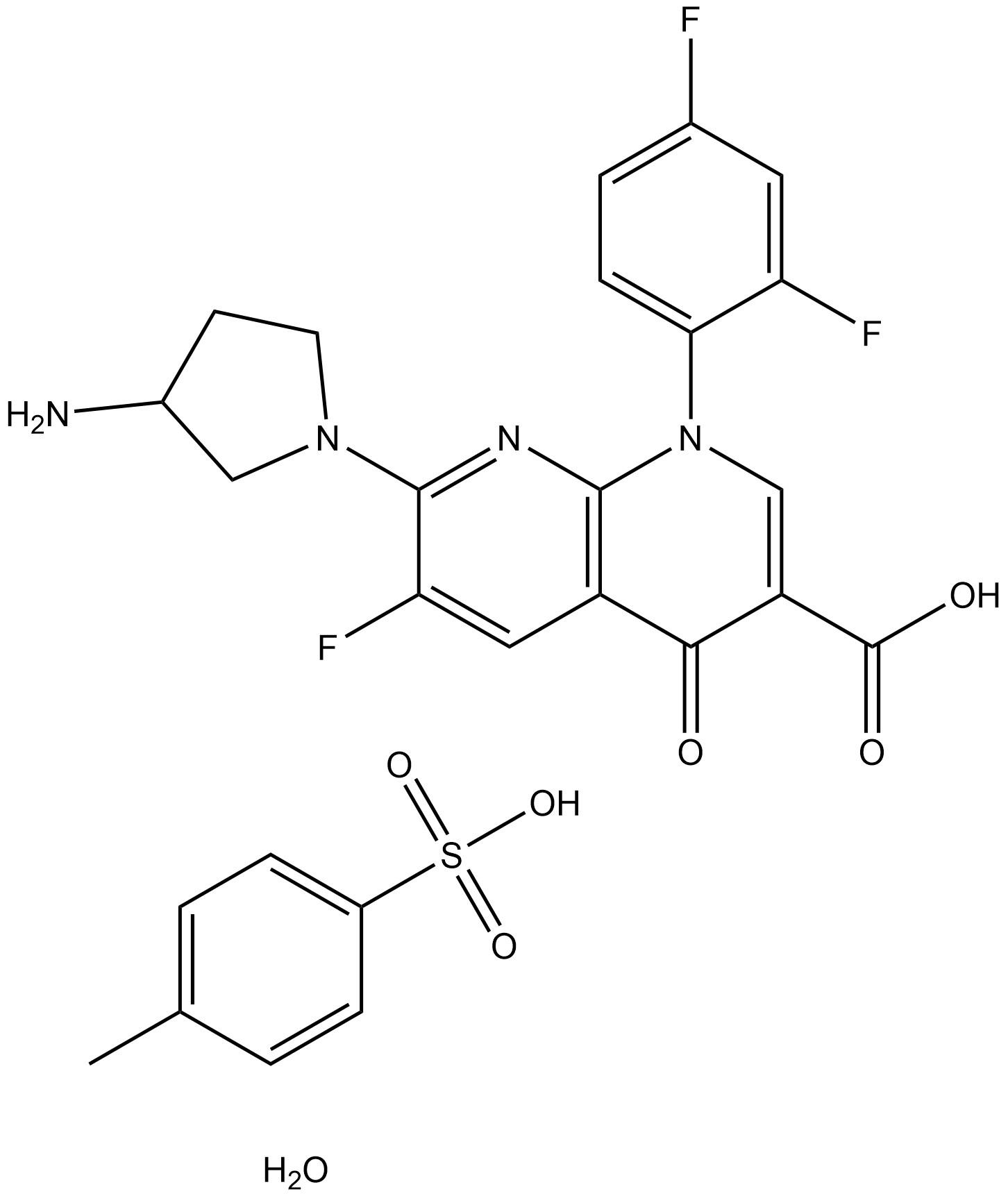 C8864 Tosufloxacin p-Toluenesulfonate HydrateSummary: Tosufloxacin p-Toluenesulfonate Hydrate is a fluoroquinolone antibacterial compound targeting bacterial DNA gyrase and topoisomerase IV, widely utilized in microbiology and antimicrobial resistance research.
 -
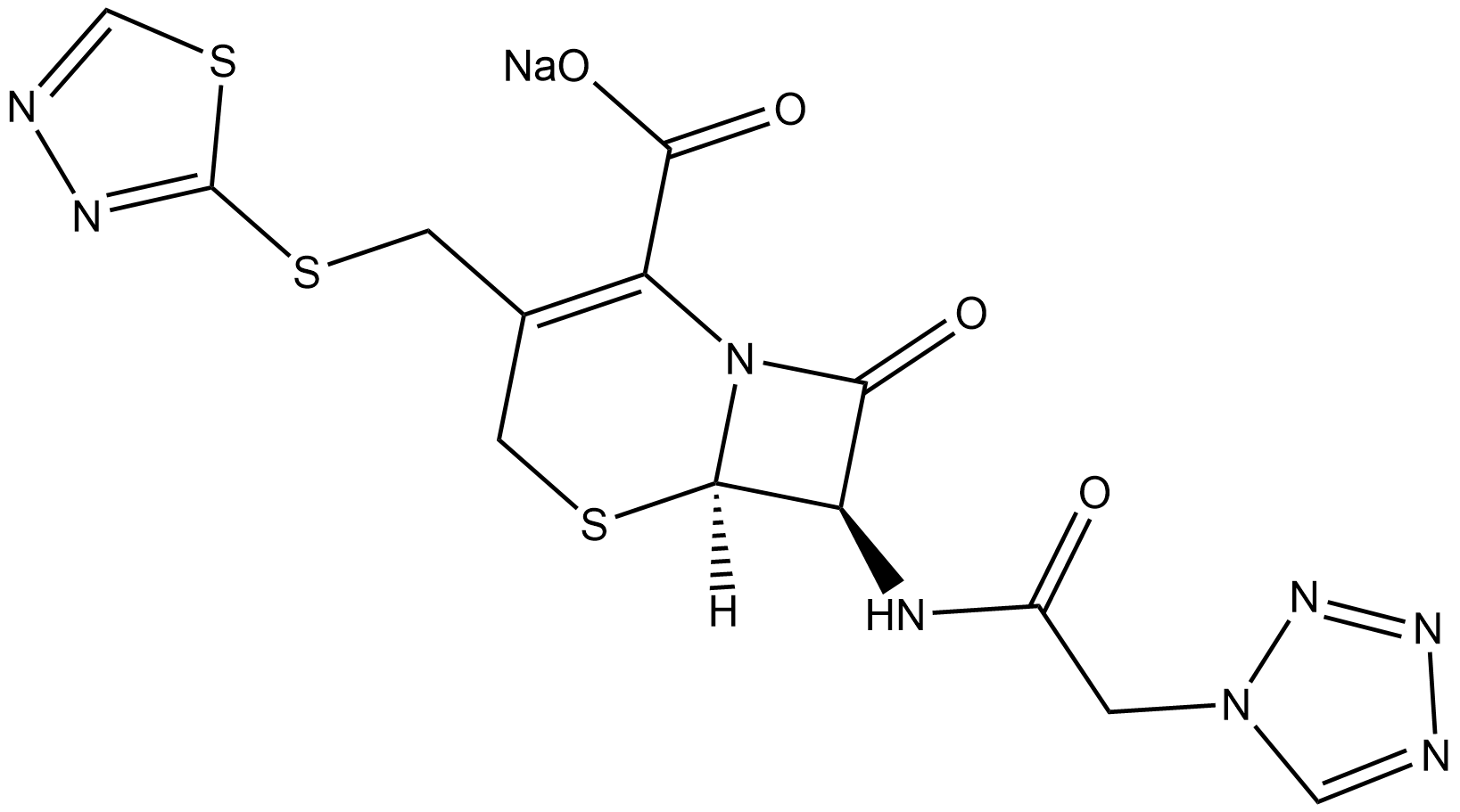 C8866 Ceftezole sodiumSummary: Ceftezole sodium is a first-generation cephalosporin β-lactam antibiotic that inhibits bacterial cell-wall peptidoglycan synthesis, serving as a reference compound in antimicrobial resistance research.
 -
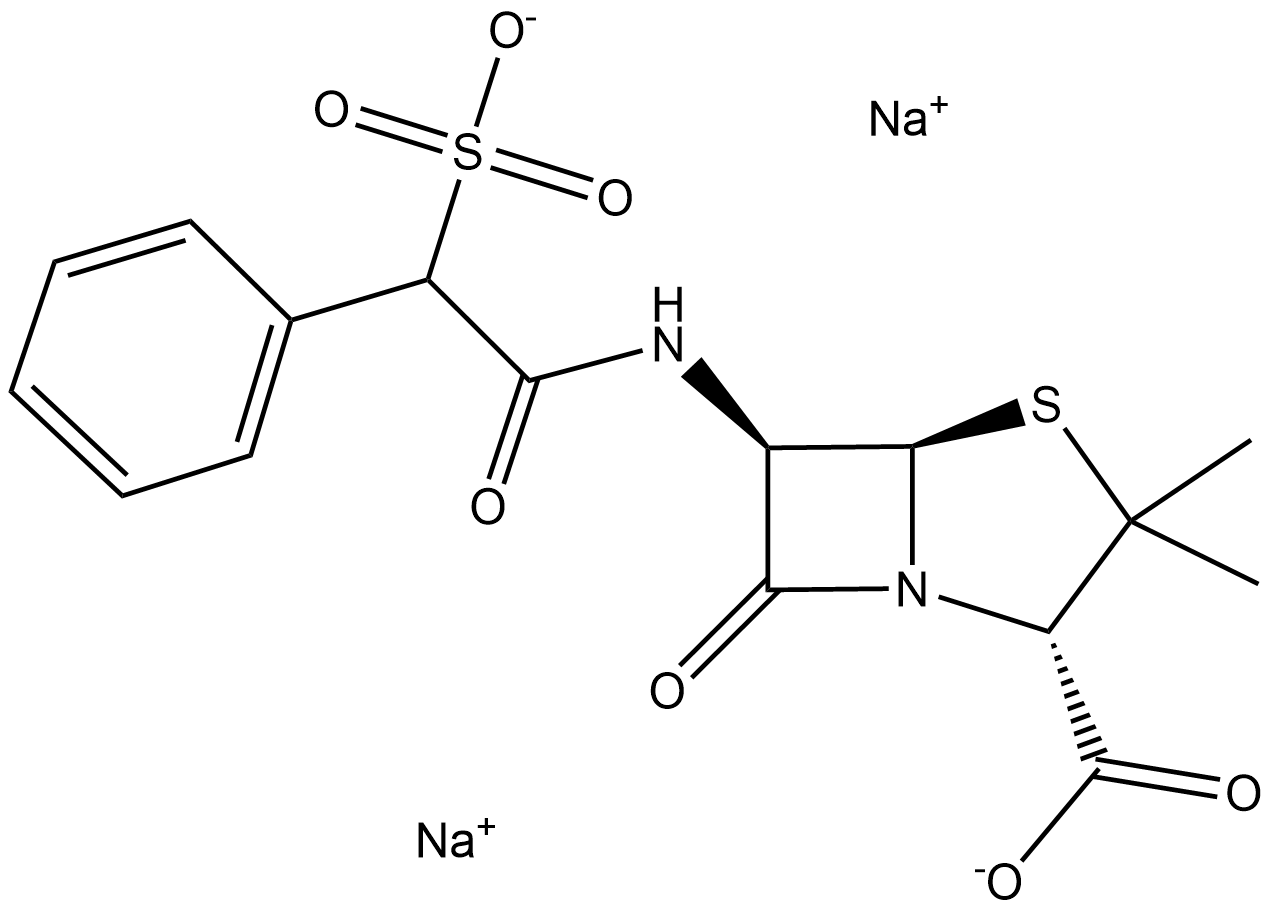 C8867 Sulbenicillin SodiumSummary: Sulbenicillin sodium is a semisynthetic β-lactam penicillin antibiotic that inhibits bacterial cell wall synthesis and is utilized in microbiology and antimicrobial resistance research.
 -
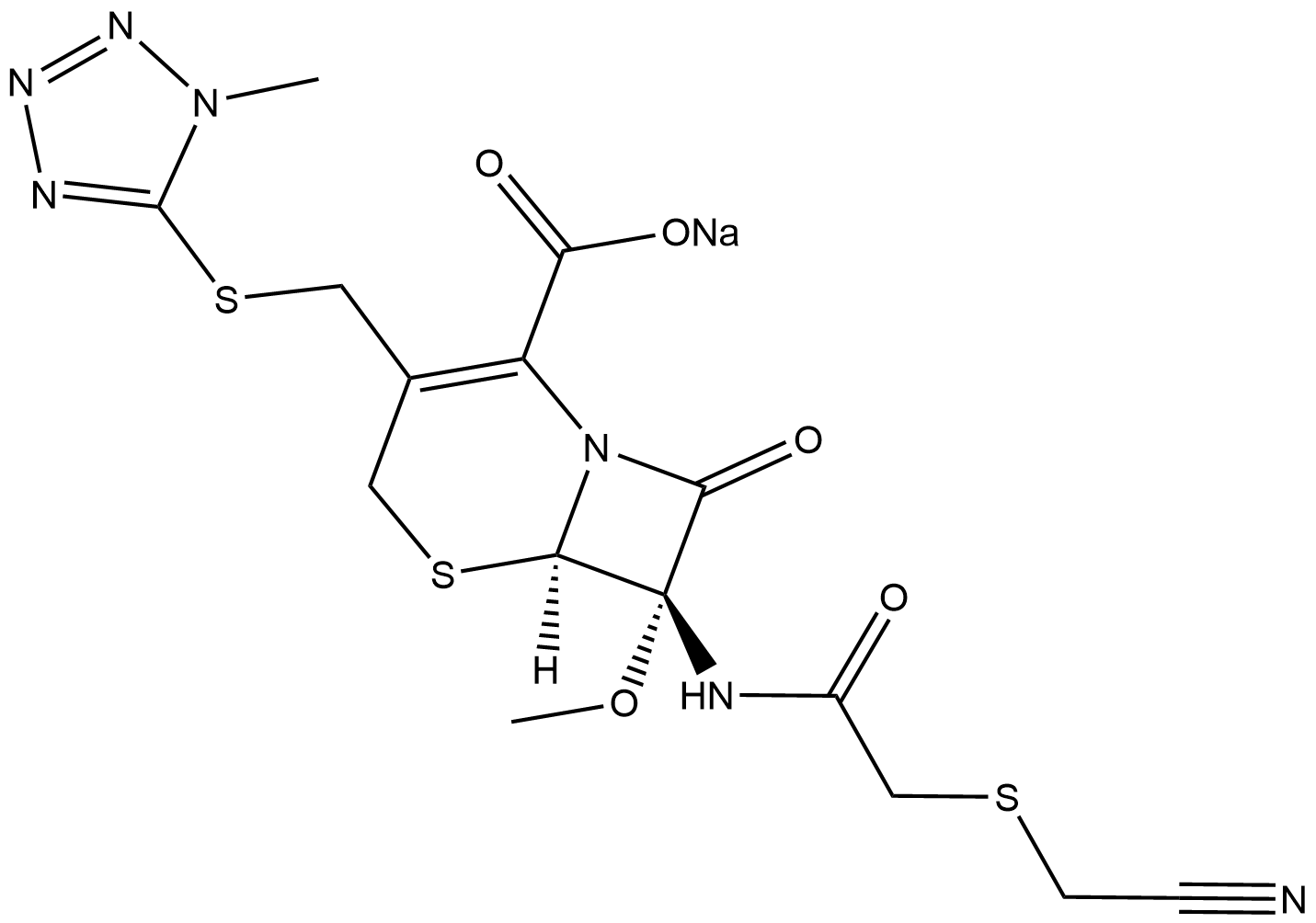 C8868 Cefmetazole sodiumSummary: Cefmetazole sodium is a cephamycin-class β-lactam antibiotic that inhibits bacterial cell wall biosynthesis and is utilized in microbiology and antimicrobial resistance research.
 -
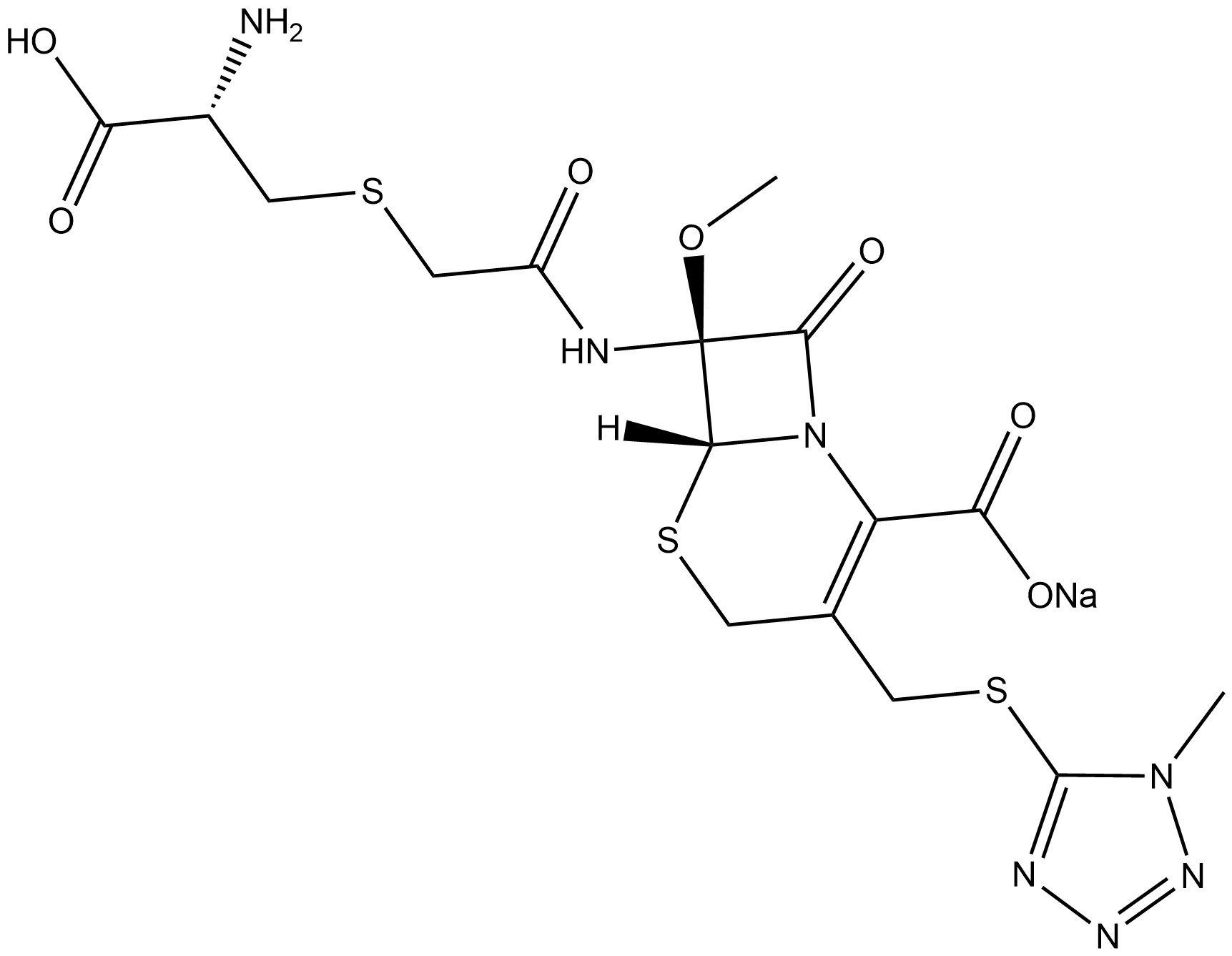 C8869 Cefminox SodiumSummary: Cefminox sodium is a semisynthetic cephamycin β-lactam antibiotic that inhibits bacterial cell wall peptidoglycan synthesis, widely utilized in microbiology and antimicrobial resistance research.
 -
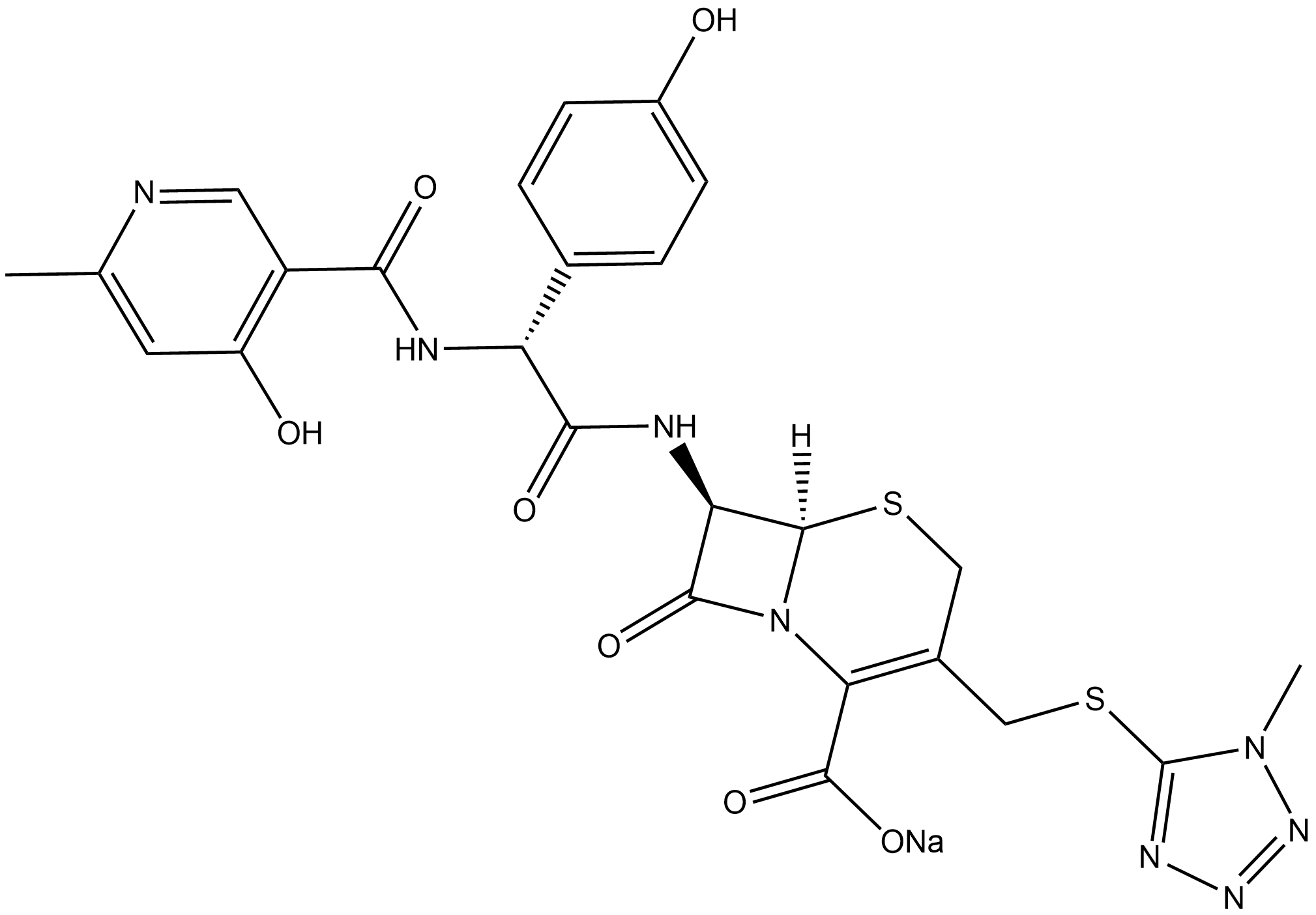 C8870 Cefpiramide sodiumSummary: Cefpiramide sodium is a third-generation cephalosporin β-lactam that inhibits bacterial cell-wall peptidoglycan synthesis and is utilized in microbiology and antimicrobial resistance research.
 -
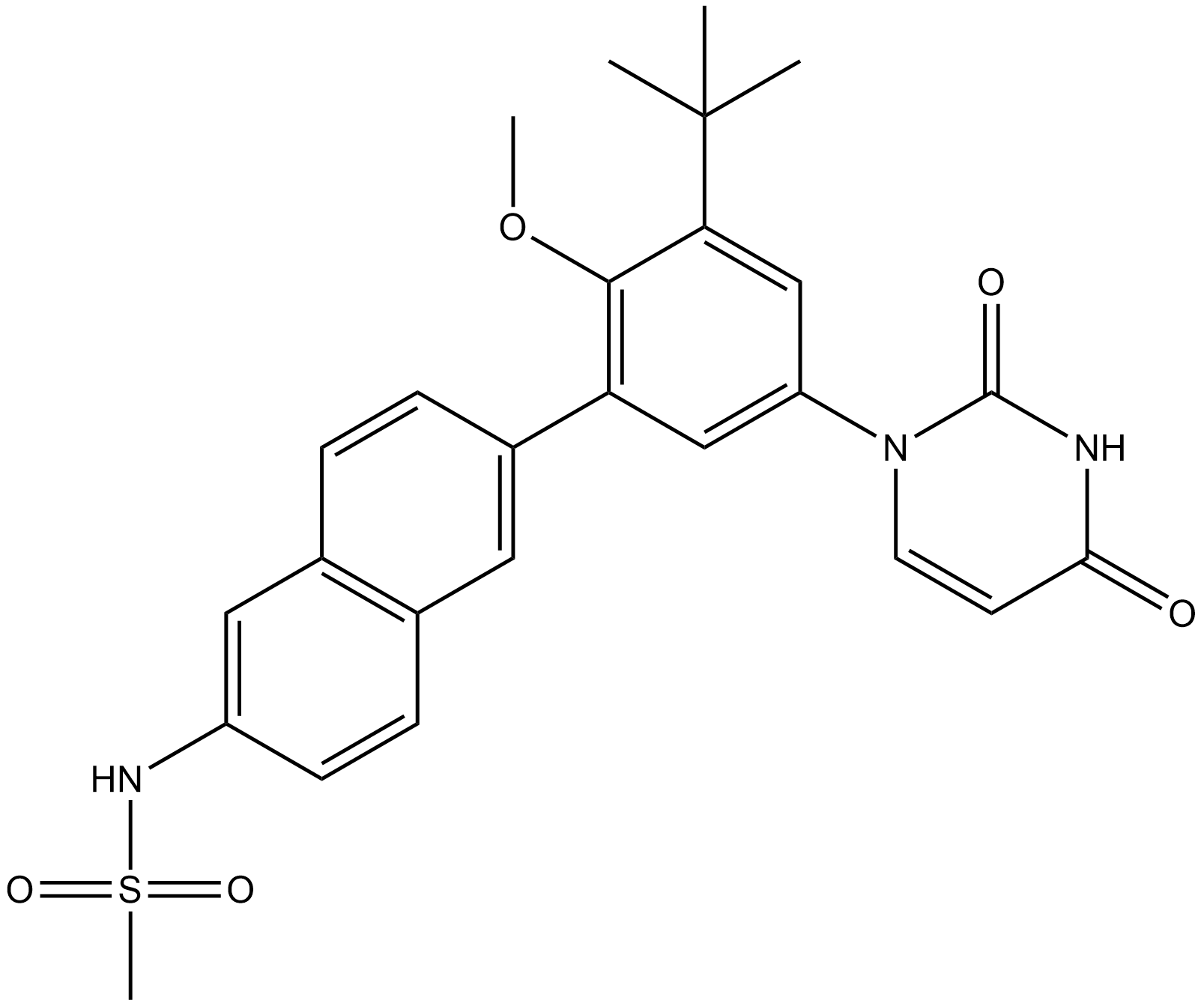 C8873 Dasabuvir (ABT-333)Summary: Dasabuvir (ABT-333) is a non-nucleoside inhibitor of hepatitis C virus NS5B RNA-dependent RNA polymerase, widely utilized in antiviral replication and virology research.
 -
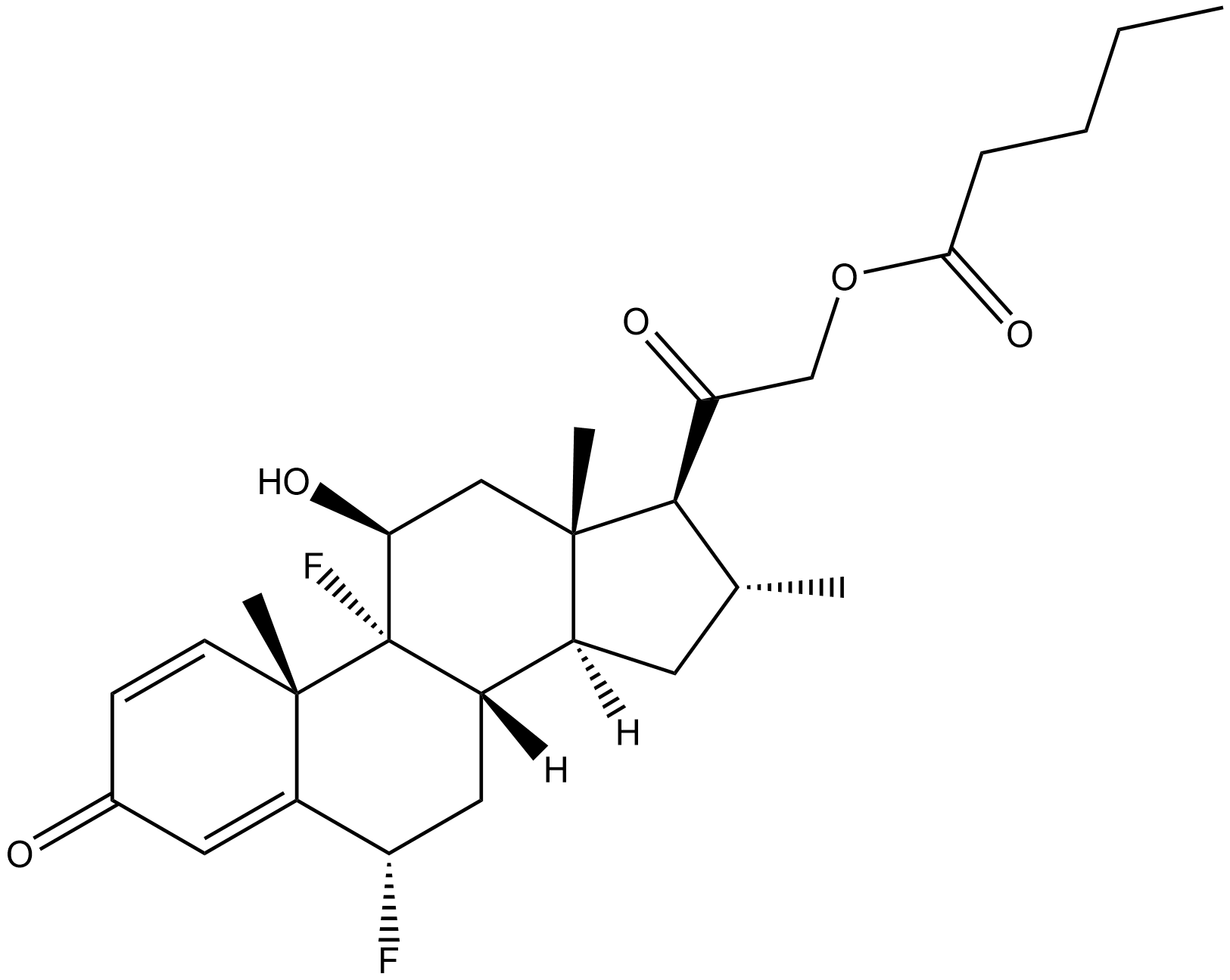 C8874 Diflucortolone valerateSummary: Diflucortolone valerate is a synthetic glucocorticoid receptor agonist that modulates corticosteroid signaling pathways and is utilized in inflammation and immunology research.